Guides · Valve
Valve Brand Guide: SteamOS, Deckard, and the High-End Smart Glasses Play
Valve is quietly preparing to anchor the enthusiast tier of wearable spatial hardware. Here is what Bellevue's entry means for smart glasses and the future of open compute.
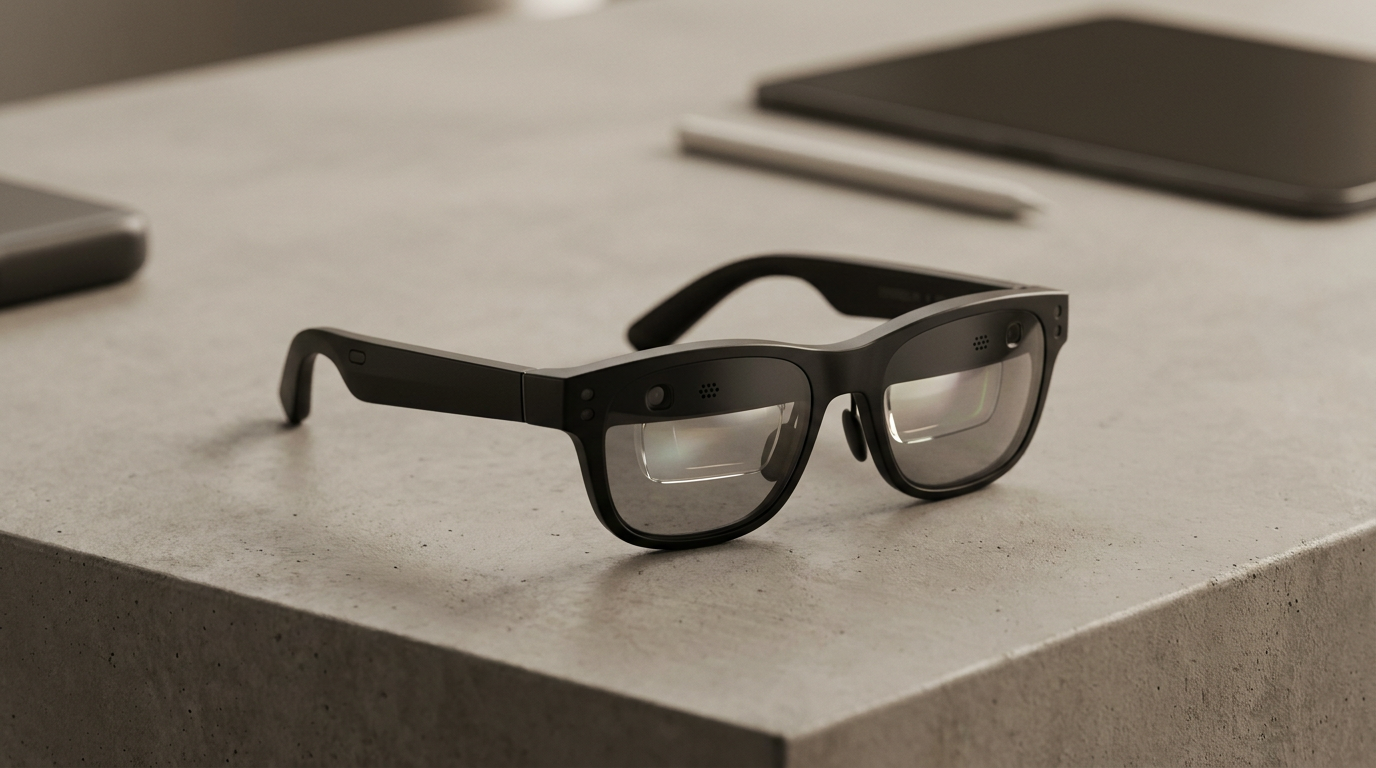
Valve does not chase consumer electronics hype cycles. When Gabe Newell's crew moves on hardware, it is deliberate, heavily capitalized, and architected to safeguard their real crown jewel: the Steam marketplace. While the broader smart glasses sector races to slap AI microphones and low-resolution micro-displays onto lifestyle frames, Valve is approaching head-worn tech from the opposite extreme—pure, uncompromised computing horsepower.
For years, smart-glasses watchers treated Valve strictly as a room-scale VR stalwart whose ambition stopped at the tethered Index headset. That narrow framing is obsolete. As industry hardware roadmaps line up for 2026 and beyond, Valve is clearly positioning itself to anchor the premium tier of standalone XR and spatial eyewear, bringing its custom software stack and silicon expertise out of the living room and onto your face.
The thesis here is simple: while tech giants squabble over ephemeral camera frames and ODM turnkey designs, Valve wants to own the open computing layer for your eyes. If they succeed, they will fundamentally disrupt the nascent smart glasses landscape by giving enthusiasts an uncompromising, open alternative to Big Tech's walled gardens.
To understand Valve's spatial roadmap, you have to look at the Steam Deck. Before 2022, handheld PC gaming was a messy, niche category dominated by expensive boutique imports with poor battery management. Valve rewrote the playbook by engineering custom APUs with AMD, polishing Proton translation layers on Arch Linux, and heavily subsidizing entry-level hardware to capture software revenue.
Valve's smart glasses and XR ambitions follow that exact blueprint. The company doesn't need to turn a 40 percent margin on eyewear hardware like a consumer fashion brand does. They generate staggering, recurring cash flow through Steam, allowing them to absorb multi-year research cycles and take financial risks that publicly traded competitors cannot stomach.
Why now? Because spatial computing is reaching a critical inflection point where standalone chips can finally drive compelling optical engines without requiring a backpack PC. Valve recognizes that if Meta, Apple, and Google successfully lock down the operating systems of the next hardware paradigm, Steam becomes a desktop relic. They are entering this space not out of vanity, but out of strategic necessity.
Unlike consumer hardware makers that flood retail shelves with half-baked annual refreshes, Valve has yet to formally list consumer retail specs for its smart eyewear pipeline. We track real hardware, and we refuse to invent fantasy spec sheets. However, extensive patent filings, SteamVR runtime code leaks, and supply chain telemetry around the long-rumored 'Deckard' platform paint an increasingly sharp picture of what Bellevue is building.
Everything known publicly points to a standalone architecture running on an x86 or high-performance ARM custom chip, decoupled from the PC tether but capable of ultra-low-latency wireless streaming when paired with local rigs. Rather than building camera-only audio glasses, Valve is leaning into advanced optical engines—integrating high-density micro-OLEDs, custom pancake or waveguide arrays, and spatial tracking sensors that bridge HUD utility with fully immersive computing.
Crucially, the software foundation will be an evolution of SteamOS. Valve understands that smart glasses cannot succeed in the enthusiast segment on mobile phone operating systems alone. By designing an operating layer that treats head-worn devices as genuine spatial computers rather than notification accessories, Valve is developing a platform built around native gaming, productivity, and developer freedom from day one.
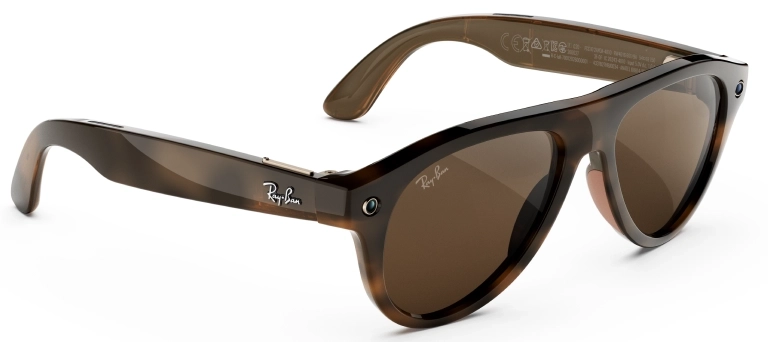
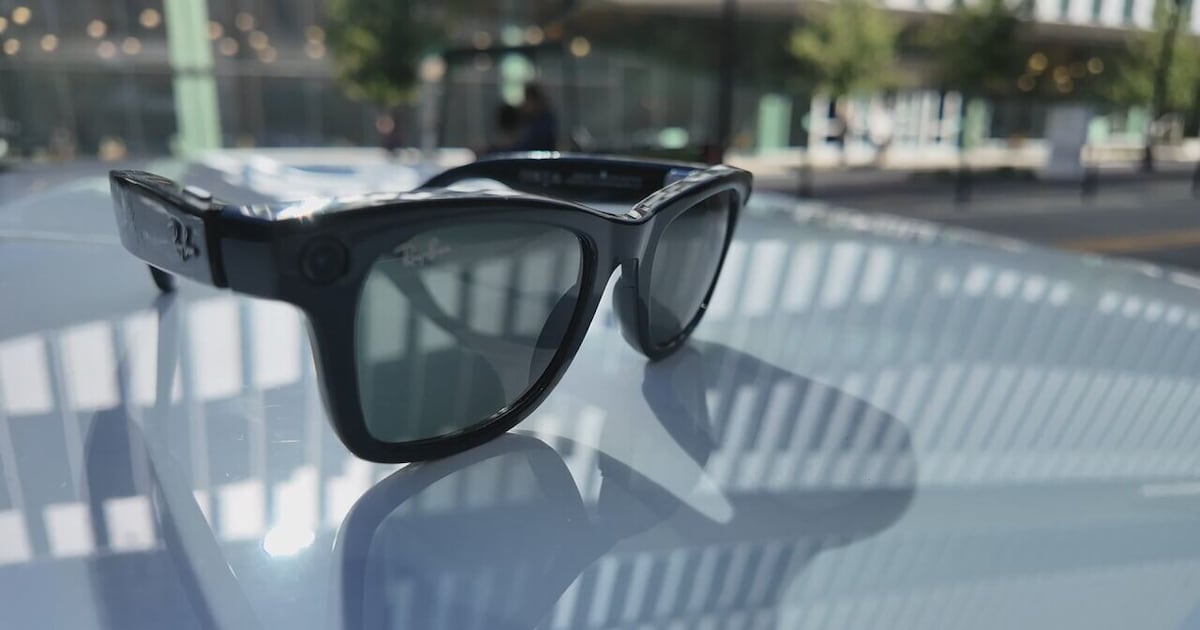
This strategy puts Valve on a direct collision course with Meta. Mark Zuckerberg's smart-glasses playbook relies on consumer accessibility: lightweight form factors like the Ray-Ban Meta and upcoming sports-tuned Oakley Meta HSTN, scaling into heads-up visual hardware like Meta Ray-Ban Display. Meta wants billions of everyday users tethered to Meta AI and its closed ecosystem. Valve is uninterested in social media audio frames; it is targeting the power user who refuses Meta's ad tracking and demands native performance.
Valve also stands in stark contrast to optical specialists like TCL RayNeo. Products like the RayNeo Air 3s and X3 Pro showcase impressive, lightweight waveguide and micro-LED engineering, but RayNeo functions largely as a hardware display vessel tethered to smartphones or proprietary companion pucks. Valve brings the platform, the developer catalog, and the operating system—a vertical integration TCL cannot match.
Meanwhile, turnkey hardware solutions like the SmartXY K900 ODM platform demonstrate how commoditized the camera-and-livestreaming smart-glasses tier has become. White-label manufacturers can spin up camera glasses in months, but they lack substantive computing architectures. Valve operates in a completely different stratosphere, trading lightweight fashion portability for raw spatial utility and processing dominance.
Our verdict on Valve is emphatically bullish, but tempered by the reality of 'Valve Time.' The company's strengths are undeniable: peerless software infrastructure, unmatched developer goodwill, deep engineering benches, and zero shareholder pressure to rush half-baked products to market. If Valve ships spatial glasses, the build quality and input mechanics will set the enthusiast standard.
The primary risk is execution speed and ergonomics. Packing meaningful compute, optical clarity, and thermal dissipation into wearable eyewear is a brutal physics problem; Valve will have to fight hard to avoid producing an excessively bulky visor that alienates all but the most hardcore PC gamers. Over the next 12 months, watch the SteamVR runtime commits and supply chain pilot orders closely. Valve is building the high-end anchor of the smart glasses world, and when the curtain drops, the entire market will feel the shake.
Interactive guide: prices, displays, cameras, battery.
Share this story