
Smart Glasses Price Guide: How Much Are Smart Glasses in 2026?
Smart glasses cost between $18 and $499 in 2026. Here is what you get at every price tier, from cheap audio frames to wearable displays and camera AI.
Updated every month · November 2, 2026
A functional pair of smart glasses in late 2026 costs anywhere from $17.95 for basic Bluetooth audio frames up to $499 for designer camera frames. Most shoppers looking for a capable everyday pair spend between $249 and $449, which covers mainstream AI-connected camera glasses and wearable Micro-OLED media displays. The market has diversified rapidly, creating distinct hardware tiers that separate simple audio spectacles from high-resolution heads-up displays.
Understanding the smart glasses price landscape comes down to your primary use case. If you only need open-ear sound, cheap smart glasses cost well under $100. Adding high-resolution camera sensors, on-device microphones, and cloud multimodal AI lifts the price into the $250 to $400 range. Adding dedicated display engines like Micro-OLED panels or optical waveguides places hardware between $299 and $489.
What Determines Smart Glasses Price: Where the Money Goes
Hardware cost in smart glasses is governed by three core components: optical displays, camera sensors, and industrial frame design. Entry-level models omit screens and optics entirely, housing miniature speakers and battery cells inside standard plastic frames. These components carry low manufacturing costs, allowing brands to sell audio-only spectacles at impulse-buy prices.
Once miniature visual optics enter the bill of materials, prices climb sharply. Wearable displays require specialized engines, such as birdbath optical combiners, tandem Micro-OLED panels, or transparent waveguides. These displays demand precise calibration to achieve fields of view between 25 degrees and 59 degrees, driving prices toward $299 to $459.
Camera sensors and custom brand licensing also command a premium. High-resolution 12MP and 16MP image sensors require onboard image signaling processors, multi-microphone arrays, and thermal dissipation systems. Co-branded designs, such as frames developed with Ray-Ban or Oakley, add lifestyle fashion licensing to hardware costs, settling prices in the $349 to $499 bracket.
Under $300: Ultra-Budget Audio to Entry AI and Displays
The sub-$300 bracket represents the entry point for connected eyewear. For shoppers hunting for cheap smart glasses, basic audio options start at astonishingly low prices. The BlackSheep BL30 costs just $17.95, delivering a 35g frame with a 4-hour battery and open-ear audio. Similar ultra-budget choices include the Kwenrun ChatGPT AI Smart Glasses at $18, the BlackSheep QY Pro2 at $23.95, and the BlackSheep AG11 Audio at $31. Moving up to the $54 to $65 range introduces entry-level 8MP cameras, seen on the BlackSheep G2 Pro AI ($54), BlackSheep G3 Smart ($54), Anko Camera Glasses ($58), and BlackSheep AG18 Smart ($64.95).
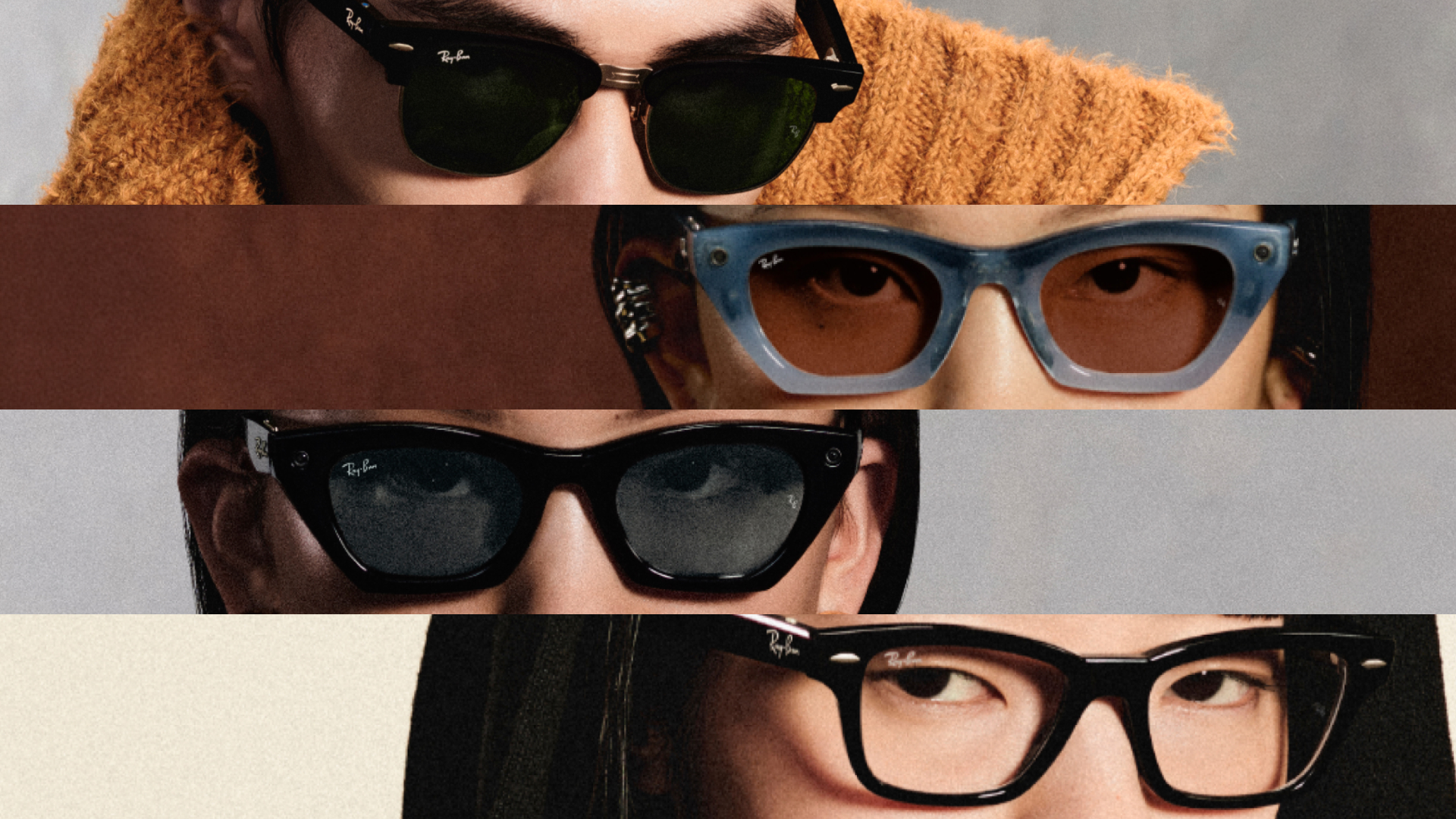
Between $199 and $278, audio frames gain polished industrial design, and AI cameras become viable. The Lucyd Reebok Octane ($199) and Chamelo Music Shield Gen 2 ($229) deliver dedicated audio styling, while the Xiaomi Mijia Smart Audio Glasses ($249) feature XiaoAI voice control. In camera hardware, Meta entered the sub-$300 tier with the Meta Adventurer at $249, offering Meta AI and Muse voice capabilities. International AI camera options include the Xiaomi AI Glasses ($278) with a 12MP camera, and the Alibaba Quark AI Glasses ($260), which uniquely integrate a monochrome 25-degree waveguide display and a 12MP camera in a 40g frame.
The top of this tier introduces dedicated media-viewing glasses. At exactly $299, shoppers can buy birdbath display frames featuring Micro-OLED optics, including the RayNeo Air 3s Pro (46-degree field of view, 76g), the X By XREAL a01+ (50-degree field of view using a 0.6-inch SeeYa panel), and the Viture Pro 2 (50-degree field of view, 63g). Buyers wanting AI camera frames without displays at this price point can choose the Solos AirGo Vision ($299, with selectable GPT-4o, Gemini, and Claude) or the Solos AirGo V2 ($299, featuring a 16MP camera and 11-hour battery life).
$300 to $400: Mainstream AI Audio and Head-Up Displays
The $300 to $400 bracket is the most competitive segment in smart eyewear, split between mainstream AI camera models and compact heads-up displays (HUDs). On the AI assistant side, buyers find the Baidu Xiaodu AI Glasses ($320, 16MP sensor with Ernie 4.0), the Huawei Eyewear 2 ($330, 36g audio frame with Celia AI), and the Mentra Live ($349, 8MP sensor with a 12-hour battery). Rokid also competes here with the Rokid AI Glasses Style co-designed with Bolon ($349, 12MP sensor, 38.5g frame).
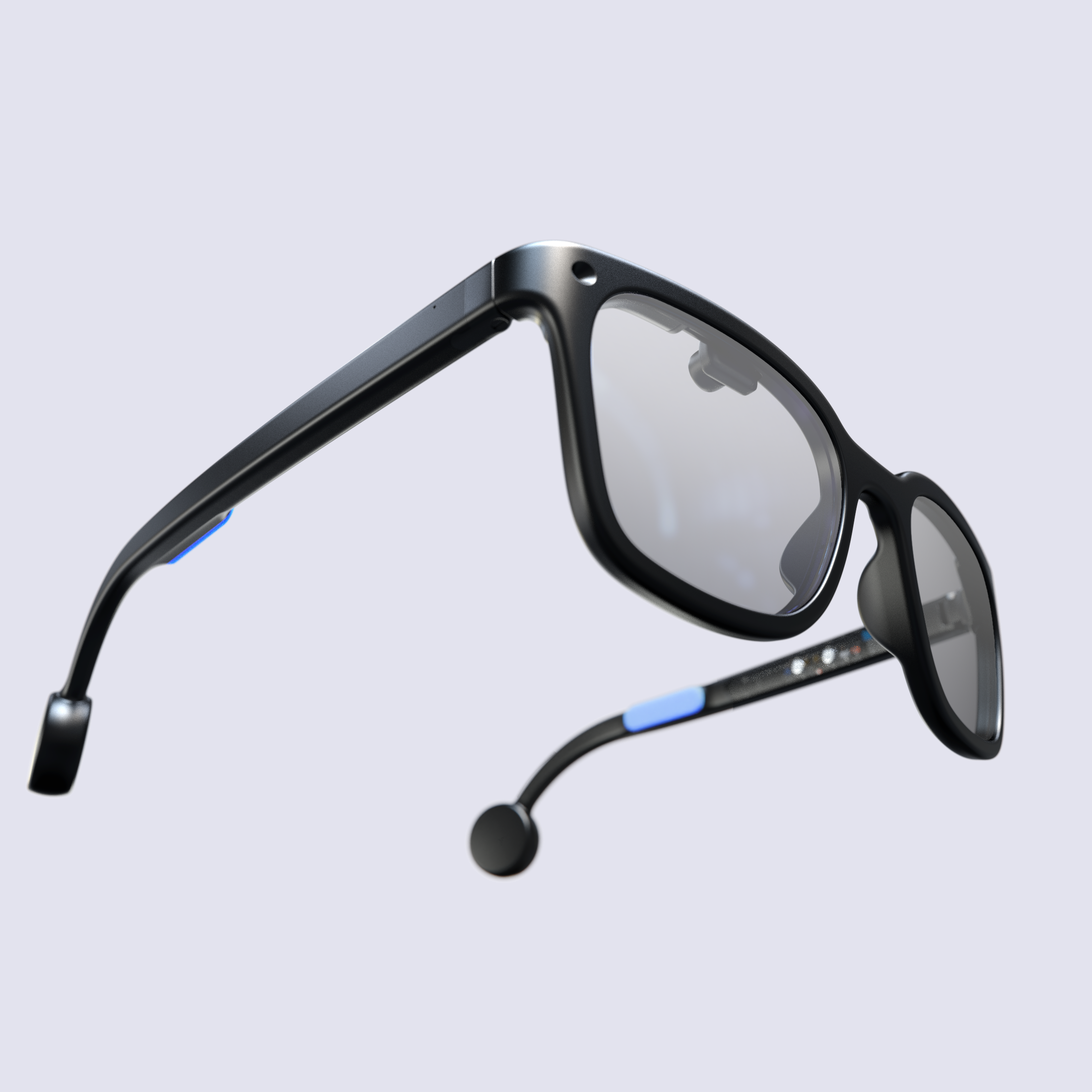
In heads-up displays, $349 buys the Brilliant Labs Frame, which packs a microOLED display, camera, and Noa AI, alongside the Brilliant Labs Halo ($349, Micro LED display, 40g). For sports tracking, the ActiveLook ENGO 3 costs $399, offering a multi-colour HUD and 20 hours of battery life in a 38.5g chassis. Tethered display glasses in this tier include the Huawei Vision Glass ($380, 30-degree field of view), the Viture Luma ($399, Sony Micro-OLED birdbath), and the RayNeo GT Max ($399, tandem Micro-OLED with Dolby Vision and a 59-degree field of view).
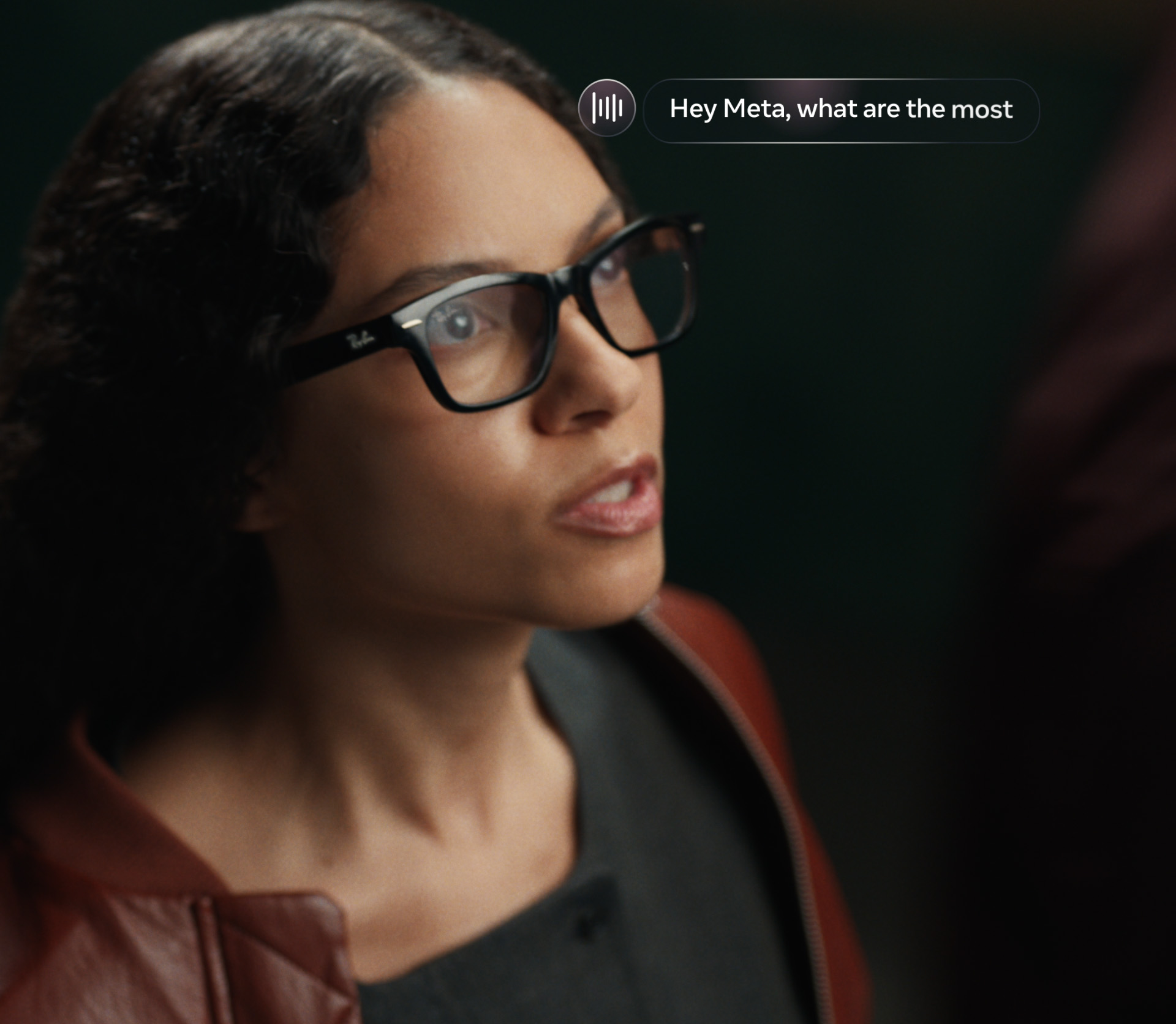
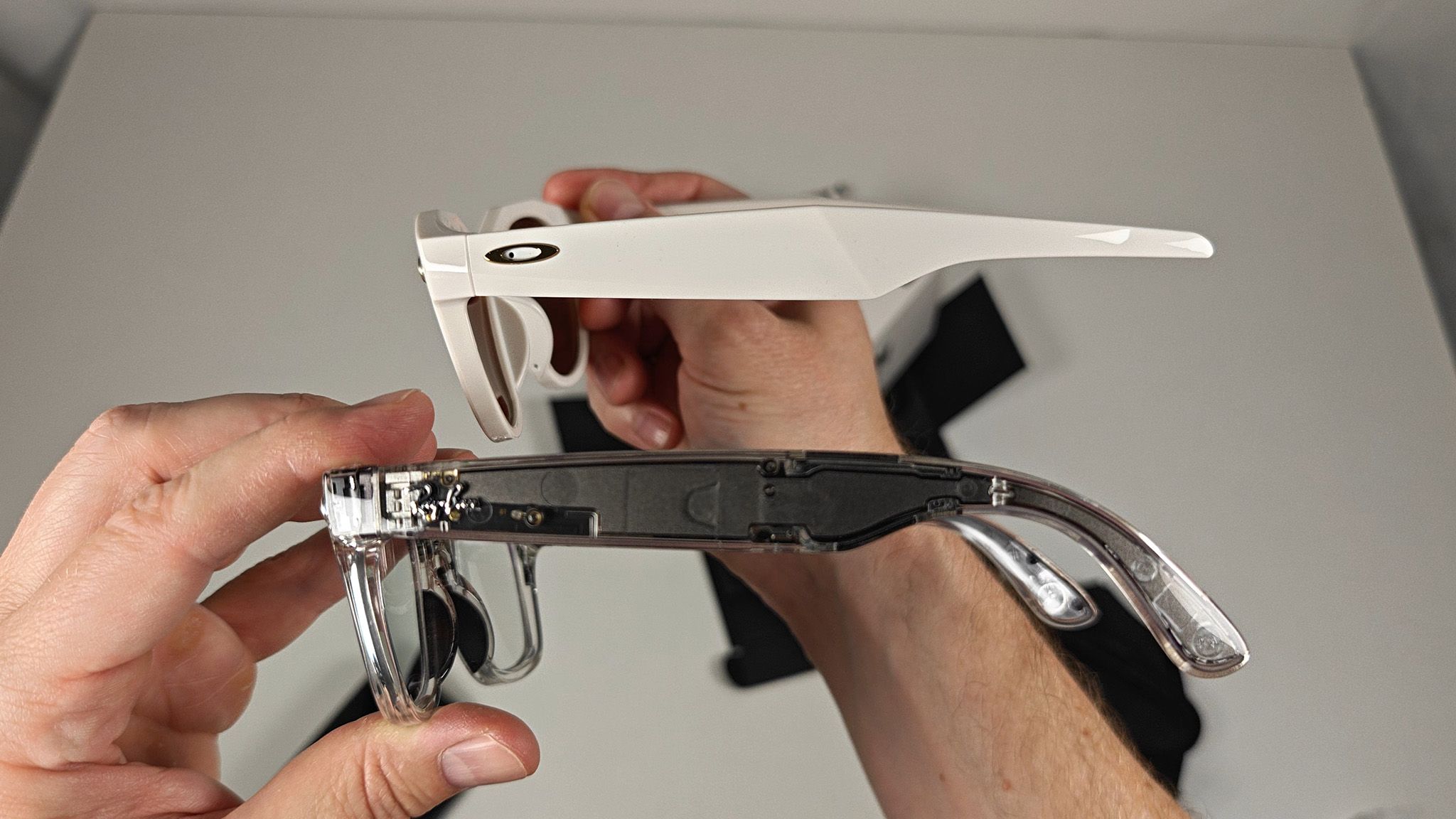
This tier also serves as the launchpad for high-profile smart sunglasses. The Ray-Ban Meta Audio sits at $349 with a 12-hour battery, while the popular Ray-Ban Meta (Gen 2) sells for $379 with a 12MP camera and 5-hour battery. Designer lifestyle editions also cluster around $399, including the Oakley Meta HSTN (12MP camera, 8-hour battery), the Meta Adventurer LISA Edition ($399), Meta Capri LISA Edition ($399), and the Meta Starfire Kylie Edition ($399, 48g frame with a 12MP camera).
$400 to $500: Advanced Displays, Specialized Sports, and Designer Frames
Between $400 and $500, smart glasses focus on flagship camera performance, refined fashion styles, and enhanced display hardware. Rokid offers the Rokid Max 2 at $429, pairing a 75g chassis with a 0.68-inch Sony micro-OLED panel offering a 50-degree field of view. Viture's Pro XR sits at $459, packing a 46-degree Micro-OLED display in a 77g frame. For minimalist visual assistance, the Halliday Glasses cost $489, utilizing Micro-LED projection and an integrated AI assistant.
For action recording, BleeqUp targets athletes with the BleeqUp Ranger ($439) and the BleeqUp Rover ($459). Both models feature 16MP cameras, specialized AI editing tools, and 1-hour recording batteries in frames weighing 49g and 53g respectively.
Flagship lifestyle frames dominate the remainder of this tier. Meta and EssilorLuxottica price their latest camera line at $449 across several designs, including the standard Ray-Ban Meta (Gen 3), the Ray-Ban Meta Gen 3 Aviator, the Ray-Ban Meta Gen 3 Zena, and the Ray-Ban Meta Gen 3 Wayfarer. Each of these $449 models features a 12MP camera, a 9-hour battery, and Meta AI with Muse. At the very top of the consumer catalog sits the sports-focused Oakley Meta Vanguard at $499, equipped with camera capture and Meta AI.
Price Tiers Above $500 and Market Realities
While high-end virtual reality and enterprise headsets often command $600 to over $1,000, current consumer smart glasses benchmarked in our database strictly cap out at $499. The lack of four-figure standalone smart glasses reflects the technical challenge of miniaturizing spatial computing components into true eyewear form factors.
We reported recently that eyewear revenue growth has started to cool for major players like EssilorLuxottica, even as demand for traditional frames remains strong. At the same time, we reported on regulatory pushback, including French criminal penalties against covert filming and viral copyright hacks aimed at blocking camera frames. Manufacturers are keeping standalone smart glasses priced under $500 to drive consumer adoption while the industry works toward lighter components and future micro-display breakthroughs.
Prices by tier
Under $300 (19)

BlackSheep
BL30
$18 · 35 g
Kwenrun
Kwenrun ChatGPT AI Smart Glasses
$18

BlackSheep
QY Pro2
$24 · 38 g

BlackSheep
AG11 Audio
$31

BlackSheep
G2 Pro AI
$54 · 44 g

BlackSheep
G3 Smart
$54 · 47 g
Anko (Kmart)
Anko Camera Glasses
$58

BlackSheep
AG18 Smart
$65 / €49
Lucyd
Reebok Octane
$199
Chamelo
Music Shield Gen 2
$229 · 49 g
Meta
Meta Adventurer
$249
Xiaomi
Xiaomi Mijia Smart Audio Glasses
$249 / €234
Alibaba
Alibaba Quark AI Glasses
$260 · 40 g · Display
Xiaomi
Xiaomi AI Glasses
$278 · 40 g

Solos
Solos AirGo V2
$299 · 35 g
Solos
Solos AirGo Vision
$299

TCL RayNeo
RayNeo Air 3s Pro
$299 · 76 g · Display
Viture
Viture Pro 2
$299 · 63 g · Display
XREAL
X By XREAL a01+
$299 · 62 g · Display
$300 to $600 (37)
Baidu
Baidu Xiaodu AI Glasses
$320 · 45 g
Huawei
Huawei Eyewear 2
$330 · 36 g

Brilliant Labs
Brilliant Labs Frame
$349 · Display
Brilliant Labs
Brilliant Labs Halo
$349 · 40 g · Display

Mentra
Mentra Live
$349 · 43 g
Meta
Ray-Ban Meta Audio
$349 · 43 g

Rokid
Rokid AI Glasses Style (Bolon)
$349 · 38.5 g
Meta
Ray-Ban Meta (Gen 2)
$379
Huawei
Huawei Vision Glass
$380 · 112 g · Display
ActiveLook
ENGO 3
$399 / €350 · 38.5 g · Display

Meta
Meta Adventurer LISA Edition
$399
Meta
Meta Capri LISA Edition
$399

Meta
Meta Starfire (Kylie Edition)
$399 · 48 g
Meta
Oakley Meta HSTN
$399 · 48 g
TCL RayNeo
RayNeo GT Max
$399 · Display
Viture
Viture Luma
$399 · Display
Rokid
Rokid Max 2
$429 · 75 g · Display
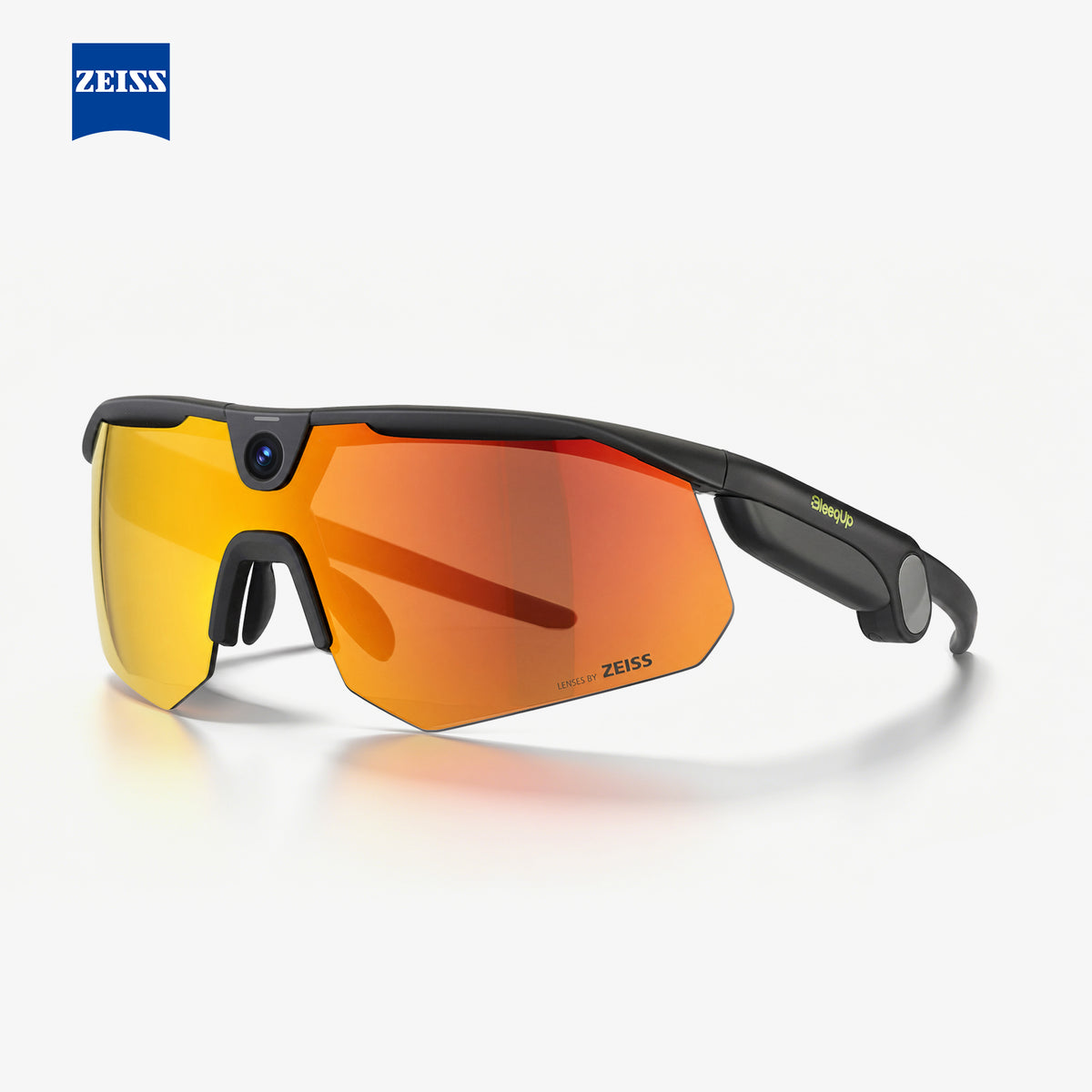
BleeqUp
BleeqUp Ranger
$439 / €439 · 49 g
Meta
Ray-Ban Meta (Gen 3)
$449
Meta
Ray-Ban Meta Gen 3 Aviator
$449
Meta
Ray-Ban Meta Gen 3 Wayfarer
$449
Meta
Ray-Ban Meta Gen 3 Zena
$449
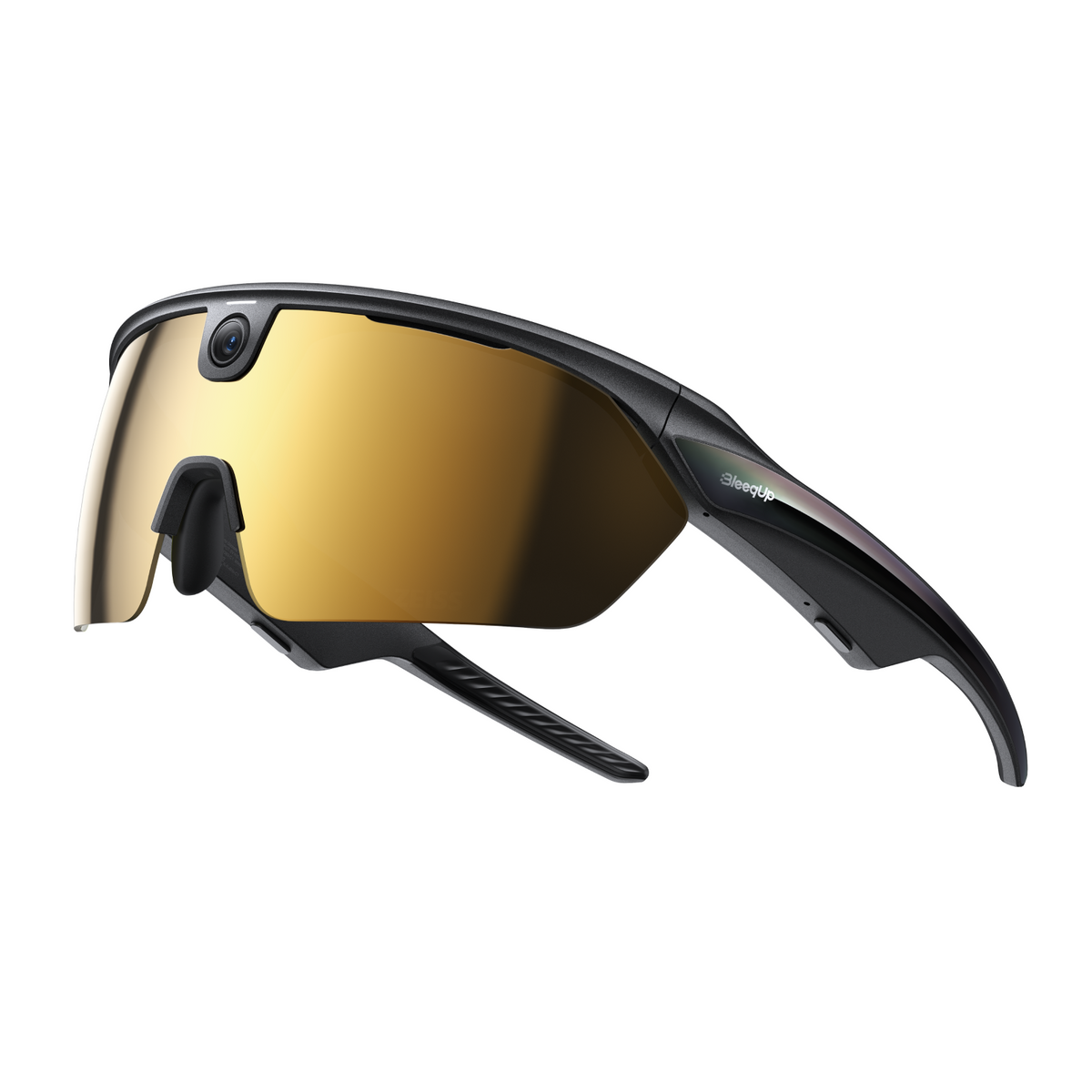
BleeqUp
BleeqUp Rover
$459 / €459 · 53 g
Viture
Viture Pro XR
$459 · 77 g · Display

Halliday
Halliday Glasses
$489 · Display

Meta
Oakley Meta Vanguard
$499
Meta
Ray-Ban Meta Scriber Optics (Gen 2)
$499

Viture
Viture Luma Pro
$499 · 79 g · Display

Vuzix
Vuzix Z100
$499 · 38 g · Display
XREAL
XREAL One
$499 · 84 g · Display

Rokid
Rokid AR Spatial
$538 · Display
Viture
Viture Beast
$549 · Display
Even Realities
Even G2
$599 / €599 · 36 g · Display
Halliday
Halliday G2
$599 · 49 g · Display
INMO
INMO GO3
$599 · 58 g · Display
Viture
Viture Luma Ultra
$599 · Display
XGIMI
XGIMI MemoMind One
$599 · Display
$600 to $1,000 (5)



Frequently asked questions
- What is the cheapest pair of smart glasses available?
- The lowest-priced models are basic audio frames like the BlackSheep BL30 at $17.95 and the Kwenrun ChatGPT AI Smart Glasses at $18. If you want a camera, budget options start with the BlackSheep G2 Pro AI at $54 and the Anko Camera Glasses at $58.
- How much do Ray-Ban Meta smart glasses cost in 2026?
- Ray-Ban Meta frames range from $349 for the audio-only Ray-Ban Meta Audio up to $449 for the Ray-Ban Meta (Gen 3) line, including Wayfarer, Aviator, and Zena styles. The older Ray-Ban Meta (Gen 2) sells for $379.
- How much are smart glasses with screens or displays?
- Display glasses begin at $260 for the Alibaba Quark AI Glasses (waveguide) and $299 for Micro-OLED media glasses like the RayNeo Air 3s Pro, Viture Pro 2, and X By XREAL a01+. Premium display models reach up to $459 for the Viture Pro XR and $489 for the Halliday Glasses.
- Are there smart glasses that cost over $500?
- In our current product benchmark, standalone consumer smart glasses cap out at $499 for the Oakley Meta Vanguard. High-end enterprise or specialized spatial headsets exist in the wider market, but consumer smart eyewear sits firmly below $500.
- What features do you get when spending $300 to $400?
- Between $300 and $400, you can choose between AI camera glasses with 12MP or 16MP sensors (like the Rokid AI Glasses Style and Baidu Xiaodu AI Glasses) or compact heads-up displays (like the Brilliant Labs Frame at $349 and ActiveLook ENGO 3 at $399).
Latest coverage
- Meta's Audio-Only Ray-Bans Pose a Pricey DilemmaOct 27, 2026
- Viture Pro 2 XR/AR Glasses Hit New Price Low on AmazonSep 24, 2026
- RayNeo Launches New Smart Glasses With Upgrades, Lower Price PointSep 20, 2026
- Rokid Glasses in 2026: live subtitles, 89-language translation and a corrected $699 priceSep 17, 2026
- Samsung Teases 'Reasonable' Premium Price for Galaxy XR GlassesJul 28, 2026
- Decoding 2026 Smart Glasses: Price vs. Features, $18 to $2,195Jul 18, 2026