News · Apple
Apple Supplier Leaks Work on Upcoming AI Glasses and Camera AirPods
A Chinese equipment supplier revealed involvement in Apple's AI glasses and new smart earphone projects during a quarterly earnings briefing.

On November 11, 2026, reports surfaced indicating that Apple's smart glasses hardware is actively advancing through the manufacturing supply chain. According to macrumors.com, Chinese manufacturing equipment vendor Quick Intelligent Equipment explicitly named Apple during a recent quarterly earnings session, as first reported by Securities Times. The supplier claimed it is directly involved in Apple's AI glasses and next-generation smart earphone projects, providing an unusual on-the-record confirmation of the hardware.
Quick Intelligent Equipment produces machine vision inspection equipment, a category of automated factory hardware used to test subcomponents, sensor alignments, and structural precision during mass assembly. As macrumors.com notes, the supplier expects its participation in Apple's emerging wearable categories to drive noticeable demand for its high-precision inspection tools. The supplier's comments also lend further weight to reports that Apple is working on camera-enabled AirPods intended to expand spatial perception.
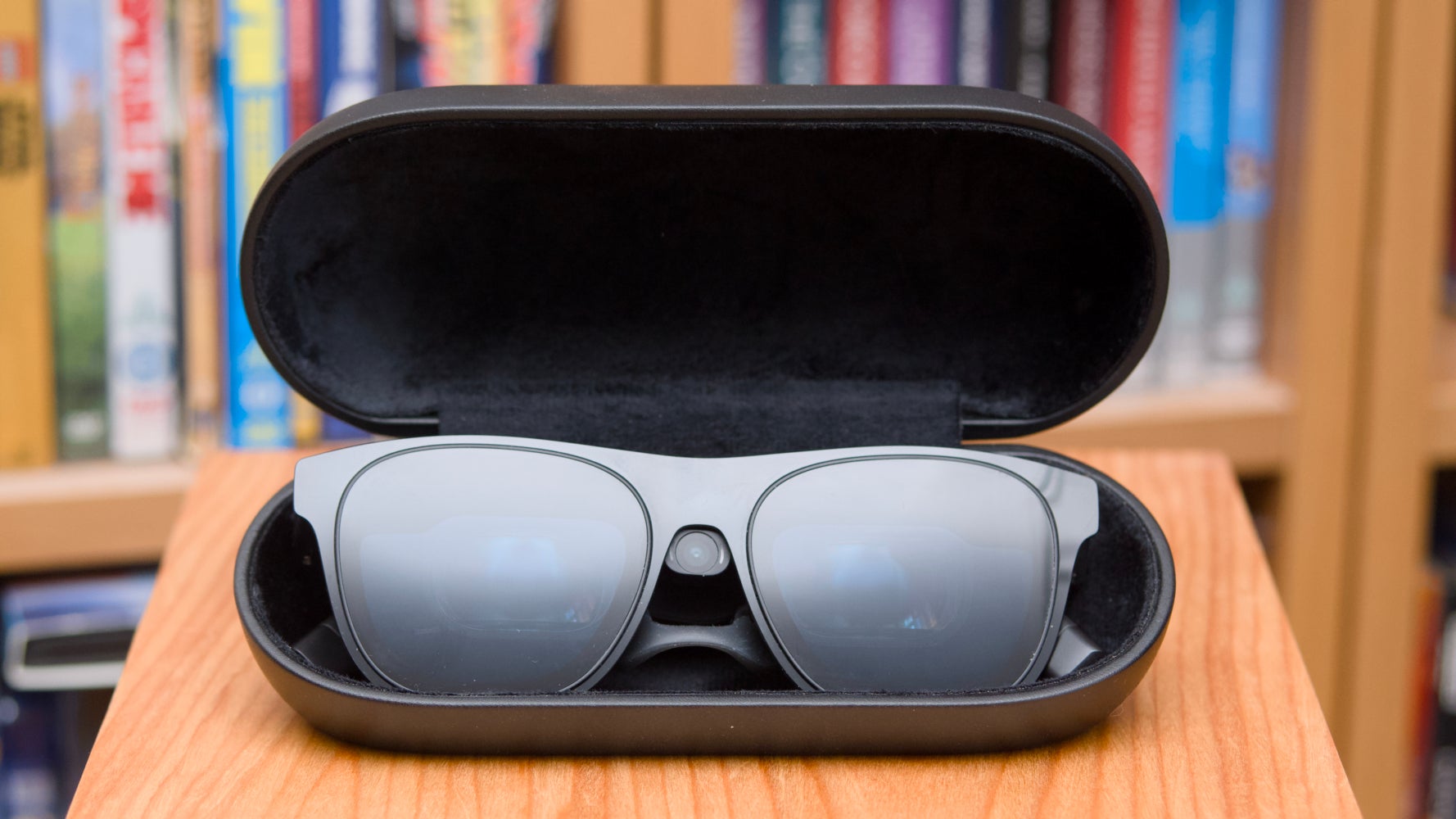
According to reporting outlined by macrumors.com, Apple is targeting a late 2027 commercial release for its initial smart glasses. The glasses are expected to focus heavily on visual artificial intelligence rather than complex, battery-draining transparent waveguide displays. Anticipated capabilities include identifying objects and landmarks in a user's field of view, answering real-time contextual queries, and providing live audio translation through built-in speakers and microphones.
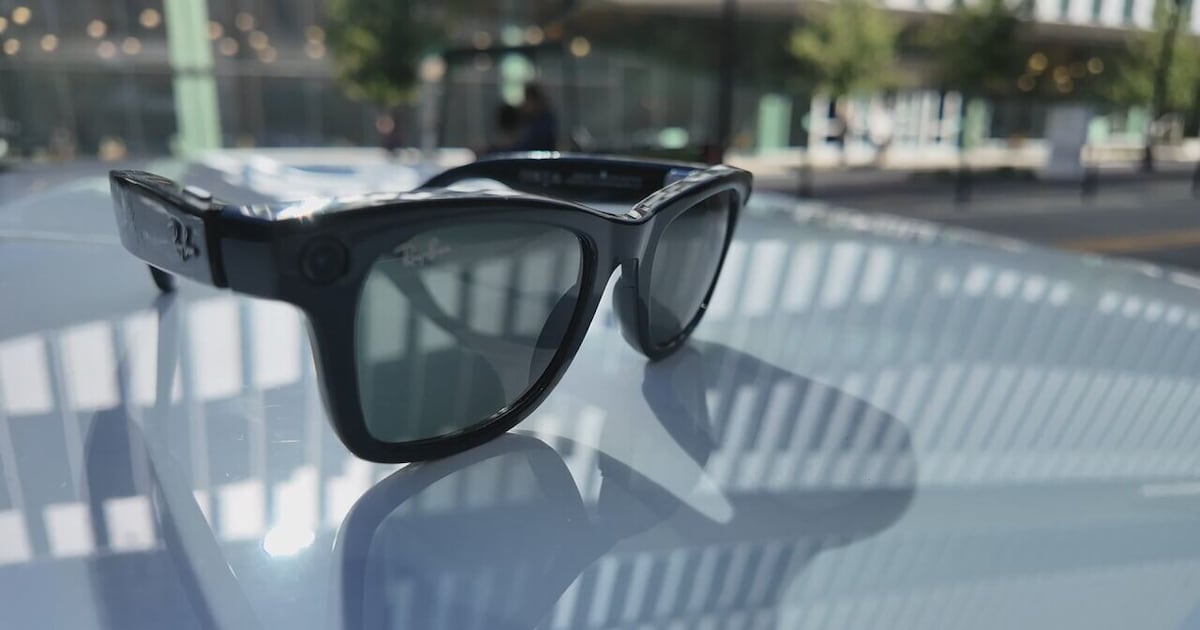
How it compares: If Apple maintains a late 2027 release window, it will be entering a smart eyewear landscape that has already moved far beyond early experimentation. Meta and EssilorLuxottica have spent several years proving that mainstream buyers favor lightweight, design-first audio and camera frames over heavy headsets. Competitors like Snap and emerging hardware startups are also pushing lightweight display and sensor architectures into everyday form factors. Apple's entry without optical displays would mirror Meta's playbook, using audio prompts and visual AI as the bridge between current smartphones and future augmented reality optics.
What this means: Supplier slip-ups during investor briefings are often the earliest verifiable indicators that Apple hardware has graduated from secretive research laboratories to commercial production pipelines. Purchasing and calibrating machine vision inspection systems means Apple has settled on specific component layouts and assembly tolerances. By pursuing camera-equipped AirPods alongside smart glasses, Cupertino is clearly assembling a distributed sensor ecosystem designed to keep Apple Intelligence anchored directly to the user's sensory environment.
Interactive guide: prices, displays, cameras, battery.
Share this story