Analysis · Valve
Mapping the 2026 XR Hardware Landscape as Valve Anchors the High End
A newly compiled industry release tracker highlights shifting priorities across virtual and spatial computing, with premium standalone hardware setting the pace.
Tracking the pipeline for spatial computing hardware and software has grown increasingly complex this week, as updated calendar records from vr.org catalog where the XR ecosystem stands heading through 2026. The tracker, which categorizes entries into confirmed launch dates, expected seasonal windows, and unverified industry leaks, highlights a field caught between high-end standalone headsets and the steady push toward lighter eyewear.
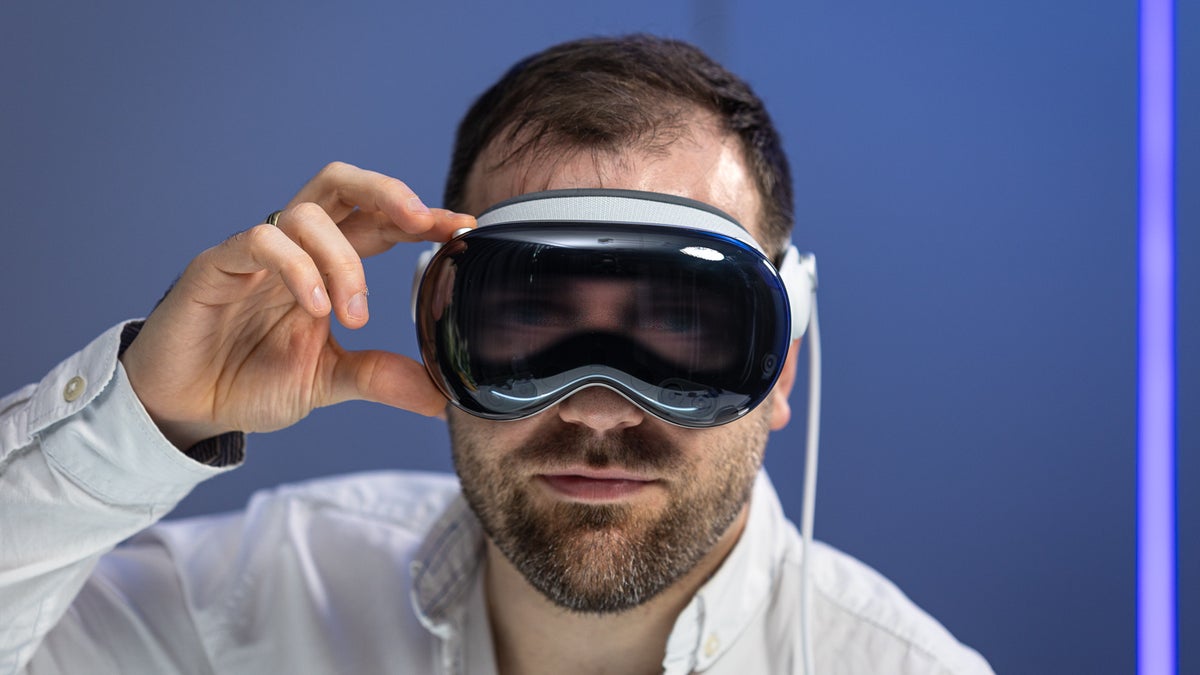
According to vr.org, the headline entry anchoring the hardware calendar is Valve's Steam Frame, which debuted at a starting price of $1,059 and scaled up to $1,299. The publication notes that reservation signups concluded rapidly ahead of early buyer fulfillment, marking a deliberate move by Valve to capture enthusiast demand for dedicated spatial gaming gear. Alongside hardware milestones, software releases continue to populate the schedule, including upcoming titles across Meta Quest and Android XR platforms.
What this means: Valve's pricing strategy for the Steam Frame illustrates the enduring bifurcation of the XR market. While mainstream consumer tech giants chase sub-$500 volume with mixed reality headsets and lightweight AI display glasses, premium PC gaming ecosystems remain comfortable demanding four-figure price tags for uncompromising performance. For dedicated virtual reality users, that tier provides an essential benchmark, even as the broader wearables market tilts toward all-day utility and discreet form factors.
How it compares: The presence of Android XR on the broader release roadmap signals an upcoming shakeup for standalone hardware. Google and its manufacturing partners, including Samsung, are actively positioning their joint operating system to challenge Meta's Horizon OS and Apple's visionOS. While Meta dominates the mass market with the Quest lineup, the entry of major Android hardware makers into spatial computing will force enthusiast systems like Valve's to defend their moat purely through content depth and open PC integration.
Our take: Hardware calendars only tell half the story. The biggest challenge for spatial hardware arriving in 2026 is avoiding content drought and maintaining clear platform identity. Premium headsets like the Steam Frame cater cleanly to existing PC power users, but the real growth in spatial computing lies in optical convergence, where display engines shrink down to fit everyday frames. Until high-end headset capabilities meaningfully intersect with lightweight wearable displays, the market will remain divided into enthusiast gaming rigs on one side and audio-first AI glasses on the other.
Interactive guide: prices, displays, cameras, battery.
Share this story