Manufacturer News · Apple
Apple Prepares Smart Glasses Push as Supplier Leaks Point to 2026
Fresh supply chain signals indicate Apple could enter the smart glasses arena next year while pushing its Vision Pro successor further down the line.
Apple is accelerating its wearable hardware plans this week, as fresh supply chain chatter suggests the tech giant is preparing to release a pair of smart glasses alongside revamped camera-equipped audio devices as early as next year. According to reporting from phonearena.com, component suppliers have begun outlining production roadmaps for Apple's upcoming wearable releases, while pushing the timeline for a true second-generation Vision Pro headset back toward 2027.
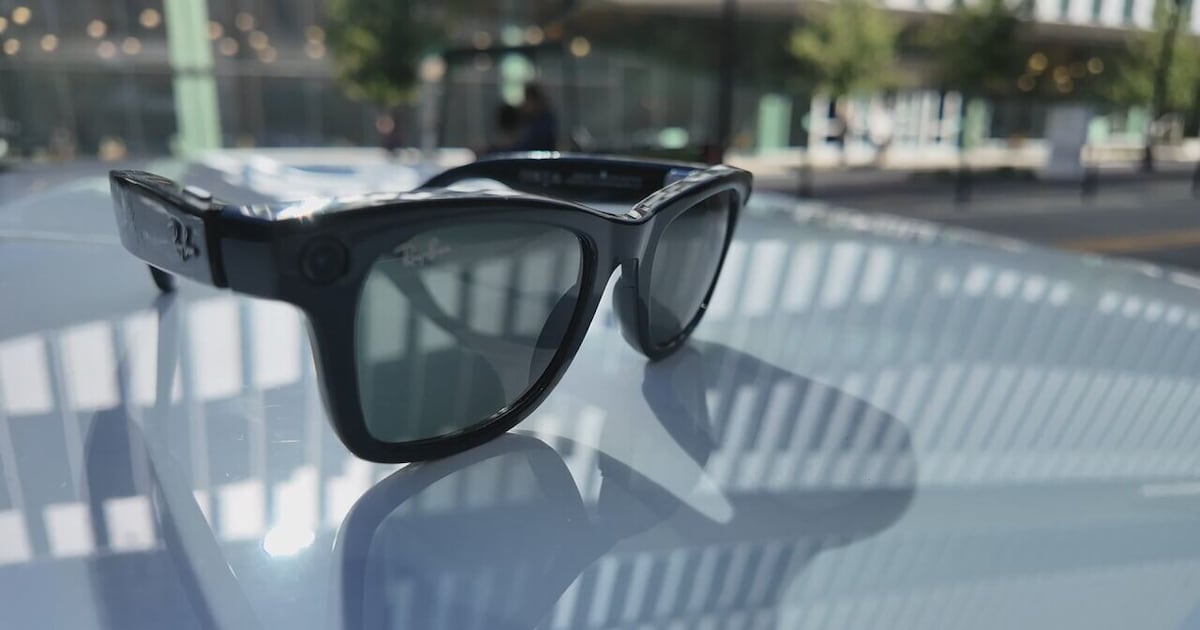
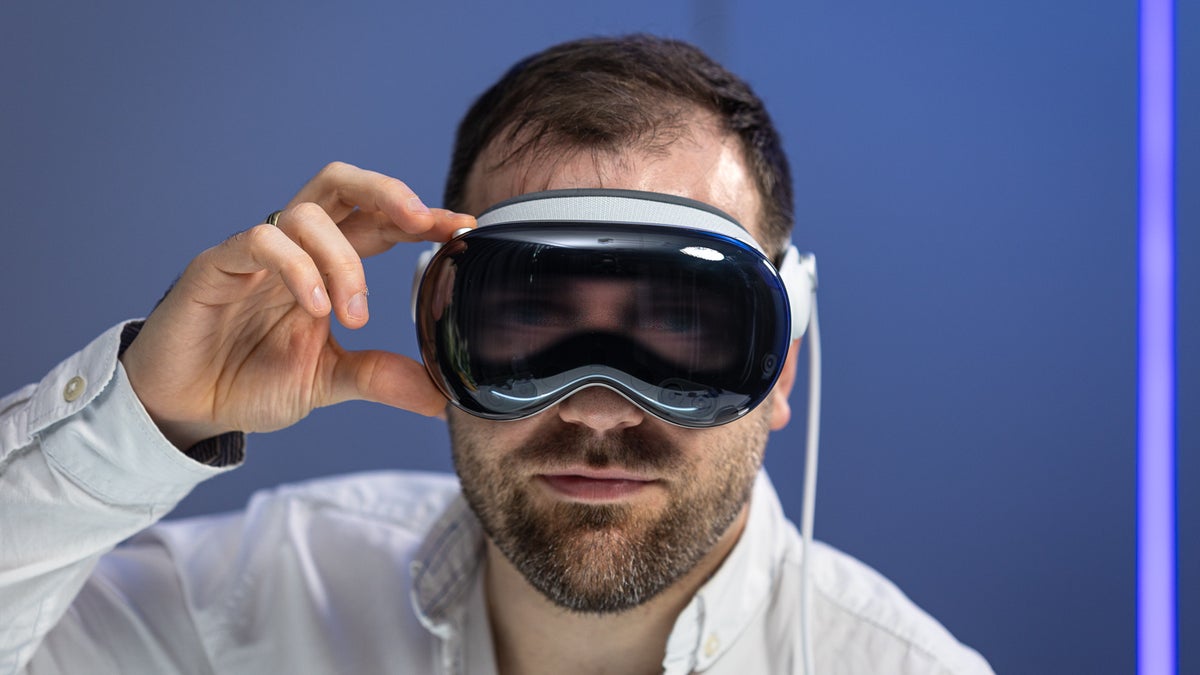
The pivot toward lightweight eyewear represents a pragmatic calibration for Cupertino. While Apple spent billions developing the Apple Vision Pro, the headset's steep $3,499 price tag and bulky form factor relegated it to early adopters and enterprise developers. In contrast, the runaway consumer success of the Ray-Ban Meta glasses demonstrated that everyday buyers want lightweight, audio-first, camera-assisted frames rather than enclosed face computers. Apple's upcoming smart glasses are anticipated to adopt a similar lightweight ethos, integrating microphones, onboard speakers, and outward-facing cameras driven by Apple Intelligence.
phonearena.com points out that alongside the smart glasses initiative, Apple suppliers are also working on next-generation earphones outfitted with infrared or miniature camera modules. These hybrid accessories would work in tandem with the iPhone, feeding environmental computer-vision context to Apple's AI models without requiring bulky display optics. For Apple, deploying ambient visual sensors across everyday personal accessories provides a direct shortcut into spatial computing without the ergonomic penalties of an enclosed headset.
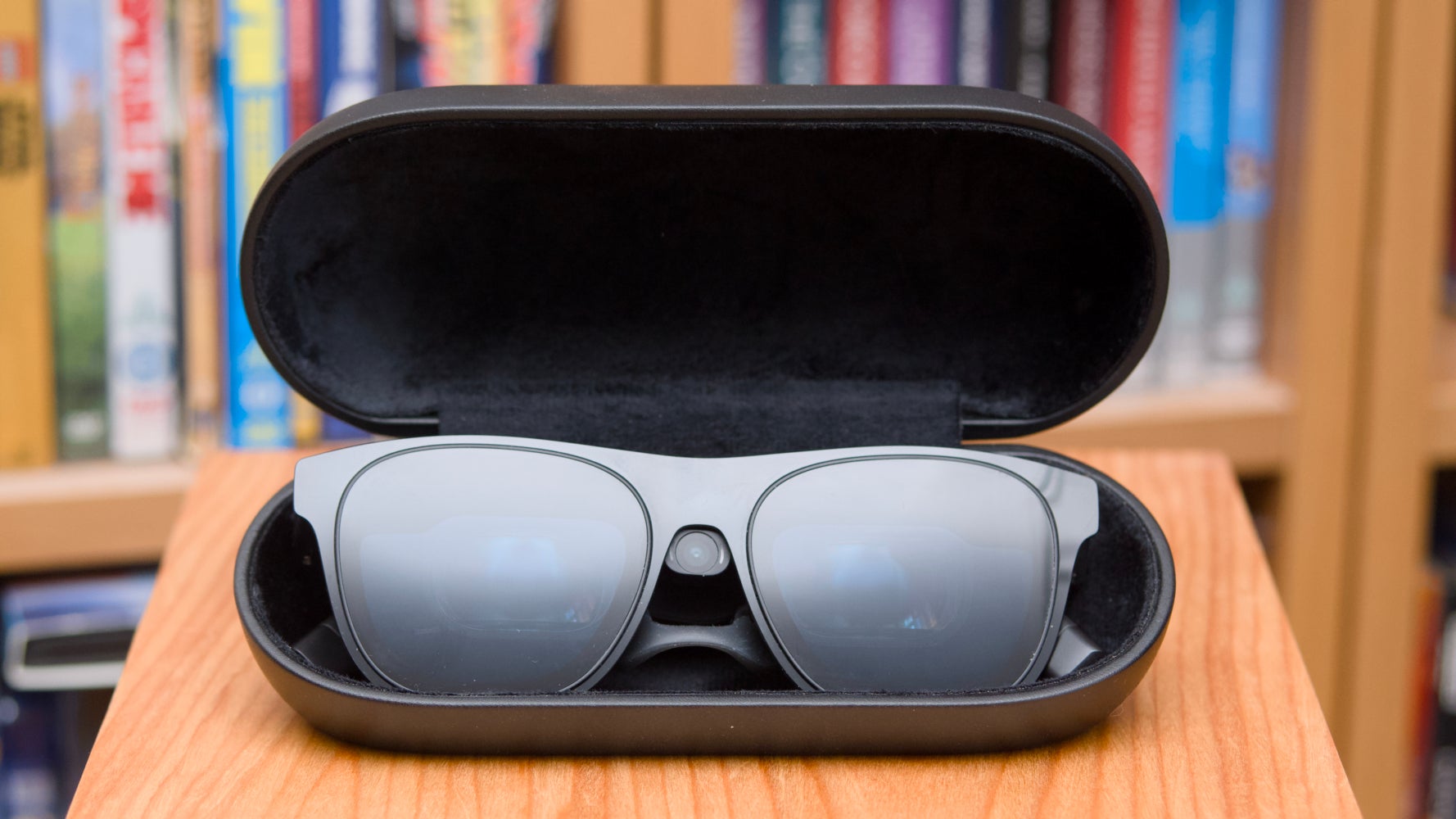
What this means: Apple recognizes that everyday smart glasses require aggressive tethering to succeed. By offloading processing, battery overhead, and cellular connectivity directly to the iPhone in your pocket, Apple can produce frames that stay under the crucial 50-gram threshold. This design philosophy bypasses the thermal and weight limits that currently plague standalone AR devices. Instead of projecting floating 3D windows into your field of view, Apple's initial glasses are far more likely to focus on audio feedback, capture capabilities, and visual lookup powered by Siri and private cloud computing.
How it compares: The competitive pressure is mounting rapidly. Meta has dominated the current generation of smart eyewear with its Ray-Ban partnership, and rivals like Google and Samsung are currently preparing their own Android XR hardware ecosystem. If Apple enters the market next year, it brings one monumental advantage that no competitor can match: an active install base of over one billion premium iPhone users. While Meta must rely on companion apps and third-party operating systems, Apple can integrate glasses seamlessly at the silicon and iOS system level.
Looking ahead, all eyes will be on upcoming developer conferences and supply chain assembly confirmations. If Apple does formalize a smart eyewear launch next year, it will mark the company's most important industrial design test since the original Apple Watch. Until then, shifting focus from a high-end Vision Pro refresh to accessible face-worn AI confirms where the battle for ambient computing is truly being fought.
Interactive guide: prices, displays, cameras, battery.
Share this story