Reviews · Xreal
Xreal One Pro Plus Review: Visual Fidelity at a Premium Price
The Xreal One Pro Plus sets a high benchmark for wearable displays with sharp optics and refined ergonomics. High pricing and tethered cables remain the primary compromises.
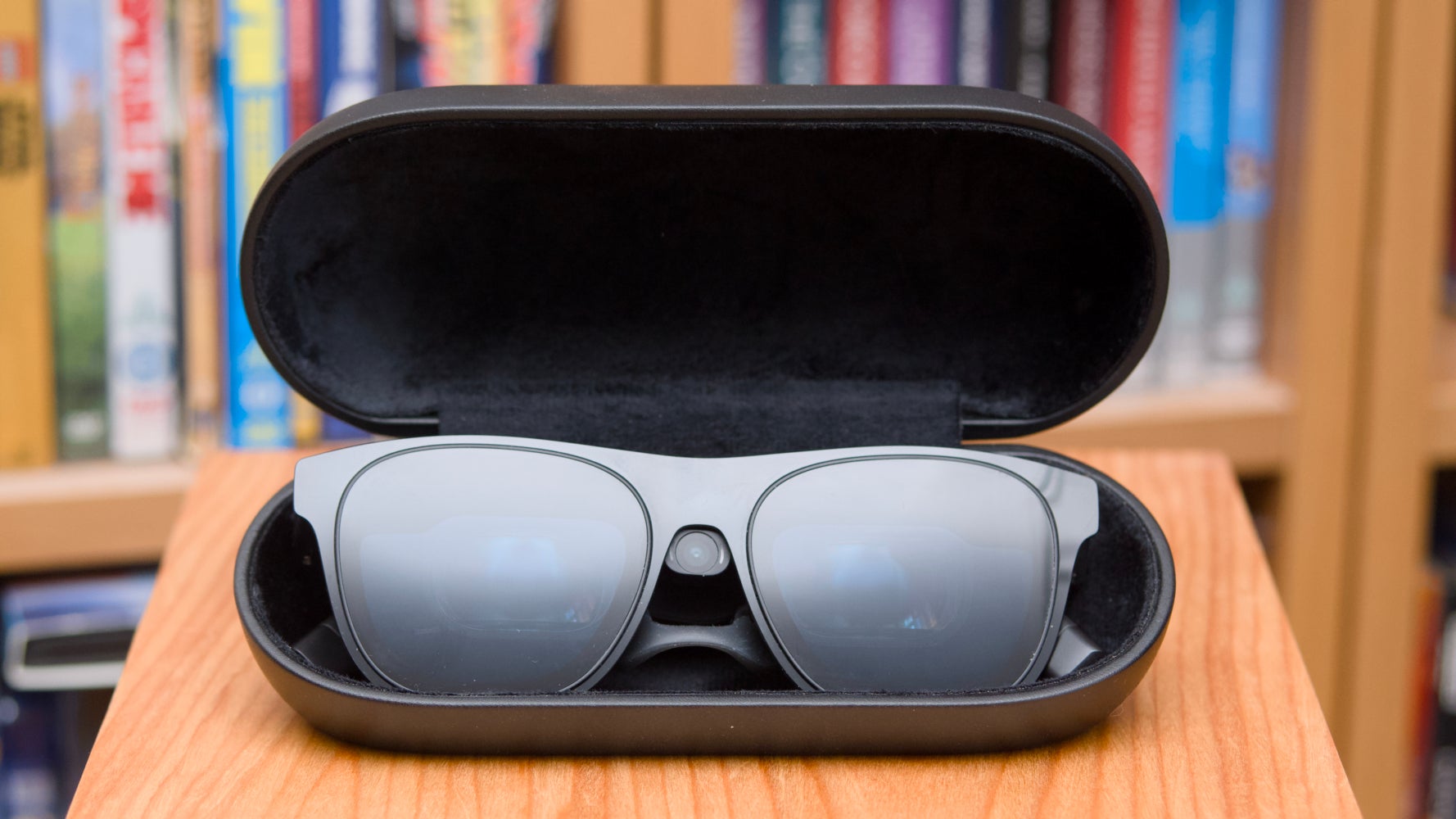
In a detailed review published on November 11, 2026, expertreviews.co.uk evaluated the Xreal One Pro Plus, calling it one of the most advanced wearable display glasses currently available. Designed primarily for mobile gaming and on-the-go media consumption, the updated hardware aims to refine the tethered display category with improved ergonomics, enhanced audio-visual fidelity, and new sensor capabilities.
Hardware changes across the chassis reflect a focus on daily usability. According to reviewer Jon Bray at expertreviews.co.uk, the glasses deliver exceptional comfort, supported by an adjustable nose piece and a balanced weight distribution across the temples. The physical layout includes a USB-C port integrated directly into the arm tip for video delivery and power, alongside tactile physical buttons on the temple arm, marked by a distinct red accent button for quick system inputs. Positioned directly between the tinted optical lenses sits the forward-facing Xreal Eye camera, anchoring the system's spatial awareness and gesture tracking functionality.
Visual execution remains the headline feature. expertreviews.co.uk reports that the micro-OLED display modules provide standout image clarity, making the hardware an effective virtual monitor for connected smartphones, laptops, and handheld consoles. While gesture controls and system navigation offer a mixed bag of convenience, the core viewing experience and integrated spatial audio provide a compelling personal theater. The primary stumbling block highlighted by the review is cost: despite the optical polish, the high asking price makes the device an expensive proposition for mainstream consumers.
How it compares: The wearable display market has grown increasingly crowded, with devices from Rokid, RayNeo, and Viture competing intensely on price and portability. Most rivals offer basic USB-C DisplayPort mirroring for around $300 to $450, but they often cut corners on nose-bridge adjustability, edge-to-edge sharpness, or integrated sensor packages. By embedding an onboard central camera and dedicated spatial controls, Xreal is attempting to bridge the gap between simple screen-mirroring spectacles and genuine spatial computing headsets.
Our take: The Xreal One Pro Plus proves that wearable displays have mastered visual immersion, but the form factor still faces structural limits. As long as users must remain physically tethered to a host device and navigate proprietary gesture quirks, these glasses will appeal primarily to frequent flyers, handheld gamers, and mobile productivity enthusiasts. It is an impressive technological showpiece, but mainstream adoption will require lighter price tags and truly frictionless wireless connectivity.
Interactive guide: prices, displays, cameras, battery.
Share this story