Guides · Google / Gentle Monster
Google and Gentle Monster's Smart Glasses Play, Explained
A luxury eyewear icon teams with Google and Samsung to bring Android XR to the runway. Here is what you need to know about the upcoming Gentle Monster Intelligent Eyewear.
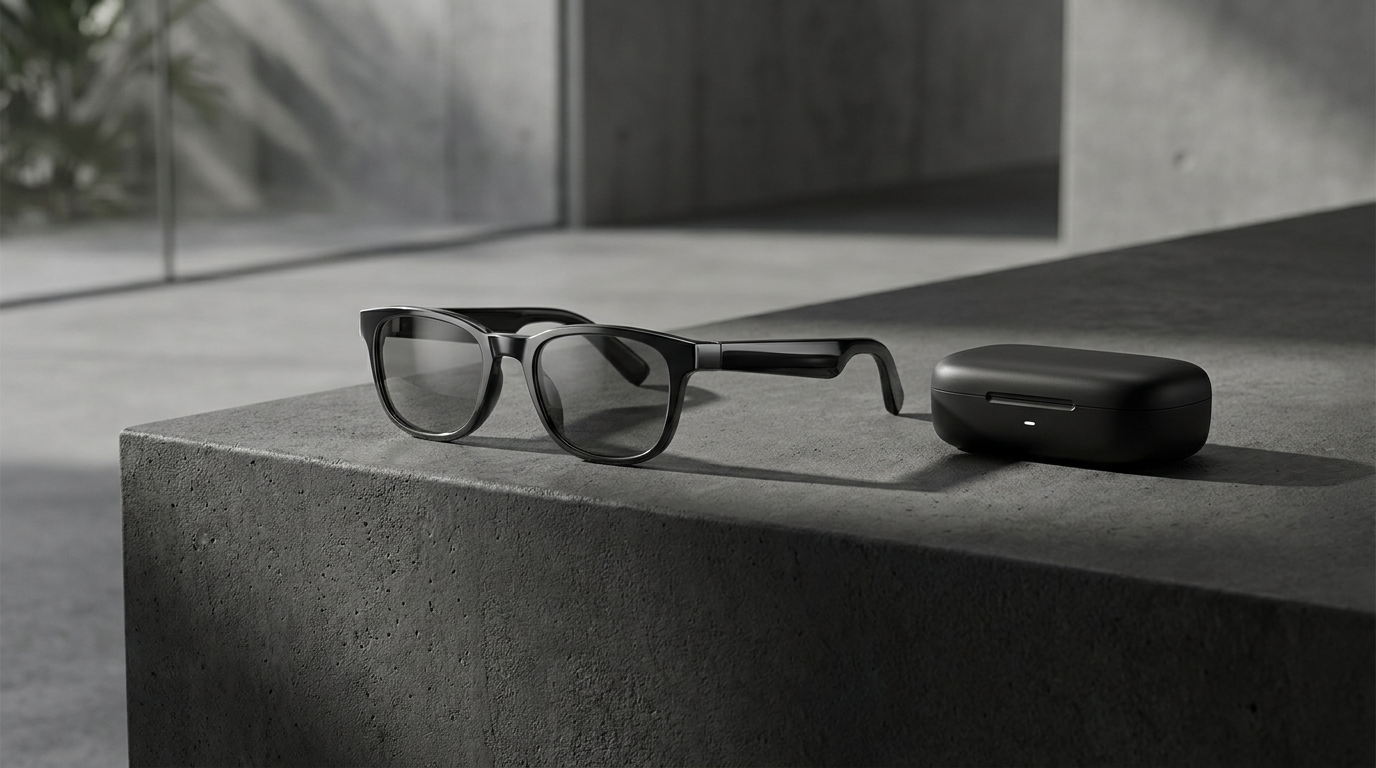
Smart glasses spent a decade trapped in an awkward compromise between geek chic and industrial safety gear, an aesthetic dead end that Google ironically helped cement back in 2013. Silicon Valley repeatedly tried to convince consumers that raw optical capability outweighed personal style. They were wrong. The path to ubiquity has always run through fashion houses, not semiconductor fabs.
Enter the Google and Gentle Monster partnership. It is a tripartite coalition pairing Google’s software intelligence with Seoul’s most disruptive luxury eyewear house and Samsung’s precision hardware engineering. Together, they represent Google’s second coming in ambient face-worn computing—this time stripped of corporate hubris.
This is not a concept experiment or an enterprise test run. It is a calculated strike against the consumer eyewear market, positioning Google Gemini as an invisible, everyday assistant encased in frames people would actually buy for their looks alone.
Gentle Monster has spent the last decade rewriting luxury retail, building an obsessive global following around avant-garde frames and museum-grade physical spaces. The Korean brand is no stranger to consumer electronics, having previously flirted with smart frames alongside Huawei. But aligning with Google signals a far more ambitious leap into agentic, multimodal artificial intelligence.
Google, meanwhile, has watched Meta and EssilorLuxottica conquer the everyday audio-and-camera eyewear category with near-zero opposition. Rather than trying to design an in-house consumer frame again, Mountain View chose to stay in its lane: supply the foundation via Android XR, anchor the intelligence in Gemini, and outsource the industrial hardware to Samsung.
The target demographic here is deliberate. Google and Gentle Monster are bypassing factory floors and developer dungeons to target the creative class, fashion enthusiasts, and affluent tech minimalists who want ambient intelligence without looking like a walking diagnostic tool.
The core product bearing this vision is the Gentle Monster Intelligent Eyewear, currently listed for preorder at $449 to $489 depending on the chosen frame and lens combination. It marks an aggressive consumer price point that undercuts boutique AR headsets while sitting right in the sweet spot of designer acetate frames. Deliveries are slated for December 10, 2026, with an initial US focus and no confirmed European release dates yet.
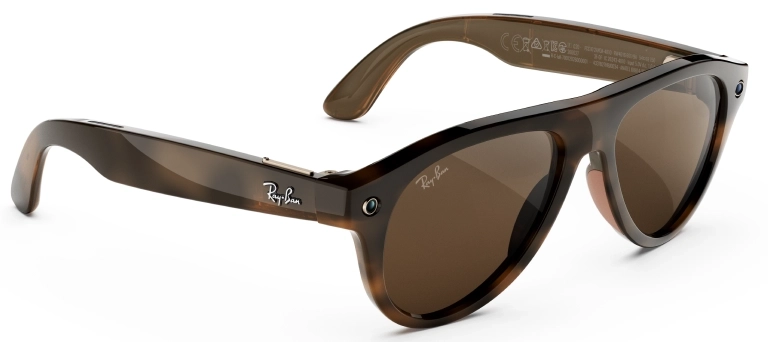
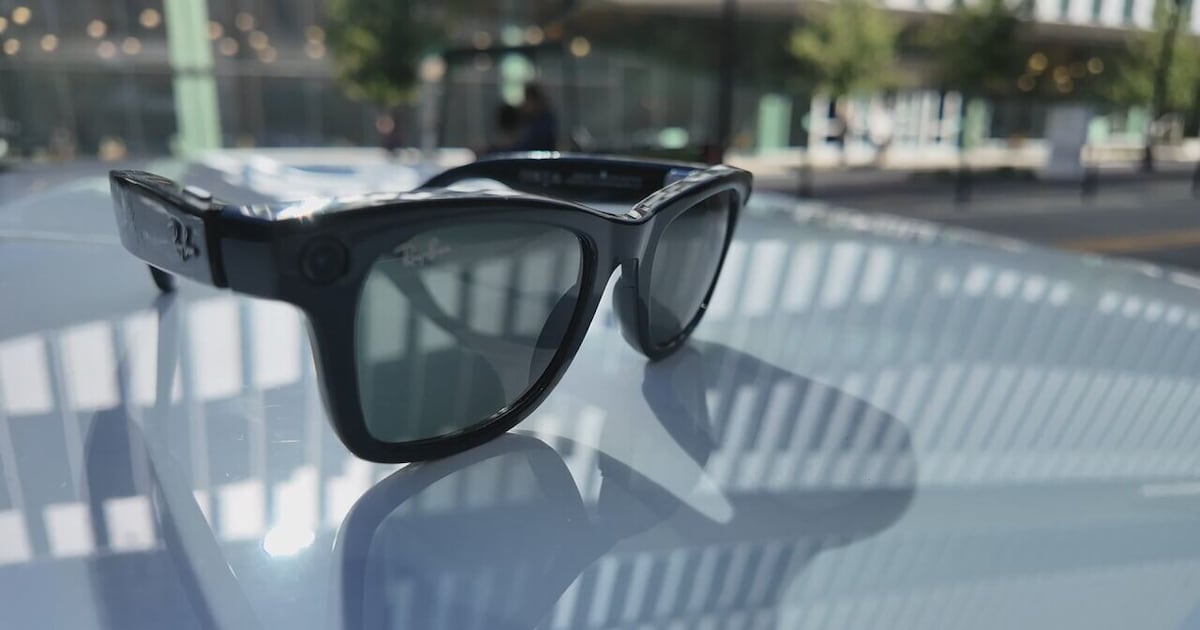
Gentle Monster’s signature design philosophy anchors the entire hardware pitch. Instead of shoehorning buyers into a solitary, bulky silhouette, the collection will launch across six distinct styles and 16 variants. Frame weights land between 40 and 44 grams, averaging around 41g—a packaging triumph that puts it on par with standard, non-electronic eyewear.
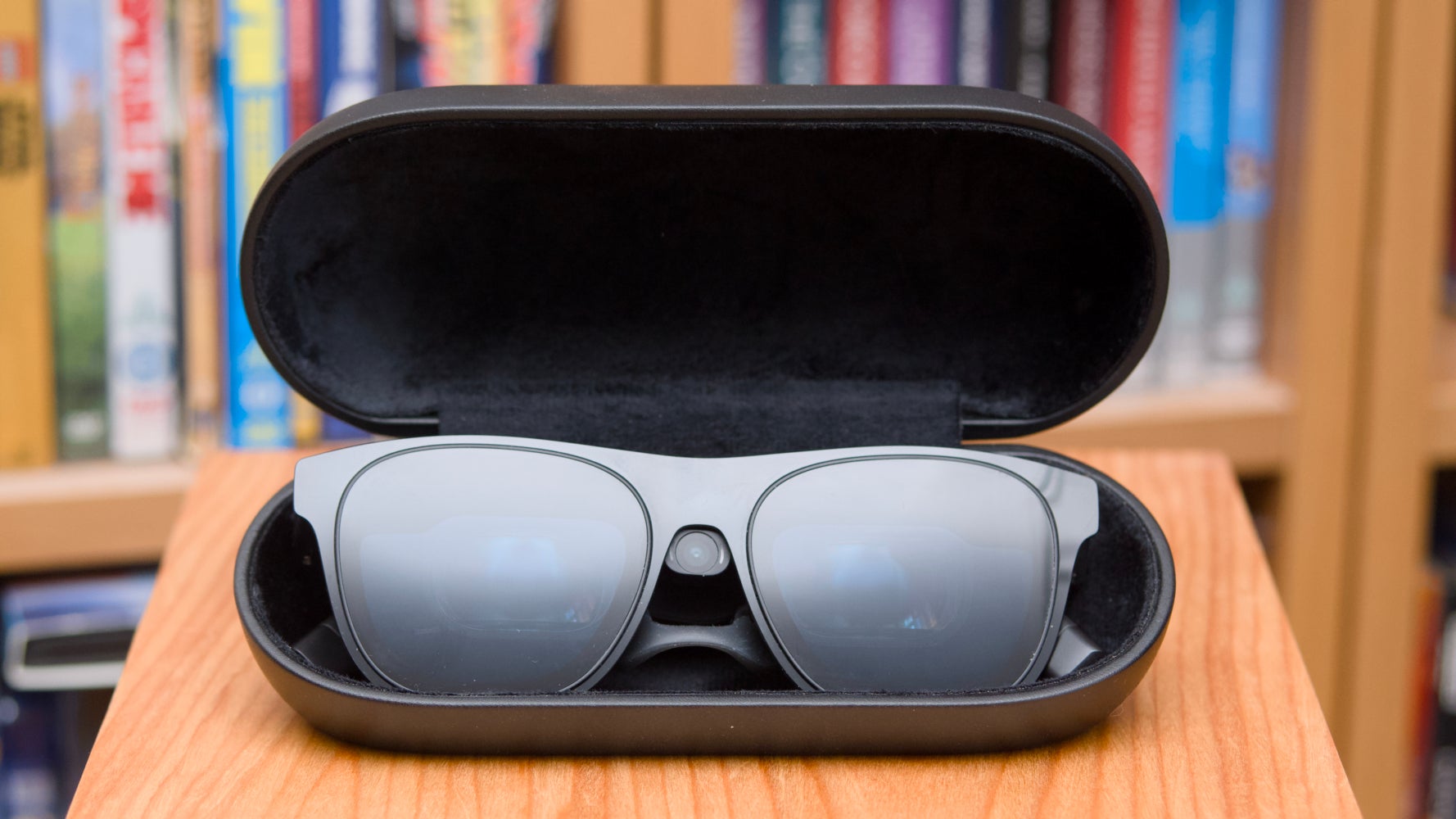
Underneath the sculptural acetate, Samsung’s hardware runs on Android XR. The frames pack an onboard camera for environmental capture and are rated for 9 hours of battery life on a single charge. If Samsung and Google can hit that 9-hour operational benchmark in real-world scenarios, it will comfortably outlast most contemporary consumer camera frames on the market.
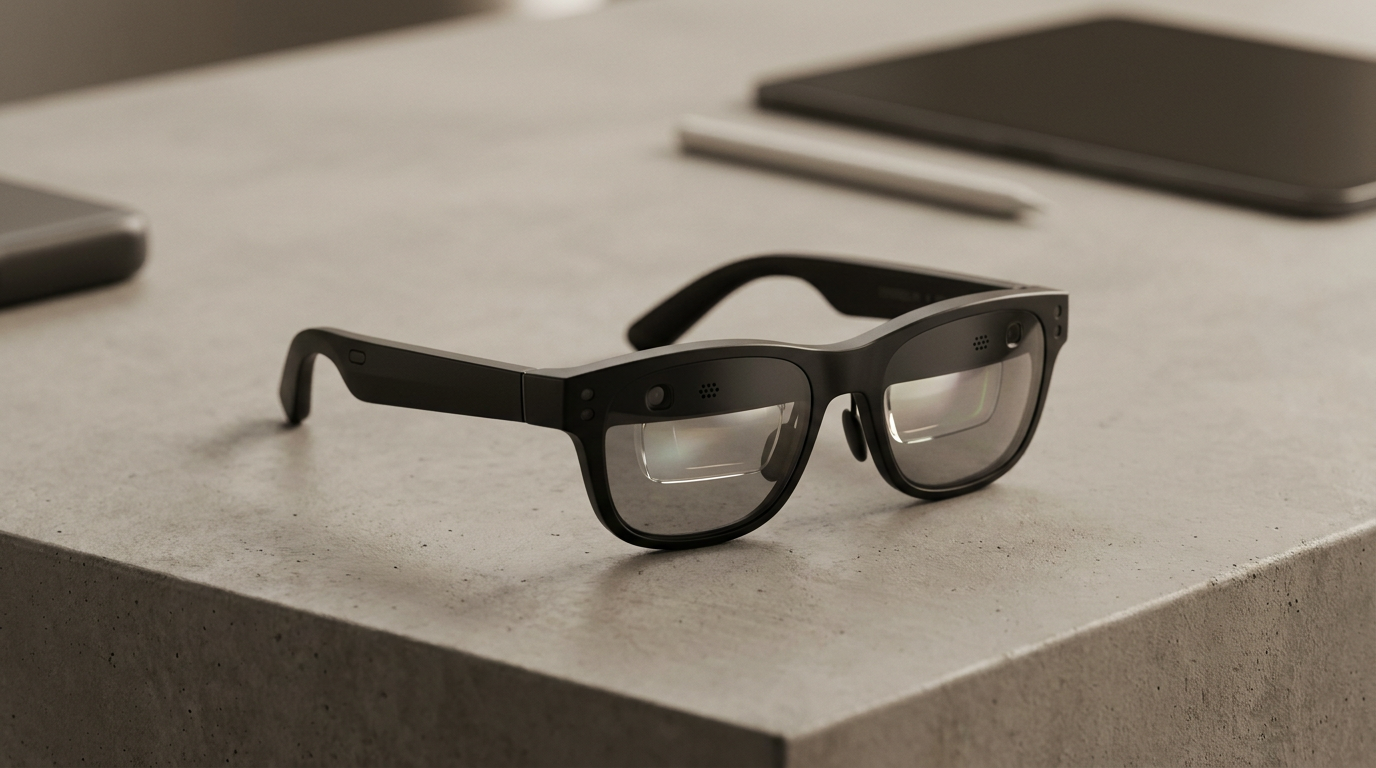
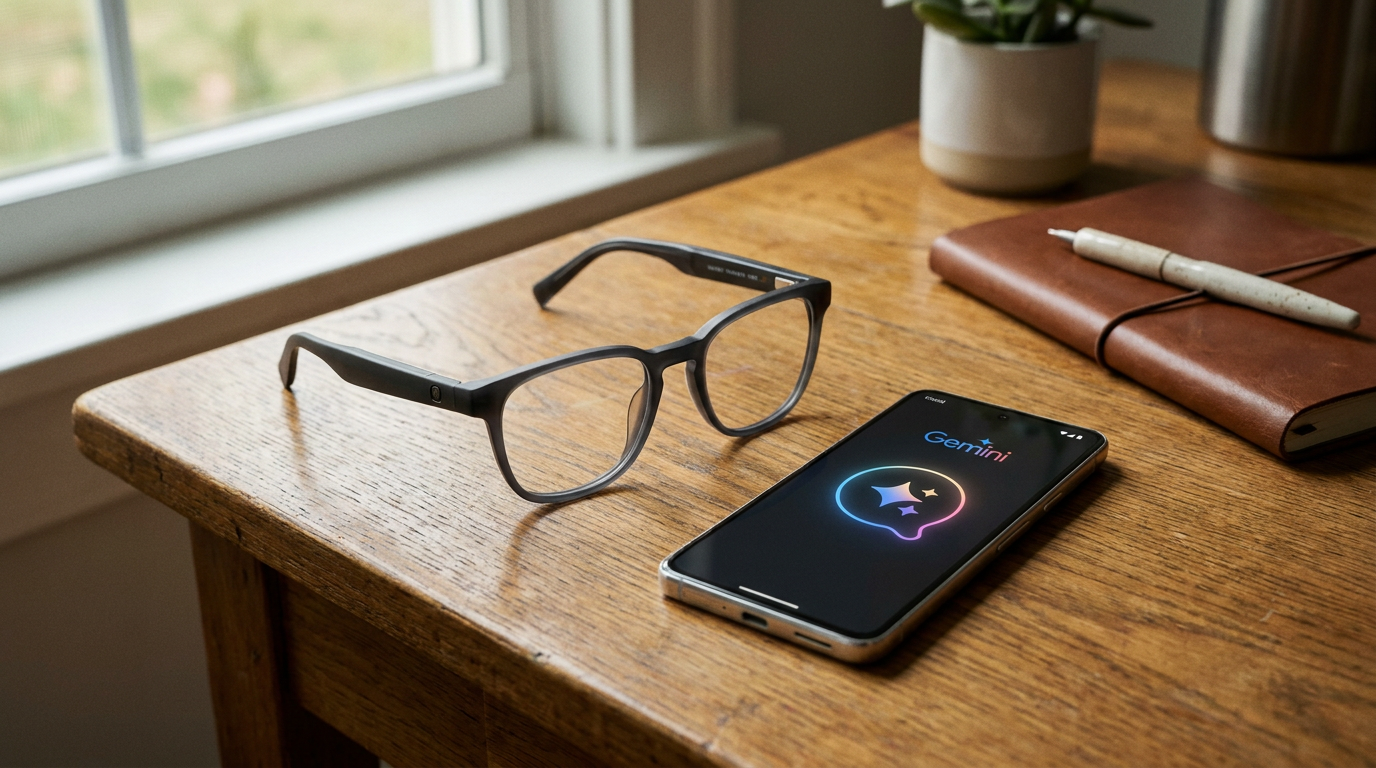
The intellectual core is Google Gemini. Rather than relying on simple voice-command parsing, the system is tuned for real-time visual query analysis, live context translation, and agentic notifications. By ditching bulkier waveguide displays in favor of a clean camera-and-audio setup, Google is betting that invisible AI will outperform low-resolution heads-up displays.
This design philosophy creates a stark contrast with competitors in the broader eyewear landscape. Consider SmartXY and its K900 ODM platform, which builds utilitarian camera frames optimized for livestreamers and independent hardware vendors. While SmartXY offers open hardware utility for tinkerers, Gentle Monster delivers an untouchable luxury identity with polished, unified Android XR integration.
The divide is even sharper against dedicated enterprise hardware makers like Vuzix. With the Z100 and Shield, Vuzix engineers high-durability smart glasses meant for field technicians, logistics centers, and rugged industrial workflows where safety ratings matter more than silhouette. Similarly, niche platforms like Monako target developers with focused AI coding workstation glasses. Gentle Monster makes no pretense of replacing your dual-monitor workstation or guiding a warehouse picker through a pallet aisle.
Instead, Google and Gentle Monster are targeting lifestyle permanence. They are conceding the heads-up display space to enterprise specialists in exchange for making the most wearable, culturally resonant AI accessory on the market.
The Gentle Monster Intelligent Eyewear is aimed squarely at the design-forward consumer who has rejected smart glasses on aesthetic grounds. Its primary strength lies in its industrial restraint: hitting a 41-gram weight profile across 16 frame variants is a masterclass in packaging. Its most glaring liability is the calendar. A delivery target set for late 2026 is an eternity in AI hardware, giving incumbents ample runway to close whatever software gaps currently exist.
Over the next 12 months, watch how Google seeds Android XR into the wider developer community and whether Samsung can pull that shipping timeline forward. If this alliance delivers the promised 9-hour battery alongside instantaneous Gemini visual inference, Google will have finally exorcised the ghost of its early eyewear stumbles.
Interactive guide: prices, displays, cameras, battery.
Share this story