Guides · Google / Warby Parker
Google and Warby Parker's Smart Glasses Play: What to Know
Google teams up with Warby Parker and Samsung to deliver lightweight Gemini-powered smart frames. Here is everything you need to know about the specs, timeline, and competitive stakes.
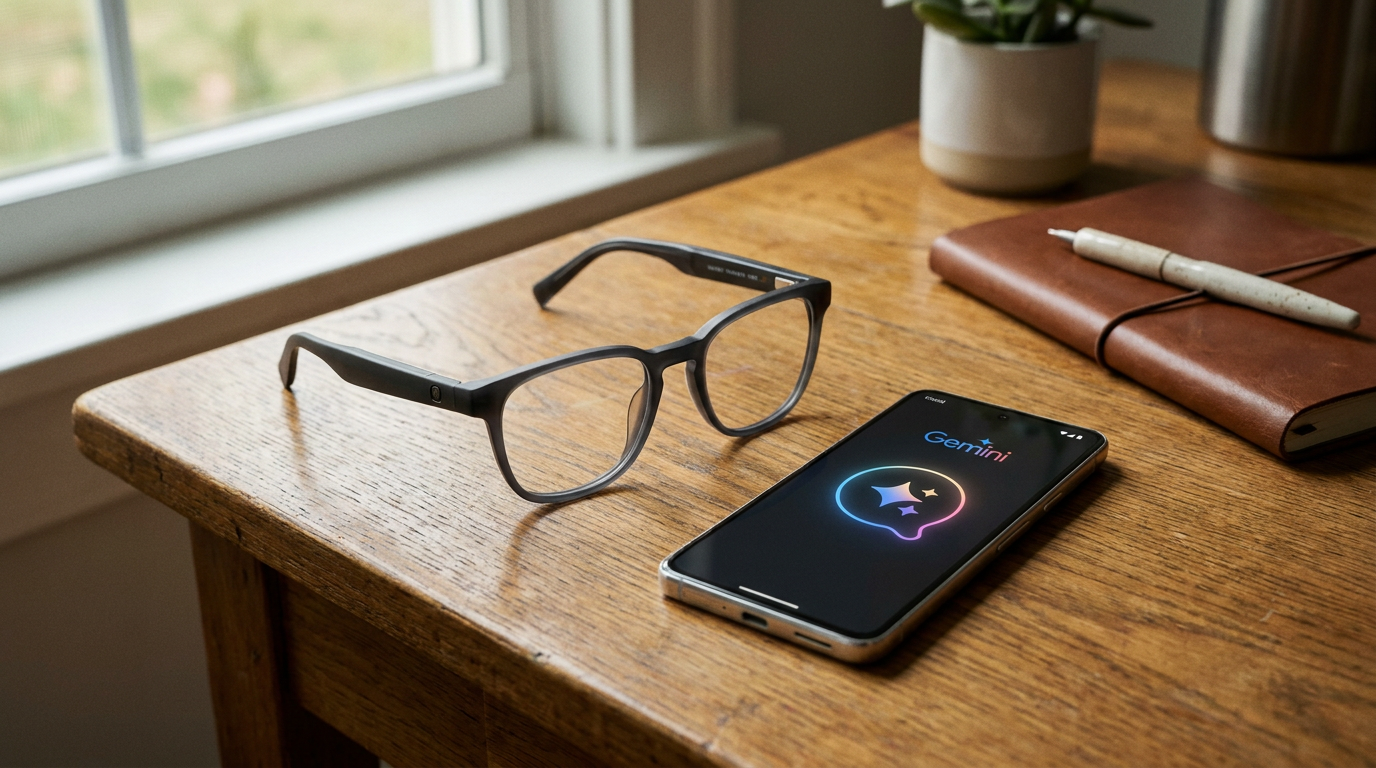
Google has spent over a decade attempting to exorcise the ghost of Google Glass. The fatal flaw of Mountain View's first foray into face-worn computing was never the code; it was the utter refusal to acknowledge that human beings care deeply about aesthetic presentation. The solution to that decade-old failure wasn't another Silicon Valley engineering showcase. It was quietly outsourcing cultural credibility to an optical brand that actually understands how everyday consumers buy glasses.
The result is the Google and Warby Parker alliance. It is a calculated, pragmatic marriage of convenience. Warby Parker supplies the optical retail footprint, consumer goodwill, and timeless acetate silhouettes. Google provides the artificial intelligence backbone via Gemini and Android XR, while Samsung quietly acts as the industrial engine under the hood, handling the precision hardware fabrication.
This is not a high-concept research project destined to die inside an advanced R&D lab. It is an aggressive, consumer-ready play aimed squarely at the emerging AI eyewear category, designed to establish an alternative ecosystem before Meta and Luxottica run away with the market entirely.
To understand why this partnership matters, you have to look at the scars on Google's resume. After the consumer backlash against Google Glass in 2013 and a quiet decade spent selling industrial editions to factory managers, Mountain View understood that tech specs without cultural buy-in are toxic. Attempting to build an in-house eyewear brand was a proven dead end.
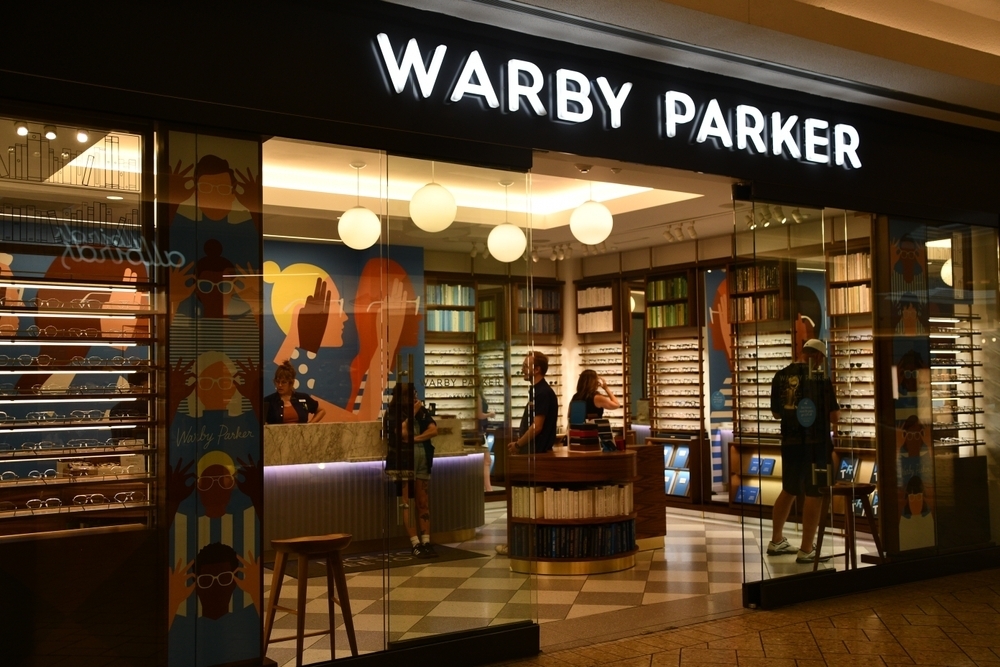
Warby Parker, on the other hand, spent the last fifteen years dismantling traditional optical retail. They built an empire on direct-to-consumer frames, easy prescription fulfillment, and approachable brick-and-mortar storefronts across North America. For Warby, smart eyewear is not an existential tech crusade; it is the natural evolution of corrective lenses into ambient digital interfaces.
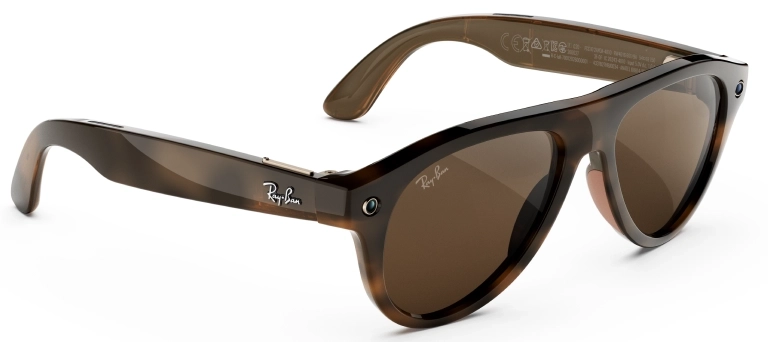
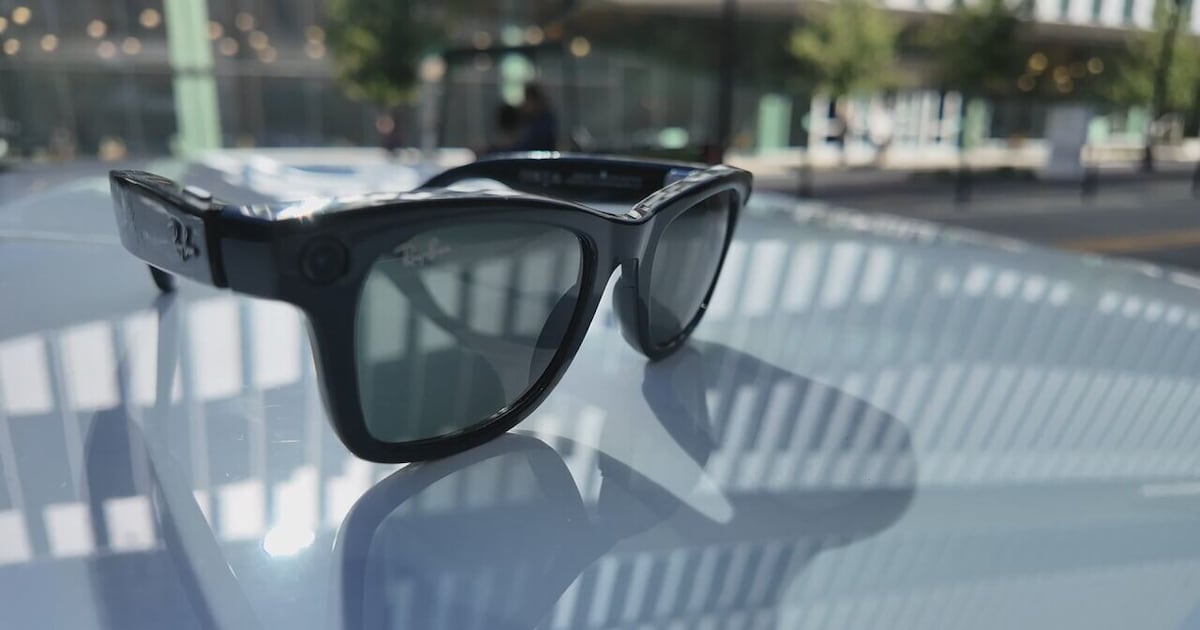
Together, the pair is targeting the massive demographic of daily prescription wearers and tech enthusiasts who want multimodal assistance without strapping an obvious computer to their nose bridges. It is an explicit counterpunch to Meta's Ray-Ban dominance, matching retail distribution with heavyweight platform integration.
The timing is driven entirely by the maturation of ambient intelligence. Until recently, smart audio glasses were little more than glorified open-ear headphones with limited voice commands. The arrival of Google's Gemini models fundamentally shifts the value proposition, transforming ordinary spectacles into an ambient context engine that interprets what you see and hear in real time.
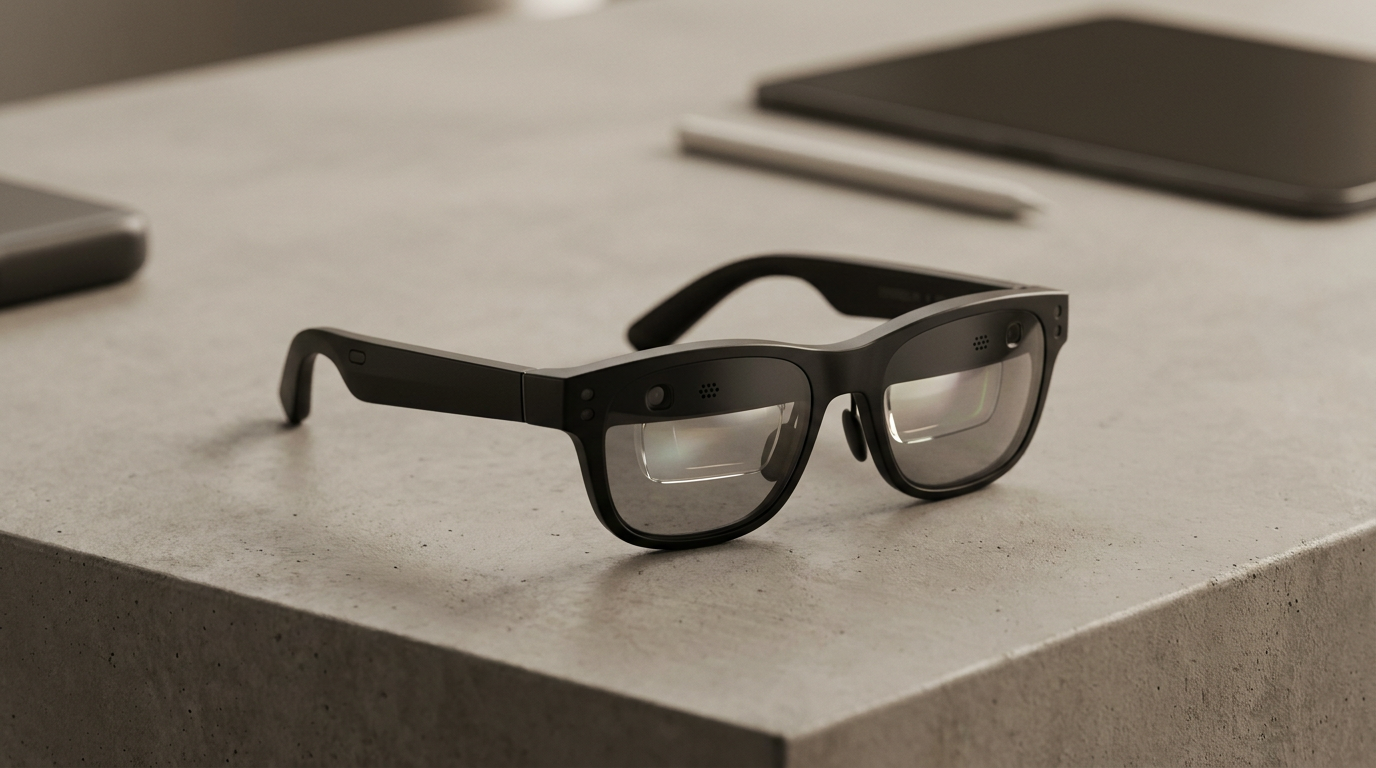
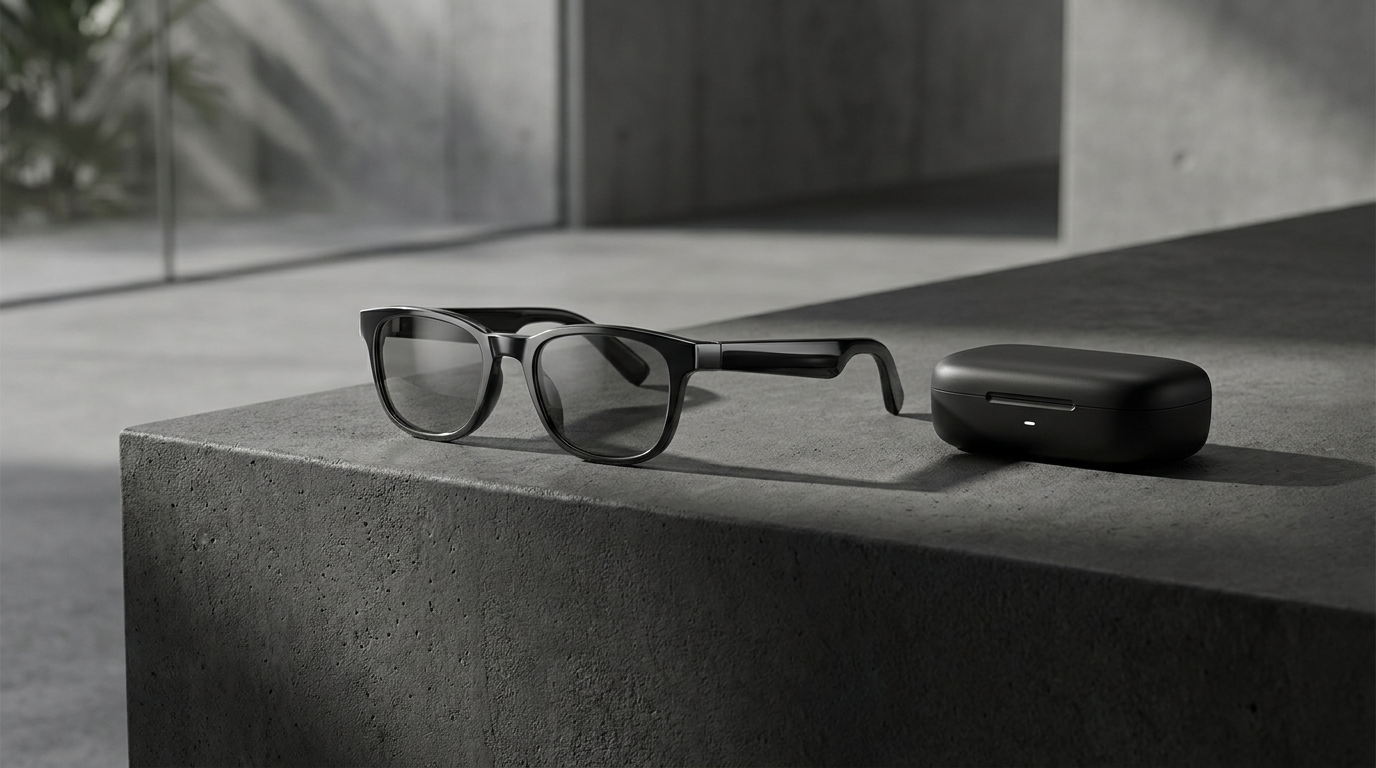
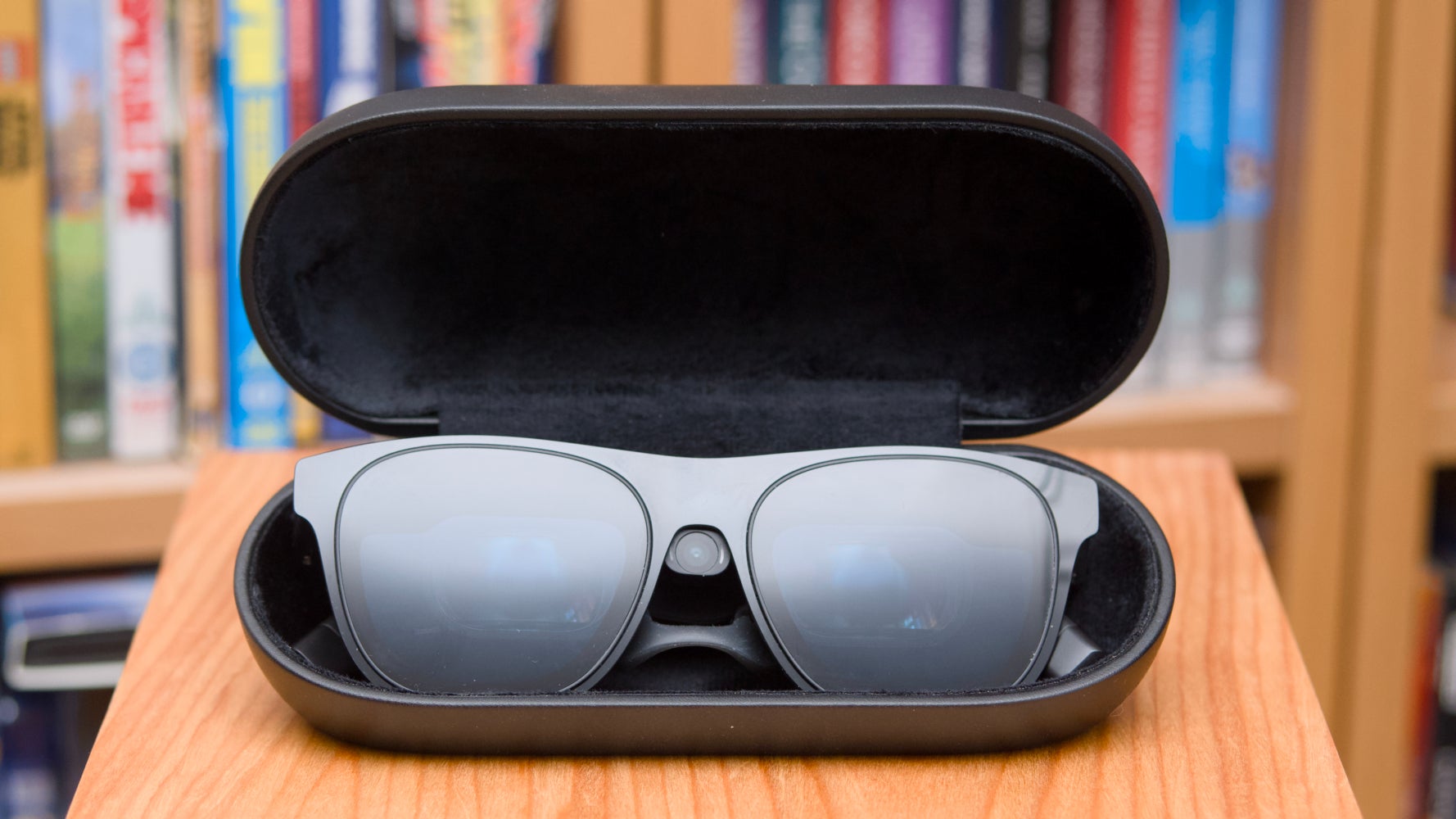
The hardware spearheading this initiative is the Warby Parker Intelligent Eyewear. Priced at $395 and currently open for preorder, the frames adopt an aggressively subtle industrial design language. There are no garish LEDs, oversized modular temples, or sci-fi flourishes. To the casual observer, they are simply standard Warby Parker frames.
At launch, the lineup spans three established Warby styles: the Alden, Reid, and Wren. Depending on the frame geometry, total system weight registers between 40 and 44 grams, hitting an average mark of 41 grams. That featherweight profile is a remarkable engineering feat, executed by Samsung, keeping the glasses well within the threshold of all-day physical comfort.
Inside the acetate chassis, the specs reveal a focused, highly optimized architecture. The frames pack 2GB of RAM and 64GB of onboard flash storage, running an adapted build of Android XR tailored specifically for audio-visual smart eyewear. Up front sits a discreet camera module integrated with Google Gemini's vision pipeline, all supported by a claimed nine-hour battery life that covers a full working day.
The catch, however, lies in the roadmap. Preorders are open, but retail fulfillment is pushed back to December 10, 2026. Furthermore, Google and Warby Parker have yet to confirm European launch dates or regional carrier partnerships, effectively limiting this first wave to patient North American early adopters.
When positioned against the broader landscape of head-worn computing, Google and Warby Parker are taking an entirely distinct tactical lane. Apple went maximalist with the Vision Pro, delivering breathtaking display fidelity wrapped in an isolating, heavy, $3,500 spatial computer while its rumored lightweight glasses remain years away. Google and Warby Parker completely bypassed displays to prioritize wearability, everyday social acceptance, and accessible pricing.
The contrast is equally stark against enterprise-centric veterans. Microsoft spent billions cementing the HoloLens 2 into specialized defense and industrial niches, producing heavy mixed-reality visors that would never survive a casual trip to a coffee shop. Lenovo has carved out practical enterprise niches with the ThinkReality A3 and targeted consumers with Legion Glasses, but those devices remain tethered display monitors rather than standalone ambient companions.
At $395, the Warby Parker Intelligent Eyewear undercuts full-bore mixed reality headsets by thousands of dollars while completely shedding data cables. The obvious trade-off is the absence of any heads-up display. Warby Parker and Google are betting that audio, cameras, and Gemini's contextual intelligence are far more valuable to mainstream consumers than floating virtual screens.
The Smart Glasses Daily verdict: This is the most aesthetically grounded and commercially viable consumer hardware initiative Google has backed in a decade. Strengths are substantial: authentic frame styling, an accessible $395 price tag, Samsung's manufacturing discipline, and native Gemini multimodal smarts. The most glaring weakness is the distant December 2026 delivery window, which leaves the door wide open for competitors to iterate before these frames ever ship.
Over the next 12 months, watch for how Google builds out developer tooling for Android XR on display-free form factors, and whether Warby Parker can accelerate its manufacturing timeline. If Google and Warby Parker can ship this exact package without software bloat, they will finally make ambient smart eyewear an everyday reality instead of a Silicon Valley punchline.
Interactive guide: prices, displays, cameras, battery.
Share this story