News · Meta
Campus Pushback: Georgia Tech Students Raise Alarms Over Meta AI Glasses
As Meta smart glasses become ubiquitous, college students express unease over subtle recording indicators and covert surveillance in academic spaces.
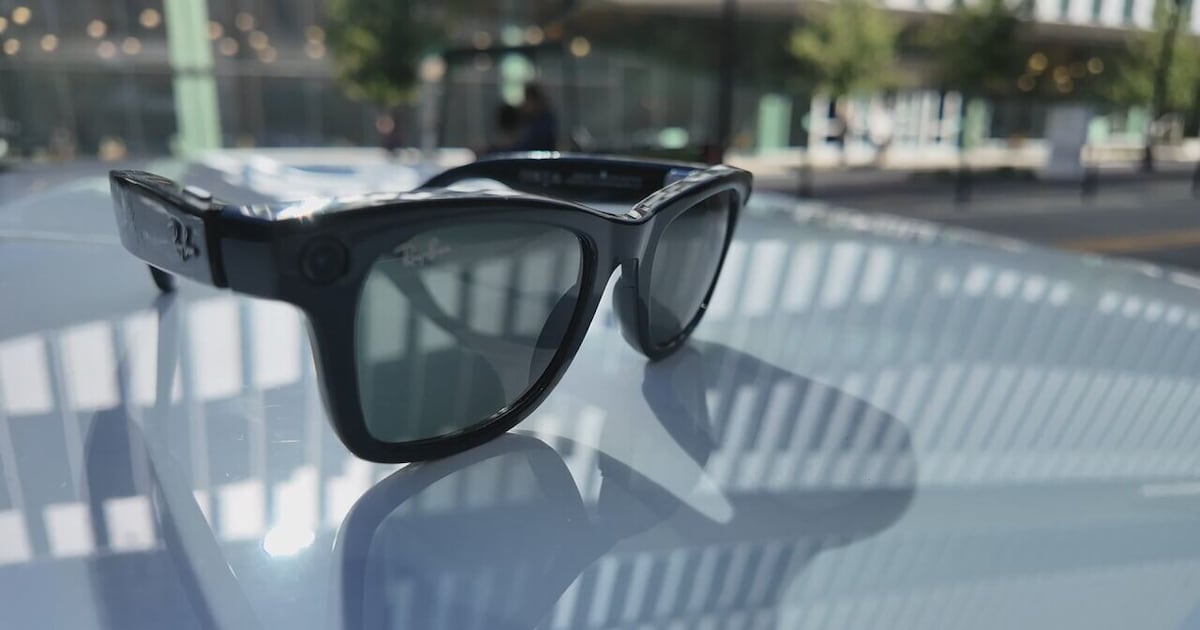
On November 11, 2026, local Atlanta broadcaster wsbtv.com reported on mounting privacy anxieties surrounding Meta smart glasses among university students. As camera-equipped eyewear gains mainstream traction, collegiate environments like the Georgia Institute of Technology are emerging as key flashpoints for social friction, surveillance concerns, and public discomfort with inconspicuous capture tech.
Reporting by Tom Regan for wsbtv.com highlights growing wariness from students who feel vulnerable to covert filming. Georgia Tech student Gia Pisicchio told the outlet that while traditional broadcast or smartphone cameras are obvious, smart glasses create persistent ambiguity. "Obviously with your giant camera, I know I'm being recorded because there's no light on it... but those (smart glasses) they could be off or on. And I don't know," Pisicchio told wsbtv.com. Another Georgia Tech student, Hufsa Qidwai, said unwanted recordings have become a tangible worry across campus, pointing specifically to incidents involving sexual harassment.
Meta equipped its Ray-Ban smart glasses with a front-facing capture LED designed to illuminate whenever photo or video capture is engaged. The hardware includes tamper-detection sensors intended to shut down the cameras if the LED is taped or obscured. However, critics and privacy advocates have repeatedly pointed out that in bright daylight, ambient sunlight, or across a crowded room, a small white light is barely perceptible. In bustling student unions, lecture halls, or athletic facilities, bystanders rarely notice when someone taps the temple arm or gives a voice command to shoot video.
The tension mirrors debates that first arose during the Google Glass era more than a decade ago, though modern form factors disguise optics far more effectively. Outlets like The Verge and Wired have long tracked how smart glasses manufacturers grapple with public surveillance, highlighting that social acceptance remains a steeper hurdle than technical miniaturization. While makers like Snap and Meta have adhered to hardware-level notification lights, university campuses remain sensitive microcosms where personal boundaries, privacy expectations, and communal living clash directly with always-ready consumer sensors.
What this means: Hardware indicators alone will not resolve the social friction of head-worn cameras. While Meta has refined the aesthetics of the Ray-Ban line to make them indistinguishable from standard designer frames, that very design victory exacerbates bystander paranoia. When eyewear looks completely normal, every glance feels ambiguous. Unless manufacturers adopt more prominent, active tally signals or academic institutions draft clear policies governing head-worn recording in private and semi-private spaces, expect collegiate bans and public friction to accelerate.
Interactive guide: prices, displays, cameras, battery.
Share this story