Guides · Meta
Ray-Ban Meta Gen 3 Sets the 2026 Benchmark for Audio AI Glasses
Meta third-generation smart glasses lead the audio wearable pack with 3K video, nine-hour battery life, and mature multimodal AI features.
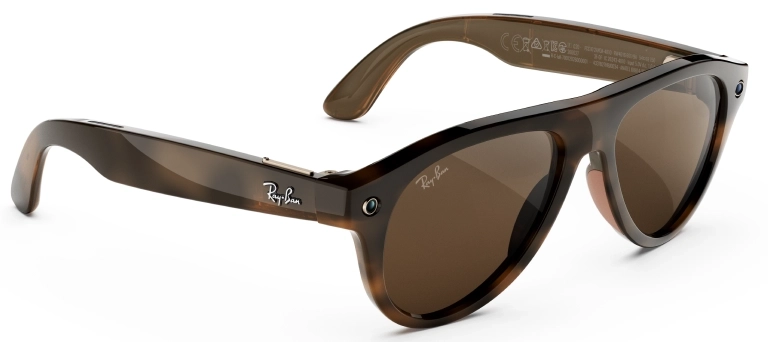
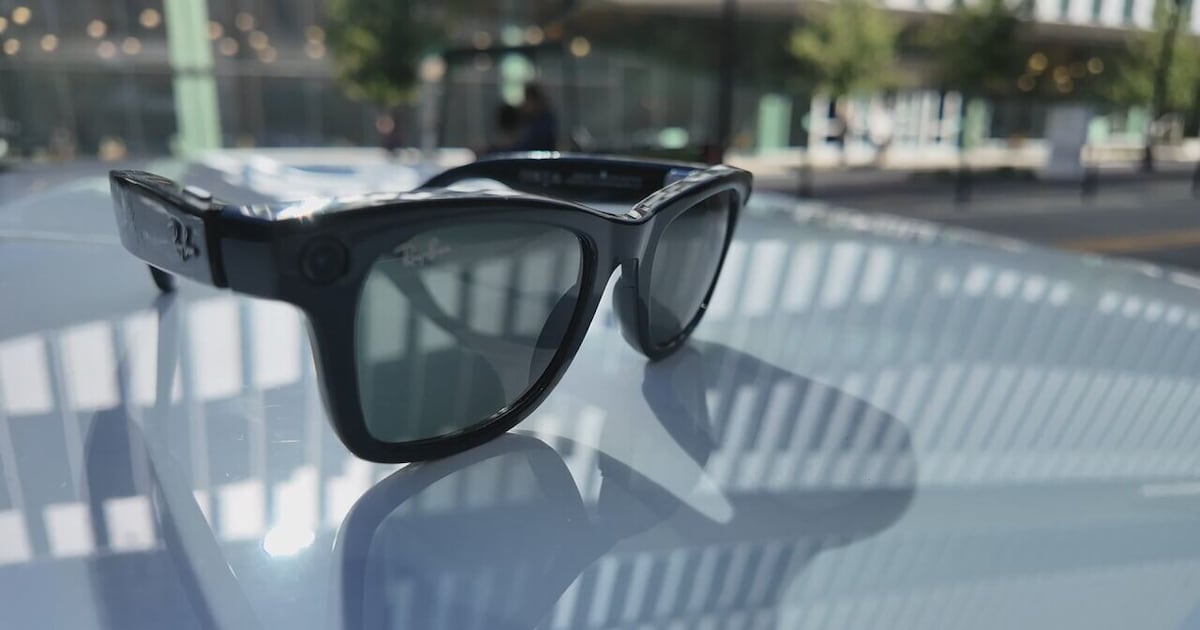
On November 13, 2026, techtimes.com highlighted the standout contenders in modern smart eyewear, positioning the Ray-Ban Meta Gen 3 as the definitive baseline against which all consumer AI wearables are judged. While rival hardware makers experiment with optical waveguides and heads-up displays, Meta continues to bet on a display-free format that blends everyday fashion with unobtrusive voice-driven assistance at a $449 price point.
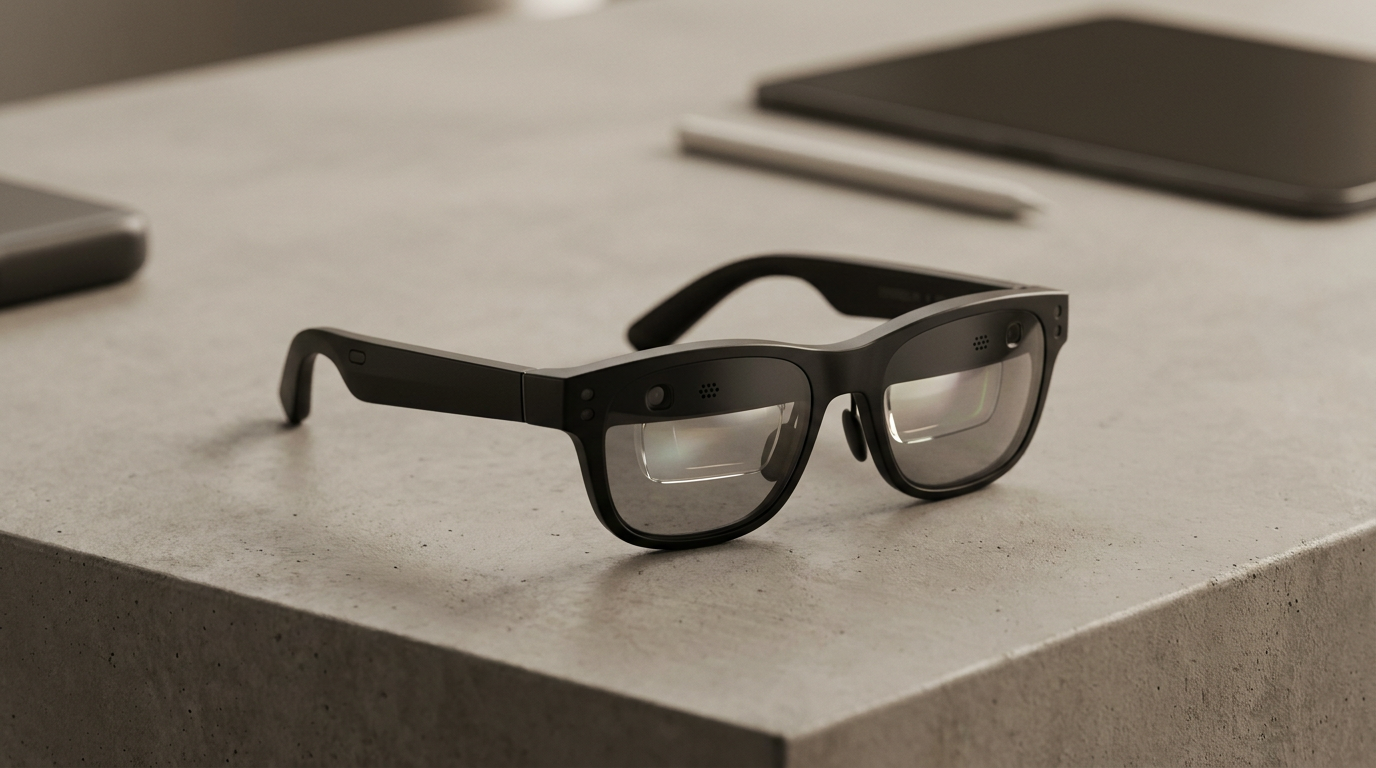
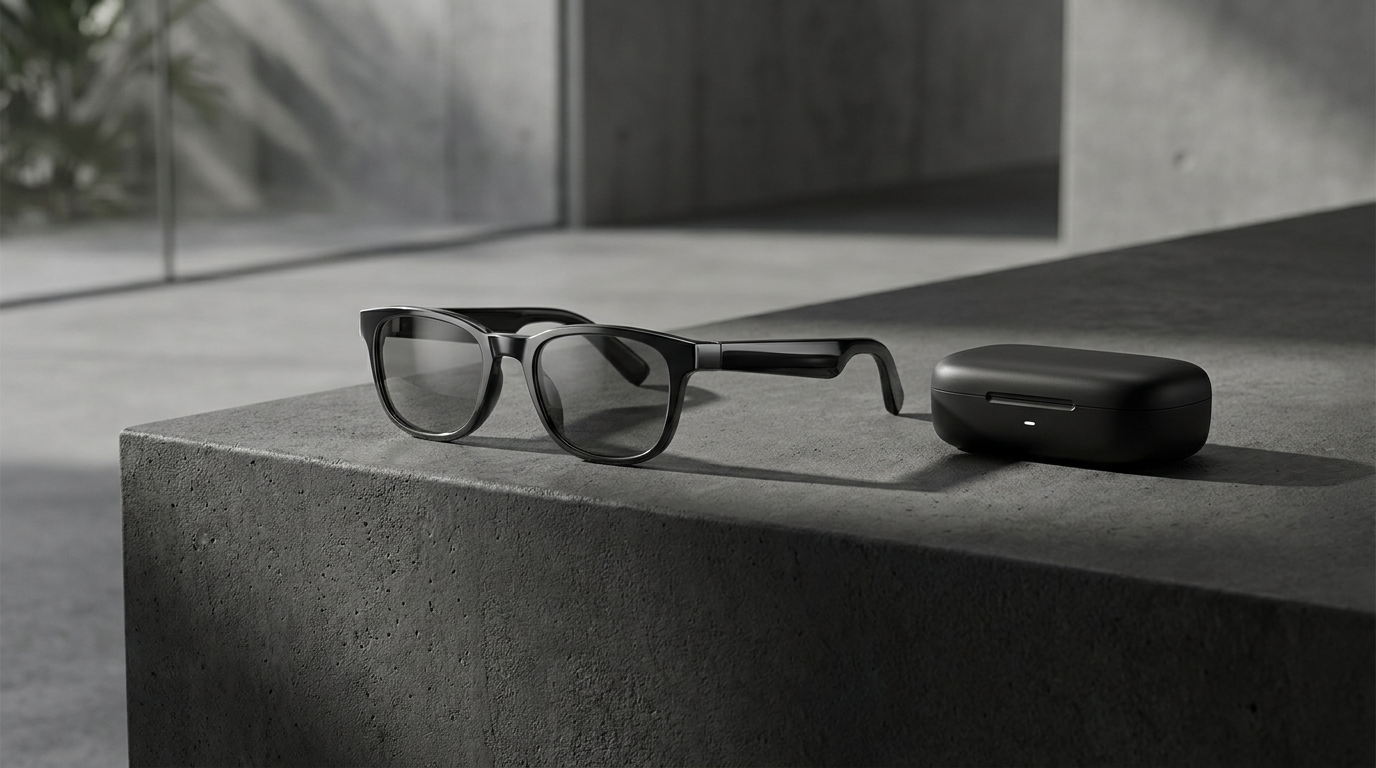
The third-generation frame introduces several refined hardware adjustments over earlier iterations. It integrates a 12-megapixel ultra-wide camera capable of recording 3K video at 30 frames per second, paired with open-ear speakers and a six-microphone array engineered to isolate voice capture in windy or loud environments. Meta rates the internal battery at up to nine hours of moderate use, while the redesigned charging case provides up to 50 additional hours of reserve power. Styling choices span 27 color and lens combinations across Wayfarer, Aviator, and Zena frames, with an IPX4 water resistance rating and broad prescription compatibility from minus 12.00 to plus 6.00.
On the software side, techtimes.com reporter Isaiah Richard notes that Meta AI has reached an advanced stage of refinement on the Gen 3 hardware, delivering sharper visual comprehension, faster live spoken translation, and more natural conversational cadences. Still, the software brings platform compromises. As reported in testing by Tom's Guide, Meta plans to utilize user AI chat interactions to assist in targeting advertisements across the United States. To address physical privacy concerns, the glasses feature an updated safety mechanism that automatically disables camera recording if the exterior recording indicator LED is covered or obstructed.
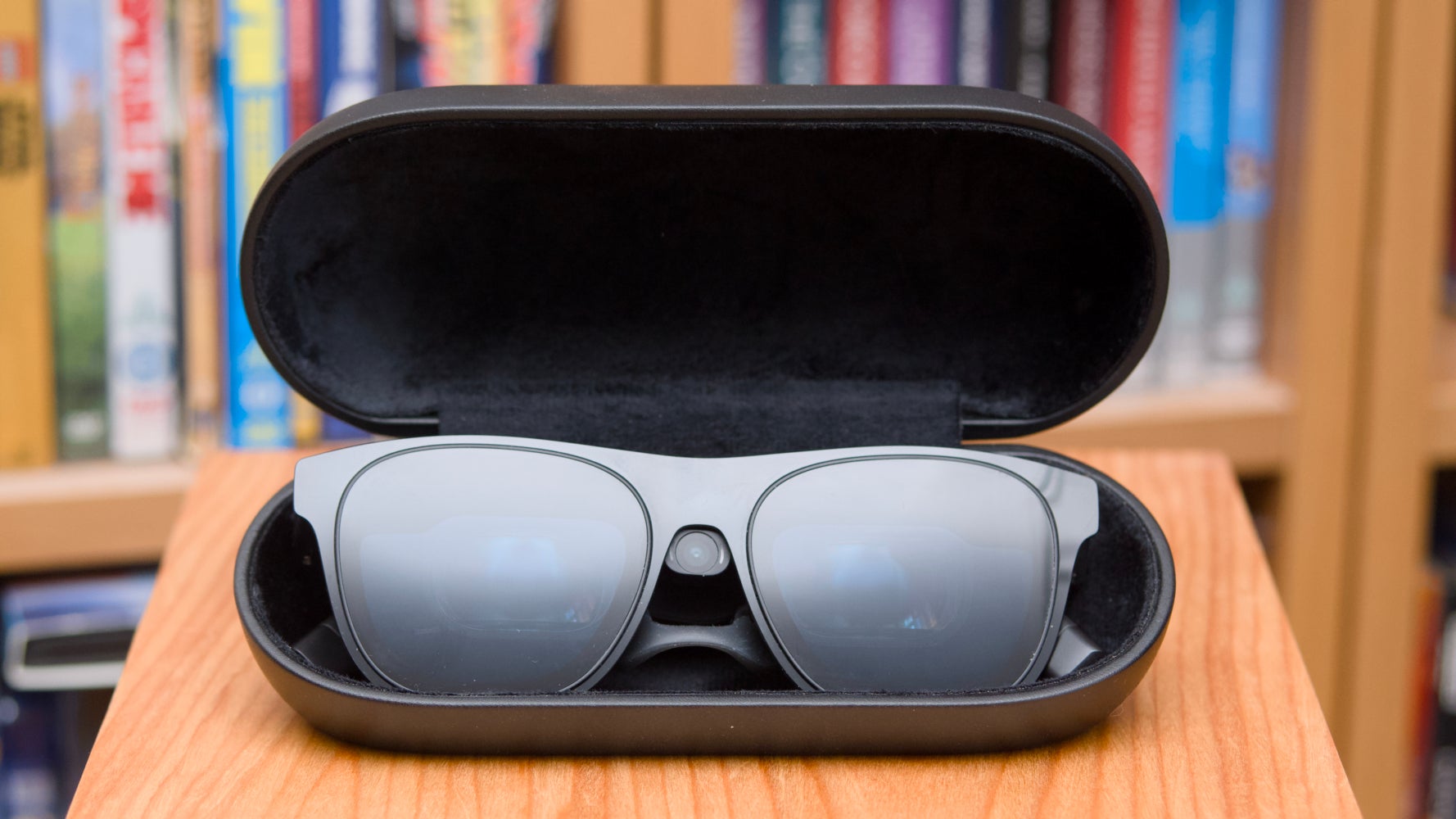
How it compares: The prior second-generation Ray-Ban Meta remains available at retail for $379, creating a direct value comparison for prospective buyers. The $70 premium for the Gen 3 delivers an added microphone for improved beamforming, an extra hour of standalone battery endurance, higher-resolution 3K video recording, and new frame silhouettes. However, shoppers seeking visual overlays or virtual monitor workspaces will find no HUD here, as Meta intentionally limits the device to auditory feedback and discrete ambient computing.
Our take: Meta decision to bypass micro-displays and optical engines on the Gen 3 remains its greatest asset. By avoiding bulky optics, the company preserves authentic Ray-Ban weight, balance, and aesthetics while pushing real-world battery life close to an entire working day. Nevertheless, tying conversational AI inputs to ad targeting could alienate enterprise users and privacy-conscious buyers. For mass-market consumers looking for frictionless point-of-view capture and fast visual queries, Meta holds the commercial crown, but display-equipped competitors still have a clear opening to define true visual AR.
Interactive guide: prices, displays, cameras, battery.
Share this story