
What Are Smart Glasses? A Plain-English Guide to Connected Frames
Learn what smart glasses are, how they work across five distinct hardware categories, what they can actually do today, and who should consider buying them.
Updated every month · November 2, 2026
Smart glasses are eyeglasses or sunglasses packed with digital technology, such as open-ear speakers, microphones, cameras, heads-up displays, or wireless processors. Instead of pulling a smartphone out of your pocket, connected eyewear lets you listen to music, take phone calls, record video, read quick text prompts, or query artificial intelligence directly from your face.
While early tech prototypes tried to cram every conceivable feature into a single heavy frame, modern smart glasses are divided into distinct categories. To understand how smart glasses work and what they can deliver, you need to look at the specific hardware family, ranging from lightweight audio frames to fully immersive augmented reality systems.
The Five Families of Smart Glasses
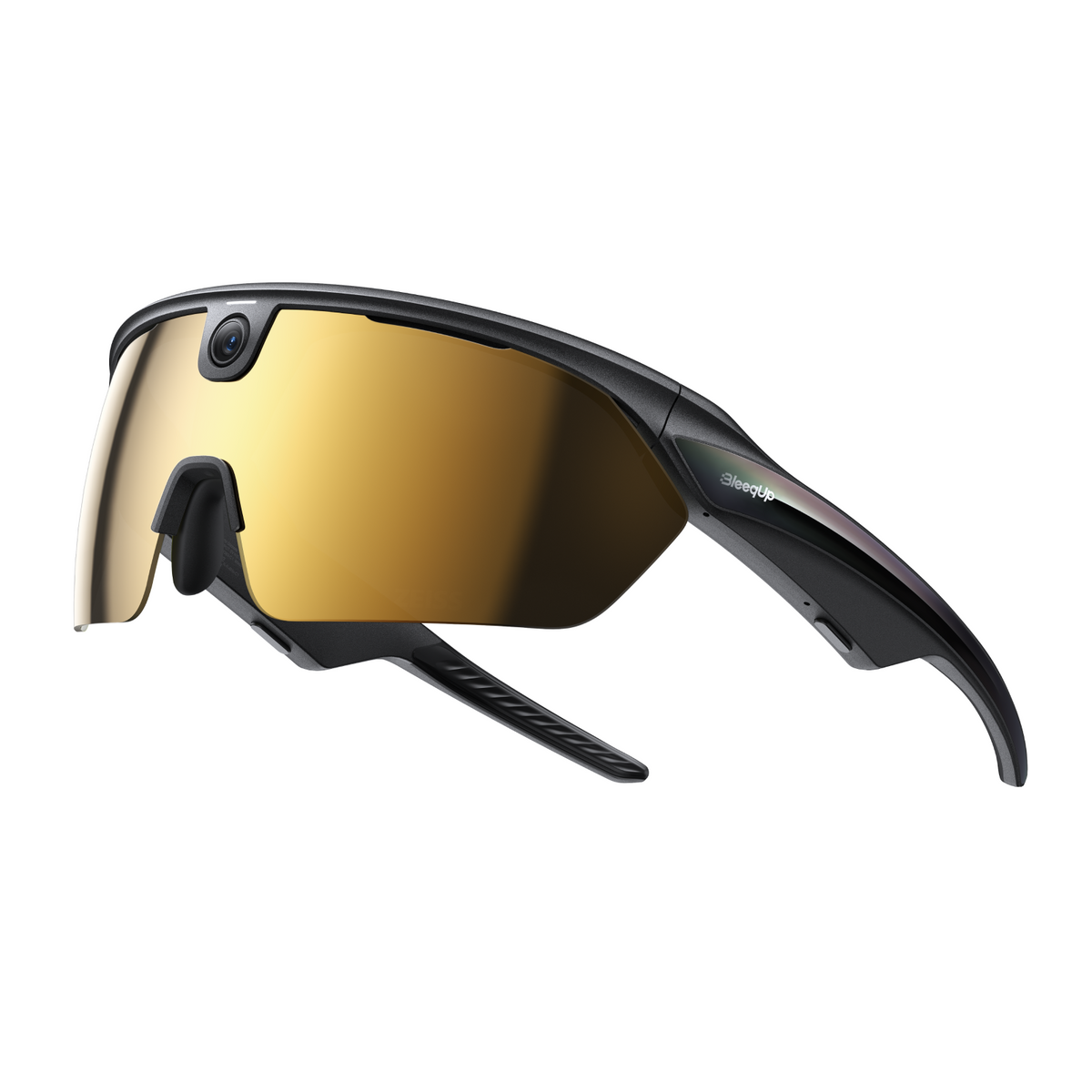
Smart glasses fall into five primary categories based on their built-in components and display technology. The first group is audio glasses, which skip cameras and screens entirely to focus on open-ear sound, microphones, and basic voice assistants. Examples include the 43-gram Ray-Ban Meta Audio ($349), the Chamelo Music Shield Gen 2 ($229), and ultra-budget options like the 35-gram BlackSheep BL30 ($17.95). The second group is AI camera glasses, which add camera sensors to capture first-person media and feed imagery to multimodal models. Prominent models in this class include the Ray-Ban Meta (Gen 3) ($449) with a 12MP camera, the Mentra Live ($349) with an 8MP sensor, and the 38.5-gram Rokid AI Glasses Style (Bolon) ($349).
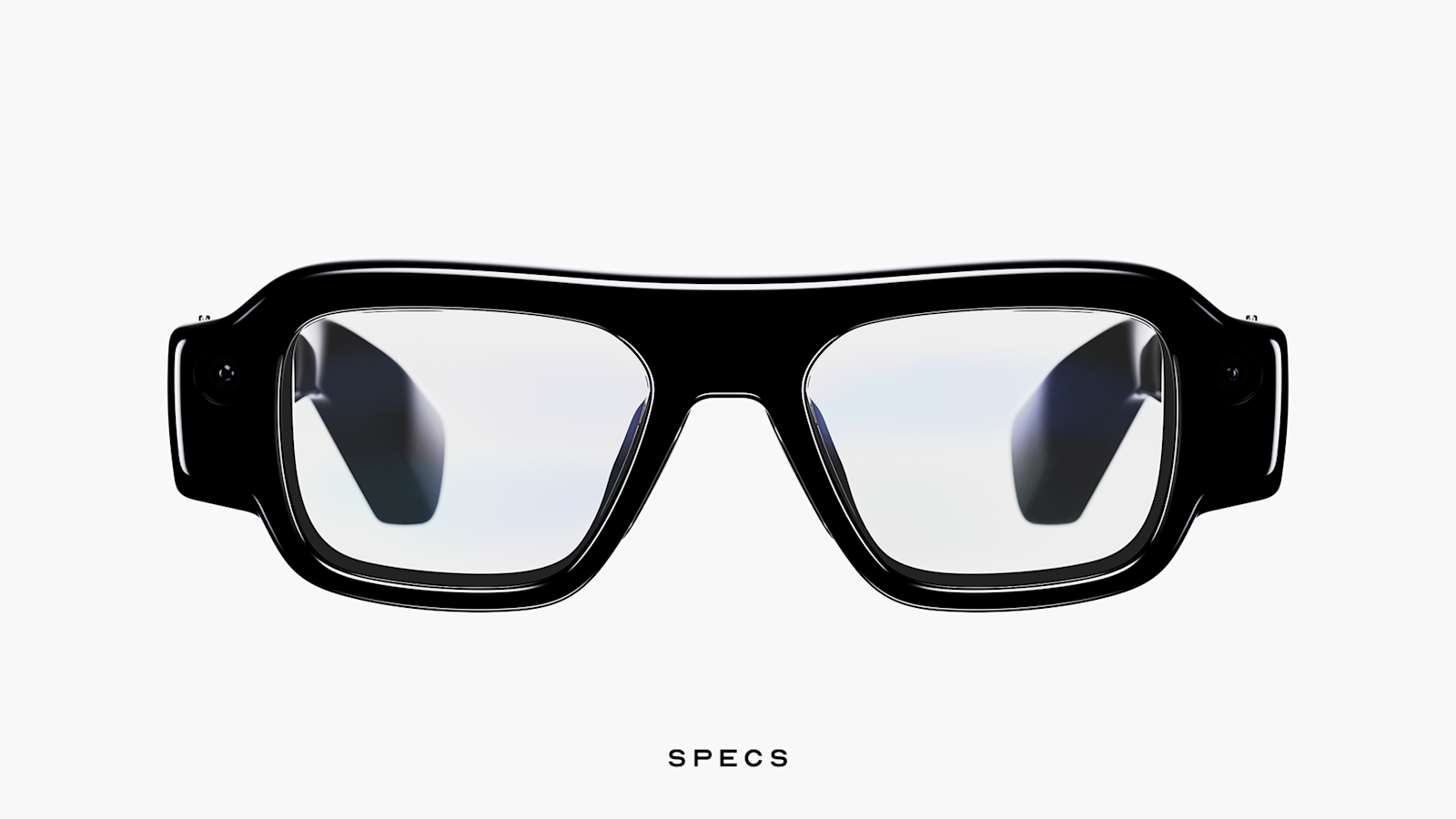
The third category is heads-up display (HUD) glasses, which project floating monochrome text or simple graphics into your field of view without covering your vision. Devices like the Even G2 ($599) use a 25-degree monochrome green micro-LED waveguide display with no camera, while the SmartXY AR99 weighs just 28 grams with a 30-degree green display. The fourth family is media display glasses, designed primarily to mirror your phone, laptop, or gaming console onto a simulated big screen using micro-OLED birdbath optics. Examples include the Viture Pro 2 ($299, 50-degree field of view) and the X By XREAL a01+ ($299, 62 grams). Finally, full augmented reality (AR) glasses overlay interactive 3D digital objects onto the physical world, represented by high-end systems like the Snap SPECS (2026) ($2195, 132 grams) and the RayNeo X3 Pro ($1899).
How Do Smart Glasses Work?
Every pair of smart glasses relies on miniature electronics embedded directly into the temples and frame front. Microscopic open-ear speakers sit near your ears, directing audio downward without plugging your ear canals, while directional microphones filter out ambient wind and street noise for voice calls. Frame-mounted cameras, such as the 12MP sensor on the Ray-Ban Meta Gen 3 Wayfarer or the 16MP camera on the Baidu Xiaodu AI Glasses, capture photos and video clips from your exact line of sight.
For models equipped with screens, visual information is generated by tiny light engines and routed into the lenses. HUD frames like the Halliday G2 ($599) and XGIMI MemoMind One ($599) use micro-LED projectors and transparent waveguides to route crisp monochrome green text into your eyes. Most smart glasses do not run all computing internally. Instead, they connect via Bluetooth or Wi-Fi to a paired smartphone, offloading heavy processing and mobile data to mobile operating systems and cloud models like Meta AI, Google Gemini, or ChatGPT.
What Smart Glasses Can and Cannot Do
Today's smart glasses excel at discrete audio and passive assistance. They let you listen to podcasts, conduct hands-free phone calls, and capture spontaneous photos or video without looking through a phone screen. HUD models can provide live teleprompting, notifications, or turn-by-turn navigation arrows right in your peripheral vision. Furthermore, media display frames like the 76-gram RayNeo Air 3s Pro ($299) allow travelers to view movies or spreadsheets on a simulated private theater screen while sitting on a plane or train.
However, smart glasses cannot replace your smartphone entirely, and battery limits remain a significant trade-off. Compact camera frames built for action recording, like the BleeqUp Rover ($459) or BleeqUp Ranger ($439), offer just 1 hour of battery life, while full AR systems like Snap SPECS run for about 4 hours. In contrast, screenless and non-camera HUD frames last much longer: the Ray-Ban Meta Audio provides 12 hours of battery, the Halliday G2 offers 12 hours, and the camera-free Even G2 lasts up to 48 hours. Field of view is also constrained, ranging from 20 degrees on the Ray-Ban Meta Display to 58 degrees on the Viture Beast.
Privacy, Legal Rules, and Daily Life
Privacy remains the central cultural debate surrounding smart glasses. As we reported, secret filming with camera glasses faces criminal penalties under French law, while political meetings in India have faced espionage concerns over attendees wearing camera-equipped frames. Because glasses point wherever your head turns, bystanders frequently express discomfort around recording hardware. People have even tested viral hacks like playing copyrighted Disney music near smart glasses users in attempts to trigger platform copyright filters and prevent clips from being published.
Workplace adoption is also generating legal friction. As we reported, employers face high-stakes clashes between Americans with Disabilities Act compliance and corporate non-recording policies when employees request AI frames for visual assistance. While smart glasses can provide vital independence for low-vision individuals, organizations worry about sensitive data leaks. Buyers who work in secure facilities, healthcare environments, or schools must carefully consider whether a camera-free device like the Even G2, Halliday G2, or Ray-Ban Meta Audio is required to avoid workplace bans.
Who Should Buy Smart Glasses Today?
Smart glasses are best suited for specific lifestyles rather than universal phone replacement. Commuters, remote workers, and frequent flyers benefit immediately from media display frames like the X By XREAL a01+ or Viture Pro 2, which turn cramped seats into private viewing booths. Content creators and outdoor enthusiasts appreciate screenless camera frames like the Oakley Meta HSTN ($399) or Mentra Live ($349) for rapid point-of-view capture.
Public speakers, translators, and notification-heavy workers find real utility in HUD options like the Even G2 or INMO GO3 ($599). If you require prescription lenses, many smart glasses support corrective inserts or custom optical glazing, but you should always verify frame compatibility and added weight before buying. Ultimately, if you prioritize quiet utility and audio, choose screenless or HUD designs; if you want cinematic entertainment on the go, choose dedicated display glasses.
The families of smart glasses
AI glasses


HUD glasses

AR glasses

Display glasses


Frequently asked questions
- What is the difference between smart glasses and AR glasses?
- Smart glasses is a broad category that includes audio-only frames, camera glasses, and heads-up displays. Augmented reality (AR) glasses, like the Snap SPECS (2026), are a specialized subcategory that projects interactive 3D digital elements directly over your view of the physical world.
- Can people tell if smart glasses are recording?
- Camera-equipped smart glasses feature small external LED indicator lights that illuminate when photos or videos are being captured. However, public privacy concerns remain high, and covert recording can violate local laws in regions such as France.
- How long does the battery last on smart glasses?
- Battery life varies widely by hardware category. Action camera glasses like the BleeqUp Rover last about 1 hour, full AR glasses like Snap SPECS run for roughly 4 hours, AI frames like the Ray-Ban Meta Gen 3 run for 9 hours, and camera-free HUD frames like the Even G2 can reach up to 48 hours.
- Do smart glasses work without a smartphone?
- Most smart glasses require a Bluetooth or Wi-Fi connection to a paired smartphone to access mobile internet, manage settings, offload photos, and process complex AI requests through models like Meta AI or Google Gemini.
- Are there smart glasses without cameras?
- Yes. Models such as the Ray-Ban Meta Audio, Even G2, Halliday G2, Viture Pro 2, and SmartXY AR99 feature no cameras, making them acceptable in privacy-sensitive spaces and workplaces with recording bans.
Latest coverage
- Smart Glasses at Work: ADA Lawsuits Put Wearables on TrialNov 2, 2026
- Apple Smart Glasses Roadmap Points to 2027 Debut With On-Device AINov 2, 2026
- Secret Smart Glasses Filming Faces Criminal Penalties Under French LawNov 2, 2026
- The Reality Gap: What 2026 Smart Glasses Still Get Wrong About Everyday LifeOct 31, 2026
- Multi-brand's Smart Glasses Play: A Unified Threat to Walled GardensOct 30, 2026
- Meta Smart Glasses Spark Political Sting Fears in IndiaOct 27, 2026