Guides · AROTI
AROTI Brand Guide: The Sub-27-Gram Minimalist Betting Against Feature Creep
Hong Kong newcomer AROTI is taking an aggressive contrarian stance by ditching cameras and speakers for an ultralight HUD. Here is everything you need to know about their minimalist eyewear play.
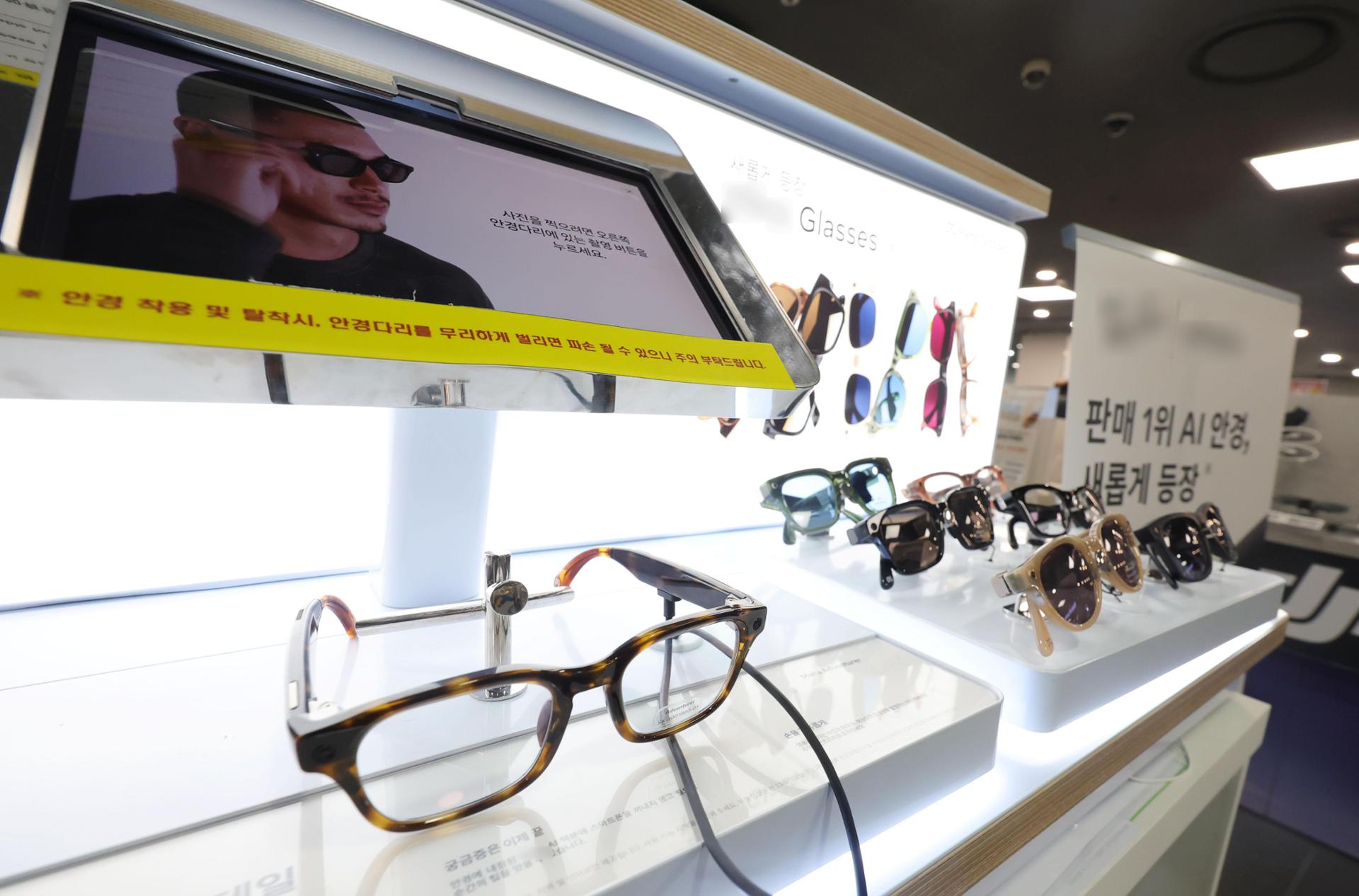
Smart glasses are currently trapped in an engineering identity crisis. Most manufacturers are desperately cramming cameras, speakers, capacitive touch arrays, and battery cells into acetate temples, hoping a kitchen-sink spec sheet will justify frames that weigh north of 50 grams. AROTI represents the exact opposite philosophy.
By stripping away every non-essential component, the Hong Kong-based startup is staging a deliberate rebellion against wearable fatigue. Their thesis is simple and provocative: smart eyewear does not need to document your life or blast open-ear podcasts into your canals to be indispensable. It just needs to deliver glanceable digital utility without feeling like a brick on your nose bridge.
In an industry transfixed by multimodal AI video feeds, AROTI's single-minded pursuit of featherweight micro-displays marks them as one of the most intriguing dark horses entering the wearable arena. They aren't trying to build the future of mixed reality; they are trying to fix the present state of everyday comfort.
Emerging from Hong Kong’s hardware tech ecosystem, AROTI is positioning itself in direct opposition to the tech giants. Where legacy consumer electronics brands see an all-in-one spatial computing destination, AROTI diagnoses a chronic ergonomics crisis that has derailed mainstream adoption for a decade.
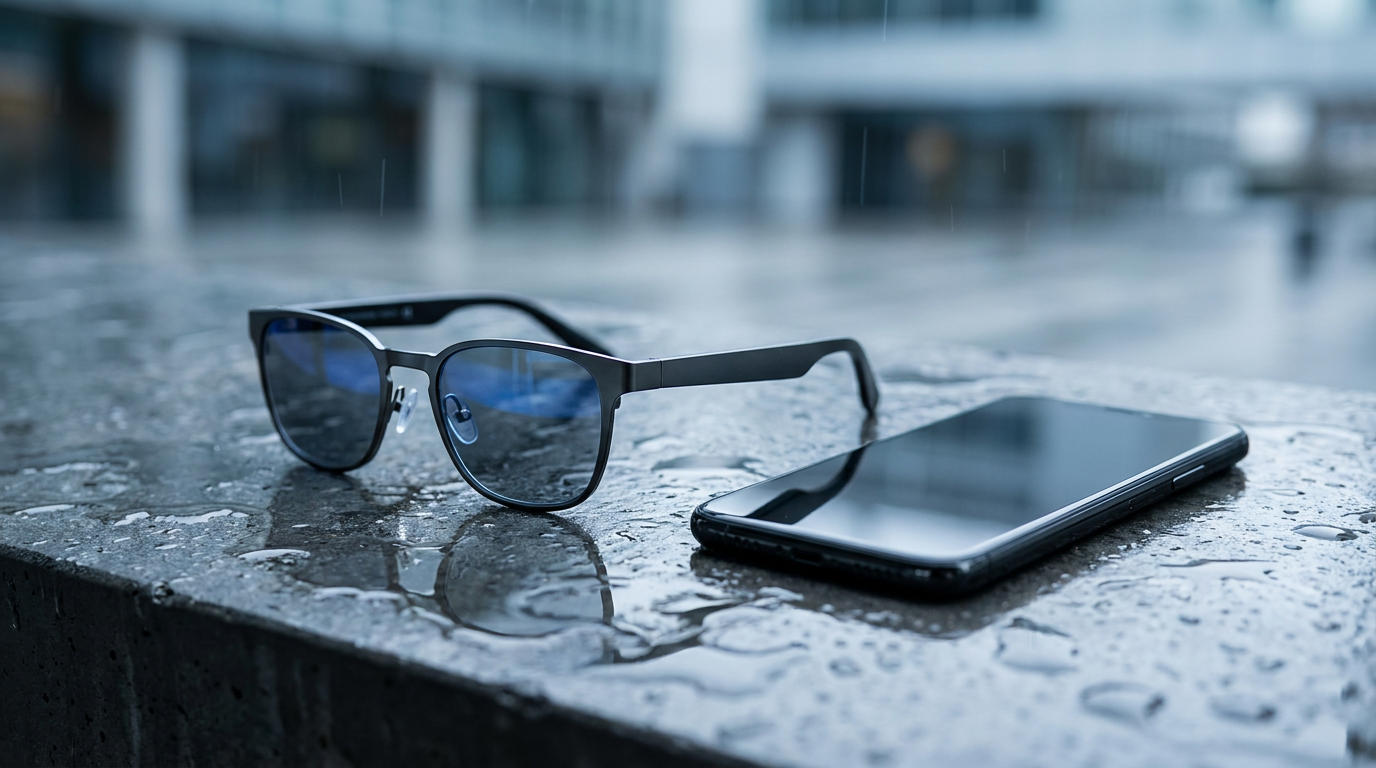
The startup's strategy is rooted in a fundamental eyewear reality: consumer retention drops off a cliff when frames deviate too far from traditional optical standards. Standard prescription glasses hover between 25 and 35 grams. Most current smart frames blow well past 45 grams, causing ear fatigue, temple pinch, and slippage throughout the workday.
AROTI is stepping into the spotlight at an opportune moment. Consumer pushback against always-on surveillance cameras is mounting in corporate offices, gyms, and public transit, while audio fatigue from continuous ear-canal playback has left many users yearning for silent, distraction-free computing.
The company isn't pursuing the casual livestreamer or the spatial gaming crowd. AROTI is deliberately targeting productivity minimalists, urban commuters, and business travelers who demand discreet notifications, turn-by-turn prompts, and private text telemetry without looking like a beta tester for enterprise hardware.
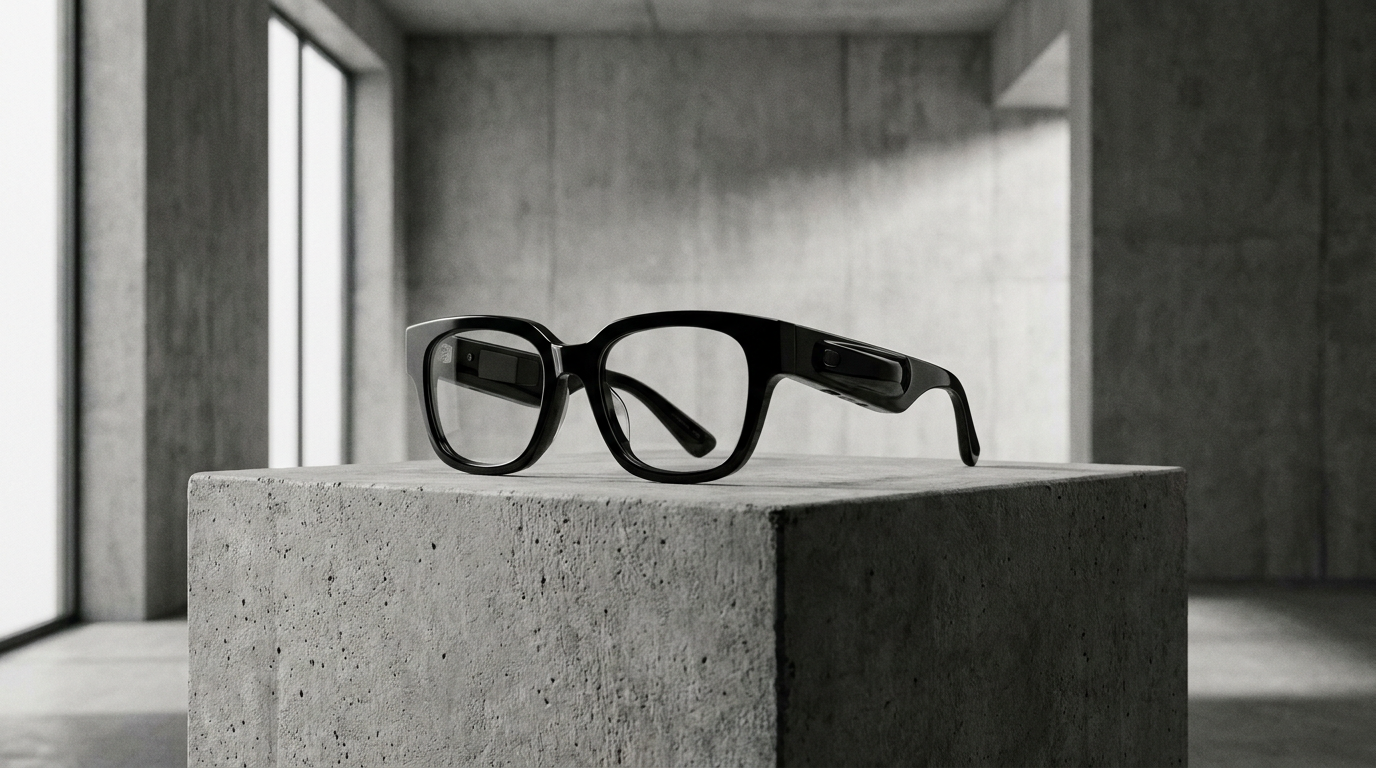
At the center of AROTI’s market entry sits the R1. While formal technical spec sheets have not yet been released to the broader catalog, the headline achievement of the hardware has already rattled the industry: the R1 hits an astonishing sub-27-gram curb weight.
To achieve that threshold, AROTI executed an uncompromising architectural purge. They eliminated outward-facing camera sensors, removed acoustic transducers, and abandoned power-hungry dual-binocular optical pathways. In their place, the R1 mounts a single-eye heads-up text display integrated directly into an ultralight chassis.
Public details confirm that the R1 is built purely around glanceable text data. While the optical engine details—such as whether it employs micro-waveguides or reflective micro-prisms—remain undisclosed, the sub-27-gram frame weight dictates an ultra-dense battery design and hyper-efficient silicon tuned exclusively for low-bandwidth text rendering rather than heavy graphic processing.
Stack the AROTI approach against Samsung’s impending push with Android XR glasses, and the philosophical divide is stark. Samsung is architecting a heavyweight, sensor-dense platform built to process spatial depth, track hands, and anchor Gemini-powered multimodal compute. That strategy brings inevitable thermal overhead and bulkier frames. AROTI refuses to map your living room; it simply wants to project twenty characters of crucial text into your peripheral vision.
Compare the brand to ODM platforms like SmartXY and its K900 platform, and the contrast becomes even sharper. SmartXY designs specifically for livestreaming, social broadcasting, and camera-first AI capture. AROTI eliminates the camera entirely, bypassing public privacy bans, corporate compliance headaches, and heavy image processors in order to salvage everyday wearability.
Even when held against enterprise stalwarts like Magic Leap and the Magic Leap 2, AROTI exposes the bifurcation of augmented reality. Magic Leap requires a tethered compute pack, active cooling, and multi-lens optics to overlay interactive CAD models on a factory floor. AROTI bets that ordinary knowledge workers do not need spatial meshes; they just need to see an urgent alert without reaching for their pocket.
AROTI’s biggest competitive asset is its ruthless design discipline. Dropping below 27 grams is the psychological baseline where smart frames cease feeling like tech hardware and start feeling like invisible prescription glasses. However, this purist approach carries massive commercial risk. Mainstream buyers conditioned to expect Meta-style speaker audio and hands-free photography may view a text-only, single-eye HUD as overly specialized.
Over the next twelve months, the decisive factor for AROTI will be execution on the software layer. If their companion application provides seamless notification triage, reliable navigation hooks, and zero Bluetooth connectivity drama, AROTI will cement a dedicated cult following among functional minimalists. If the text delivery feels unrefined or redundant next to an Apple Watch, no degree of weight savings will keep the R1 from disappearing into a desk drawer.
Interactive guide: prices, displays, cameras, battery.
Share this story