Manufacturer News · Samsung
Samsung and Google Readies AI Smart Glasses Launch for December
Teaming up with Warby Parker and Gentle Monster, Samsung prepares to release its Gemini-powered eyewear across the US and South Korea.
On November 11, 2026, reports surfaced detailing the launch schedule for Samsung and Google's collaborative AI smart glasses. According to a report by The Dong-A Ilbo cited by vietnam.vn, pre-orders for the hardware open on November 12, 2026, ahead of an official commercial rollout slated for December. The initial release will focus primarily on two key markets: South Korea and the United States.
The initiative pairs Samsung's consumer electronics engineering with Google's Android XR ecosystem and Gemini artificial intelligence. To solve the styling equation, the tech giants are collaborating with two distinct optical design houses: South Korean luxury eyewear brand Gentle Monster and American eyewear company Warby Parker. As vietnam.vn reports, the frames were first showcased during Google I/O 2026 and feature deep Gemini integration alongside a reported nine-hour battery life.
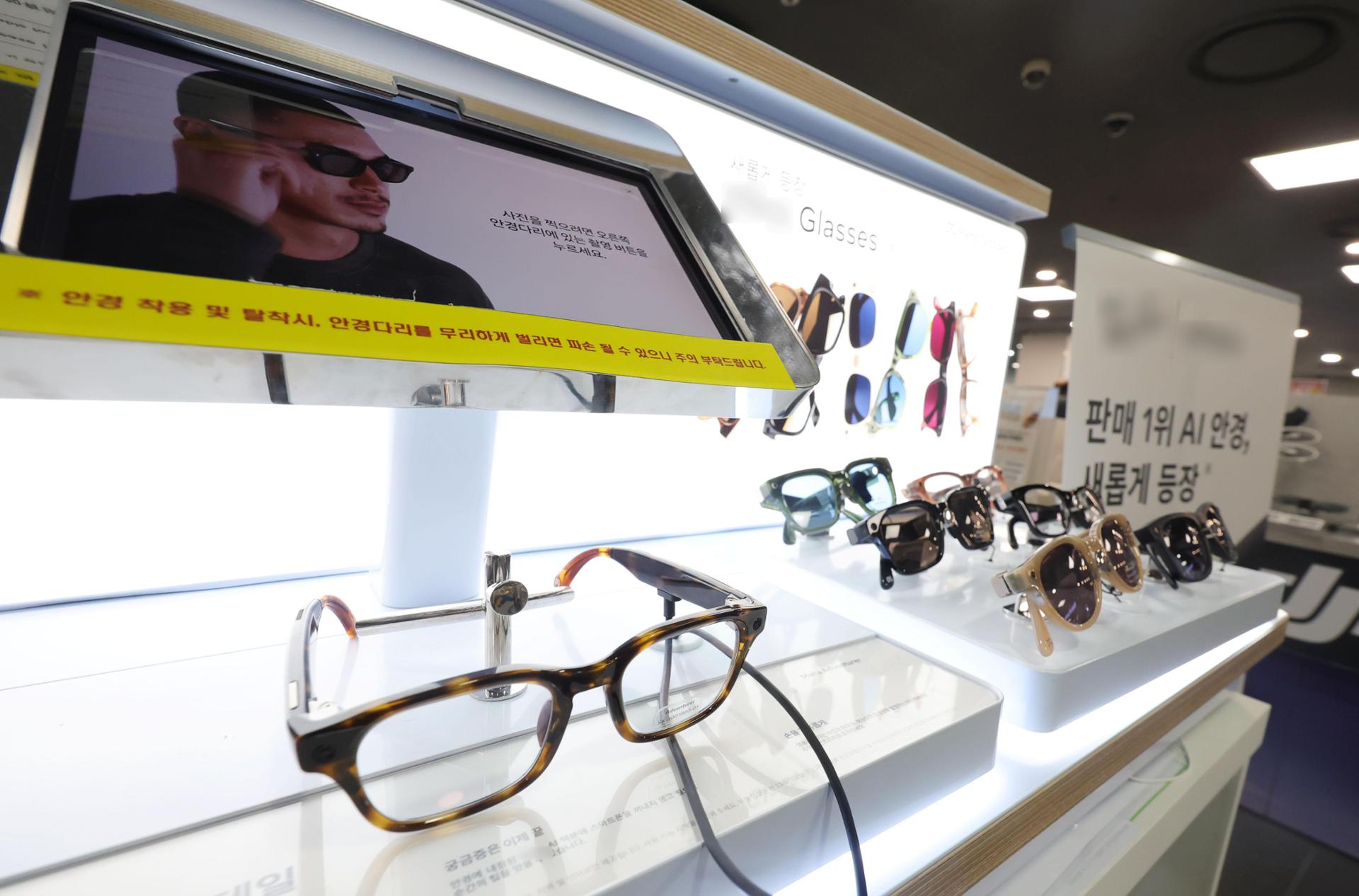
How it compares: For the past two years, Meta and EssilorLuxottica have practically owned the audio and camera smart glasses conversation with the Ray-Ban Meta line. Samsung and Google are deploying an almost identical playbook, but with a dual-flank fashion strategy. Where Meta relies on Ray-Ban's classic silhouettes, Samsung splits duties between Warby Parker's accessible prescription base and Gentle Monster's avant-garde streetwear cachet. On the software side, swapping Meta AI for Google Gemini gives Samsung immediate hooks into Google Workspace, Google Maps, and the broader Android device collective.
What this means: Splitting eyewear duties between two regional design heavyweights demonstrates how seriously hardware makers now take facial ergonomics and lifestyle appeal. Warby Parker provides Samsung with a trusted, widespread retail and prescription lens distribution network throughout North America. Gentle Monster offers immediate cultural credibility across East Asia. Furthermore, if the reported nine-hour battery life holds up under active camera, microphone, and wireless operation, it will represent a meaningful step forward from current market averages that struggle beyond four hours of mixed use.
The rapid normalization of AI eyewear is already triggering regulatory ripples across public institutions. As vietnam.vn notes, South Korea's Ministry of Education recently moved to require proctors to inspect the glasses of all students before college entrance exams to guard against AI-driven cheating. As ambient compute hardware blends seamlessly into everyday acetate and titanium frames, distinguishing between optical necessity and connected computing will present an ongoing headache for secure environments.
Our take: Samsung and Google needed a credible response to Meta's wearable momentum, and launching before the end of the year plants a firm flag in the spatial computing sector. By insulating the hardware behind established optical brands and Google's leading multimodal model, this release sets the stage for a proper platform clash in early 2027.
Interactive guide: prices, displays, cameras, battery.
Share this story