Analysis · Multi-brand
Silicon Valley Still Doesn't Understand Why People Wear Glasses
Hardware makers keep packing face computers with thermal flaws, spatial stunts, and intrusive sensors. They are forgetting the basic physics and social realities of everyday eyewear.
The smart eyewear industry entered late 2026 convinced it had cracked the consumer code. Shipments are climbing, multimodal AI models respond instantly to voice prompts, and major tech brands are finally partnering with high-street fashion houses. Yet beneath the aggressive marketing push lies a persistent, glaring disconnect between what engineers build and what real human beings actually want to wear on their faces. Hardware giants are still treating eyewear like miniature smartphones, stuffing them with high-maintenance tech while ignoring everyday physical realities.
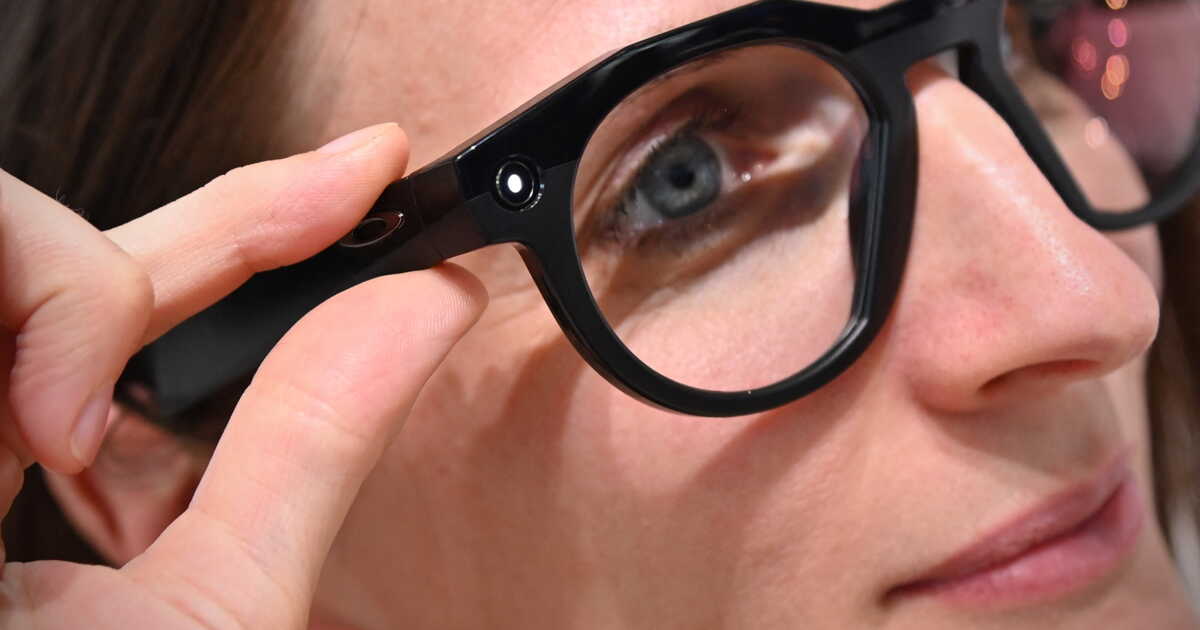
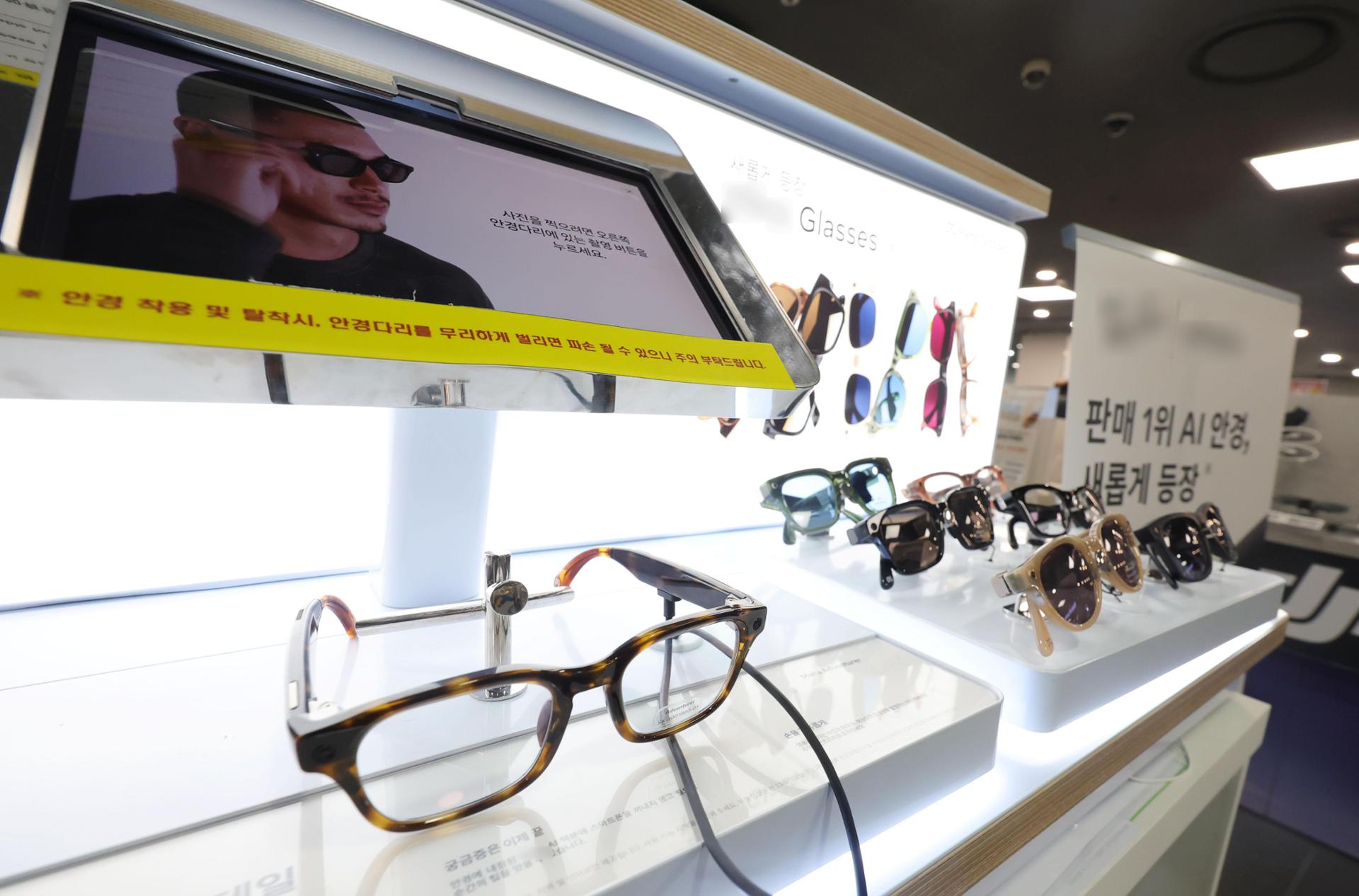
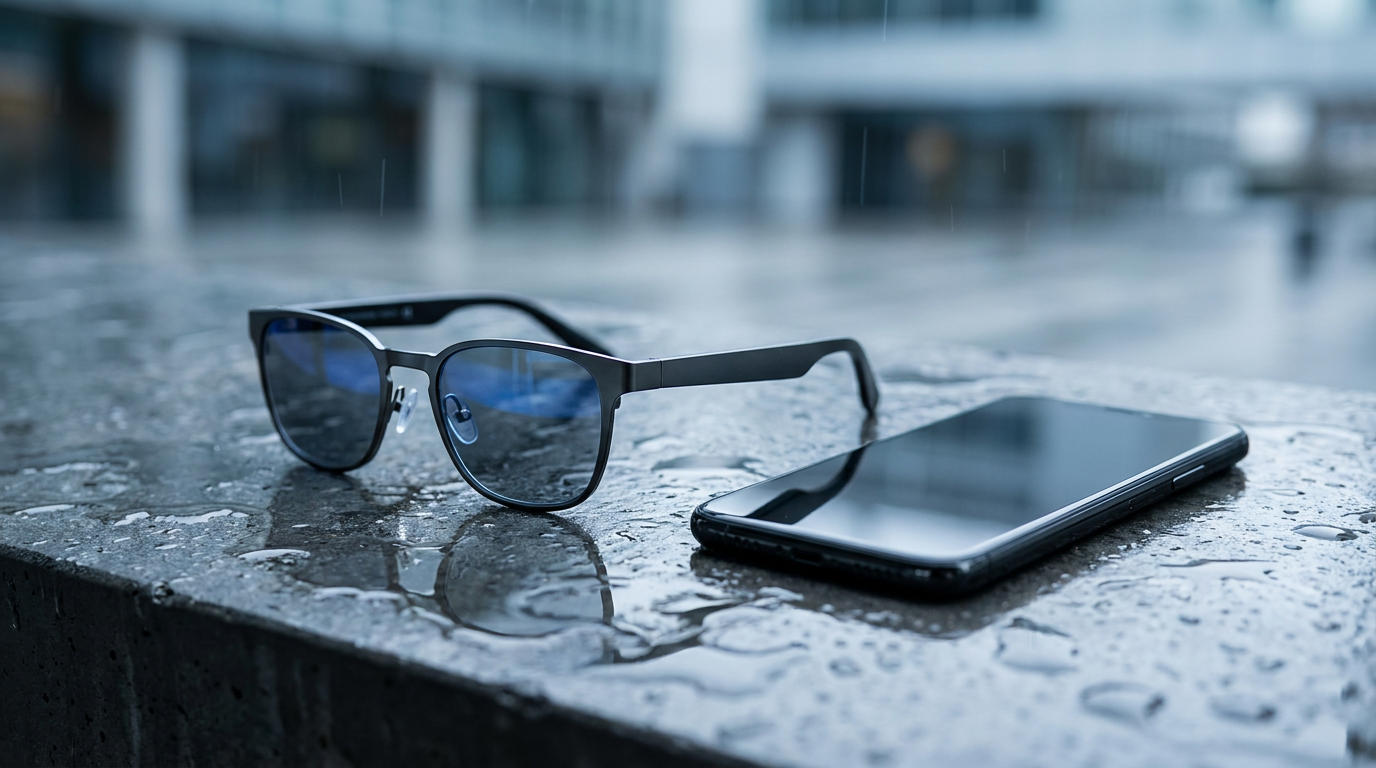
Nothing illustrates this blind spot more vividly than Meta scrambling to patch thermal issues on its first-party frames. When exposed to basic moisture, models like the Adventurer, Fury, Nova, and Capri can heat up uncomfortably against the wearer's skin, forcing Meta to push firmware version 130 and hand out free hardware replacements. Eyewear is not a secondary gadget you slip into a pocket when it starts misbehaving. If a device rests against your skull, it cannot heat up, malfunction in light rain, or demand urgent firmware updates just to remain safe to wear.
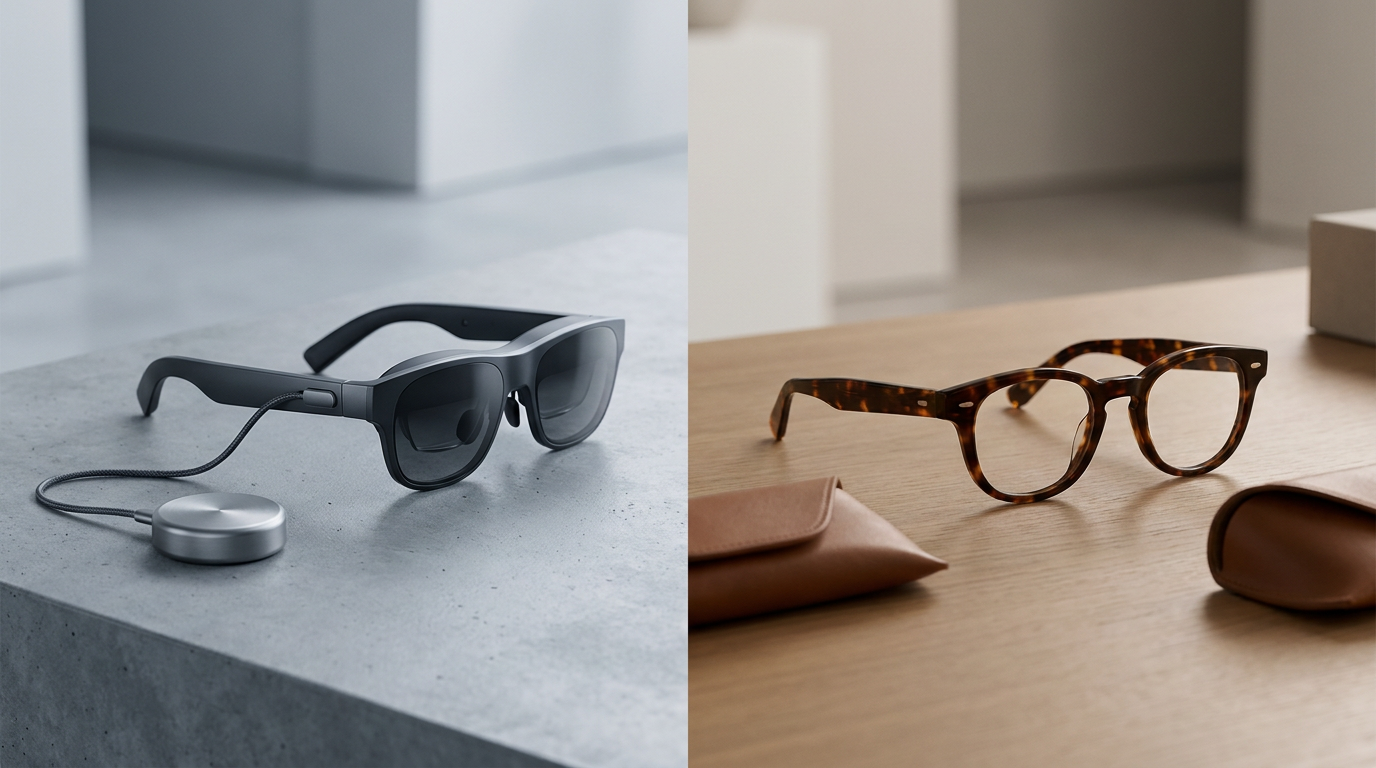
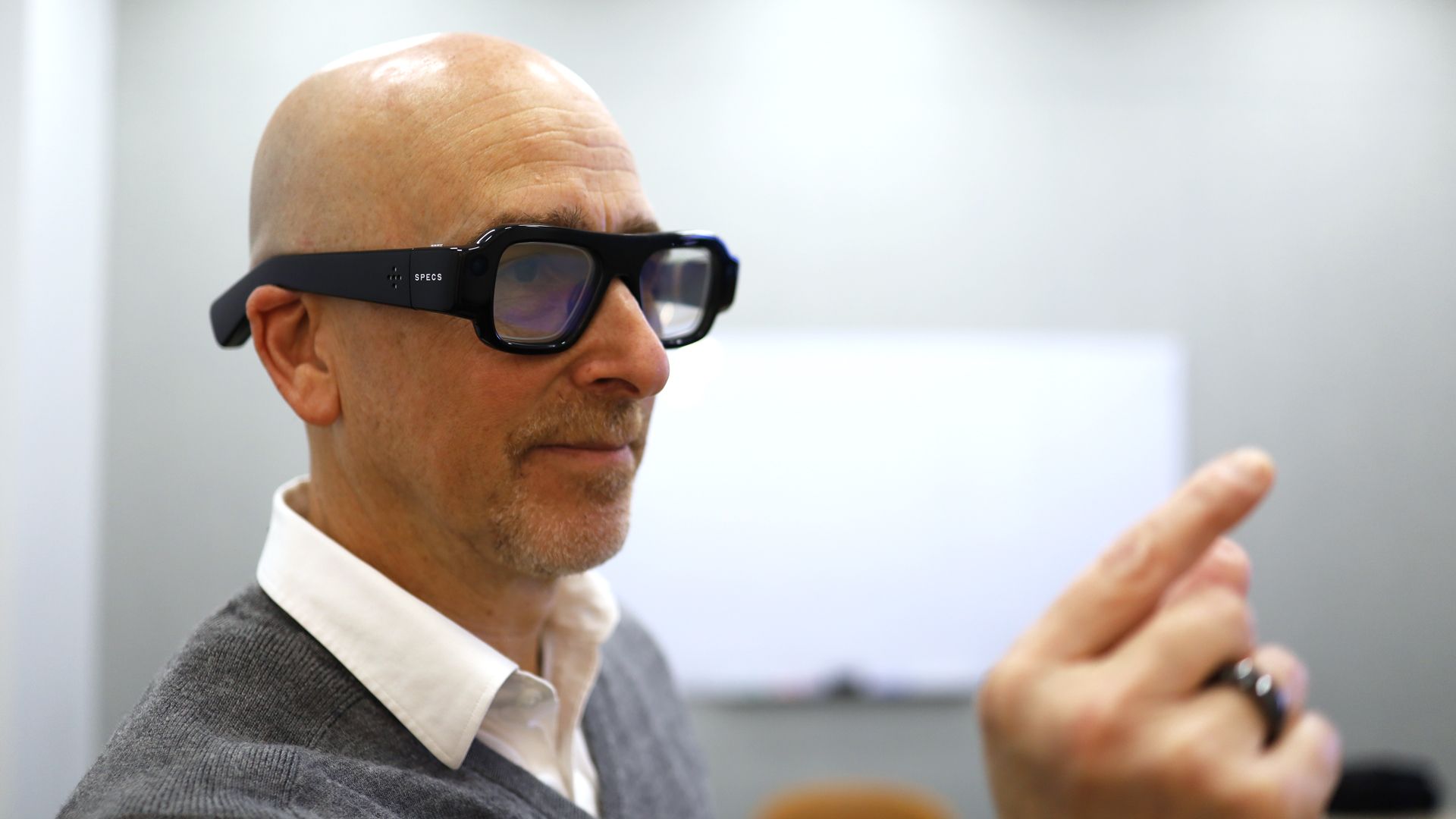
While Meta wrestles with basic thermal management, Snap continues to push the opposite extreme with standalone augmented reality. Hands-on testing of the latest Spectacles reveals bold spatial ambition trapped inside a bulky, boxy chassis that nobody outside a developer lab would wear down the street. Snap wants to turn wearers into augmented superheroes, but ordinary consumers do not want to sacrifice basic facial ergonomics for experimental floating interfaces. The hardware remains an awkward triumph of engineering over human vanity.
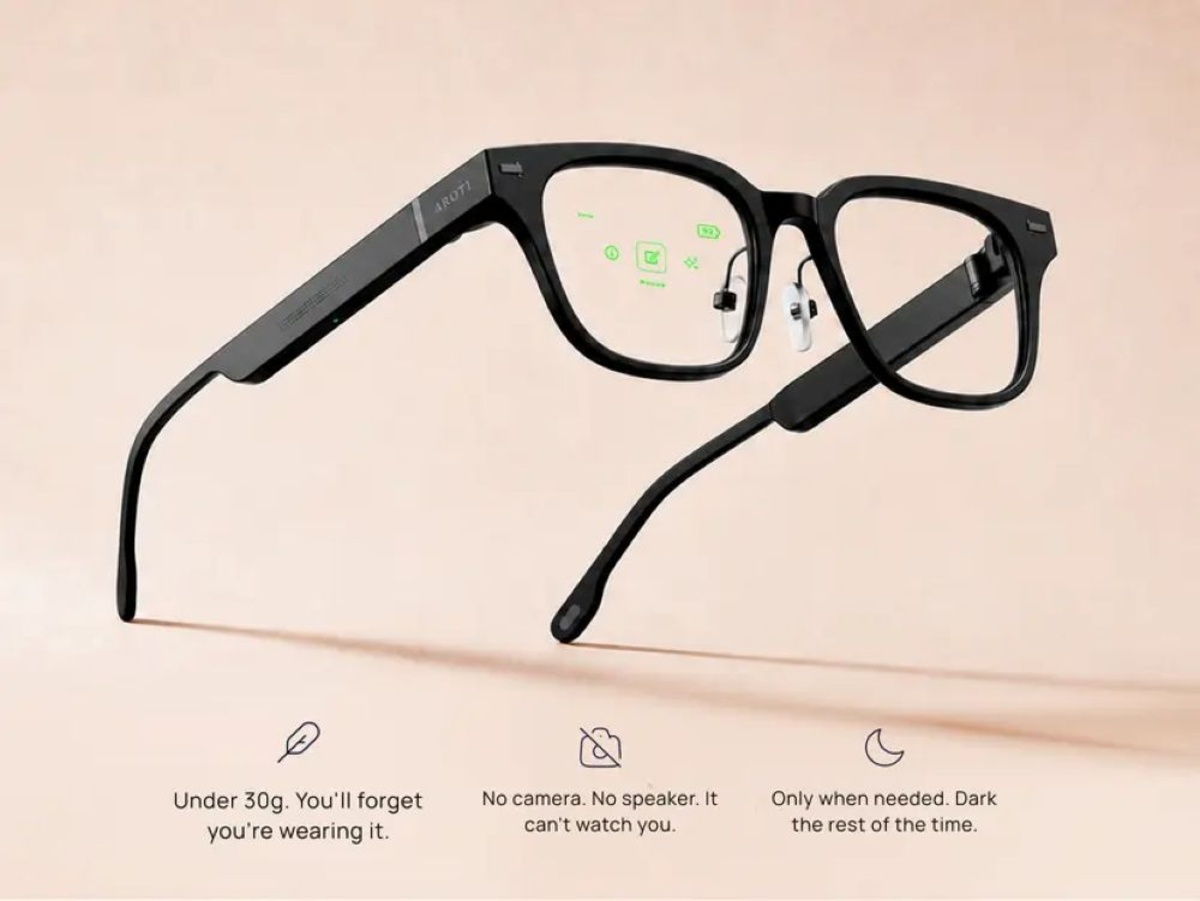
Recognizing that spatial displays remain too heavy for real life, other hardware giants are stripping the screen away entirely. Samsung is locking in a mid-December launch for its screenless Intelligent Eyewear, built in collaboration with Google, Gentle Monster, and Warby Parker. Ditching waveguides for pure audio and camera capture is a sensible concession to fashion, but it creates a different problem. Without visual feedback, users are essentially paying hundreds of dollars to strap a blind microphone and cloud tether to their temples.
Instead of perfecting basic voice utility and comfort, manufacturers are already dreaming up new ways to turn frames into biometric surveillance hubs. Industry roadmaps now pitch smart eyewear as the next health frontier, pushing features like automated food logging, eye tracking, and continuous body temperature sensing. The premise is deeply flawed. Everyday users do not want their eyewear analyzing their lunch calories or parsing their micro-expressions during an ordinary conversation.
On the display side of the aisle, the industry remains obsessed with spatial media novelties that nobody asked to experience on a sidewalk. The San Francisco Ballet is deploying Xreal Aura glasses to stage immersive productions of The Nutcracker, while Audi drops 13-minute Formula 1 documentaries onto the Apple Vision Pro. Meanwhile, Xreal is busy hyping 60fps 3D conversions and Micro-OLED brightness upgrades on its 1 Pro+ frames. These are neat technical demos for home theater enthusiasts, but they do nothing to solve the friction of walking down the street with a tethered display.
Beyond bad ergonomics and feature creep, smart glasses are actively detonating the social contract in public spaces. Snap chief executive Evan Spiegel recently took aim at Meta, calling its camera glasses weird spy hardware designed without adequate bystander protections. Spiegel is not wrong about the lingering cultural unease. Most people still feel deeply uncomfortable talking to someone whose glasses house active sensors and outward-facing cameras.
That discomfort is rapidly spilling over into institutional anxiety. In South Korea, recent demonstrations showed Rokid smart glasses analyzing mock calculus questions and feeding answers to an internal heads-up display within ten seconds. With the high-stakes national college entrance exam looming, the stunt exposed how easily ambient smart glasses erode academic trust. When your hardware looks like a high-tech cheating device to teachers and an intrusive camera to strangers, society will push back hard.
Tech executives assume consumers crave an all-knowing multimodal assistant that processes every visual glance and audio cue in real time. They misunderstand the fundamental nature of everyday accessories. People wear glasses for hours at a time to correct their vision, block the sun, and express their personal style. They do not want an over-engineered sensor pod that demands nightly charging, panics in humid weather, and alienates everyone in the room.
The smart glasses market does not need more theatrical AR ballet partnerships, camera-based calorie counters, or bulky developer toys. It needs lightweight, weather-resistant hardware that respects personal boundaries and quietly disappears into daily life. Until hardware makers stop treating our faces as prime real estate for experimental computing platforms, smart glasses will remain an awkward novelty rather than an indispensable daily tool.
Interactive guide: prices, displays, cameras, battery.
Share this story