News · Meta
Smart Glasses Are Gearing Up to Become the Next Major Health Trackers
From camera-based nutrition logging to eye tracking and temperature sensing, connected eyewear is quietly positioning itself as the next frontier in personal health monitoring.

On November 10, 2026, Gizmodo reporter James Pero highlighted a clear shift across the wearable tech landscape: smart glasses are aggressively expanding beyond novelty photography and audio streaming into continuous health tracking. While early adopters embraced connected frames for productivity, outdoor sports, or hands-free media capture, hardware makers are now setting their sights on biometric monitoring, eye-tracking, temperature sensing, and even micro-expression detection.
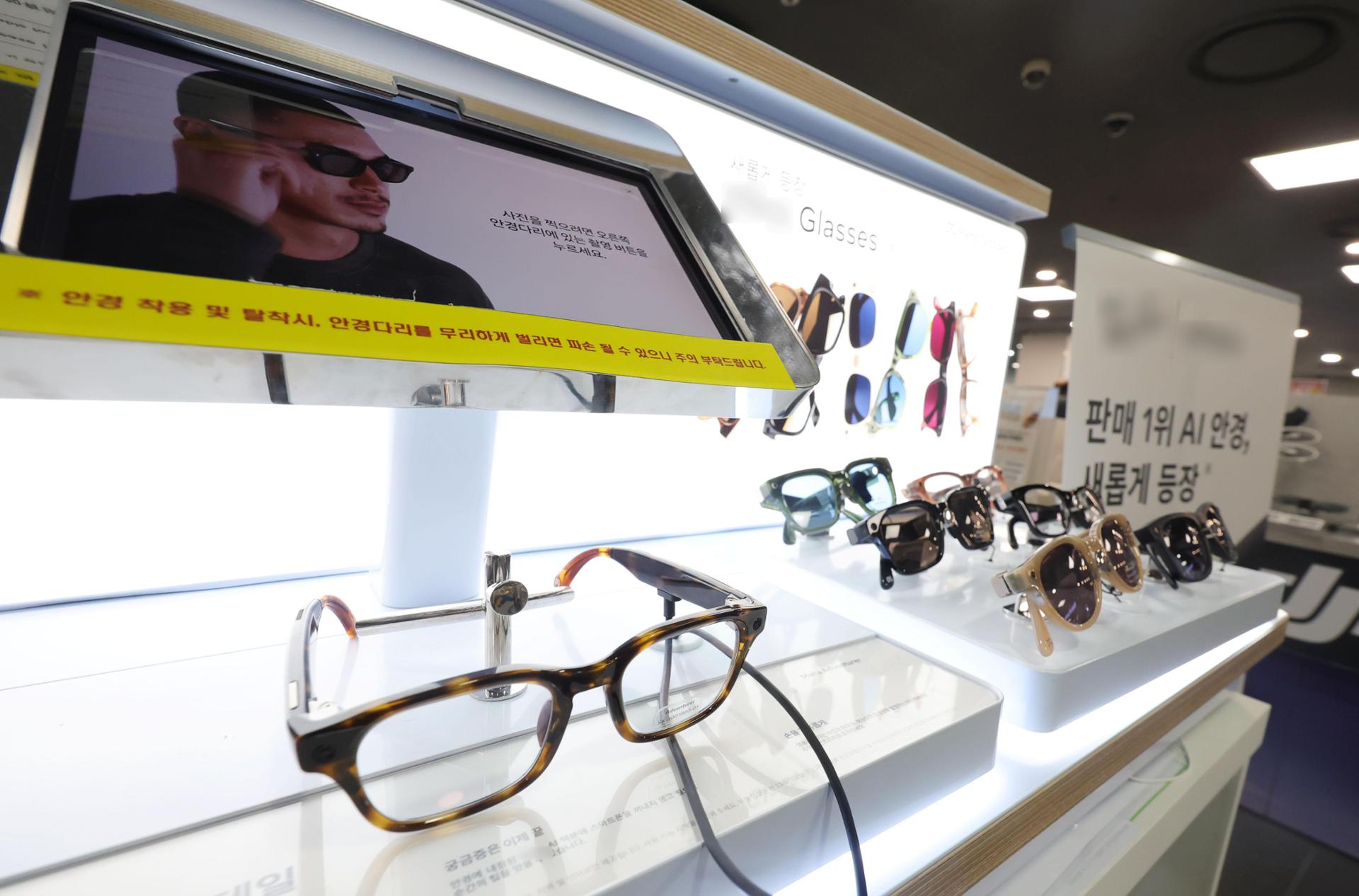
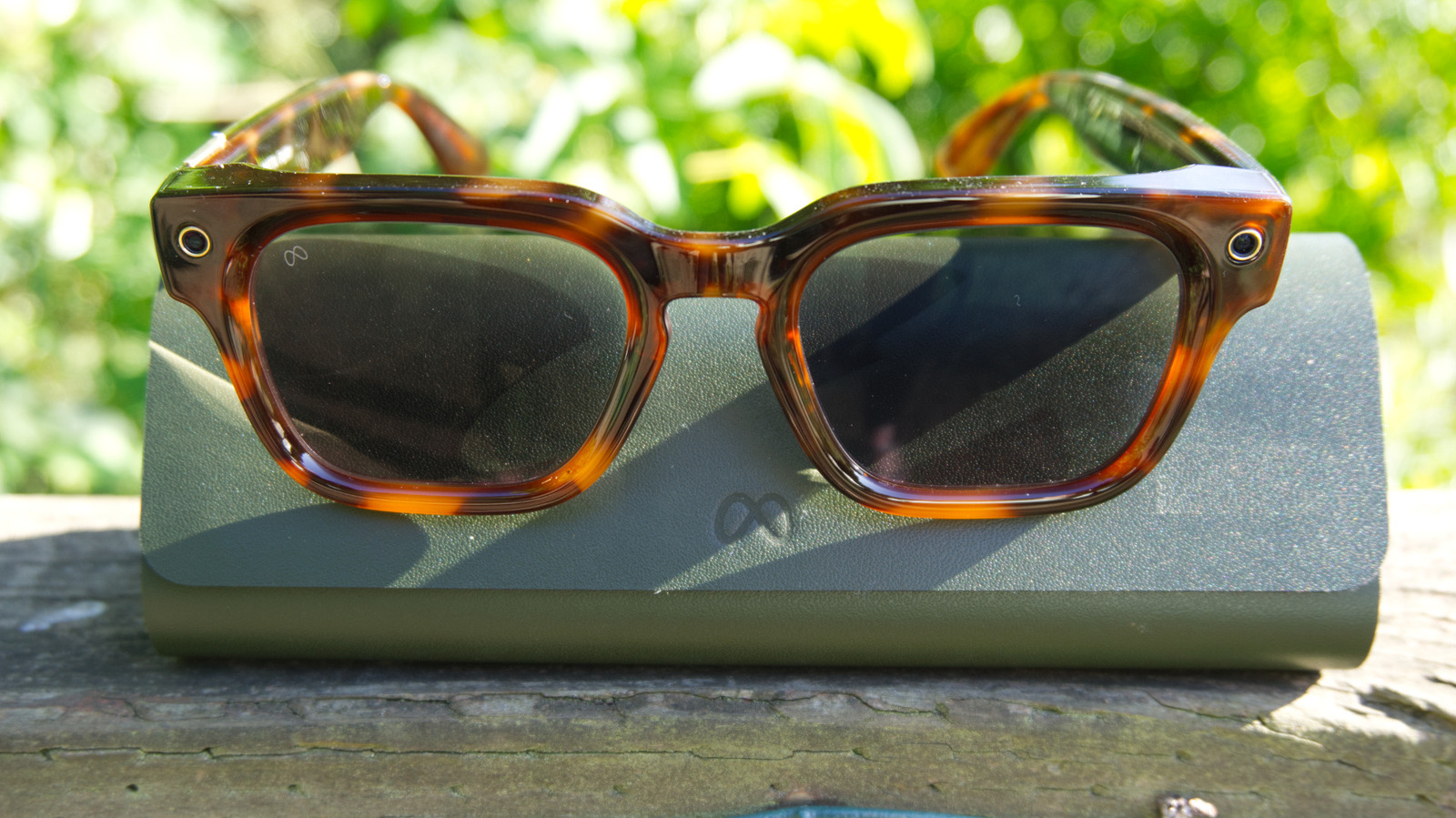
The groundwork is already visible in mainstream hardware. Gizmodo notes that Meta has already begun pushing into wellness features with AI-assisted nutrition tracking, using the built-in cameras on its frames to identify and log food intake. But as Pero points out, that visual food logging is merely an opening gambit. Newer entrants and research prototypes are moving deeper into physiological data collection, treating the face and skull as prime real estate for sensors that smartwatches and fitness bands cannot easily replicate.
Placing health sensors on eyewear presents compelling physiological advantages over wrist-worn trackers. The head offers direct access to the temporal arteries for reliable vascular readings, the ear canal for continuous core temperature measurements, and the eyes for assessing fatigue, cognitive load, and neurological symptoms. While smart rings and watches have perfected step counting and basic heart-rate telemetry, smart glasses sit at the literal junction of a wearer's visual field, facial muscles, and cranial blood flow.
What this means: The shift toward health metrics gives smart glasses makers an indispensable retention hook. Consumer hardware companies have long known that fitness and wellness features drive everyday wearable adoption better than novelty AI chat or hands-free calling. If frames can passively detect dehydration, eye strain, spikes in body temperature, or nutritional habits without requiring manual input, they shift from an optional luxury gadget into a daily utility that users feel compelled to put on each morning.
The trade-off, however, lies in battery life and privacy. Continuous sensor polling drains minuscule frame batteries rapidly, forcing hardware teams to strike a delicate balance between all-day wearability and biometric frequency. Furthermore, a camera and sensor suite constantly reading your environment, your food, and your facial twitches creates massive data privacy obligations that manufacturers will struggle to navigate gracefully.
Our take: We have been tracking the convergence of smart eyewear and health sensing across the industry, and this pivot was inevitable. Smart glasses do not need to replace your dedicated sports watch or chest strap to succeed. Instead, head-worn wellness tracking provides the crucial contextual layer that wristbands miss: what you look at, what you consume, and how your face responds to stress. The company that manages to pack accurate biometric sensors into regular prescription frames without compromising weight will define the next phase of ambient computing.
Interactive guide: prices, displays, cameras, battery.
Share this story