News · Rokid
AI Glasses Spark Exam Integrity Fears After Solving Math Tests in Seconds
Field testing in Seoul reveals Rokid smart glasses can crack complex calculus problems almost instantly, triggering new security concerns ahead of South Korea's national college entrance exam.
On November 11, 2026, koreatimes.co.kr reported on the mounting scrutiny facing optical hardware ahead of South Korea's high-stakes College Scholastic Ability Test (CSAT), following hands-on demonstrations showing AI-equipped glasses solving advanced exam problems in real time. The report lands just over a week before the nationwide exam on November 19, spotlighting how quickly consumer eyewear with multimodal vision is transforming the academic cheating landscape.
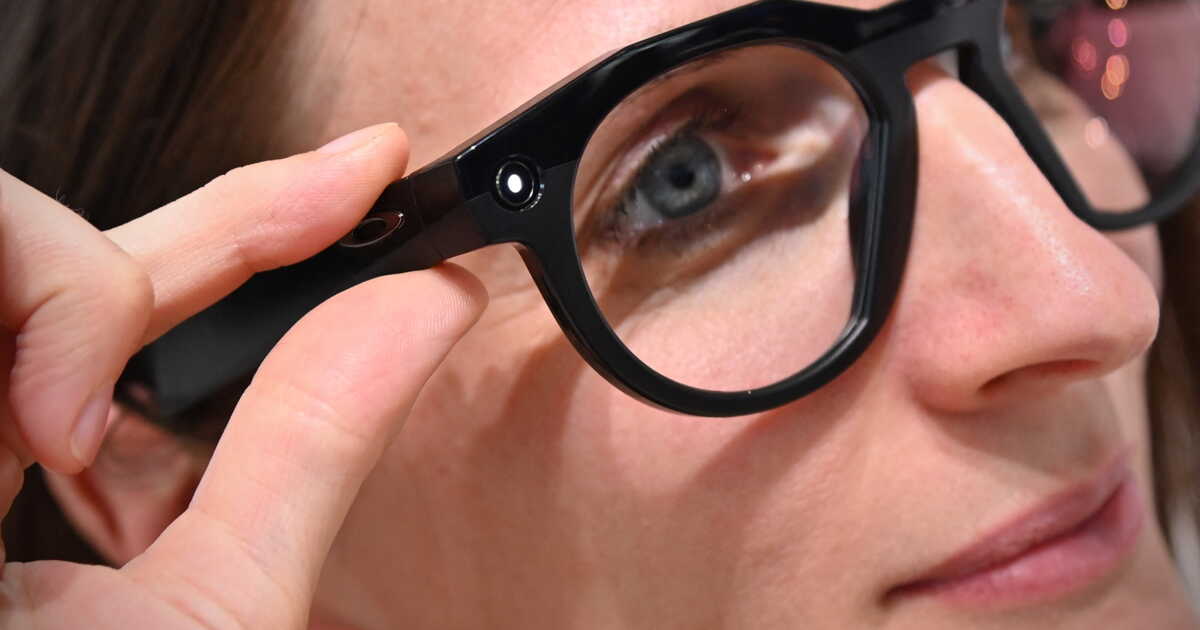
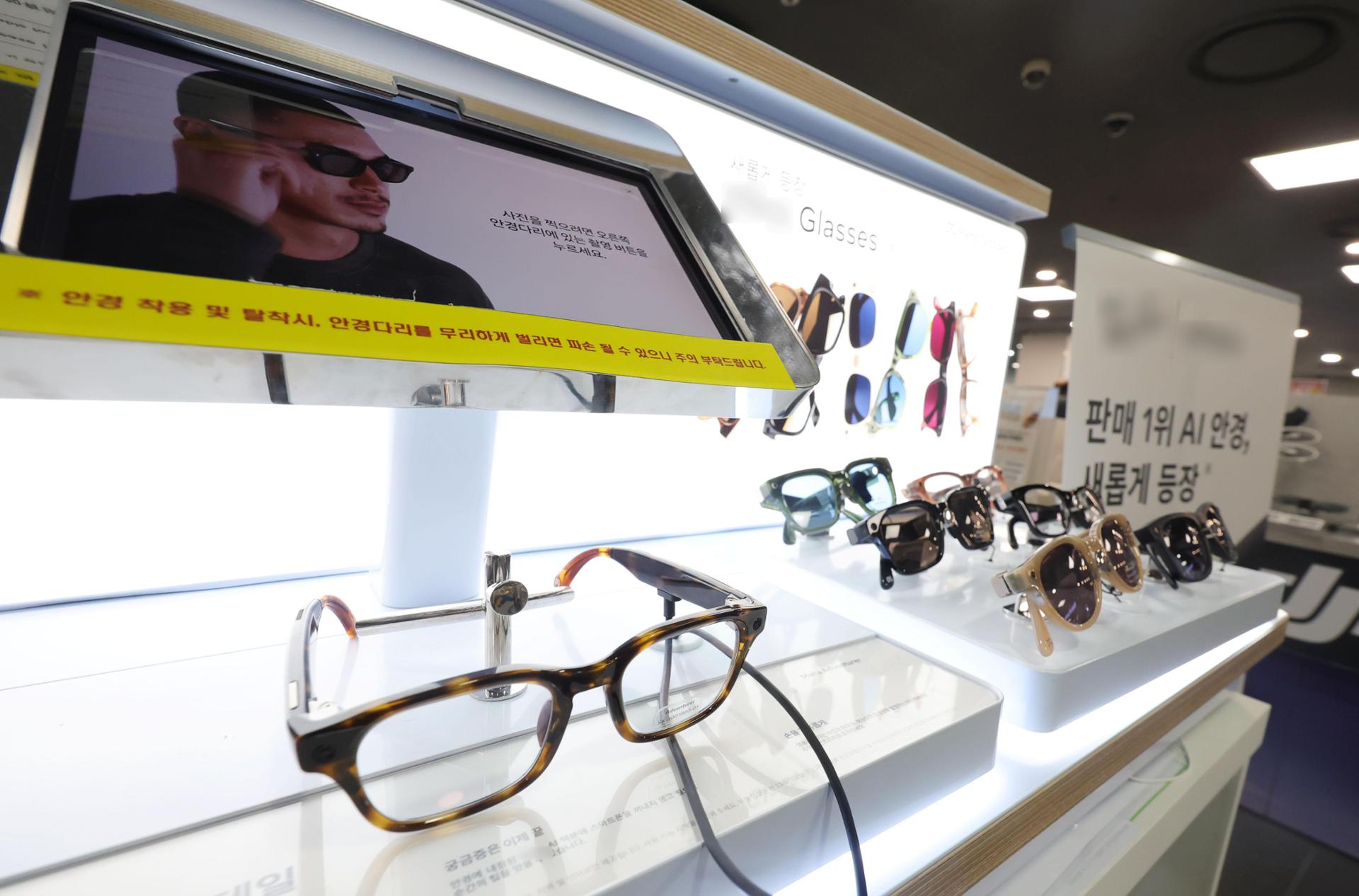
According to koreatimes.co.kr, a demonstration conducted at an optical shop in Seoul's Myeong-dong district showed a pair of Rokid smart glasses analyzing a page containing four mock CSAT math questions. Within ten seconds, correct answers and detailed solution steps were projected directly onto the heads-up display inside the lenses. A subsequent test on a calculus problem involving a definite integral yielded a verified answer in less than two seconds, according to the outlet's reporting.
These concerns are backed by official government enforcement data. Parliamentary audit figures from the Human Resources Development Service of Korea, disclosed in October, revealed that proctors detected five illicit attempts using AI smart glasses during state-run qualification exams in 2026 alone. Four of those incidents involved Chinese-manufactured Rokid glasses, while one case involved smart glasses developed by Meta.
Accessibility is lowering the barrier to misuse significantly. While the Rokid glasses retail in South Korea for 999,000 won (approximately $750), koreatimes.co.kr noted that domestic rental services now market them for as little as 9,900 won per day. The outlet also evaluated Ray-Ban Meta frames, noting that their reliance on spoken voice queries and audio playback makes them far more conspicuous and risky for test environments compared to Rokid's silent, integrated visual display.
What this means: The convergence of miniature camera sensors, optical character recognition, and rapid multimodal models has rendered legacy exam hall security obsolete. For decades, testing agencies focused anti-cheating protocols on confiscating mobile phones, smartwatches, and wireless earpieces. Smart glasses disrupt this setup because corrective eyewear is an everyday medical necessity that administrators cannot realistically ban without extensive manual checks, wanding, or polarized lens inspections.
How it compares: This scenario highlights the clear divide between audio-first wearables and true optical display frames. While audio-only smart glasses like Ray-Ban Meta leak faint sound in pin-drop quiet examination halls, waveguide displays from makers like Rokid, XREAL, or Even Realities place monocular or binocular text directly into the wearer's line of sight without any audible footprint. As optical engines shrink into standard acetate silhouettes, test proctors and certification boards worldwide will need standardized, non-intrusive protocols to detect embedded electronics in everyday eyewear.
Interactive guide: prices, displays, cameras, battery.
Share this story