Guides · Gentle Monster
Gentle Monster's Smart-Glasses Play, Explained
The Seoul-based luxury eyewear brand is bringing Joaquin Phoenix and high-concept cinema to AI glasses. Here is why the tech world should pay attention.
Silicon Valley has spent the better part of a decade trying to convince regular people to strap microcomputers to their faces, and with few exceptions, the results have been aesthetic disasters. The industry's engineering-first orthodoxy repeatedly misses the fundamental rule of eyewear: glasses are face furniture, personal identity, and social armor before they are computing nodes.
Enter Gentle Monster. When a brand recruits director Jonathan Glazer and actor Joaquin Phoenix to mount a surreal, high-concept campaign for AI eyewear, it is not merely launching a product line. It is executing a hostile cultural takeover of a category that has spent years rotting in the consumer tech ghetto.
Gentle Monster matters in this space because it is the antithesis of the gadget company. If smart glasses are ever going to break through the barrier separating early-adopter hobbyists from mass luxury buyers, it will happen through the door Gentle Monster is currently kicking open.
Founded in Seoul in 2011 by Hankook Kim under parent group IICOMBINED, Gentle Monster built a global retail empire by treating eyewear sales as avant-garde art exhibitions. Walk into any flagship store from Dosan to SoHo and you encounter kinetic sculptures, brutalist architecture, and spatial installations that look more like modern art galleries than sunglasses shops.
The brand mastered cultural cachet long before touching ambient computing. Collaborations with Maison Margiela, Ambush, and K-pop icon Jennie established Gentle Monster as the definitive eyewear badge for digitally literate, design-conscious youth across Asia, Europe, and North America.
Why enter smart eyewear now? Because the underlying components—micro-speakers, beamforming microphones, whisper-thin batteries, and edge AI models—have finally shrunk enough to fit inside silhouettes that do not announce themselves as hardware. The timing represents an inflection point where fashion brands can integrate technology without compromising proportion.
Gentle Monster is not entirely new to connected hardware, but its previous ventures were cautious rehearsals. In 2019 and 2020, the brand partnered with Huawei to release the Gentle Monster Eyewear I and II lines, testing the waters with Bluetooth audio, touch-sensitive temples, and charging cases wrapped in luxury leather.
Those earlier collaborative frames proved that Gentle Monster could disguise consumer audio hardware within thick-rimmed, high-fashion acetate better than almost anyone else. However, they were fundamentally Huawei tech engines housed in Korean acetate, constrained by Huawei's software ecosystem and regulatory headwinds in the West.
The upcoming push signaled by the Phoenix campaign represents a distinct pivot toward AI-native eyewear. Gentle Monster has not yet published a raw silicon spec sheet, sensor resolution figures, or battery milliamp-hour metrics for its next generation of frames—and that silence is entirely deliberate. In high fashion, leading with processor clock speeds is considered gauche; you sell the silhouette, the posture, and the ambient capability.
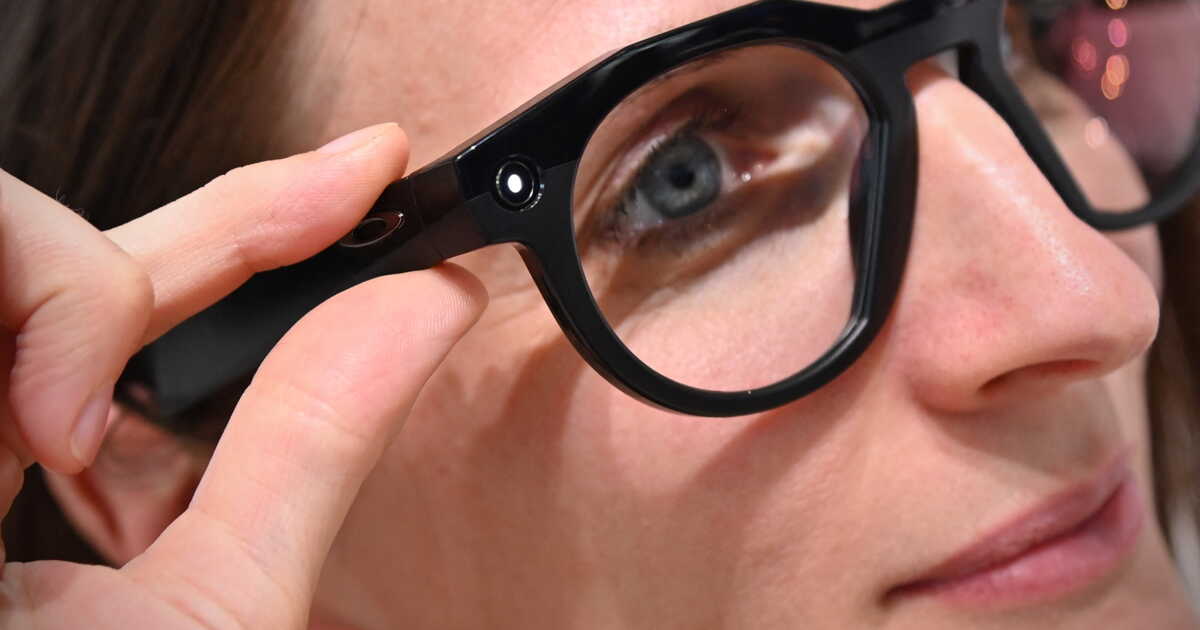
What we know from public filings and campaign materials is that Gentle Monster is designing oversized, statement frames capable of housing localized microphone arrays, open-ear acoustic drivers, and direct hooks into multimodal AI assistants. The objective is frictionless voice and audio interaction wrapped in unapologetic, runway-ready acetate that looks entirely at home alongside high-end tailoring.
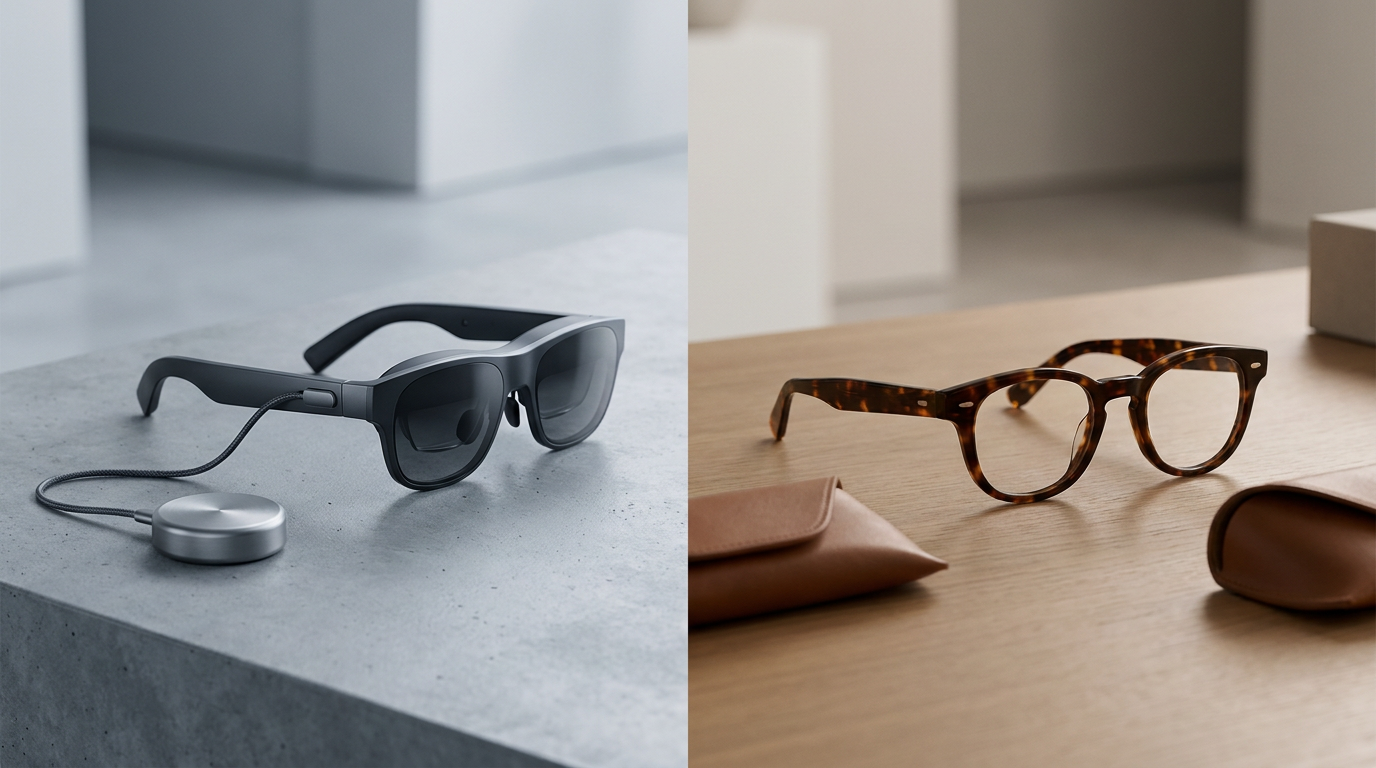
Place Gentle Monster against the current market and the contrast is stark. Amazon's Echo Frames attempt to solve the everyday audio glasses problem through utilitarian, mass-market minimalism, resulting in frames that look like generic optical blanks designed by an algorithm to offend no one. Amazon sells Alexa distribution; Gentle Monster sells desire.
Compare them to Brilliant Labs' Frame, which pursues an open-source, hacker-first ethos with a visible micro-OLED display and quirky geometric lines. While Brilliant Labs embraces technological transparency for tinkers, Gentle Monster treats technology as an invisible servant to be concealed within structural luxury. And enterprise anchors like Microsoft's HoloLens 2, with its massive visor and industrial pricing, exist in an alternate mixed-reality universe that has zero relevance to street culture.
Our verdict: Gentle Monster is the most aesthetically dangerous entrant the smart-glasses sector has seen since Meta partnered with EssilorLuxottica. Its core strength is undeniable cultural relevance and an industrial design team that refuses to subordinate face-feel to motherboard layout. If you want smart glasses that signal high design rather than technical desperation, this is the label to watch.
The existential question over the next 12 months will be execution on the software stack. Gentle Monster has mastered acetate, hinges, and retail spectacle, but ambient AI demands bulletproof Bluetooth latency, intuitive companion apps, and smart voice architecture. If they can nail the companion software without letting the hardware look like a gadget, Gentle Monster could easily redefine the aesthetic benchmark for the entire AI glasses category.
Interactive guide: prices, displays, cameras, battery.
Share this story