Analysis · Multi-brand
The Ambient Face: Why Always-On AI Glasses Are Breaking Our Social Contract
Conversational assistants on your nose are transforming accessibility and crushing productivity barriers. They are also turning boardrooms, schools, and public streets into legal and privacy battlefields.

The smartphone screen held us hostage for nearly two decades, but its successor has arrived on the bridge of your nose. Ambient, always-on AI assistants are no longer speculative trade-show concepts. They are listening constantly, parsing your immediate environment, and feeding real-time context into your ears. This is not merely an incremental interface update: it is an intimate re-engineering of human perception.
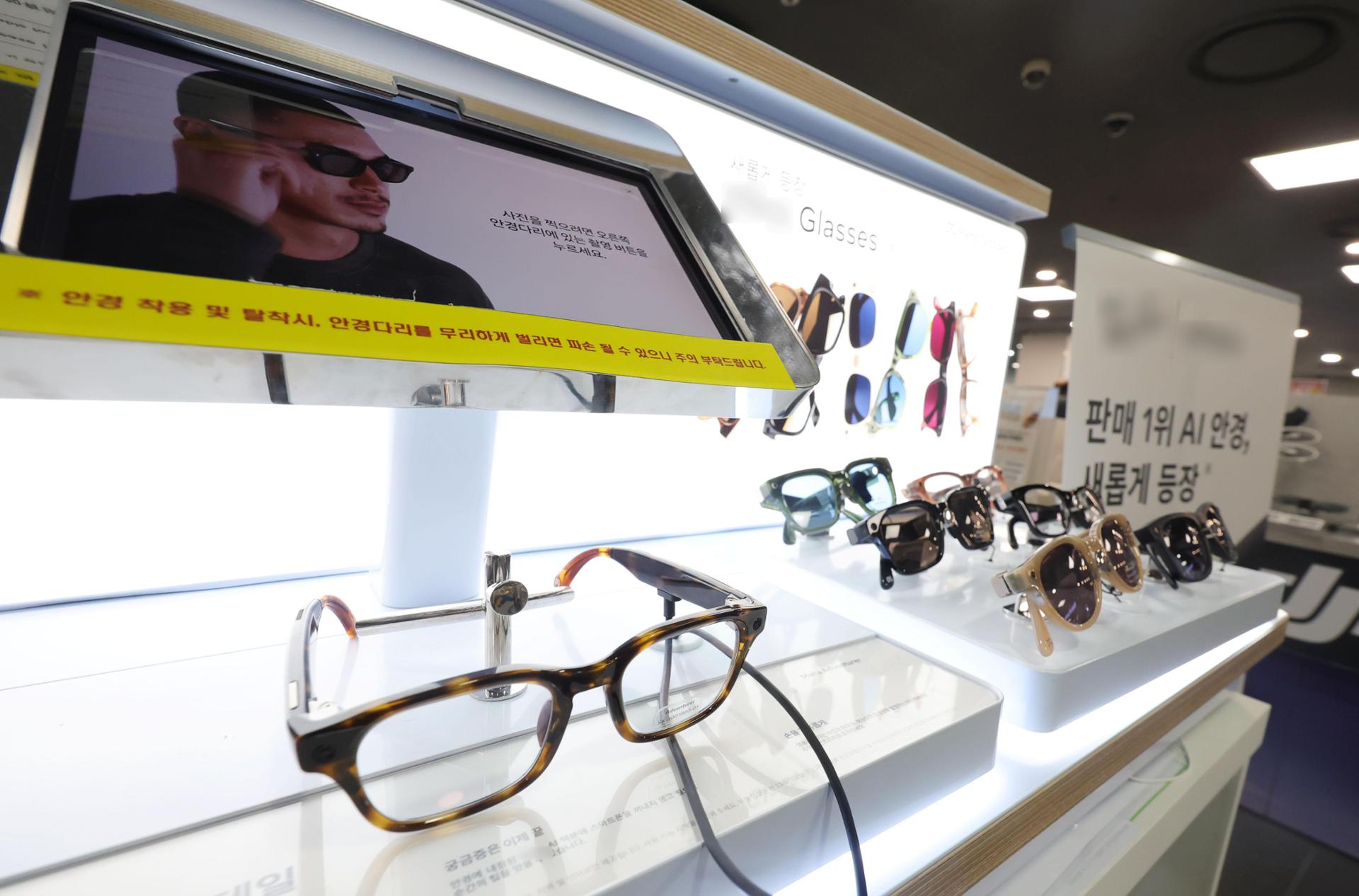
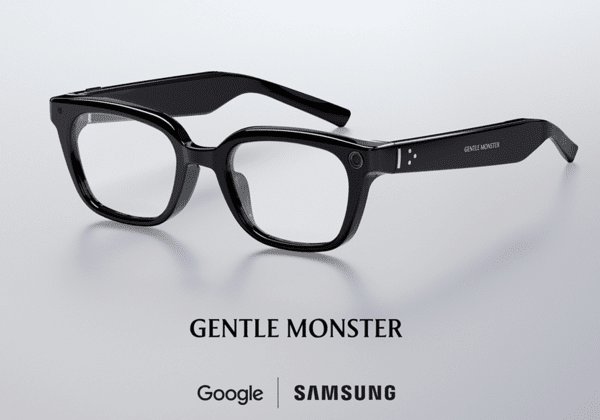
The speed of adoption is staggering. Driven by the runaway momentum of the Ray-Ban Meta line and Oakley Meta sport editions, global shipments of AI glasses recently surged 263 percent year over year. Meta is pushing aggressive international expansions, bringing native Tagalog voice processing to the Philippines while Google and Warby Parker ready screenless, Gemini-powered Android XR frames. The silence of traditional eyewear has been broken, and the land grab for our faces is accelerating.
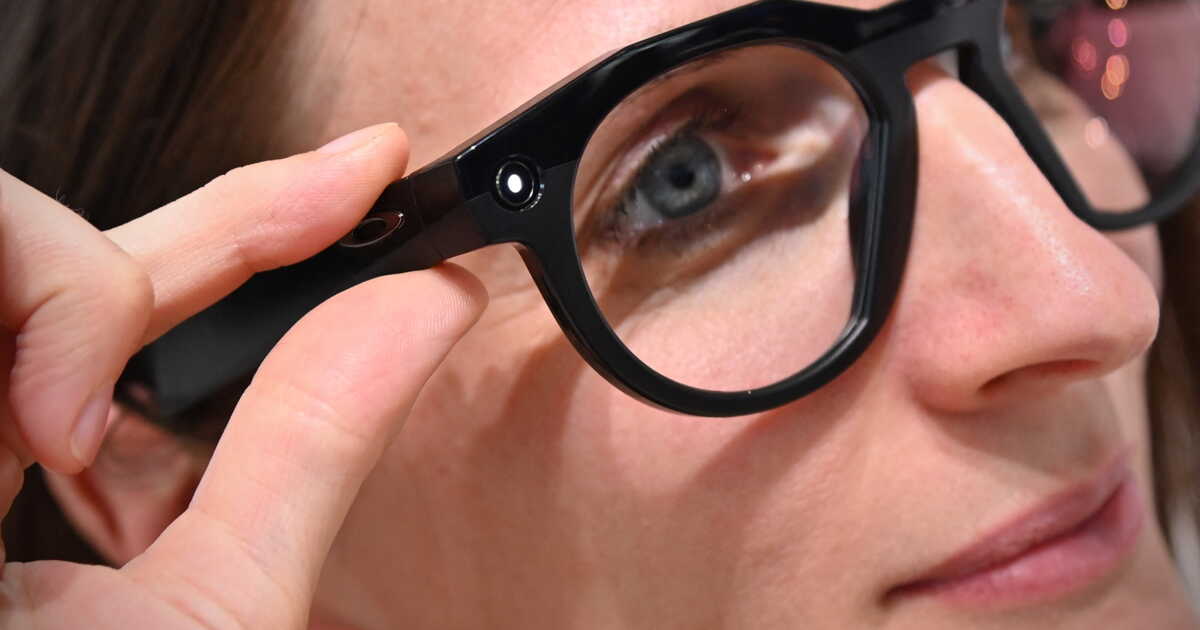
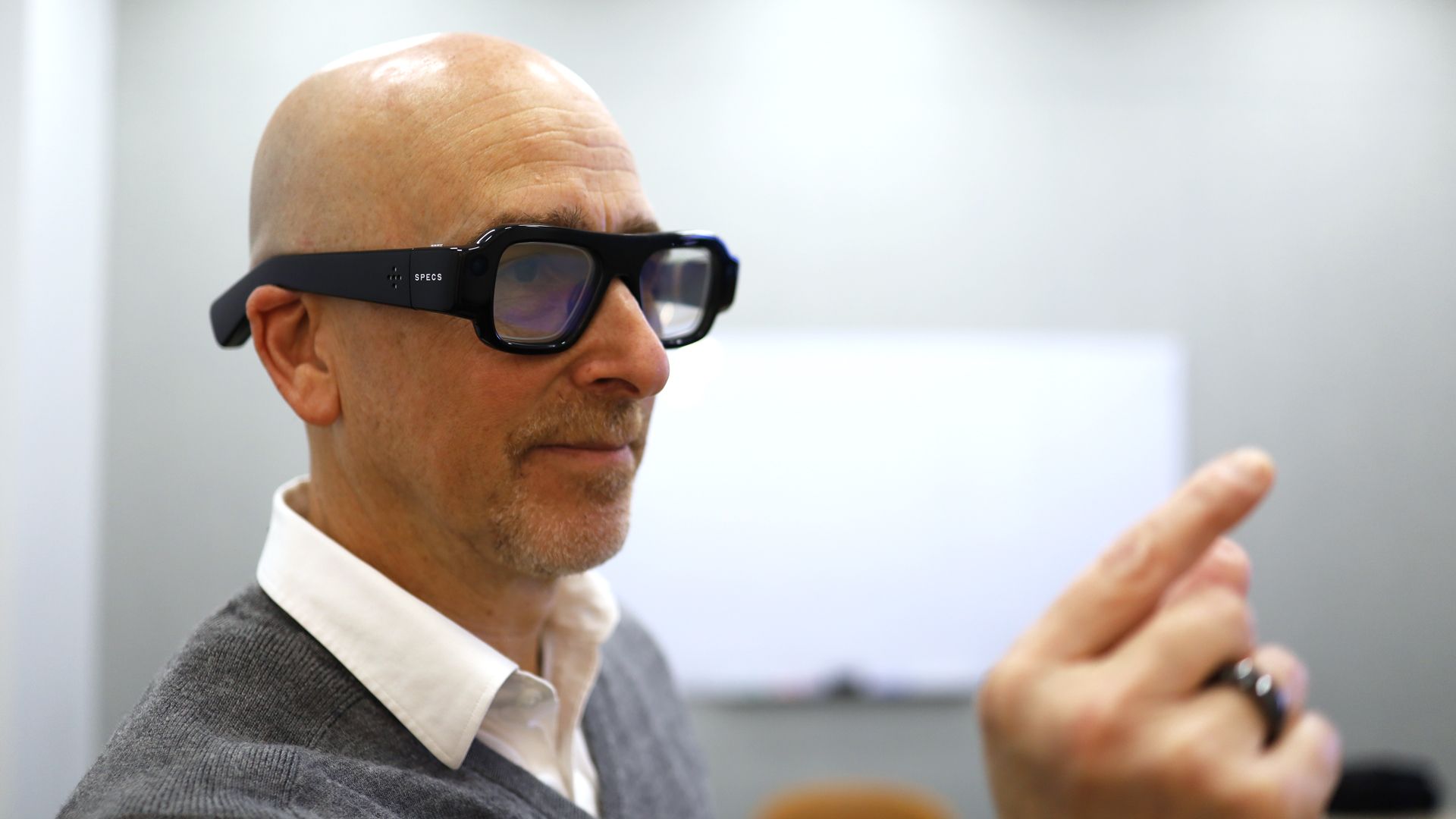
Naturally, that momentum is triggering immediate cultural revulsion. Snap chief executive Evan Spiegel did not mince words when he attacked Meta's hardware as 'really weird' spy tech that disregards bystander consent. While Spiegel positions Snap's upcoming Spectacles as a more responsible alternative, his attack reflects a mounting public consensus. A tiny, easily concealed privacy LED does not reassure strangers when high-resolution sensors are continuously pointed at their expressions.
That discomfort is boiling over into the white-collar corporate ecosystem. Human resources departments are confronting an unprecedented dilemma as prescription smart frames quietly penetrate boardrooms, client pitches, and open-plan desks. When an enterprise cannot distinguish between a regular corrective lens and an active camera recording proprietary intellectual property, existing workplace confidentiality agreements fall apart.
The institutional panic extends far beyond corporate offices. In South Korea, education authorities deployed dedicated inspectors and threatened multi-year criminal bans after consumer frames from Chinese maker Rokid solved advanced calculus problems during exam trials. Standardized testing was designed for an era when cognitive output came solely from biological memory. That testing regime cannot survive when an off-the-shelf frame acts as an invisible, hyper-competent copilot.
Hardware manufacturers know the anxiety is palpable, which explains the strategic positioning behind the HTC Vive Eagle. HTC attempted to counter Meta's ecosystem dominance by offering open AI choice, robust physical controls, and proactive privacy mechanisms. Yet as early hardware reviews reveal, moral high ground and ethical privacy toggles rarely offset clumsy charging designs, steep pricing, and the sheer scale of EssilorLuxottica's retail footprint.
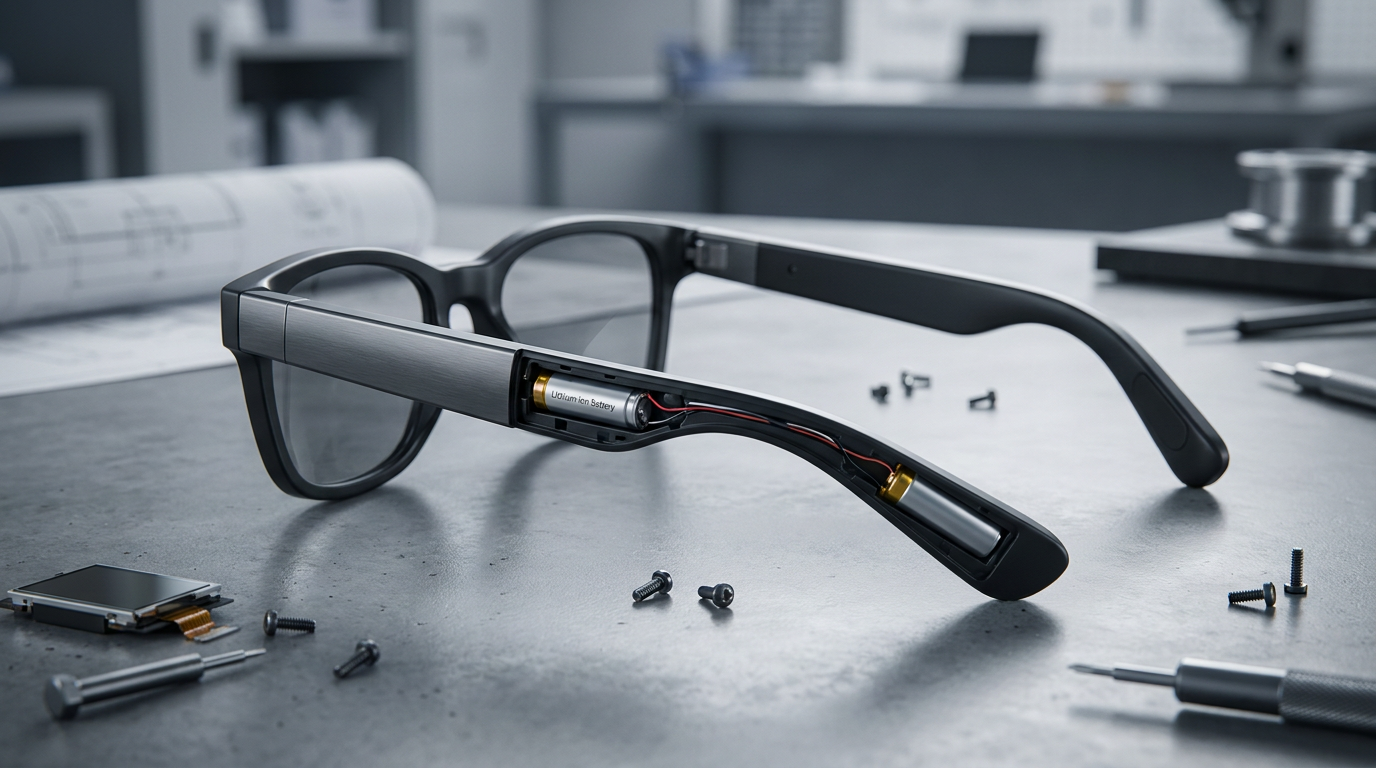
The risks go far deeper than corporate espionage or academic cheating. Security researcher Paula Pamoutaf demonstrated that intercepting over-the-air companion app calls allows unauthorized code execution directly on Ray-Ban Meta hardware. By bypassing signature checks without opening the chassis, Pamoutaf proved that these devices can become compromised listening posts. A hacked pair of glasses is not a compromised phone in your pocket; it is an active bug strapped directly to your skull.
Yet focusing solely on the dystopian hazards obscures the extraordinary utility of multimodal assistance. When six visually impaired military veterans used Meta AI glasses to tour monuments across Washington, the technology revealed its true power. Having an intelligent assistant interpret bronze plaques, navigate airport gates, and describe national memorials provides profound real-world independence. For individuals with visual impairments, always-on AI is not a surveillance gimmick: it is a transformative cognitive prosthetic.
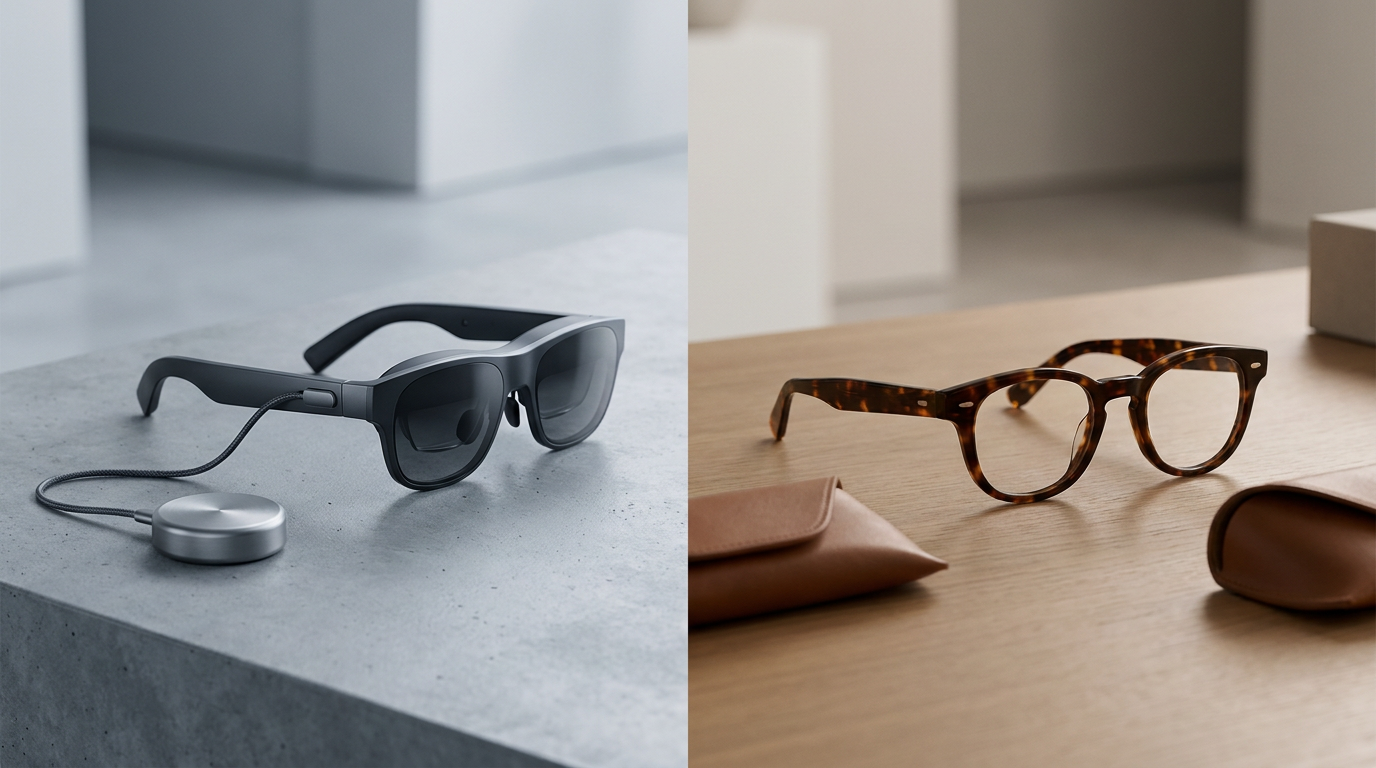
This accessibility potential highlights a fascinating geopolitical divide across the Pacific. While Western players like Meta and Google lean into audio-first lifestyle frames that hide their tech, Chinese innovators are pursuing uncompromising hardware muscle. Chinese vanguard brands like Xreal are leveraging micro-OLED supply chains to ship tethered spatial devices like the Aura, integrating Android XR directly into high-fidelity visual displays.
Meta understands the limitation of audio-only hardware, as evidenced by its 100-gram tethered spatial prototype using an external puck to offload compute. Yet Meta continues to fight a crushing deficit in consumer trust, an obstacle that lightweight ergonomics cannot solve on their own. Across Silicon Valley, spatial roadmaps are fracturing, underscored by reports that Apple Vision Pro and Siri chief Mike Rockwell is weighing an exit amid organizational reshuffling.
The philosophical question is no longer whether we want always-on AI assistants on our faces, because the market has already cast its vote. The real fight centers on architecture, ethics, and control. Google and Warby Parker want to weave Gemini into everyday acetate, HTC wants open enterprise flexibility, and Xreal wants full visual spatial dominance. Each player is betting billions that voice and computer vision will replace the glass rectangular slab in your pocket.
Society will have to adapt, just as it adapted to smartphones, digital wristwatches, and wireless earbuds. Banning smart frames in exam halls and restricting them in sensitive corporate facilities are inevitable defensive maneuvers, but they are stopgap solutions. Always-on AI eyewear has crossed the threshold from science fiction to everyday reality. The technology will not retreat, and learning to coexist with augmented faces is our next great cultural test.
Interactive guide: prices, displays, cameras, battery.
Share this story