Guides · Meta
Black Friday 2026 AI Deals: What to Expect for Meta Smart Glasses and Wearables
Early discount tracking sets the baseline for holiday AI hardware savings, with smart glasses and wearables taking center stage.
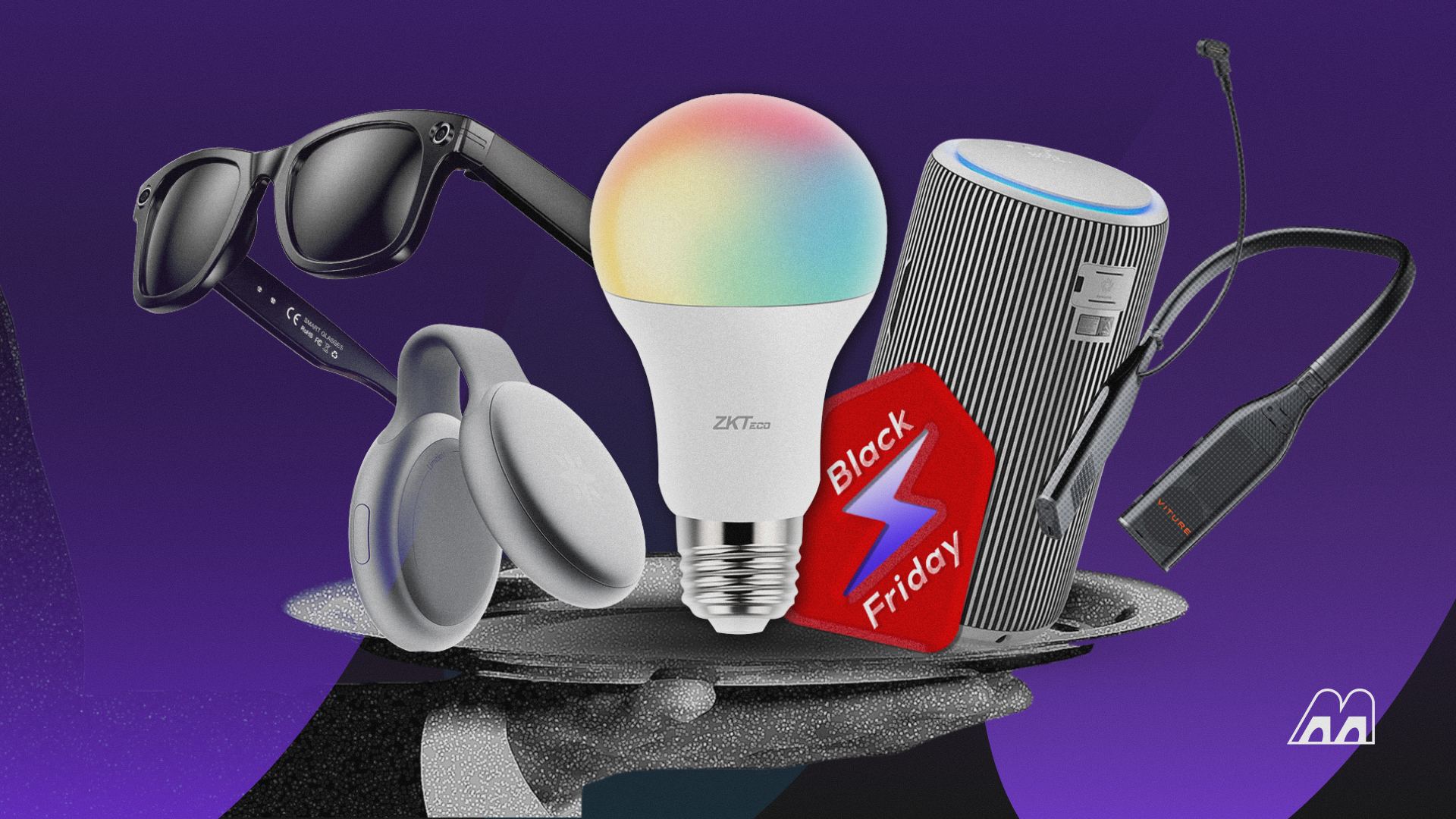
On November 8, 2026, tech publication memeburn.com highlighted how early autumn promotions have already set the baseline pricing for Black Friday AI hardware. As tech buyers look ahead to the holiday shopping rush, discount expectations are being shaped by the price floors established during October sales events, which saw deep price cuts on voice assistants and audio gear. For wearable enthusiasts, the spotlight turns to AI-enabled hardware, including smart rings, AI audio gear, and Meta smart glasses, where discounts are expected to test consumer appetite for camera-equipped and voice-driven frames.
According to memeburn.com reporter Michael Sacchitello, tracking price histories against long-term running costs is critical when assessing holiday promotions. Memeburn.com notes that October retail events already created aggressive benchmarks across mobile audio and smart home hardware, forcing shoppers to separate genuine hardware markdowns from routine promotional cycles. The publication analyzed ten AI-powered devices across categories, urging consumers to weigh upfront hardware discounts directly against ongoing software requirements.
For the smart glasses sector, holiday sales represent a pivotal proving ground. Ray-Ban Meta smart glasses have spent the past two years consolidating their position as the benchmark consumer smart eyewear product. While Meta rarely slashes retail pricing heavily outside of targeted retail bundles or modest seasonal discounts, third-party retailers often use holiday sales to package frames with prescription credits or bundled accessories. Prospective buyers tracking smart frames need to monitor whether entry-level SKUs break below their standard promotional thresholds, or whether retailers simply rely on gift-card promotions to move inventory without lowering nominal sticker prices.
How it compares: The pricing dynamics of smart eyewear differ sharply from other AI gadgets like smart rings or robot vacuums. Unlike smart rings, where several leading brands require recurring monthly subscriptions to unlock health insights and generative coaching, Meta smart glasses currently offer their core multimodal AI features without a separate software subscription. That makes any legitimate holiday hardware discount a true savings for the buyer. By contrast, deep discounts on smart rings or AI recording pendants frequently serve as loss-leaders designed to capture recurring cloud subscription fees, which quickly erase whatever discount shoppers secured at checkout.
What this means: Holiday deal hunting in the AI hardware category requires evaluating the total cost of ownership. If you are watching for discounts on Meta smart glasses or rival audio-first frames, any direct price reduction from authorized retailers represents clean value. However, shoppers should remain cautious of secondary AI gadgets offering dramatic double-digit markdowns that tie core voice and multimodal capabilities to recurring service plans. The best holiday purchase in 2026 is one where the hardware works fully out of the box on day one without demanding a credit card on day thirty.
Interactive guide: prices, displays, cameras, battery.
Share this story