Apps & Use Cases · Xreal
Blue Frog Immersive Brings 8K XR Concerts to Xreal Aura Glasses
The spatial live-music platform expands beyond Apple Vision Pro, delivering dual 8K video and Dolby Atmos audio to Xreal's display eyewear.

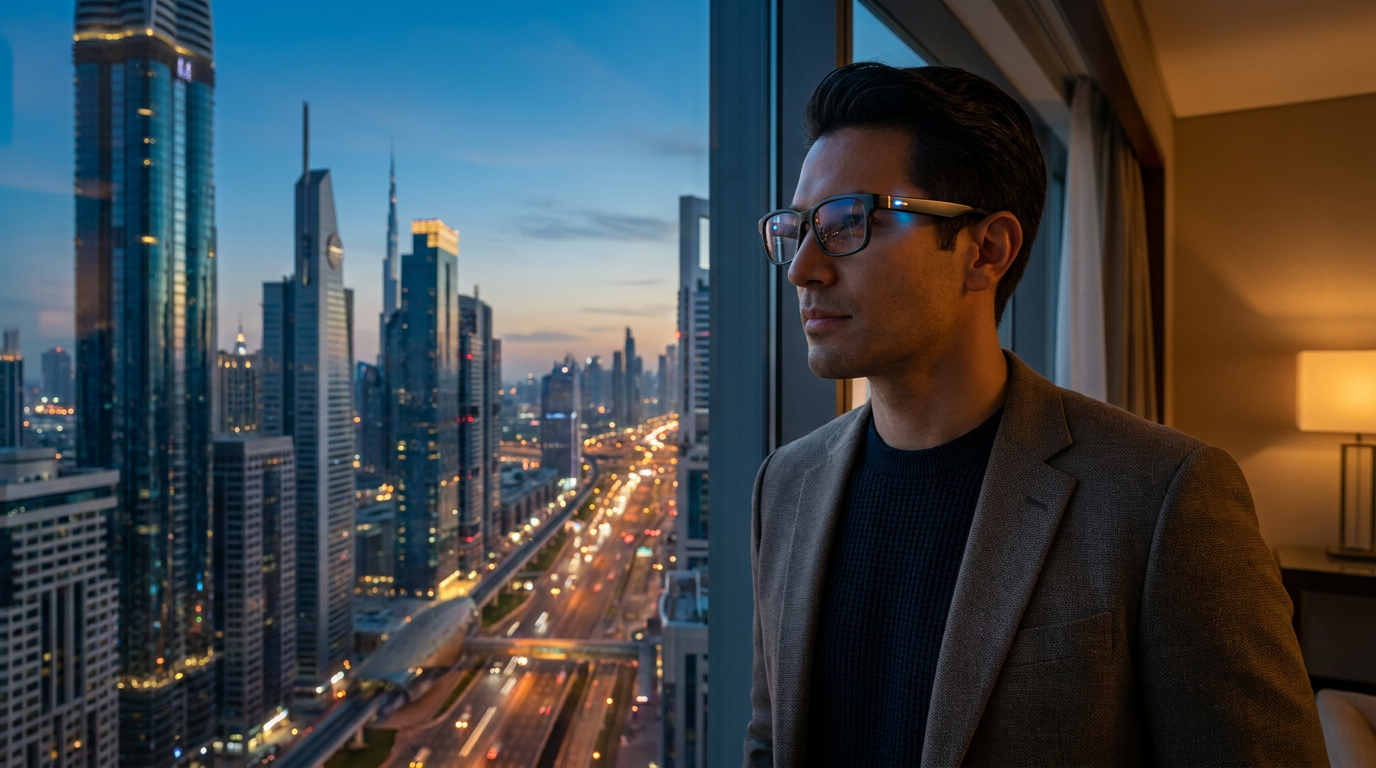
Announced on November 11, 2026, music platform Blue Frog Immersive has brought its catalog of extended-reality concert films to the Xreal Aura glasses. The launch marks the entertainment developer's first major hardware expansion beyond the Apple Vision Pro, bringing its immersive live performances to a substantially lighter, more portable pair of display glasses. Distributed as a free download through Google Play, the app streams studio-scale performances designed specifically for stereoscopic video rather than retrofitted standard broadcast feeds.
According to musicindustryweekly.com, the platform pairs dual 8K video streams with Dolby Atmos spatial audio to recreate the direct acoustic presence of a private studio gig. The current roster highlights artists including Sugaray Rayford, Miss Emily, Dawson Gray, Odds, and Steve Hill. Blue Frog, established by musician and audio engineer Kelly Breaks, relies on dedicated camera rigs and bespoke audio setups rather than standard concert video upscaling. As musicindustryweekly.com reports, Breaks compared the resulting experience to an intimate, personal version of the Las Vegas Sphere, aimed at capturing the authenticity of a live venue inside wearable hardware.
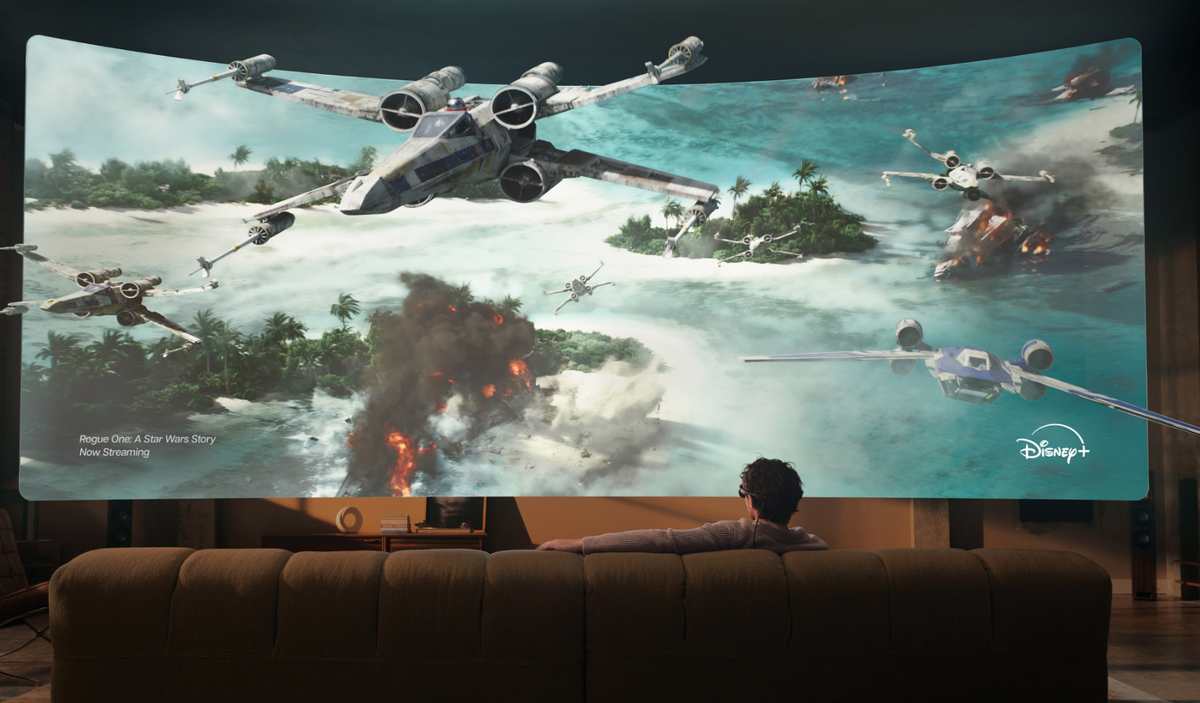
How it compares: Jumping from a fully enclosed spatial computer to lightweight display glasses changes the equation for immersive video. The Vision Pro offers unmatched processing and micro-OLED density, but its high price and bulky chassis keep it tethered to short indoor sessions. By porting its platform to Xreal Aura, Blue Frog is targeting everyday wearable displays powered by mobile hardware. While optical waveguide and birdbath optics present different field-of-view tradeoffs compared to passthrough VR, lightweight frames make sitting through an entire concert set far more practical.
What this means: Live music has historically struggled to find a sustainable home in XR. Early virtual reality concerts relied on blurry 360-degree monoscopic cameras planted awkwardly on stages, delivering distorted proportions and underwhelming audio. True stereoscopic capture combined with object-based spatial sound fixes those visual and auditory compromises, presenting a fixed vantage point that feels intentional rather than gimmicky. If indie studios can deliver polished production quality, specialty XR captures could offer touring musicians a viable digital merchandise channel.
Our take: Hardware makers have proved that micro-OLED smart glasses can deliver sharp, cinema-grade virtual screens, but compelling native content remains scarce. Watching developers move beyond passive display mirroring toward standalone Android and spatial media applications is crucial for Xreal's ecosystem. The primary hurdle will be technical: streaming high-bitrate dual 8K video to mobile-driven eyewear requires seamless decoder optimization and robust network bandwidth, meaning Blue Frog's compression pipeline will face a serious real-world test.
Interactive guide: prices, displays, cameras, battery.
Share this story