Reviews · Google
Google's Android XR Glasses Challenge Meta with Style and Gemini AI
Hands-on testing reveals Google is targeting Meta's smart glasses lead with Gemini integration, stronger privacy features, and frames from Warby Parker and Gentle Monster.
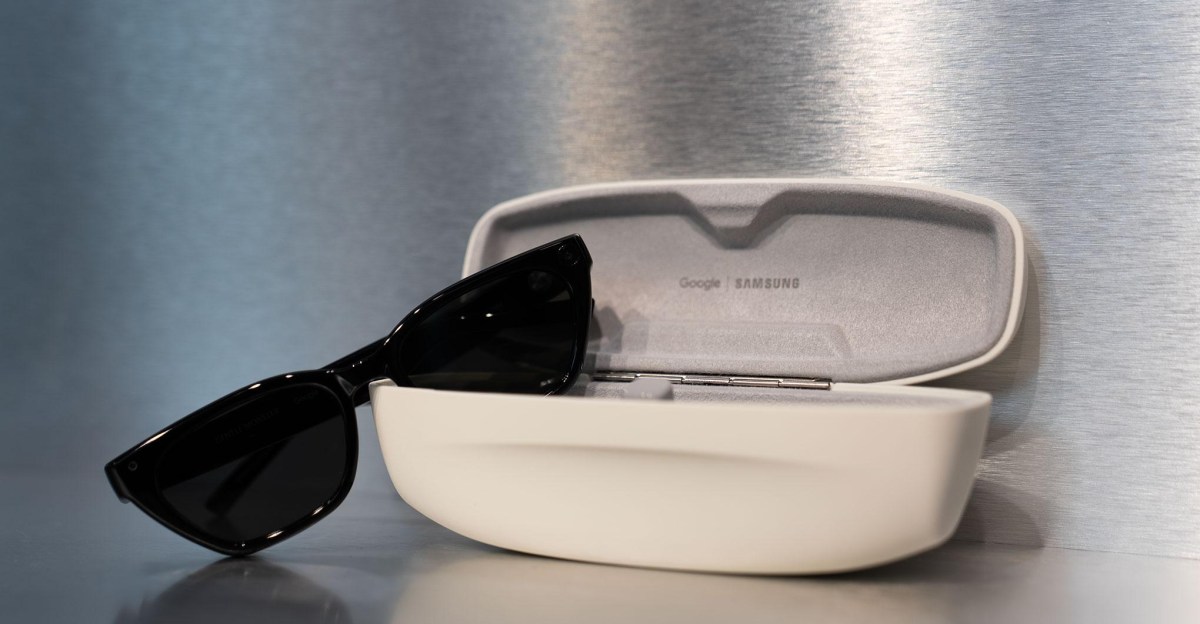
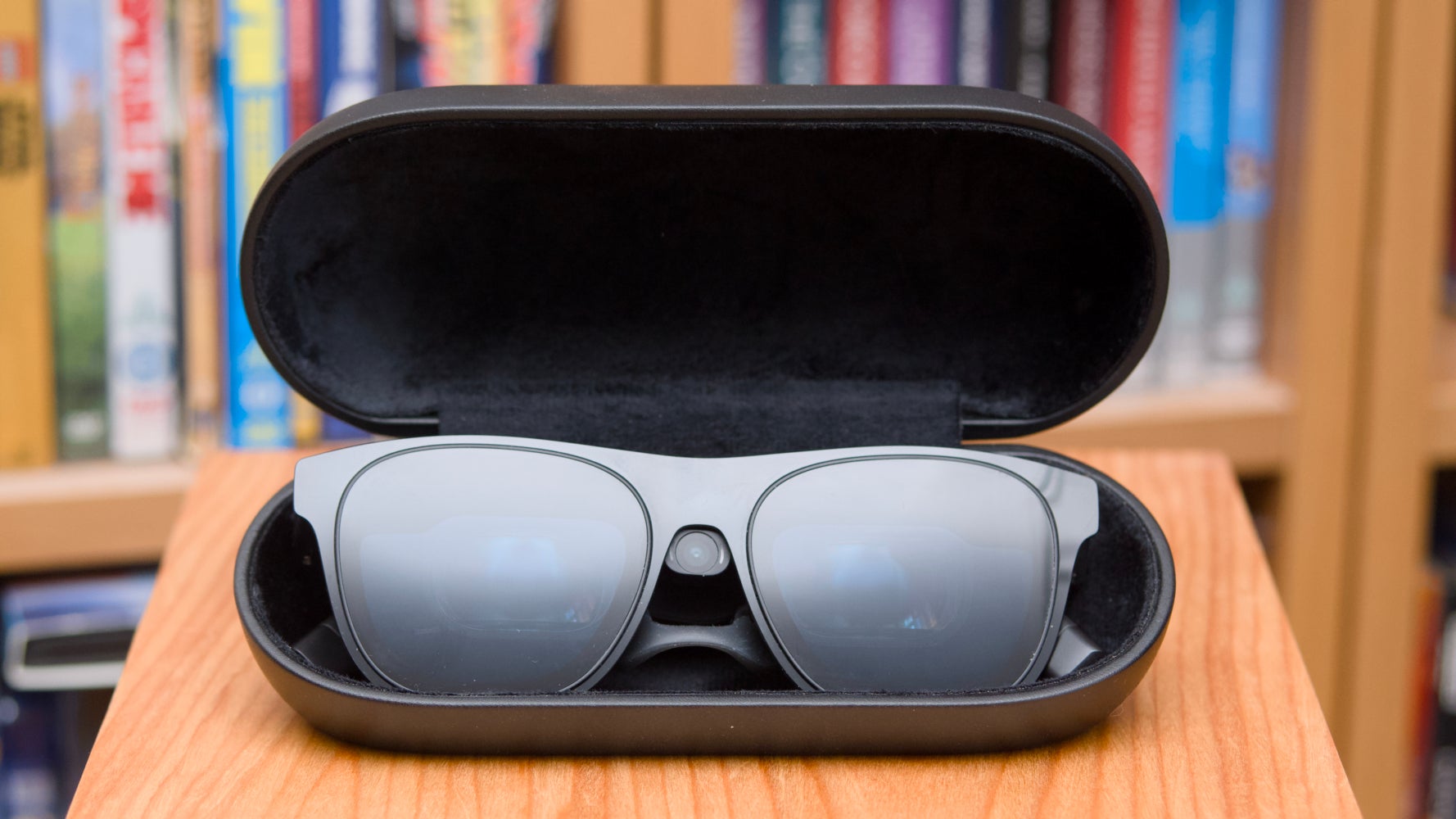
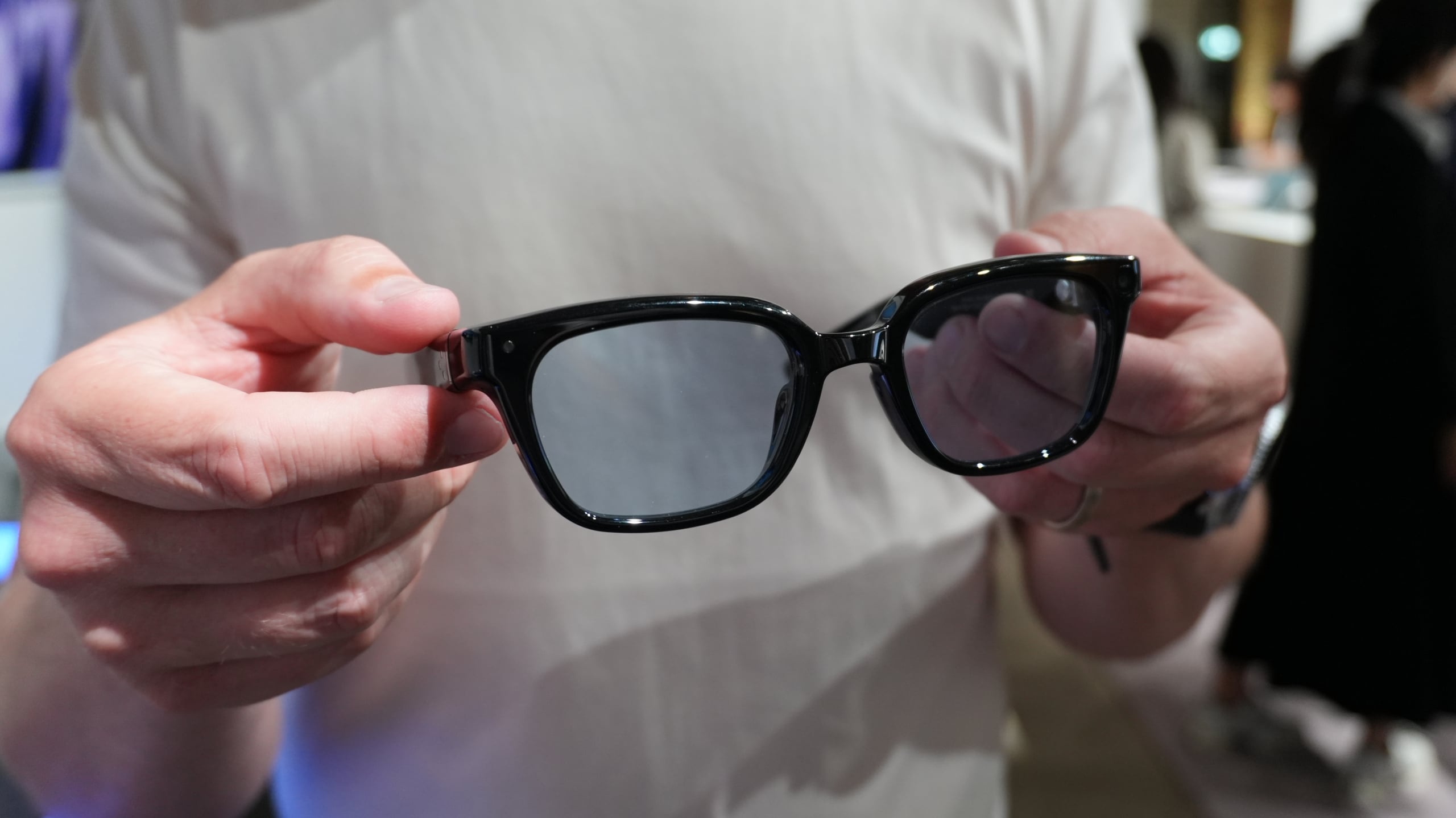
Google has officially stepped into the modern AI eyewear arena to challenge Meta's market dominance, as hands-on impressions published on November 12, 2026, reveal. Powered by Android XR and the company's Gemini models, the new hardware represents a decisive push by Google to capture everyday wearers by teaming up with established fashion eyewear brands Warby Parker and Gentle Monster.
According to first impressions reported by theverge.com, the Android XR platform delivers a noticeably superior assistant experience thanks to Gemini's contextual understanding. The outlet observed that Google's approach stands apart from competitors by offering more proactive privacy protections directly out of the box, addressing long-standing public anxieties around outward-facing cameras and persistent microphones.
Style and wearable aesthetics are clearly front and center in Google's playbook. As theverge.com reports, the hardware avoids the bulky, tech-heavy industrial design that doomed early enterprise HUDs, instead relying on Warby Parker and Gentle Monster to deliver recognizable, fashionable silhouettes that can genuinely blend into daily life without screaming consumer tech.
What this means: Meta has enjoyed a virtual monopoly in the mainstream camera-glasses space since the launch of the Ray-Ban Meta line. While Meta relied on EssilorLuxottica to make smart glasses socially acceptable, Google's dual partnership with Warby Parker for classic North American style and Gentle Monster for design-forward, global fashion gives Mountain View immediate cultural credibility. Integrating Gemini gives Google an assistant that excels at multi-turn reasoning and personal context, an area where Meta AI has historically felt limited to basic look-and-ask queries.
How it compares: The true battleground will be software execution and battery efficiency. Meta's glasses established the baseline for wearable capture and quick audio queries, but they lack display capability and deeper operating system hooks. By building on Android XR, Google has the technical foundation to scale from audio-only AI frames up to display-enabled mixed reality. If Google manages to keep battery life competitive while offering tighter Android ecosystem integration, Meta will face its first genuine existential threat in wearable computing.
We've been tracking Google's shifting XR strategy for years, from the cautionary tale of Google Glass to its recent platform reboot around Android XR. The decision to outsource frame design to Warby Parker and Gentle Monster shows that Google finally learned the cardinal rule of head-worn devices: if people do not want to put them on their faces, the underlying artificial intelligence simply does not matter.
Interactive guide: prices, displays, cameras, battery.
Share this story