Reviews · Snap
Snap Spectacles Hands-On: Bold and Quirky, but Far From Tony Stark
Hands-on testing reveals Snap's standalone AR frames are as audacious as ever, but bulky hardware keeps sci-fi dreams grounded.

On November 10, 2026, techradar.com published hands-on impressions of Snap's latest Spectacles, evaluating how the company's bold augmented reality hardware holds up in everyday use. According to techradar.com, the standalone AR frames are big, vibrant, and undeniably quirky, yet testing them confirms that the technology is still far from transforming wearers into an augmented reality superhero.
The review highlights the trade-offs inherent in Snap's design philosophy. Rather than stripping out features to produce lightweight audio eyewear, Snap built a full spatial computer directly into the frame. As techradar.com notes, the resulting device makes an undeniable physical statement on your face, embracing an unconventional, boxy silhouette that prioritizes experimental spatial lenses over subtle, fashion-first aesthetics.
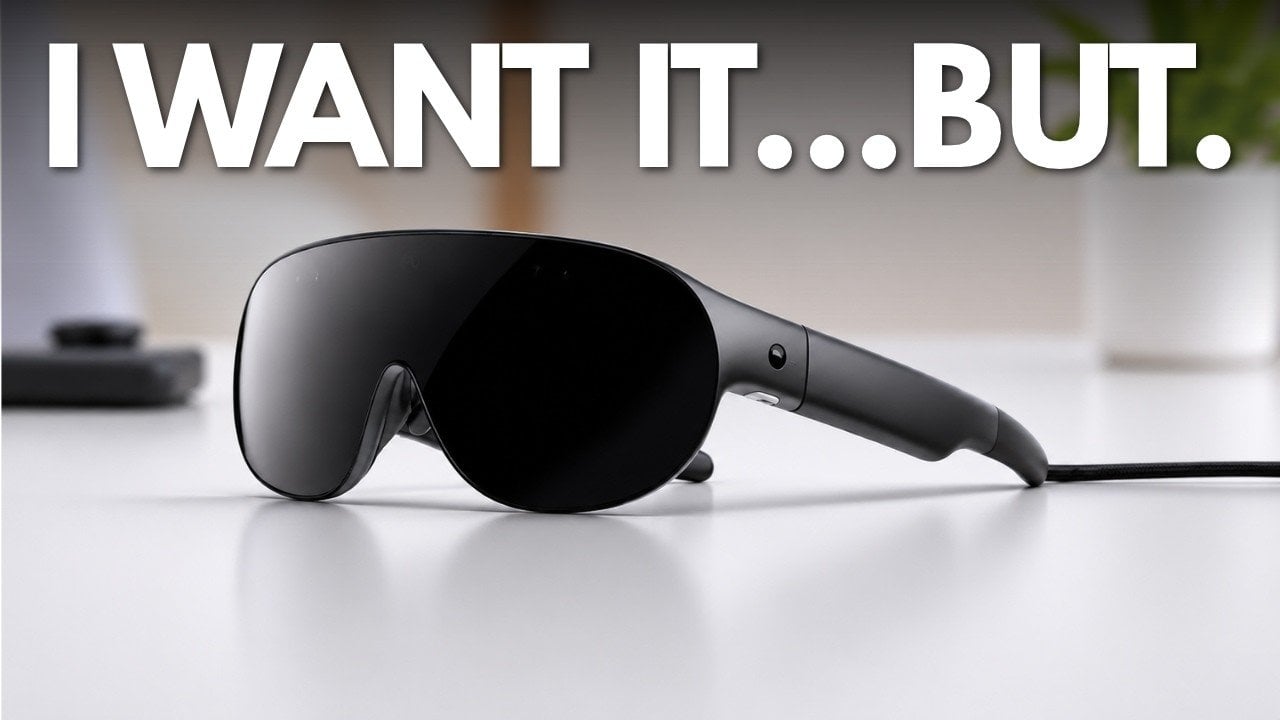
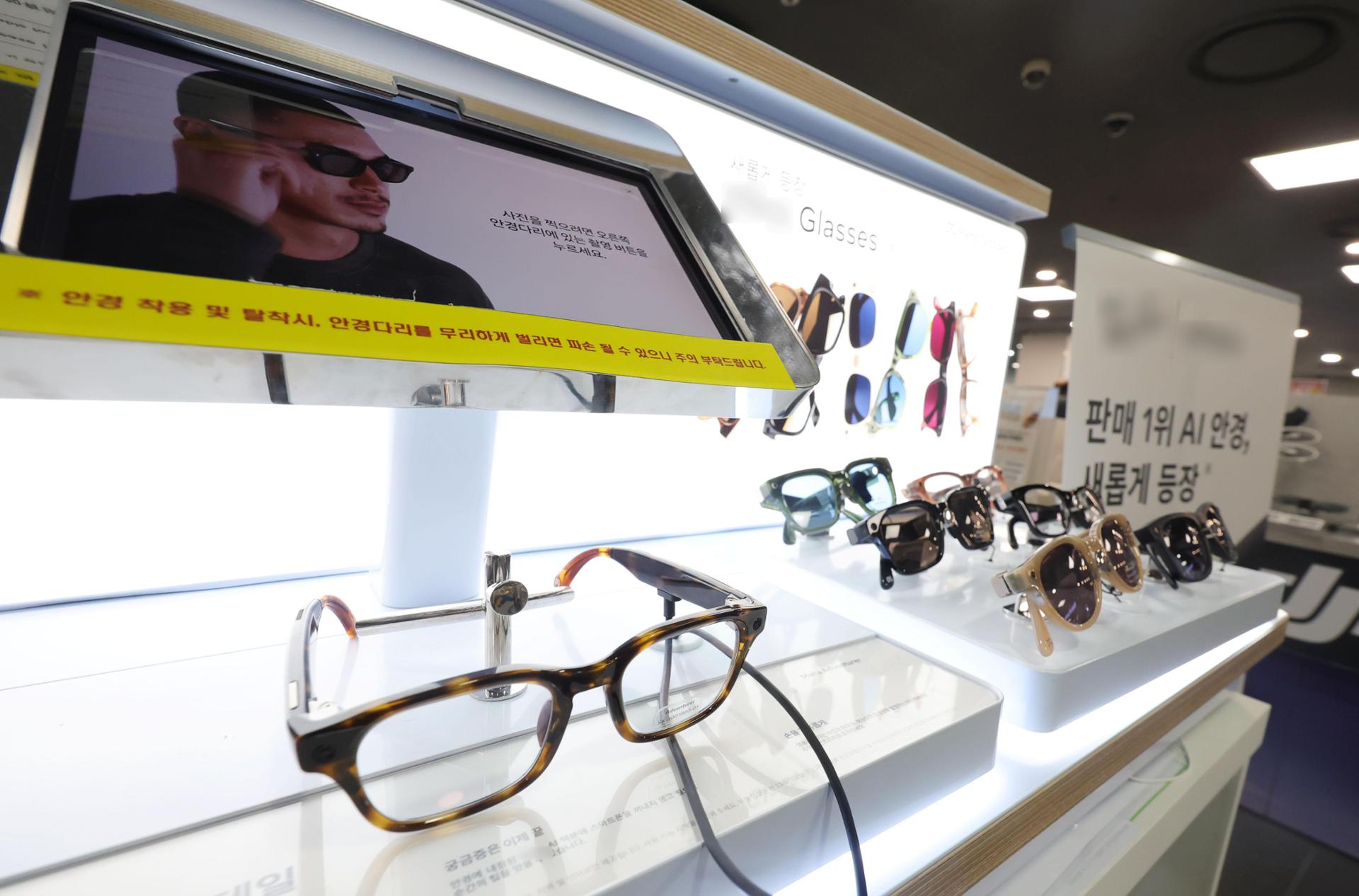
How it compares: Snap's approach sits in stark contrast to the rest of the wearable market. While Meta found mass-market success by focusing on audio, camera capture, and onboard AI with the Ray-Ban Meta line, Snap insists on delivering untethered, optical see-through AR right now. Rival spatial glasses from makers like XREAL achieve slimmer profiles only by tethering via cable to a phone or puck. Snap houses the displays, compute, thermal management, and batteries entirely in the temples, which explains both its technical achievement and its polarizing heft.
Our take: Snap deserves credit for putting fully untethered augmented reality into the hands of developers today rather than hiding prototypes behind closed lab doors. However, hardware physics remains unforgiving. Combining waveguides, bright projectors, dual chips, and ambient sensors into wearable plastic demands noticeable bulk and limits runtime. Snap OS provides one of the most delightful, developer-friendly spatial playgrounds available, but the form factor reminds us why mass-market optical AR glasses remain years away from mainstream adoption.
What this means: For creators and AR pioneers, Snap's hardware is an essential testbed for mapping how virtual objects and hand gestures interact with physical spaces. For everyday consumers seeking sleek smart eyewear, camera and audio frames will remain the practical choice until waveguide optics and battery chemistries take their next evolutionary leap.
Interactive guide: prices, displays, cameras, battery.
Share this story