Reviews · Google
Android XR Hits Frames: Google and Samsung Take on Ray-Ban Meta
Testing the first display-free Android XR smart glasses from Warby Parker and Gentle Monster proves audio-first eyewear still has serious momentum.
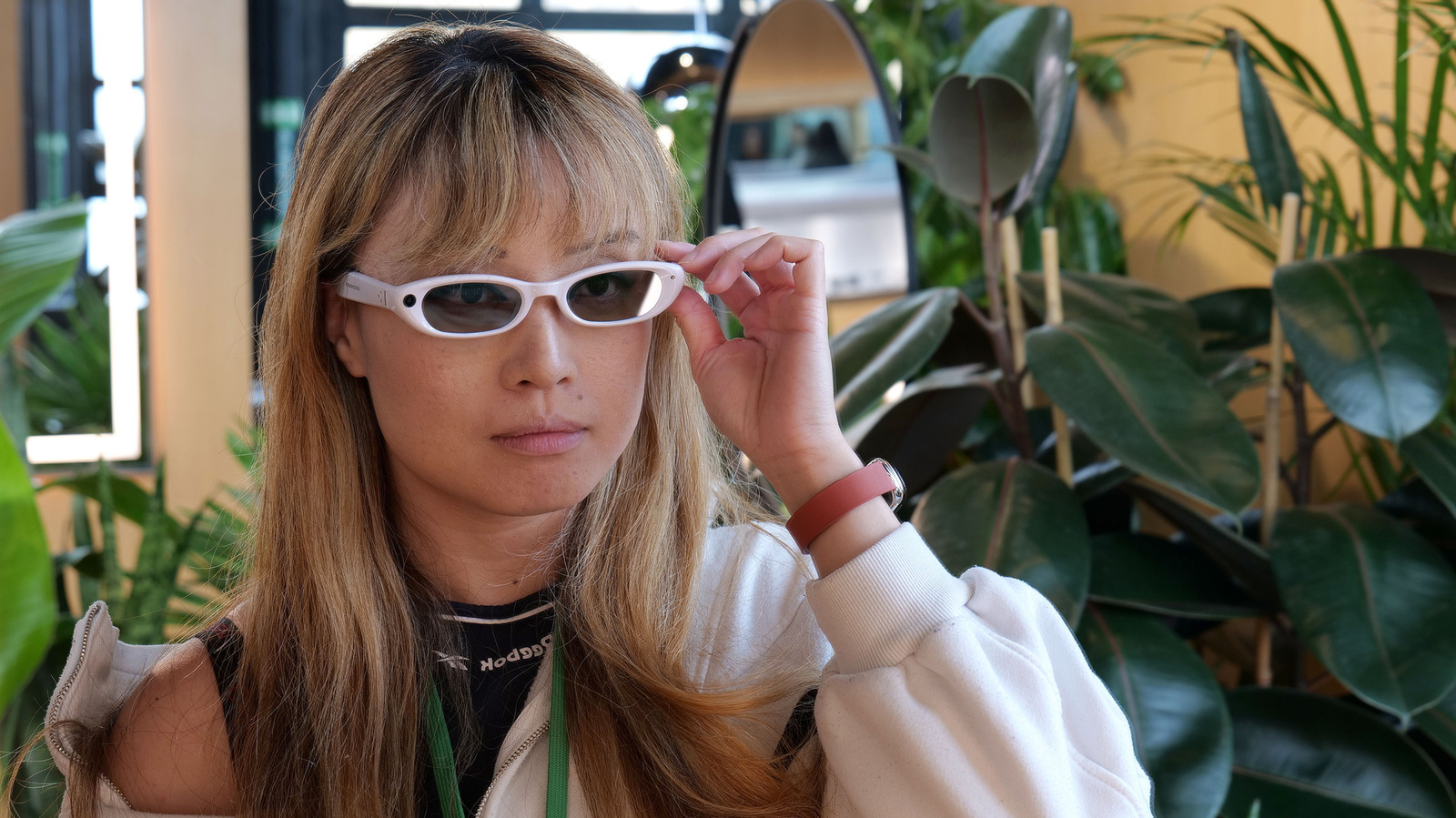
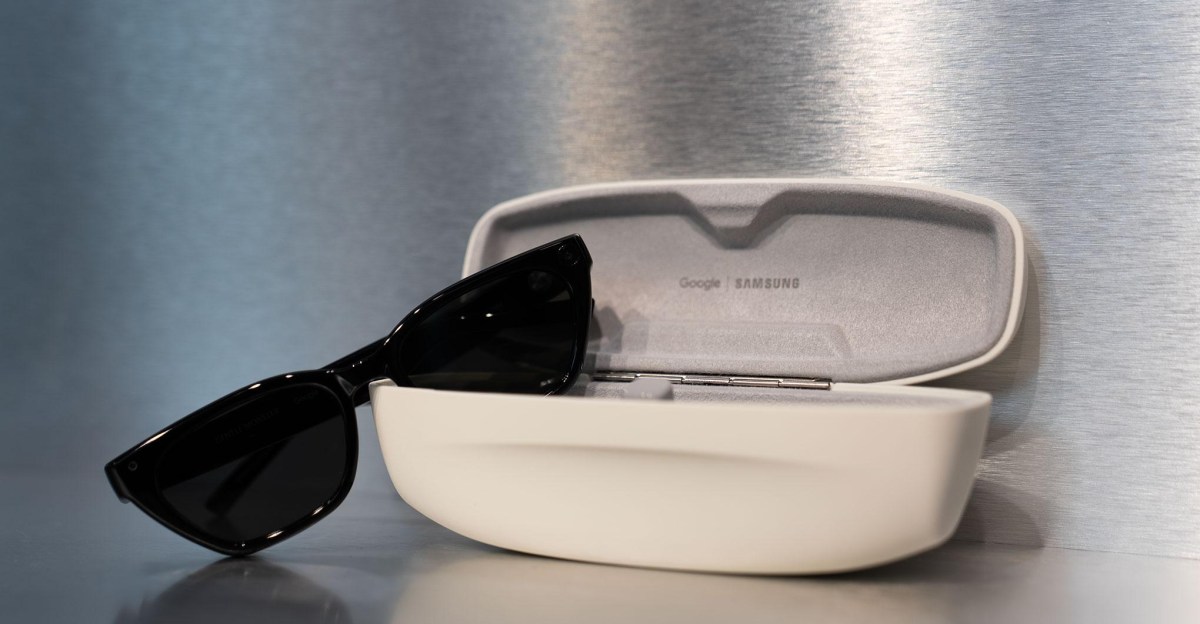
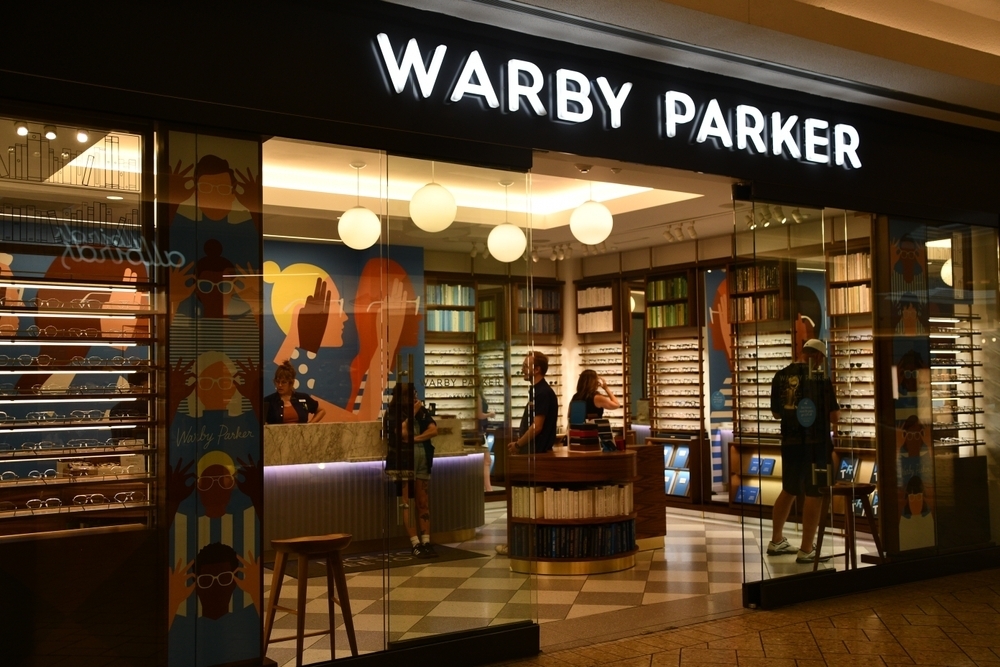
On November 12, 2026, Google expanded its spatial computing platform beyond bulky headsets with the debut of its first lightweight smart glasses powered by Android XR. Rather than building everything in-house, Google established a three-way tag team: Google supplies the operating system, Samsung packages the internal hardware and sensor suite, and fashion eyewear brands Warby Parker and Gentle Monster handle design, prescription lens fitting, and retail distribution. The result is a direct challenge to the market-leading Ray-Ban Meta lineup.
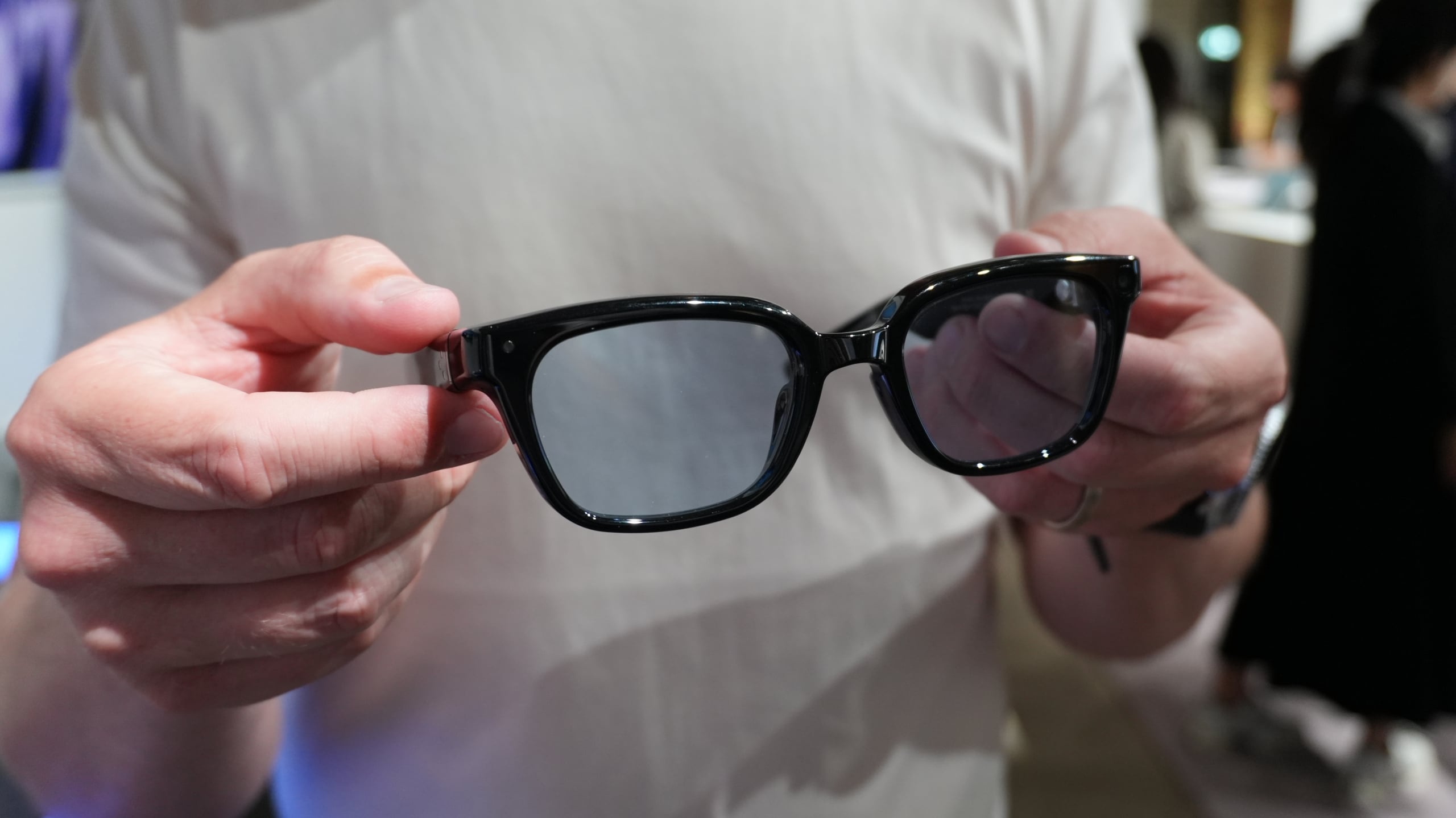
The split in manufacturing responsibilities creates an intriguing dynamic. Warby Parker's collection starts at $395, while Gentle Monster's fashion-forward catalog enters at $449. Despite the $54 price gap, both lineups share an identical silicon and sensor foundation engineered by Samsung. Under the acetate, each pair packs 2GB of RAM, 64GB of internal storage, far-field microphone arrays, stereo open-ear temple speakers, and a 12MP camera capable of capturing video up to 3K resolution.
Battery life is rated at roughly nine hours of mixed use per charge across all frames, complemented by a protective charging case capable of refueling the glasses several times over. Crucially, Google is not walling off features behind a paywall: full access to Gemini assistant capabilities is included without a paid subscription, and the companion software maintains functional parity across both Android and iOS devices.
Physical controls follow familiar industry conventions. According to Sam Rutherford of engadget.com, who went hands-on with the hardware, a dedicated button on the right temple captures photos with a short press and records video when held down. A capacitive touch sensor along the right arm handles playback, call volume, and assistant dismissal. While Rutherford noted his ongoing preference for hardware with integrated optical displays, he reported that testing the hardware made him reconsider his skepticism regarding display-free audio and camera frames, praising the comfortable form factors and effortless Gemini voice summoning.
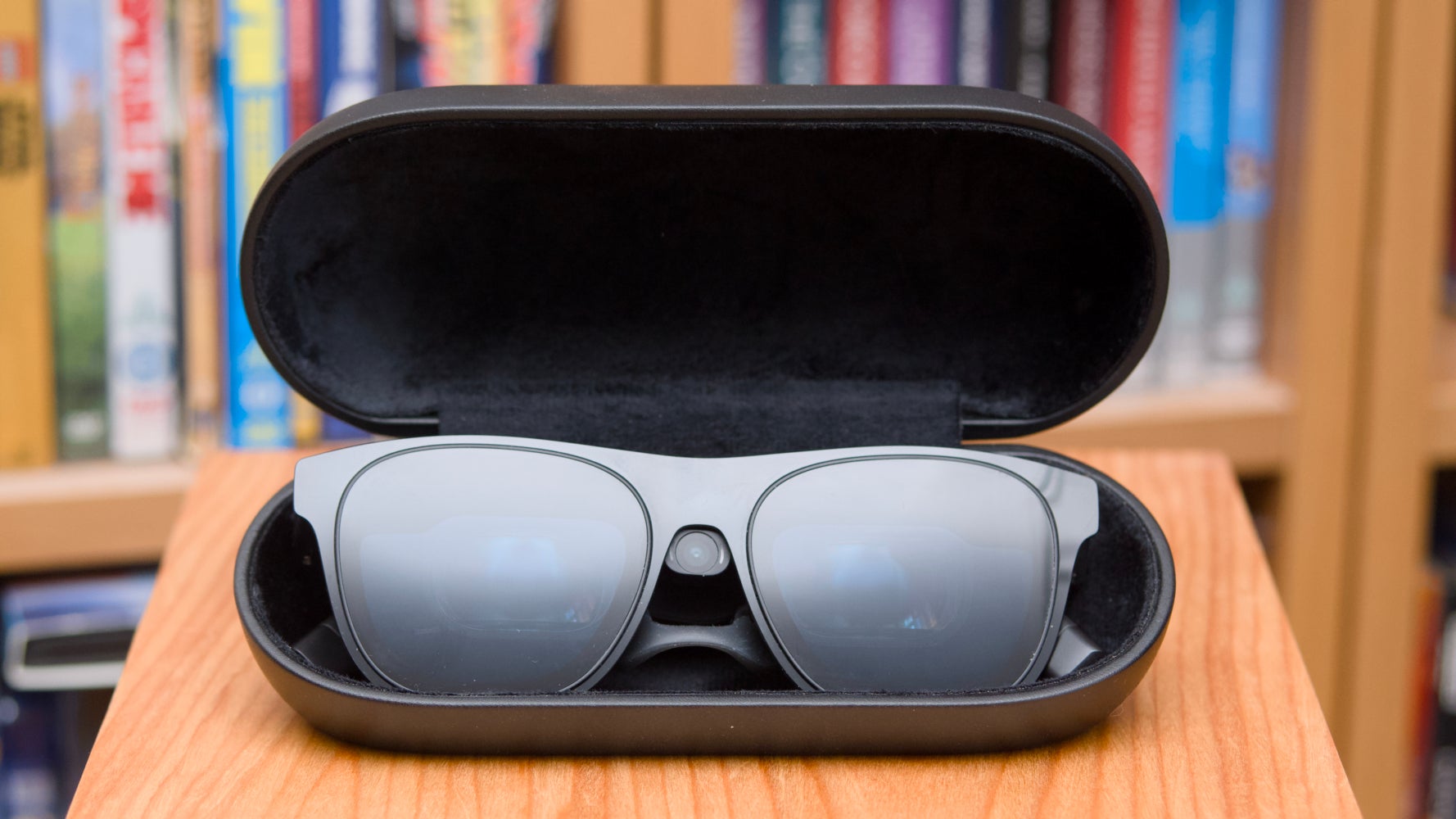
Noticeably absent from this initial Android XR eyewear rollout is any form of microLED or waveguide display. That leaves the recently released Meta Ray-Ban Display without a direct Android-powered competitor for visual notifications or viewfinder framing, keeping this first wave strictly focused on audio, contextual vision capture, and ambient AI assistance.
What this means: Google is applying its classic Android playbook to the smart eyewear sector, relying on established fashion labels to win over mainstream faces rather than attempting to manufacture prescription optics itself. By letting Gentle Monster and Warby Parker handle lens labs, styling, and customer support, Google instantly bypasses the brutal logistical headaches of prescription eyewear fulfillment that trip up pure tech companies. The inclusion of full iOS support also signals that Google understands smart glasses must function as universal daily accessories, not phone-exclusive peripherals.
How it compares: At $395 and $449, these Android XR glasses command a premium over base Ray-Ban Meta frames, but the inclusion of double the storage capacity (64GB versus 32GB standard) and higher-resolution 3K video recording narrows the value gap. The real battleground will be software execution. If Samsung's camera tuning and Google's multimodal Gemini integration can process visual queries faster than Meta AI, Google may quickly establish itself as the premier open alternative in ambient AI wearables.
Interactive guide: prices, displays, cameras, battery.
Share this story