News · Meta
UK Lawmaker Fact-Checked Over Claim of 7 Million Meta Smart Glasses Sold in Britain
A UK debate on wearable privacy got its numbers mixed up when an MP conflated global EssilorLuxottica shipments with domestic sales.

On November 9, 2026, fact-checking organization fullfact.org addressed a misleading claim made in the UK Parliament regarding the scale of smart glasses adoption. Independent MP Shockat Adam claimed during a Westminster Hall debate that more than seven million pairs of smart glasses from a single brand were purchased in the UK alone over the past year. As fullfact.org reporter Leo Benedictus clarified, that figure conflated global manufacturer shipments with domestic sales, vastly overstating the current presence of camera-equipped frames on British streets.
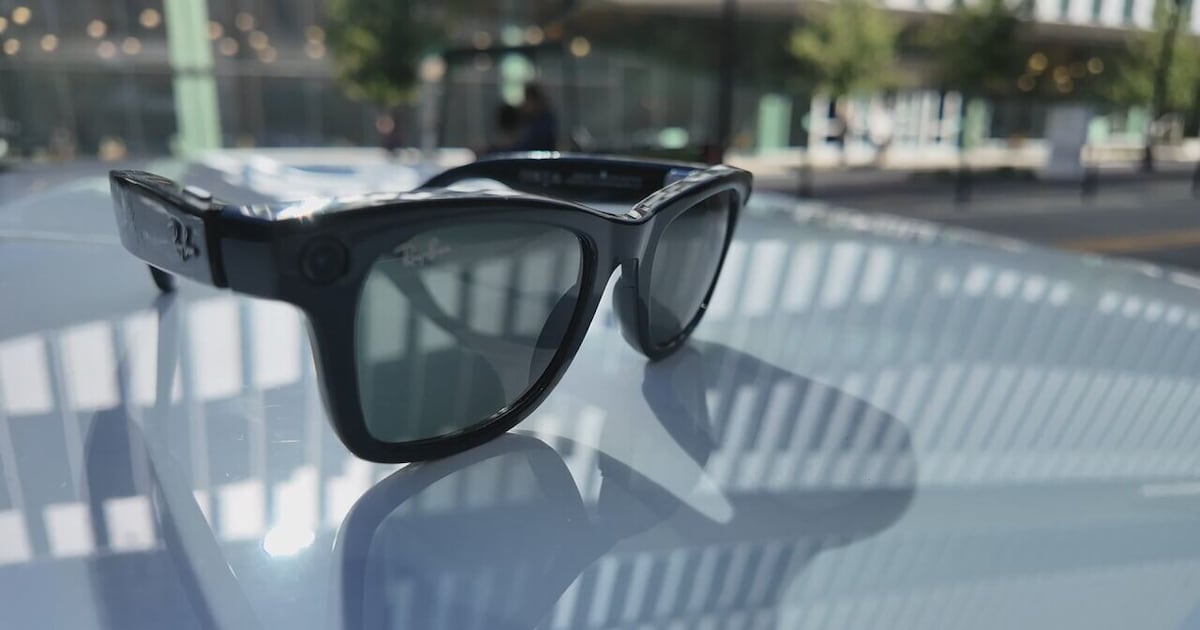
According to fullfact.org, the lawmaker's office confirmed that Adam intended to cite global metrics rather than UK retail sales. The data point originated from eyewear giant EssilorLuxottica, the manufacturing partner behind Meta's connected frames. In February, EssilorLuxottica announced that global sales of its AI-powered glasses, spanning both the Ray-Ban Meta line and the Oakley Meta models released in mid-2025, exceeded seven million units for the full year. Those units were distributed worldwide across various retail and optical channels, with no specific breakdown provided for individual national markets.
The actual domestic footprint for smart eyewear in the UK remains far more modest. Citing consumer survey data, fullfact.org reported that roughly 2 percent of people in the UK aged 16 to 75 own or have regular access to smart glasses. That percentage translates to approximately one million individuals across the country. While one million active users represents meaningful growth for a hardware category that barely existed a few years ago, it is a fraction of the seven million annual domestic sales figure presented to lawmakers.
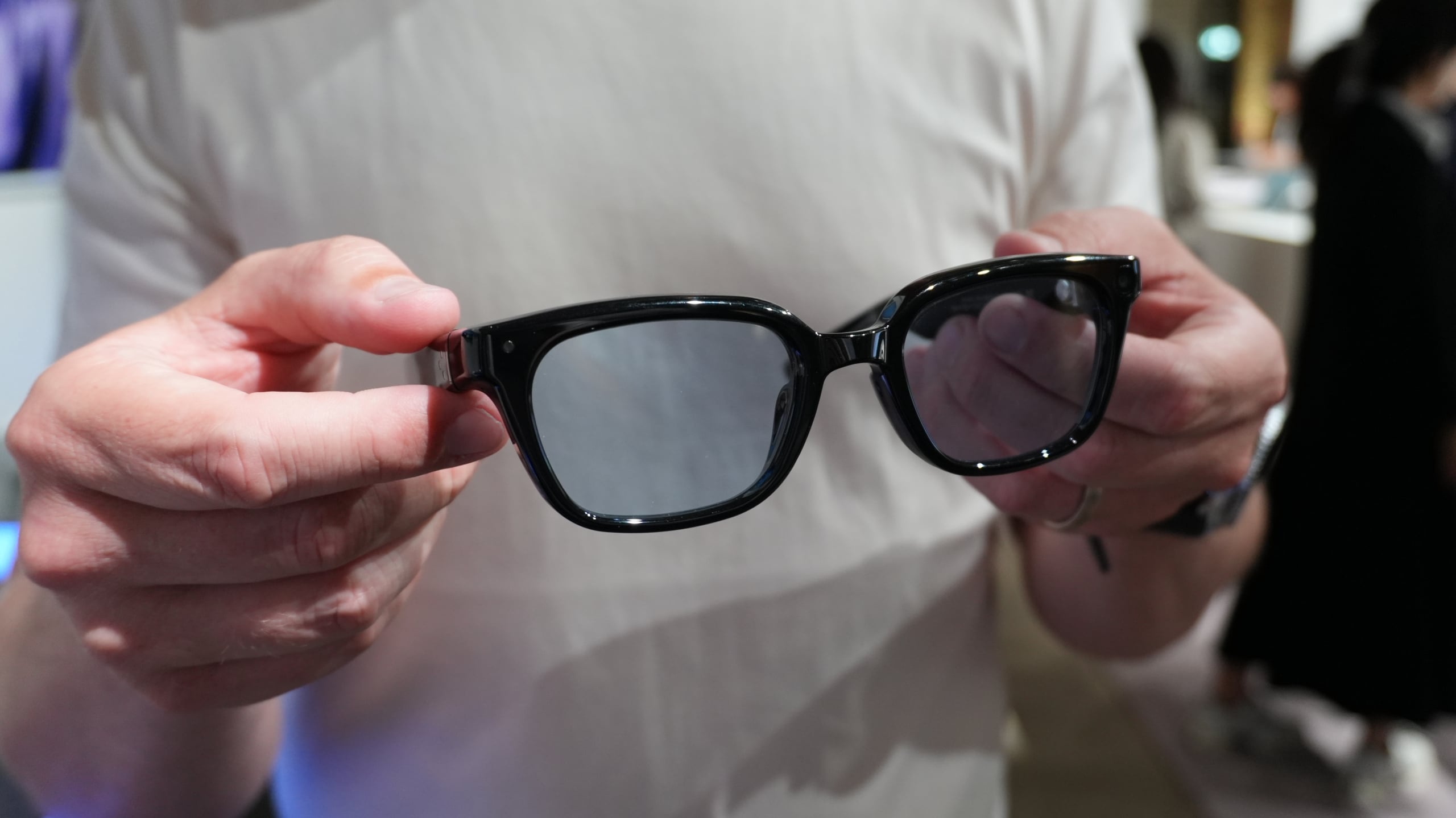
The factual error occurred during a parliamentary debate focused on violence against women and girls, which addressed privacy concerns, public recording, and covert photography. As connected eyewear evolves to look virtually indistinguishable from conventional designer frames, legislators in several countries have raised questions regarding recording LEDs, bystander consent, and future facial recognition capabilities. However, exaggerating domestic deployment figures risks skewing regulatory debates by presenting fringe adoption as universal saturation.
Even when correctly framed as a worldwide milestone, EssilorLuxottica delivering over seven million AI frames in 2025 underscores substantial growth for the category. The original Ray-Ban Stories suffered from poor retention, but the second-generation Ray-Ban Meta frames found commercial traction thanks to improved audio, faster capture speeds, and onboard multimodal AI assistants. The subsequent expansion into the Oakley brand helped capture sports and performance demographics, consolidating Meta's lead in audio-and-camera wearables.
What this means: The parliamentary confusion highlights the growing pains of a hardware sector stepping into political and regulatory crosshairs. Seven million global units proves that AI eyewear is no longer just an experimental niche for Silicon Valley early adopters. At the same time, policy discussions require accurate data. Claiming seven million frames were sold in the UK would imply that one out of every ten residents bought smart glasses last year. With real domestic ownership sitting closer to one million people, the UK market is only beginning its transition, giving regulators and hardware makers time to establish sensible privacy norms before mass adoption truly arrives.
Interactive guide: prices, displays, cameras, battery.
Share this story