Apps & Use Cases · Meta
Meta AI Glasses Assist Injured Veteran in Real-World Accessibility Push
A program deploying Meta smart glasses highlights how multimodal AI hardware can restore everyday independence for wounded service members.

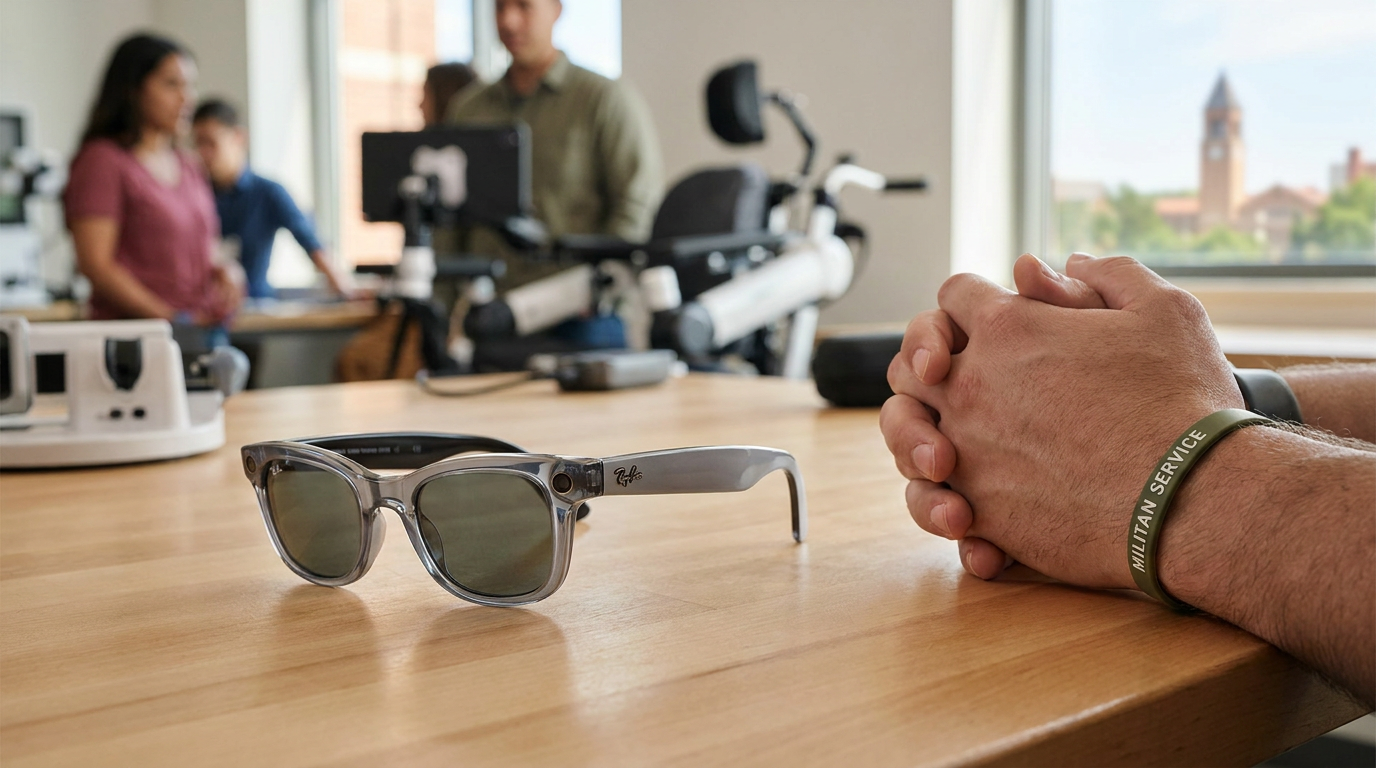
On November 9, 2026, reporting highlighted how consumer smart eyewear is increasingly moving beyond novelty tech into essential assistive hardware. According to indianagazette.com, Jeremy Feldbusch, an injured veteran from Blairsville who suffered a traumatic brain injury from shrapnel and artillery rounds during his deployment in Operation Iraqi Freedom, has become one of the direct beneficiaries of a program leveraging Meta AI glasses to aid daily living.
While smart glasses have spent years chasing mass-market appeal through casual photography, open-ear audio, and hands-free calling, their multimodal artificial intelligence capabilities have quietly emerged as a game-changer for people with vision impairment and cognitive injuries. According to indianagazette.com, Feldbusch's participation underscores how wearable computer vision tools are moving out of clinical test environments and into everyday routines for wounded military veterans.
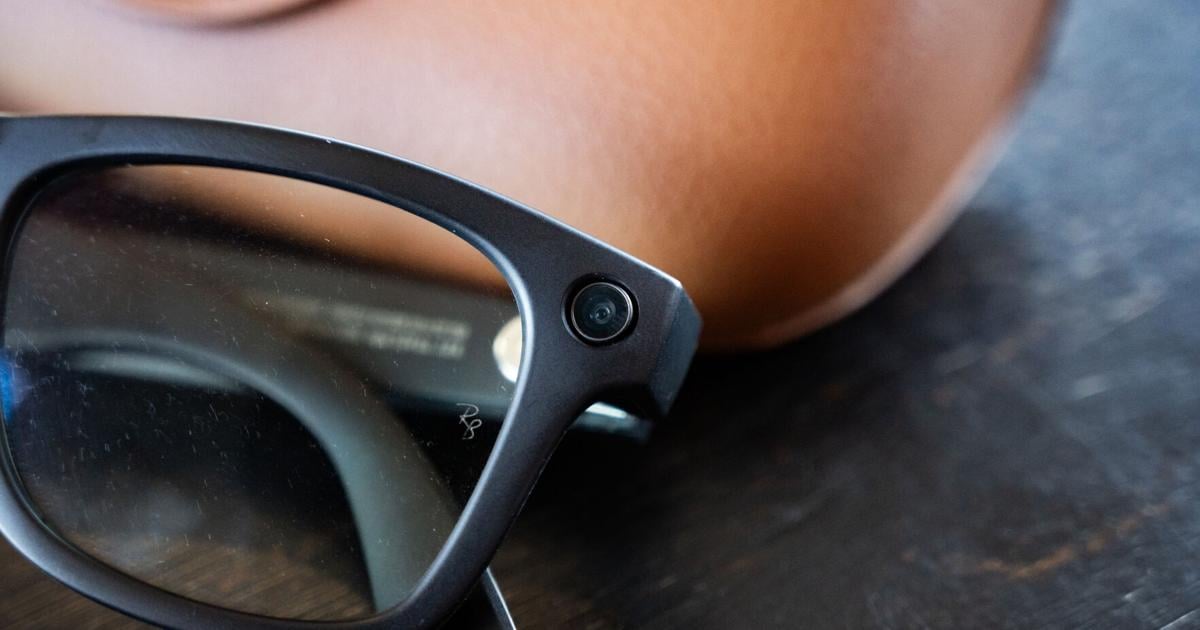
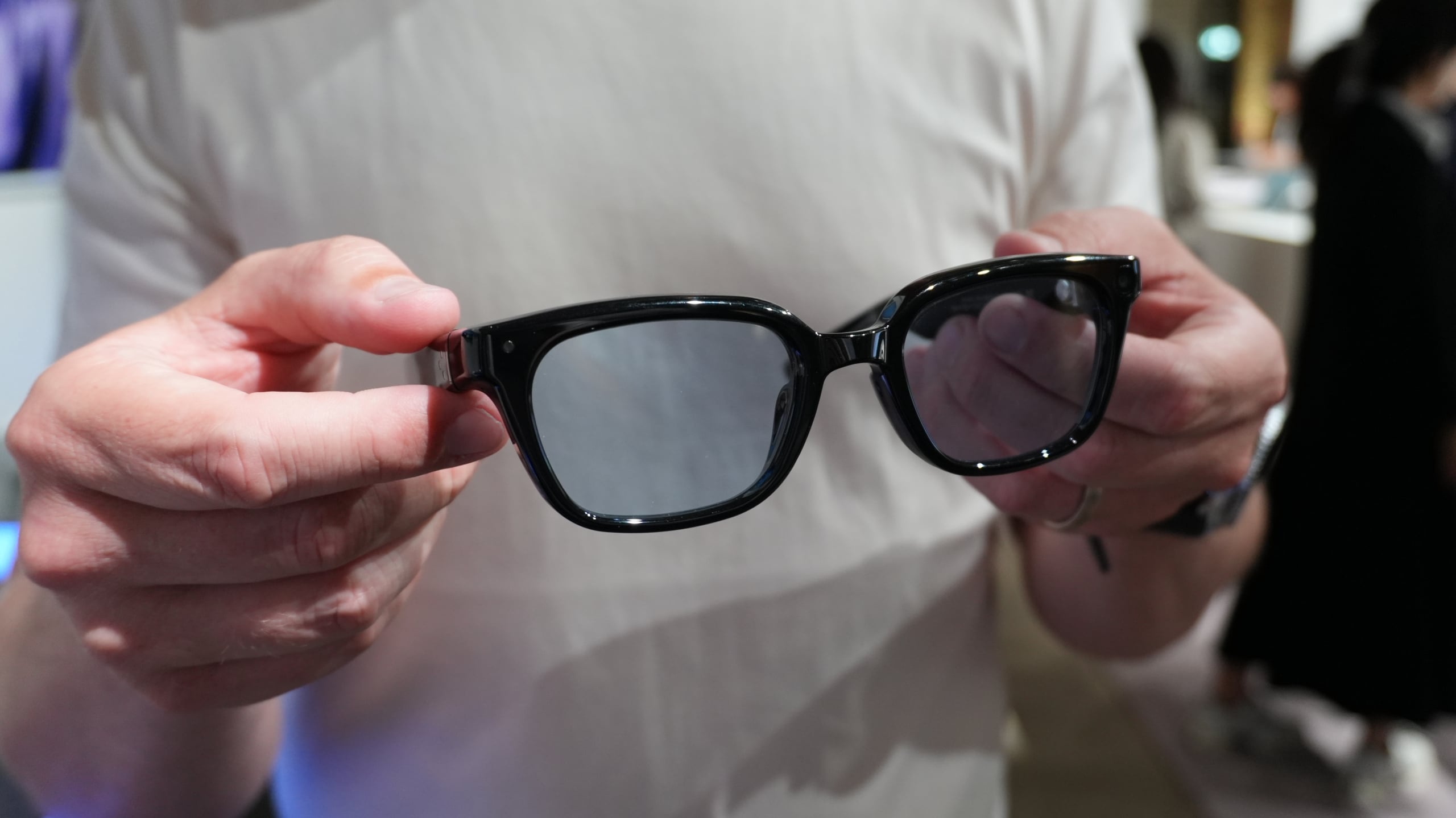
The core appeal of using Meta smart glasses in accessibility settings lies in their heads-up, first-person perspective. Equipped with forward-facing cameras and onboard microphones, the glasses allow wearers to ask questions about their surroundings without holding up a smartphone. The AI engine processes the scene, reading text, identifying obstacles, describing packaging, and interpreting navigation signs aloud through open-ear speakers. For individuals dealing with severe trauma or sensory limitations, having real-time visual assistance delivered directly into their ears can significantly lower the friction of ordinary daily tasks.
What this means: Assistive technology has traditionally been defined by niche, high-cost medical devices. Purpose-built hardware from specialized accessibility brands often commands price tags ranging from $2,000 to well over $4,000, severely restricting distribution to specialized grant recipients or well-funded clinical rehabilitation programs. Consumer devices like the Ray-Ban Meta glasses, which start at around $299, completely invert that economic model. By taking an affordable, stylish consumer product and equipping it with cloud-based multimodal AI, technology companies can deliver powerful visual-interpretation tools at a fraction of the cost.
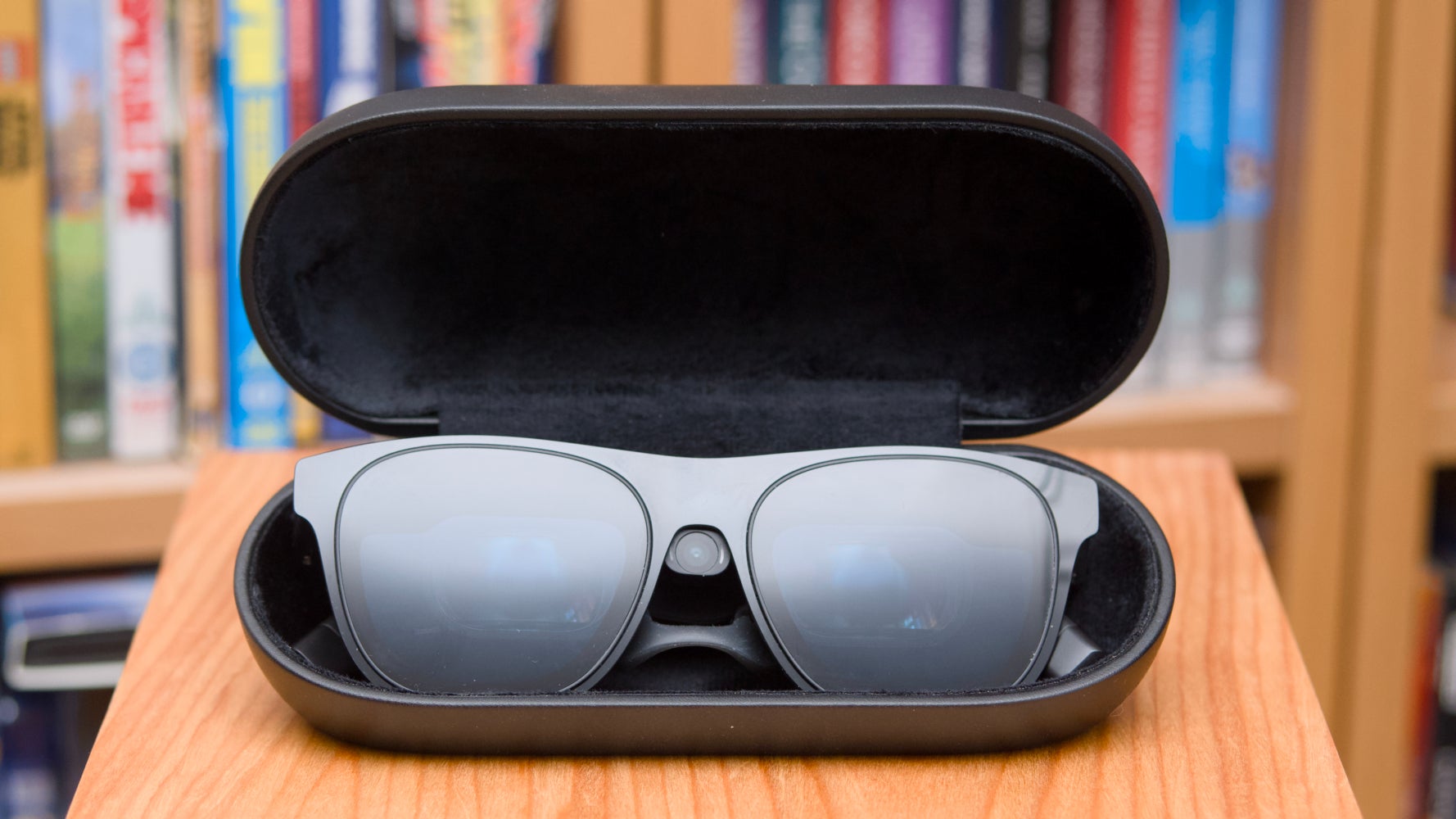
How it compares: Mainstream accessibility coverage from outlets like The Verge and Wired has previously spotlighted partnerships between Meta and platforms like Be My Eyes, which connects visually impaired users with human volunteers and AI-driven scene interpretation. While specialized eyewear such as Envision Glasses provides highly tailored enterprise features, consumer frames carry zero social stigma. Users wear standard, fashionable frames that blend in anywhere, removing the feeling of wearing an obvious medical appliance.
Our take: Hardware programs designed around injured service members and visually impaired communities are not merely feel-good public relations exercises. They serve as the most rigorous testing ground for computer vision latency, edge comprehension, and voice interface reliability. If a multimodal assistant can reliably help an injured veteran identify medications, navigate unfamiliar hallways, or read signage in chaotic environments, it proves the viability of smart glasses far better than any social media livestream feature ever could.
Interactive guide: prices, displays, cameras, battery.
Share this story