Analysis · Xreal
XREAL Aura vs. Meta VR Glasses: Two Visions for Puck-Powered XR
XREAL and Meta are taking wildly different routes with Qualcomm's Snapdragon Reality Elite, pitting transparent Android XR against immersive passthrough displays.
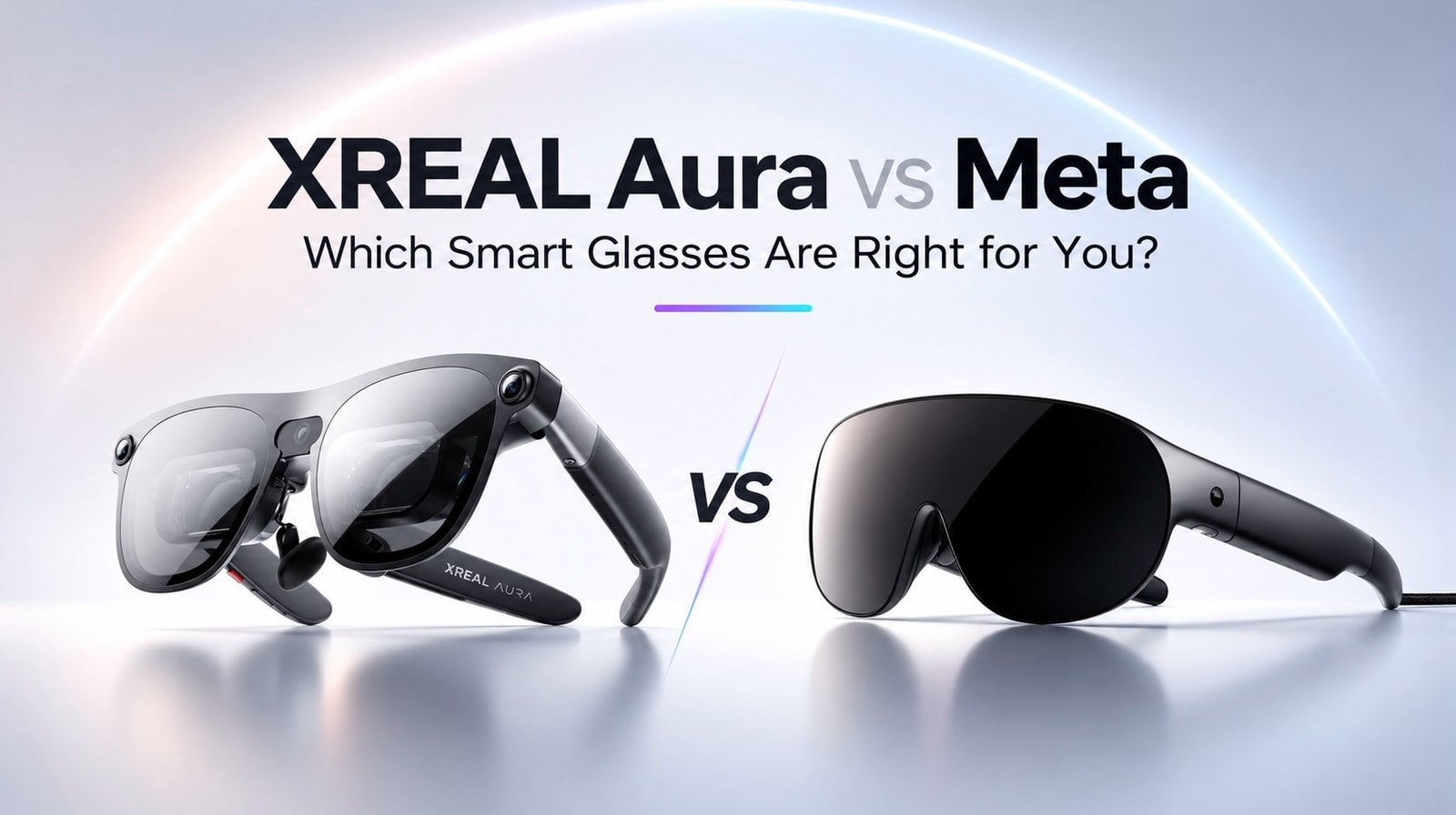
On November 16, 2026, new comparative details highlighted two distinct design philosophies competing for the future of wearable spatial computing: the XREAL Aura and Meta VR Glasses. Both platforms rely on Qualcomm's Snapdragon Reality Elite platform paired with an external compute puck, but they diverge dramatically in execution. While XREAL positions its hardware as an open, optical see-through productivity rig powered by Android XR, Meta leans heavily into high-end immersive entertainment and video passthrough.
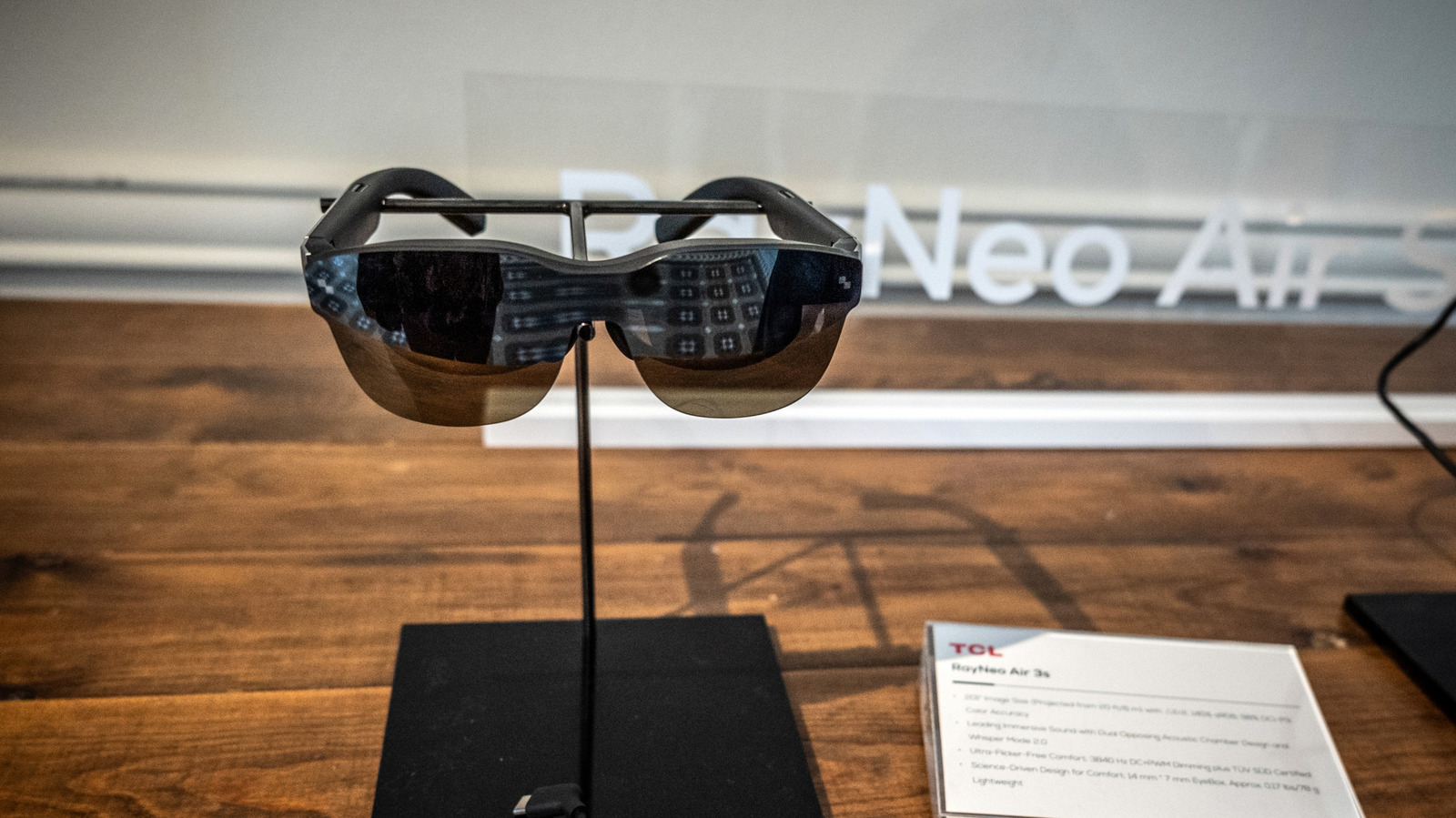
The core divergence centers on optics. As reported by geeky-gadgets.com, the XREAL Aura opts for true optical see-through lenses equipped with adjustable electrochromic dimming, preserving an unobstructed view of the real world while overlaying digital windows. In contrast, Meta equips its upcoming glasses with full-color passthrough cameras paired with dual micro-OLED displays, delivering what is described as a 5K-class visual experience with Dolby Vision HDR support. Where XREAL treats digital interface elements as floating layers in physical reality, Meta replaces the user's field of view entirely with high-resolution processed video.
Software ecosystems define the divide just as sharply. The XREAL Aura integrates Google's Android XR and Gemini AI, granting direct access to Google Play apps, multi-screen workspace layouts, and external display tethering with handheld gaming hardware like the Steam Deck and ROG Ally. Meta, meanwhile, anchors its headset firmly inside Horizon OS and the broader Quest ecosystem. According to geeky-gadgets.com, Meta's package includes eye tracking and more than 75 gesture-controlled titles out of the box, though traditional gaming will require users to supply or purchase Touch Plus controllers separately.
Physical ergonomics follow similar tethered logic, but subtle differences add up across daily wear. The XREAL Aura frame weighs approximately 95 grams, tethered to a 265-gram compute puck. Meta's glasses weigh roughly 100 grams and rely on a puck reported to weigh around 300 grams. Battery endurance reflects these hardware decisions: XREAL specifies three to four hours of standard productivity use, while Meta projects up to three hours during high-resolution media playback before its battery depletes.
Availability and launch pricing give XREAL an immediate commercial head start. The Aura opened orders in late October with promotional pricing starting at $1,099 for the 12 GB RAM and 256 GB storage model, scaling to $1,299 for a 16 GB and 512 GB configuration through December 2026, before jumping to regular retail prices of $1,279 and $1,499. Meta's glasses will launch at $1,299.99 when they arrive in spring 2027, excluding optional add-ons like light blockers and dedicated motion controllers.
What this means: We are witnessing the spatial computing market split down two distinct architectural paths. By offloading hot processors and heavy batteries to a pocketable puck, both manufacturers have successfully bypassed the weight penalty of standalone goggles. Yet XREAL is betting that buyers want familiar Android workflows, instant glanceability, and open display inputs today. Meta is wagering that consumers will wait several months for visual horsepower, cinematic contrast, and an established VR game catalog. For anyone seeking a multi-monitor desktop replacement right now, XREAL holds the early tactical edge.
Interactive guide: prices, displays, cameras, battery.
Share this story