Analysis · Apple
The Peripheral Trap: Why Apple and Meta Surrendered the Standalone Face
Leaked roadmaps and thermal bottlenecks reveal that smart glasses are not replacing the smartphone. Instead, big tech is demoting smart frames into tethered camera accessories for the handset in your pocket.
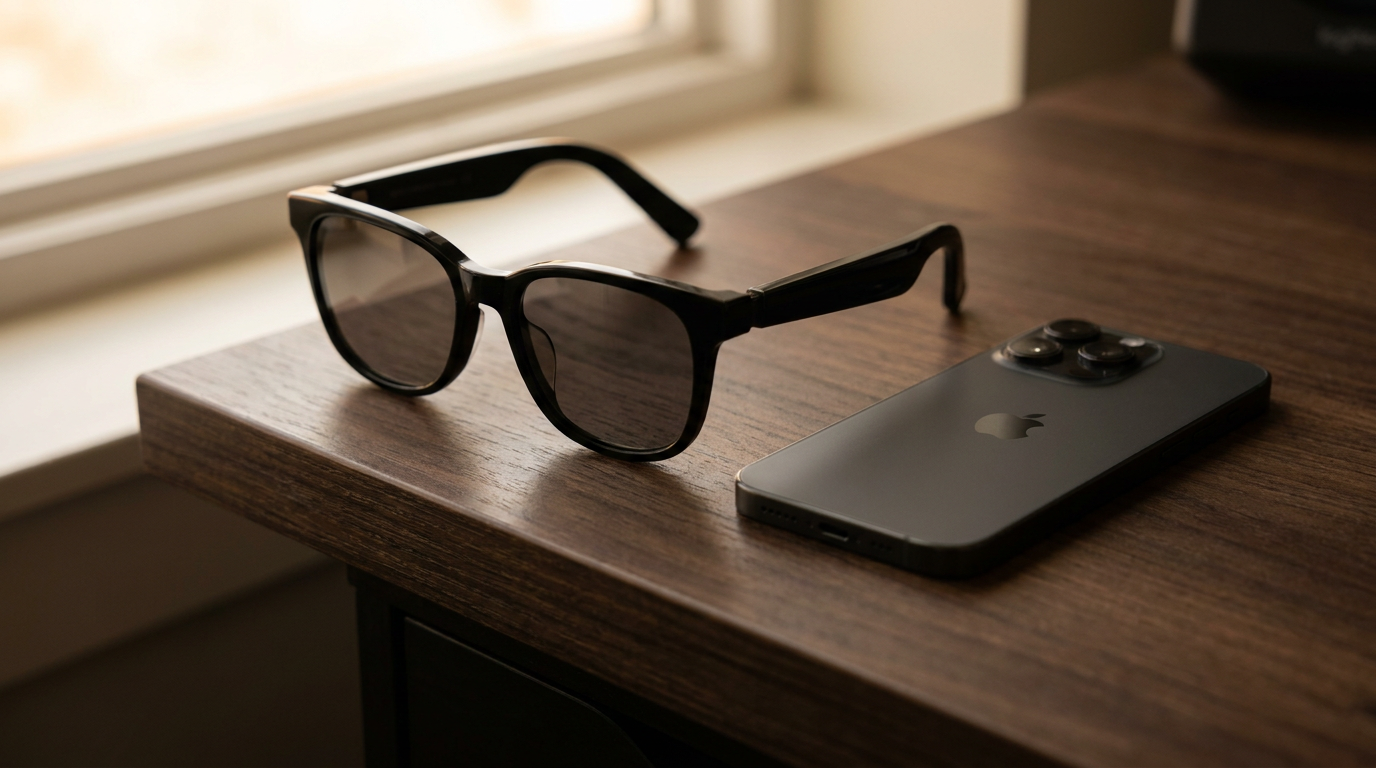
For the past five years, venture capitalists and tech executives pitched smart glasses as the successor to mobile computing. We were told that optical frames would liberate humanity from the glowing glass slab in our pockets, transforming ambient AI into an autonomous personal computer perched on the bridge of your nose. That intoxicating dream is officially over. A leaked product roadmap circulating through Apple supply chain reports confirms that Cupertino will not enter the smart glasses arena until WWDC 2027, and when it does, the device will not be a standalone platform. Instead, Apple Glasses will operate as a sensor-stuffed, display-free peripheral tethered directly to the iPhone.
This is not just Apple being traditionally cautious. It is an admission of technical defeat that ripples across the entire wearable sector. Look at the Ray-Ban Meta Gen 3, which recently hit the market at an eye-watering $449 price point only to be met with tepid hardware reviews citing stagnant software utility. Meta has spent billions trying to turn its camera-equipped frames into an ambient computer, yet users are paying more money for what amounts to an iterative photo-snapping audio headset. When hardware prices rise while software momentum stalls, the consumer proposition collapses.
The physical reality inside these frames explains why Silicon Valley is waving the white flag. According to recent supply chain data tracking mobile semiconductor pipelines, memory demands in AI eyewear have quadrupled over recent product cycles. Packaging high-efficiency LPDDR into temple stems that must sit against human temples without triggering thermal shutdowns has turned into an engineering nightmare for suppliers like Samsung Electronics and SK Hynix. Processing real-time multimodal camera feeds and localized voice models burns power at rates that minuscule 150-milliamp batteries simply cannot sustain.
To survive this thermal wall, hardware makers must make a brutal compromise. You either build an unwearable, heavy plastic brick that bakes the wearer's skull, or you rip the computing engine out of the frame and send the data back to a smartphone. Apple looked at the thermodynamic math, looked at Meta's struggles, and chose the leash. By forcing its prospective 2027 frames to offload all heavy lifting to the iPhone's silicon, Apple is tacitly admitting that the face is not a motherboard. It is merely a collection of remote microphones and lenses.
That tethered architecture fundamentally lowers the stakes for what smart glasses were supposed to achieve. When Journal du Geek reported that Apple's primary differentiator will be deep integration between Siri AI and third-party App Store software, it revealed Cupertino's true intention. Apple does not want to invent a new computational medium. It wants to sell an expensive biometric accessory designed to lock consumers even deeper into the iOS ecosystem, preserving the iPhone's role as the indispensable tollbooth of personal tech.
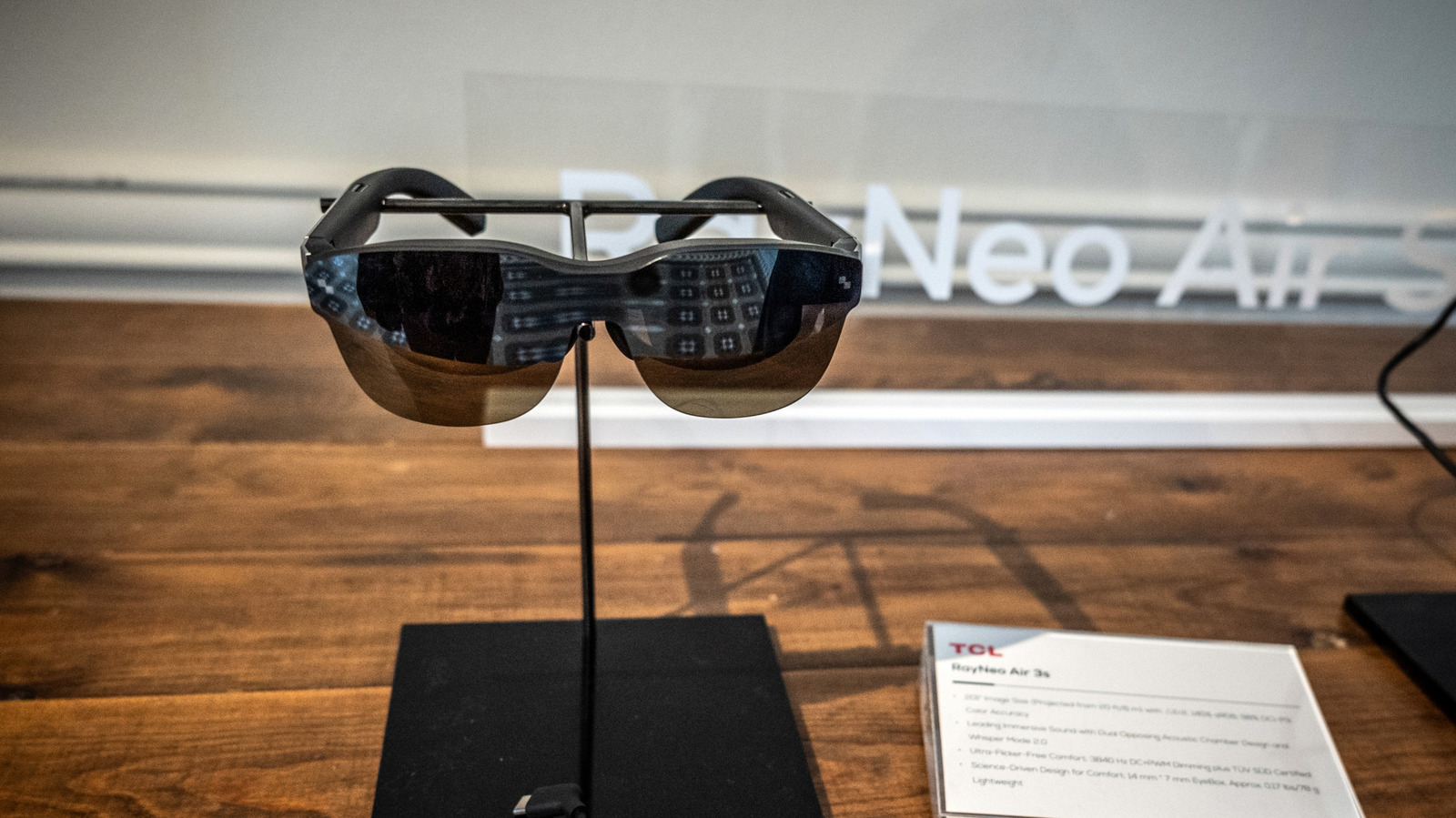
While Apple bides its time until 2027, Asian hardware manufacturers are exploiting the vacuum by aggressively commoditizing the category. RayNeo, which currently controls nearly 25 percent of the global AR glasses market according to IDC and Counterpoint Research, just slashed the price of its RayNeo iO frames to $389. More crucially, RayNeo is launching a public developer SDK to build an open ecosystem before Apple ever steps onto the stage. When capable frames with optical waveguides and onboard intelligence are selling at mid-tier prices, Apple's late-arriving tethered accessory risks feeling obsolete on arrival.
There is an even darker cloud hanging over Apple's camera-first, tethered roadmap: the rapidly deteriorating social consensus around face-mounted recording. Recent reporting from French daily estrepublicain.fr details how public backlash against camera glasses is hardening into actual criminal liability across Europe. A man in Paris will face trial this coming May for covertly recording women in public spaces using smart glasses and publishing the footage online. Meanwhile, educational institutions are banishing optical frames from exam halls, and European privacy regulators are preparing aggressive enforcement actions against surreptitious sensor capture.
Meta has already borne the brunt of this social friction, and Apple is naively marching down the exact same path. Equipping millions of consumers with iPhone-tethered cameras and expecting society to welcome them into cafes, subways, and offices ignores the lessons of the last three years. A privacy light that pulses on a temple arm does not placate a wary public that increasingly views smart frames as surveillance gear. If Apple launches camera glasses in 2027 without solving the fundamental consent dilemma, its luxury brand sheen will suffer the same reputational bruising that Meta currently endures.
The irony is that utilitarian eyewear is already moving past the camera trap. Devices like the Even Realities G2 and XGIMI MemoMind One are proving that unobtrusive, camera-free waveguide displays can deliver immediate productivity, turning heads-up optical engines into personal teleprompters and glanceable notification layers without threatening bystanders. These frames do not pretend to be all-seeing artificial general intelligence pods. They perform two or three tightly constrained tasks exceptionally well, draw almost no power, and never invite regulatory investigations or public hostility.
By contrast, the Western tech giants remain obsessed with capturing visual reality to feed their cloud-based foundation models. Meta wants your eyes to train its Llama architectures, and Apple wants your gaze to revitalize Siri after years of embarrassing stagnation. Yet neither company has earned the social license required to turn your face into an ambient data vacuum. Even Samsung's recent sellout of its first-wave AI frames cannot mask the reality that mainstream consumers treat these devices as temporary novelties rather than daily necessities.
We are witnessing the end of the smart glasses gold rush and the dawn of a long, gritty war of attrition. The fantasy of tossing your iPhone into a drawer and navigating your day through a lightweight pair of standalone augmented reality frames has been delayed by at least a decade. The silicon is too hot, the batteries are too small, and the public is far too hostile. Apple's 2027 roadmap confirms that the next era of eyewear will not be a revolution, but a subsidiary annex to the smartphone empire.
If you are waiting for smart glasses to change the world, prepare for disappointment. The industry has accepted its role as a tethered sensor outpost, content to beam video snippets and audio queries back to the phone in your pocket. Apple and Meta may convince millions of loyalists to strap cameras onto their faces, but make no mistake about what is happening. The wearable computer did not conquer mobile tech. Mobile tech conquered the face.
Interactive guide: prices, displays, cameras, battery.
Share this story