News · Meta
German Consumer Watchdog Sues Luxottica Over Ray-Ban Meta Privacy Warnings
Germany's vzbv has dragged Luxottica to court in Berlin, claiming the eyewear giant fails to warn smart glasses buyers about their legal liability under European data protection laws.

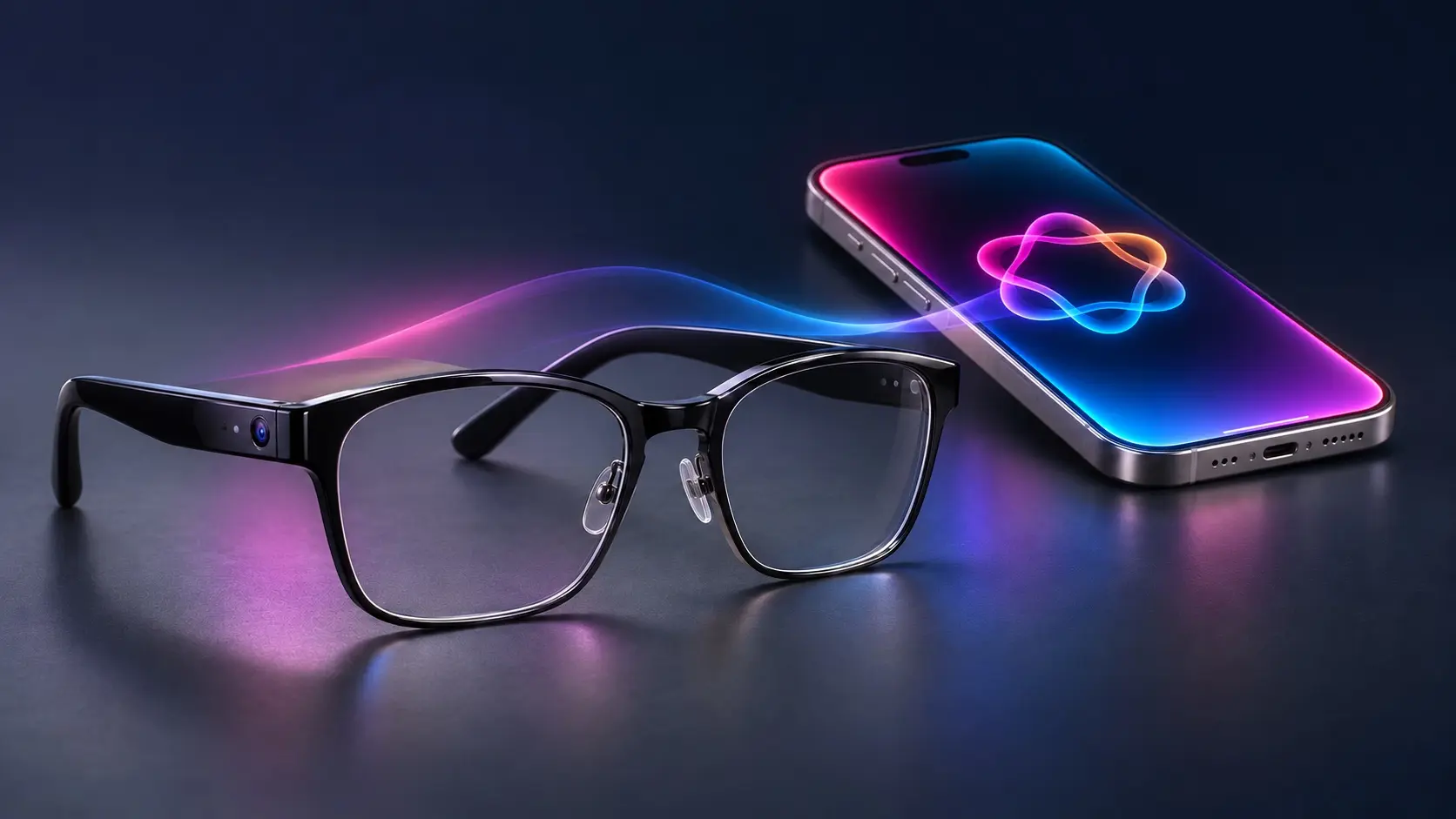
On November 25, 2026, reports revealed that Germany's top consumer organization, the Verbraucherzentrale Bundesverband (vzbv), filed an injunction suit against Ray-Ban maker Luxottica Group S.p.A. at Berlin's Kammergericht. The legal action takes direct aim at Luxottica's online storefront, alleging that the brand sells Ray-Ban Meta smart glasses without warning prospective customers that filming in public can turn wearers into legally accountable data controllers under European Union law.
The lawsuit targets consumer protection rather than relying solely on standard data protection filings. According to techtimes.com reporter Kyle Belmonte, vzbv pursued an Unterlassungsklage (injunction suit) centered on pre-contractual information duties. German sales law mandates that retailers inform customers of material legal liabilities prior to checkout. The watchdog claims that Luxottica stays silent on the real risks buyers assume the moment they activate video recording around strangers.
The legal foundation rests on strict European data protection principles. Under the European Data Protection Board's Statement 01/2026, anyone who records footage of passers-by and shares it online or uses it for professional purposes may be classified as a data controller under the General Data Protection Regulation (GDPR). That designation triggers Articles 12 and 13 obligations, which require controllers to inform subjects on the spot about who is recording, why, and on what legal basis. As vzbv argues, complying with those mandates via a wearable pair of glasses is practically impossible.
Hardware design lies at the heart of the friction. The only indicator on the Ray-Ban Meta frames is a small white recording LED. As techtimes.com notes, testing by Hamburg Data Protection Commissioner Thomas Fuchs concluded that the capture light is difficult for bystanders to notice in everyday environments. Furthermore, regulatory reviews found that the light remains completely unlit when wearers interact with Meta AI about their surroundings, despite the onboard microphones and camera processing real-world inputs.
Germany has become the toughest battleground for camera-equipped smart eyewear. Earlier in the year, nonprofit group HateAid pursued a criminal complaint under the Telecommunications Digital Services Data Protection Act, aiming to halt sales of second-generation hardware entirely. While vzbv is not seeking a flat hardware ban, it is demanding strict manufacturer transparency and consumer disclosure. Meanwhile, market analytics from IDC highlight that shipments of display-less smart glasses jumped dramatically, meaning millions of these devices are already circulating in European public spaces.
Our take: Smart glasses hardware is advancing faster than existing regulatory frameworks can adapt, and hardware makers are trying to push the legal compliance burden onto unsuspecting consumers. Forcing buyers to bear the brunt of GDPR liability for basic device features is an unsustainable strategy. If retailers must display glaring legal liability disclaimers at checkout, it could chill adoption in Europe, forcing Meta and EssilorLuxottica to rethink their capture indicators and ambient AI implementations.
Interactive guide: prices, displays, cameras, battery.
Share this story