Analysis · Xreal
Why Smart Glasses Are Not Ready to Kill Your Desktop Monitor Just Yet
Swapping desktop monitors for smart glasses offers real privacy and travel perks, but thermal limits, eye strain, and optical tradeoffs prove the hardware cannot handle full workdays.
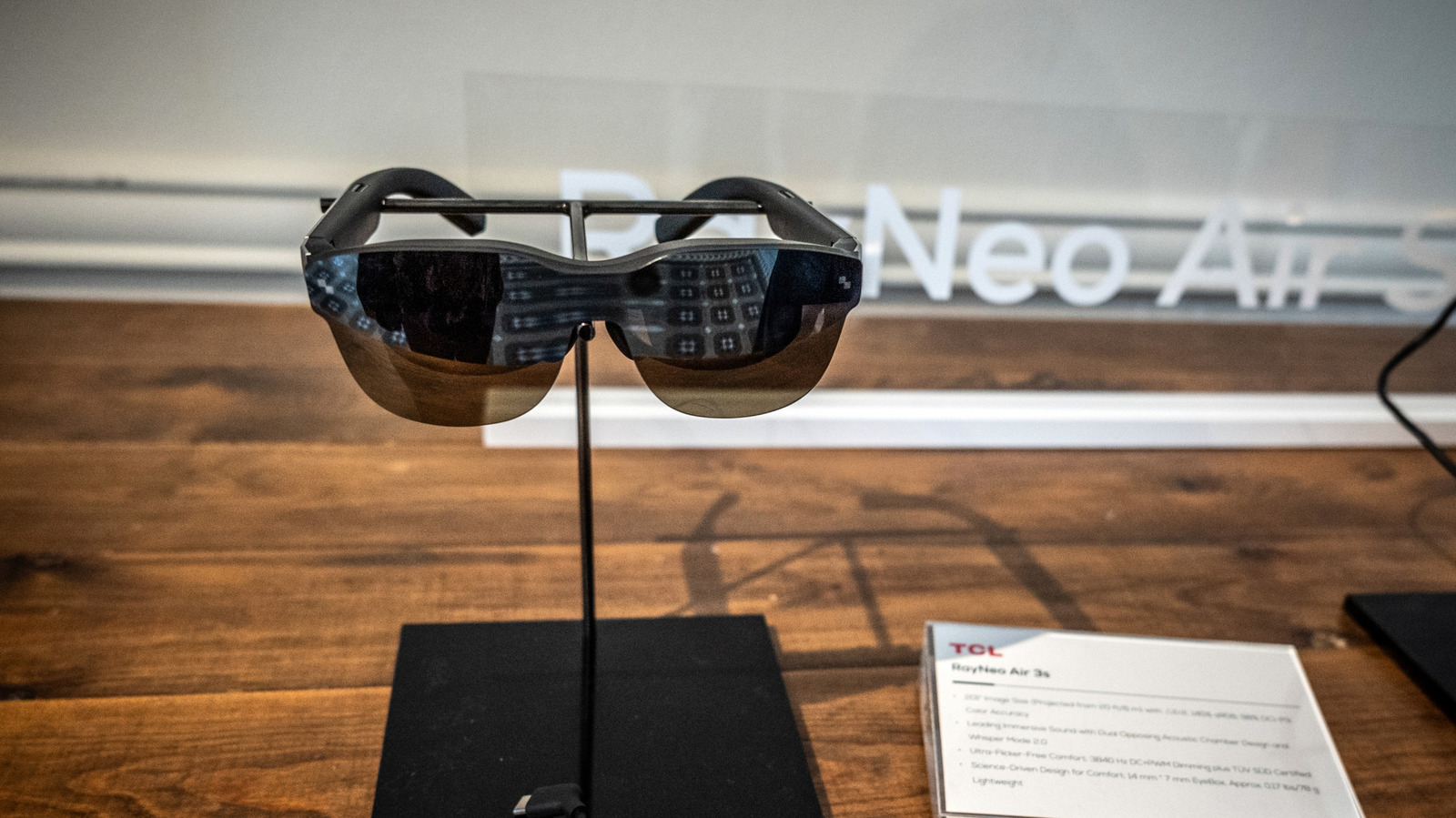
On November 14, 2026, engadget.com examined a growing trend among early adopters: dumping bulky multi-monitor desktop setups in favor of lightweight display glasses. The concept of sweeping computer monitors off your desk and replacing them with a pocketable pair of frames has long been the holy grail for spatial computing enthusiasts. Instead of being anchored to a physical workstation, users plug a pair of augmented reality glasses into a laptop or handheld device and summon massive, floating virtual screens wherever they sit.
As engadget.com reporter Erin Carson pointed out, the appeal of this setup is obvious on paper. Virtual workspaces offer unmatched privacy on trains and airplanes, preventing wandering eyes from reading confidential documents over your shoulder. They eliminate physical desk clutter and allow business travelers to summon multi-monitor workstation layouts in cramped airline seats without hunching over a 13-inch laptop display.
Yet real-world testing reveals that the hardware still struggles with long-duration computing. According to reporting by engadget.com, early testers who attempted full monitor replacements quickly encountered physical friction. Citing an experiment by Lifehacker writer Stephen Johnson, the outlet highlighted that the Xreal One Pro glasses warmed up noticeably during extended use, radiating uncomfortable heat directly onto his forehead. Johnson also pointed to eye fatigue when focusing on micro-displays positioned just fractions of an inch away from the eyes for hours at a time.
Not every experience has been negative, provided sessions remain brief. As engadget.com noted, tech creator Jasmine Uniza reported that smart glasses actually improved her posture because she could position the virtual screen directly in her natural line of sight rather than slouching toward a desk. However, Uniza restricted her wear time to roughly 90 minutes to two hours per session, avoiding the thermal soak and fatigue that accompany full eight-hour work shifts.
What this means: The gap between an auxiliary portable screen and an all-day monitor replacement remains wide. Current smart glasses from brands like Xreal, Rokid, and RayNeo use micro-OLED optical engines that pack impressive resolution into tiny packages, but text readability across the peripheral edges of virtual monitors still falls short of high-end 4K IPS desktop panels. Fixed focal distances also trigger vergence-accommodation conflict, forcing the human eye to focus at a static optical depth while tracking floating windows across varying apparent distances.
Our take: Smart glasses are currently exceptional companion devices for two-hour flights, coffee shop drafting sessions, or private video streaming, but anyone putting their desktop monitor out by the curb is jumping the gun. Until display glasses resolve thermal dissipation without adding frame weight, expand their field of view beyond 50 degrees, and incorporate variable-focus optics, they remain an agile travel accessory rather than an ergonomic replacement for your primary workstation.
Interactive guide: prices, displays, cameras, battery.
Share this story