Guides · Savage
Savage Brand Guide: Inside the 45-Gram MicroLED Gamble
Savage Technology wants to leapfrog camera-only frames with dual MicroLED displays for $799. Here is what you need to know about the audacious newcomer.
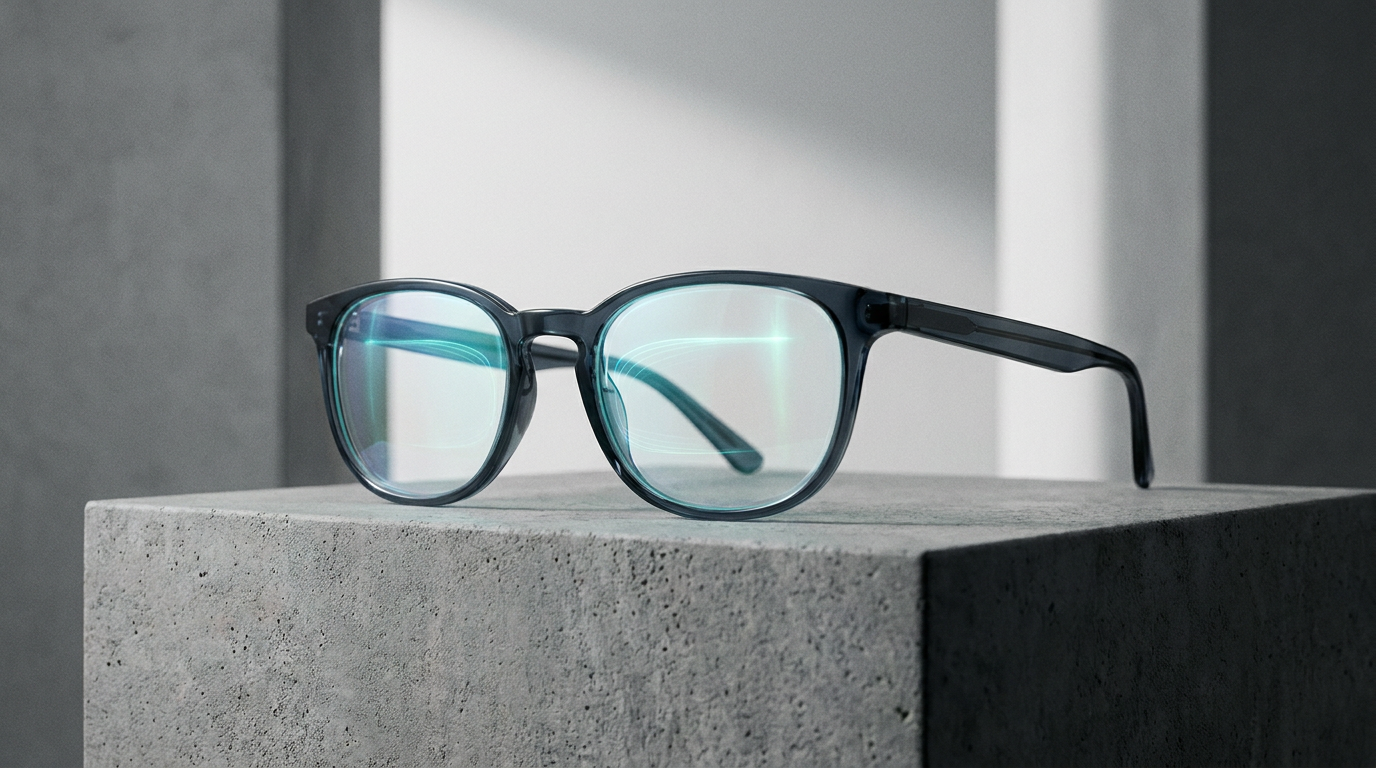
The smart-glasses market is currently locked in an uncomfortable holding pattern. On one side sits a flood of camera-and-speaker frames masking as ambient AI; on the other, clunky, tethered optical rigs that look like medical equipment. The middle ground—a sleek, display-forward pair of daily glasses—remains virtually unoccupied.
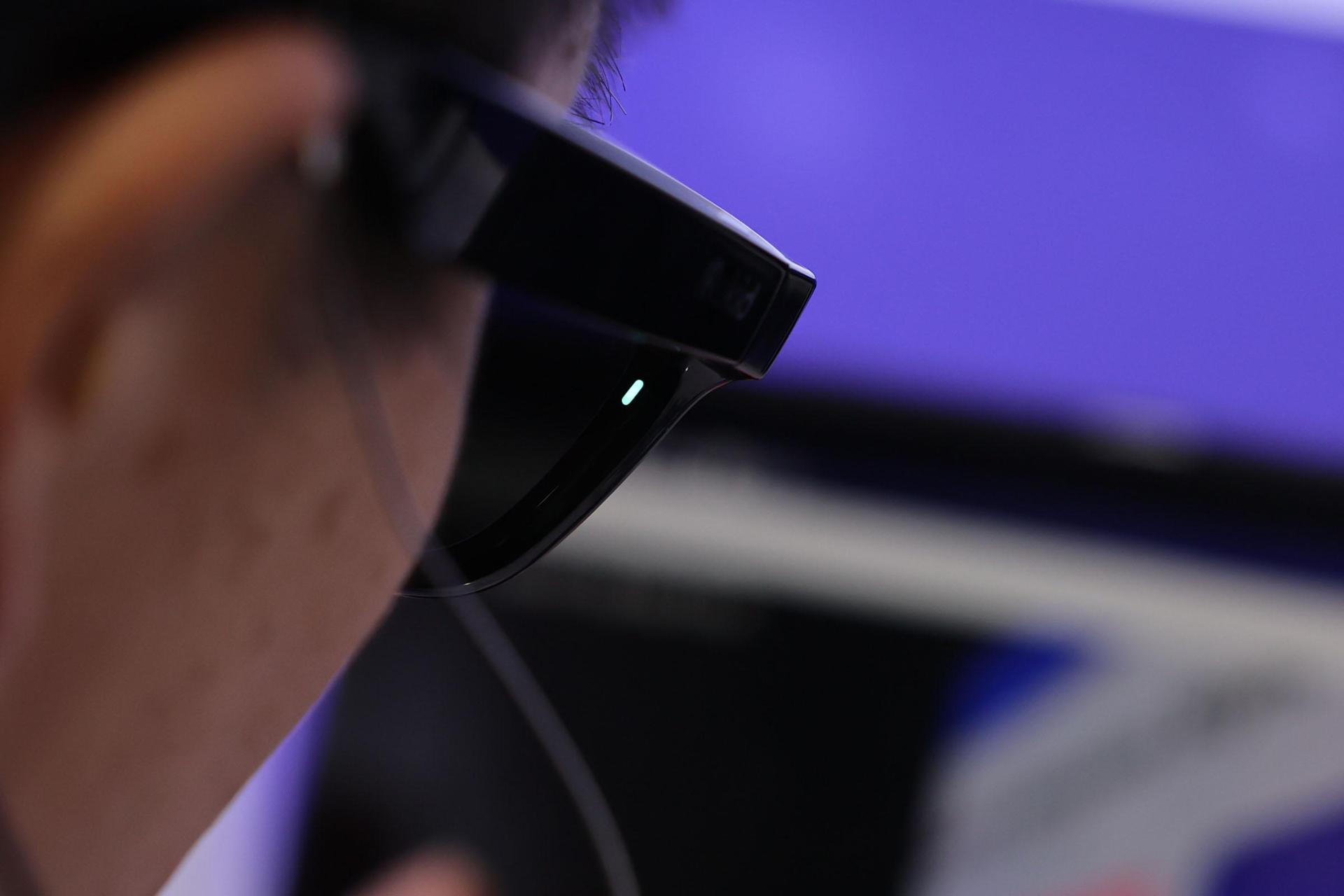
Enter Savage Technology. The emerging hardware outfit just surfaced on the industry's radar by opening reservations for the Orrorin, an audacious pair of binocular MicroLED smart glasses that claim to pack eye tracking and spatial gesture inputs into a 45-gram chassis for $799.
If Savage delivers on that spec sheet, it will instantly embarrass every legacy player dragging its feet on consumer-grade visual AR. But in this category, physics is merciless, and optical promises are notoriously cheap.
Savage arrives with zero hardware baggage. Unburdened by the bulky enterprise legacy of first-generation heads-up displays or the ad-driven surveillance imperatives of social media giants, the company is positioning itself as a pure-play wearable computing specialist.
The timing of their entry is calculated. Thanks to mainstream consumer adoption of audio frames, regular eyewear wearers are finally conditioned to accept tech on their face. Meanwhile, low-cost ODM architectures have begun commoditizing basic camera glasses, leaving an obvious gap for high-performance visual computing.
Savage is bypassing the entry-level toy phase entirely. Instead of chasing casual lifeloggers, the brand is targeting developers, prosumers, and optics enthusiasts who want actionable data projected directly into their line of sight without wearing a miniaturized ski goggle.
By leaping straight into dual optical engines and reserving hardware slots ahead of mass production, Savage is playing a high-stakes momentum game. They want to be seen not as an accessory vendor, but as the company that finally solved the optical wearability problem.
The tip of Savage's spear is the Orrorin. At a headline price of $799, it is positioned aggressively between entry-level consumer wearables and four-figure enterprise gear, daring buyers to take a flyer on next-generation display tech.
The marquee specification is the Orrorin's 45-gram curb weight. In an industry where adding waveguide displays usually pushes frames past 70 grams, hitting 45 grams while housing binocular MicroLED projectors would be a massive industrial design triumph.
MicroLED is the critical ingredient here. Its extreme luminance output and power efficiency are theoretically ideal for cutting through daylight without frying battery reserves. Savage is pairing these dual displays with onboard eye tracking and spatial gesture sensors, promising full navigational control without forcing users to constantly tap the frame temple.
Crucially, Savage has yet to publicize the granular engineering specs—such as field of view, display resolution, battery capacity, or onboard processor architecture. Until working production units face our testing bench, those missing variables represent the gulf between visionary eyewear and vaporware.
When stacked against Meta, Savage's philosophical divergence is sharp. While Meta dominates the mainstream with camera-centric designs like the Ray-Ban Meta and eyes future display models, it remains tethered to audio-first AI interactions. Savage wants a visual interface in front of your eyes right now, prioritizing real-time optical utility over voice-assistant banter.
Compare Savage to ODM platforms like SmartXY and its K900 reference design, and the divide widens further. SmartXY provides off-the-shelf camera platforms optimized for livestreaming and basic compute, built for fast white-labeling. Savage is chasing bespoke, high-end display optics and spatial tracking that no commodity ODM can match off the shelf.
Meanwhile, legacy VR and spatial computing veterans like HTC continue to straddle bulkier formats with devices like the Vive Eagle and XR Elite. Savage's 45-gram form factor makes enterprise headsets look archaic for daily civilian use, assuming the Orrorin's software layer can deliver even a fraction of their utility.
Savage's core strength is brazen product ambition: delivering binocular MicroLED, eye tracking, and gesture inputs at $799 changes the consumer math for display glasses overnight. Its greatest vulnerability is operational reality—scaling complex MicroLED optics is a notorious graveyard for well-funded hardware startups.
Over the next twelve months, watch Savage's supply chain and thermal benchmarks. If the Orrorin ships on time with usable battery life and legible daylight contrast, Savage will become an immediate kingmaker in everyday AR. If it slips or compromises on the 45-gram promise, it will serve as another cautionary tale about the brutal realities of face-worn computing.
Interactive guide: prices, displays, cameras, battery.
Share this story