News · Meta
Best Buy Credits AI Glasses for Lifting Holiday-Quarter Sales
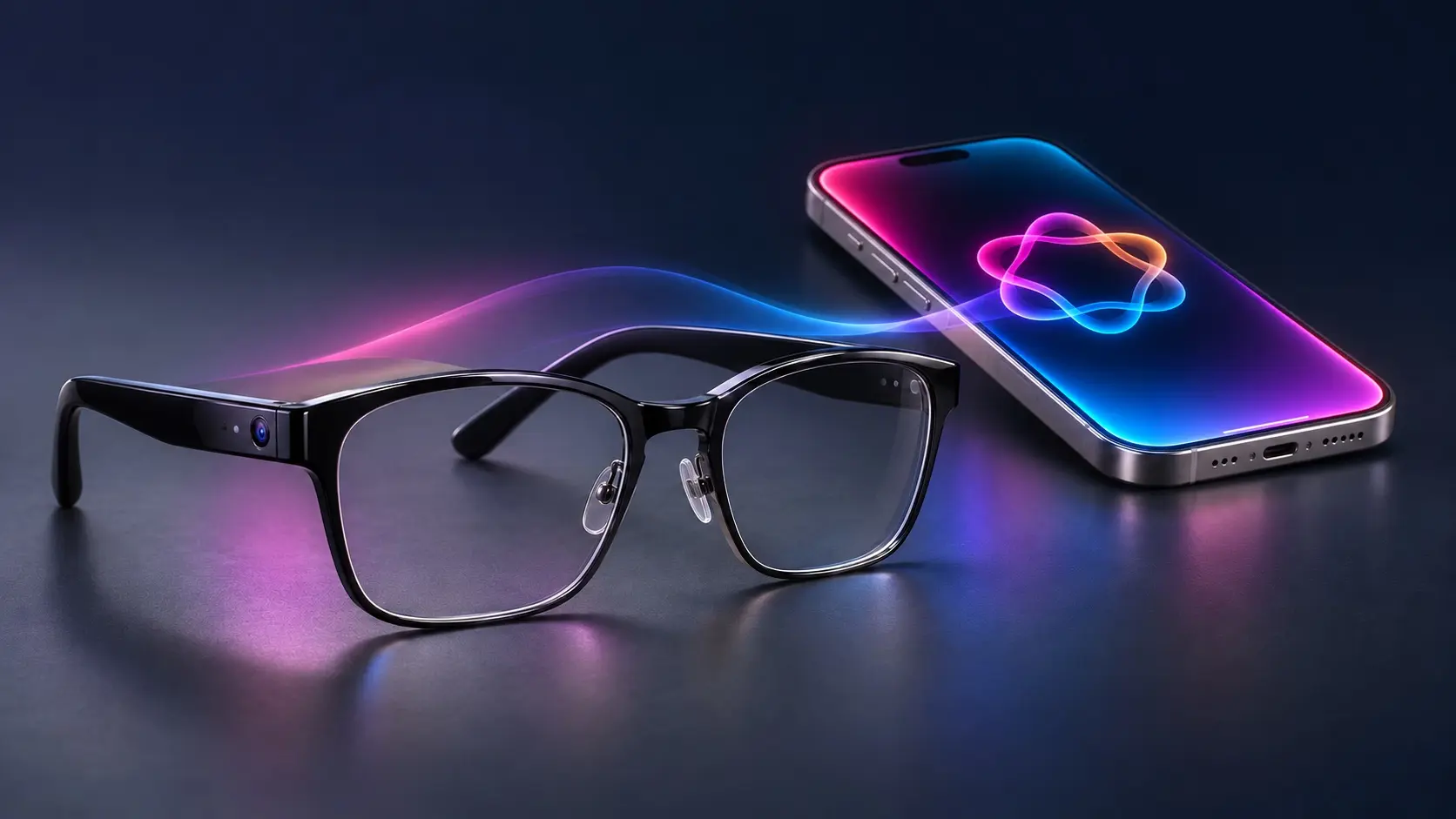
Smart eyewear and smart rings drove major comparable sales growth for Best Buy, proving that mainstream shoppers want hands-on demos before buying wearable tech.

On November 24, 2026, Best Buy delivered its fiscal third-quarter earnings report, revealing an unexpected retail powerhouse: AI glasses. Alongside health rings, smart eyewear served as one of the largest contributors to the big-box chain's comparable sales growth during the quarter, signaling that wearable artificial intelligence is shifting rapidly from tech-enthusiast novelty to genuine brick-and-mortar revenue driver.
According to reporting by pymnts.com, Best Buy achieved a domestic comparable sales jump of 6.2% over the quarter, lifted by computing, mobile phones, and a high-performing "emerging categories" segment. Chief Financial Officer Anne Bramman singled out AI glasses and smart rings on an earnings call with analysts, while Chief Executive Officer Jason Bonfig noted that these emerging product lines contributed more than a full percentage point to overall comparable store sales.
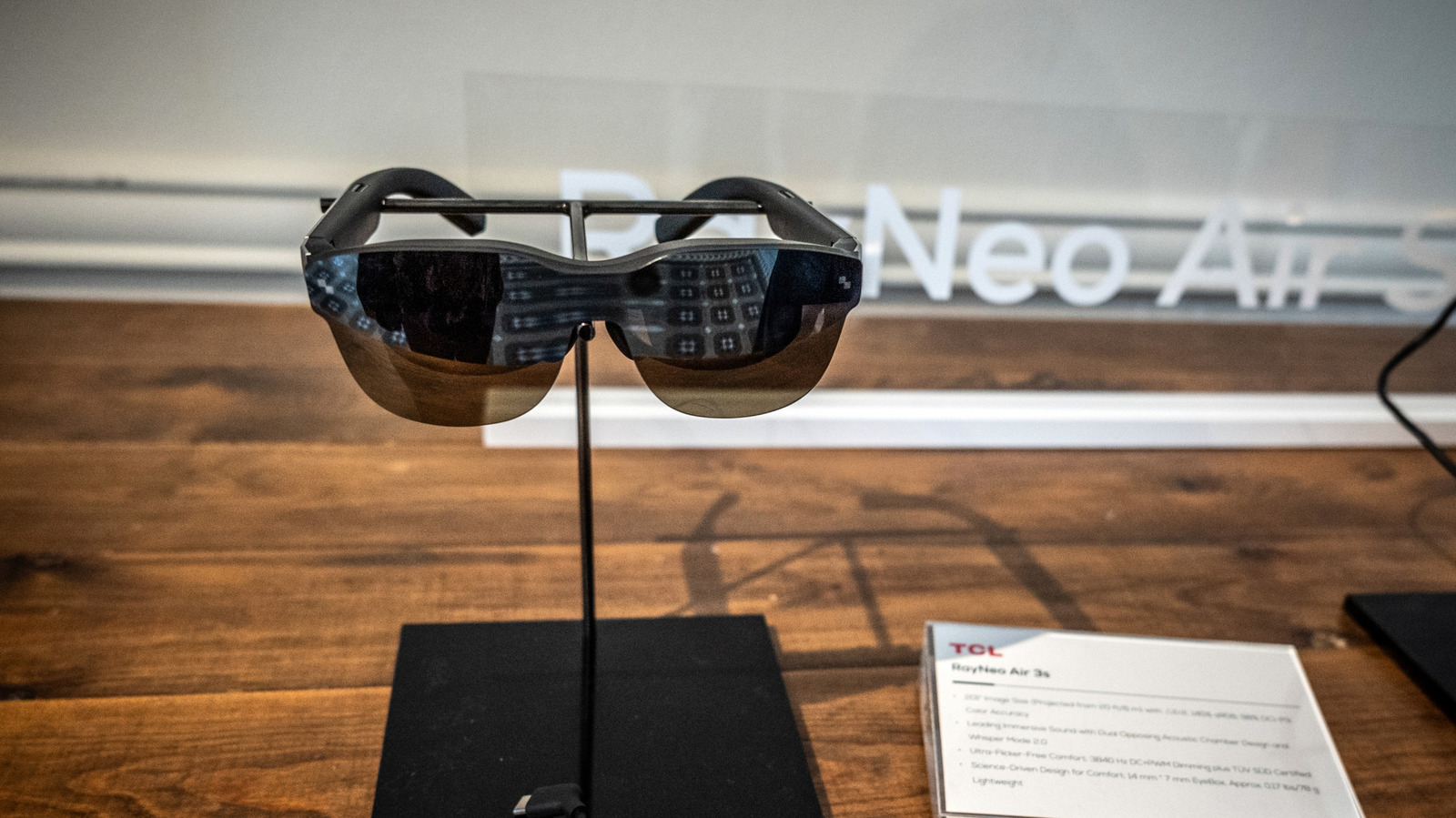
A major catalyst behind that momentum is in-store discovery. Bonfig specifically pointed to physical retail showcases built alongside hardware partners, highlighting the Meta Lab @ Best Buy concept. As pymnts.com notes, the retailer launched this initiative in June, installing dedicated 900-square-foot experiential spaces across 50 locations during the summer to let shoppers try on Meta smart glasses and test virtual reality gear in person before committing to a purchase.
Physical try-ons address the historic hurdle of smart eyewear: fit, style, and face feel cannot be judged through an online checkout cart. Bonfig explained on the call that these hands-on retail footprints allow customers to browse multiple frames and models side by side, directly accelerating checkout conversions. He also stressed that smart glasses are no longer untested, first-generation prototypes. Manufacturers have steadily refined the hardware, shrinking internal components while deploying continuous over-the-air software updates, such as Meta's planned integration of its Muse AI assistant.
Our take: Mainstream retail validation is the clearest sign yet that AI glasses have reached an inflection point. For years, tech brands treated audio and camera frames as experimental accessories tucked away in specialty pop-ups or niche optical boutiques. Best Buy proving that smart frames can move the needle on a multi-billion-dollar quarterly earnings report shows that everyday consumers are ready to wear their AI, provided they can put the frames on their faces first.
What this means for the broader market is an inevitable land grab for consumer electronics shelf space. As rival hardware makers like Google, Samsung, and independent eyewear startups prepare their own visual AI platforms, physical retail partnerships will become mandatory battlegrounds. Eyewear is fundamentally personal, and as Best Buy's numbers demonstrate, whoever controls the store floor will control the category.
Interactive guide: prices, displays, cameras, battery.
Share this story