News · XREAL
XREAL AURA Grabs Japanese Grand Prize Ahead of Retail Launch
Fresh off a VGP2027 audio-visual award, XREAL prepares to sell its Android XR glasses in Japan while early reviews split on field of view and software polish.

On November 25, 2026, reports confirmed that XREAL's AURA glasses secured the Personal Visual Grand Prize at Japan's VGP2027 awards, just two days ahead of their official November 27 general retail launch in the country. Selected by Japanese audio-visual critics and major electronics retailers, the accolade marks the second consecutive year XREAL has taken the category, following a win for the XREAL One Pro at VGP2026. The new hardware represents the industry's first wired optical see-through glasses powered by Google's Android XR platform.
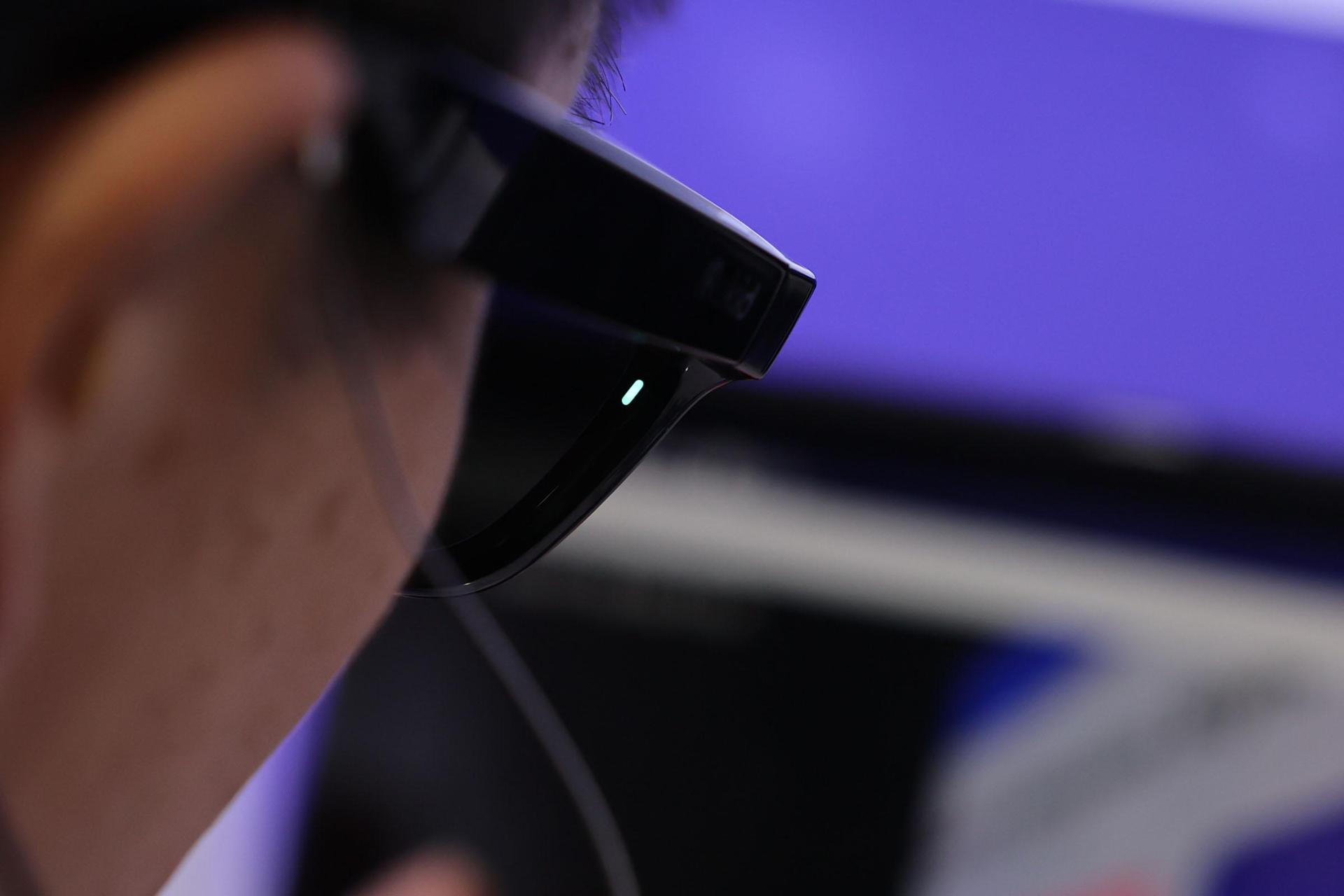
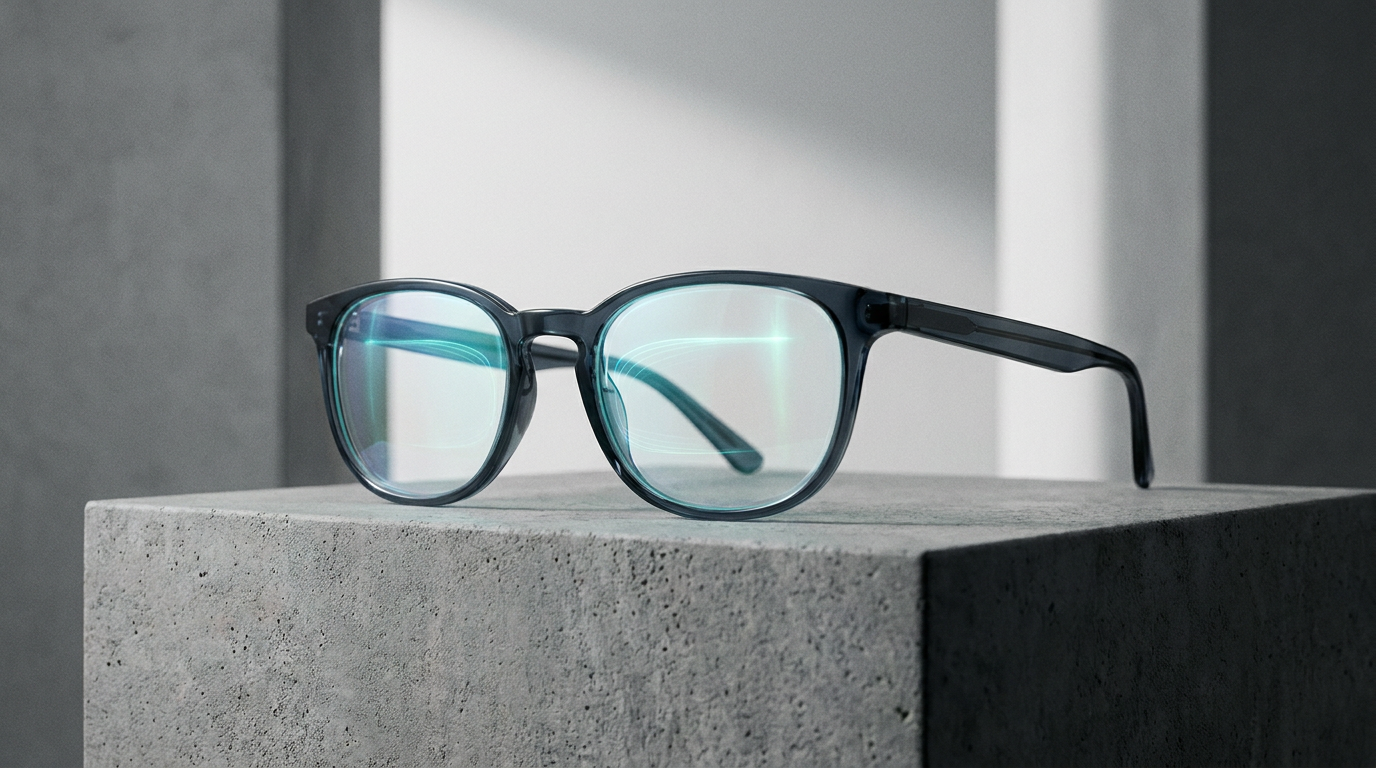
To bring spatial computing into a wearable form factor, XREAL split the device into two distinct components. The glasses themselves weigh roughly 95 grams and feature Sony micro-OLED displays outputting 1,920 by 1,200 pixels per eye at up to 120 Hz, delivering 32 pixels per degree and 1,050 nits of peak brightness behind five-level electrochromic dimming lenses. Inside the frame, an in-house X1S spatial coprocessor manages sensor tracking and display output with an advertised 3-millisecond motion-to-photon latency. The heavy lifting is handled by a tethered 265-gram pocket puck containing Qualcomm's Snapdragon Reality Elite platform, which supplies 48 TOPS of AI compute to run Android XR.
This dual-unit approach allows full six-degrees-of-freedom tracking and controller-free gesture input across a 70-degree field of view without resting hundreds of grams on the bridge of the nose. However, reviewers remain divided on the optical experience. According to Engadget, reviewer Devindra Hardawar awarded the system a 7 out of 10, highlighting the frames as exceptionally comfortable while pointing out that a 70-degree view still falls noticeably short of immersive VR headsets like the Meta Quest 3 and Apple Vision Pro. Meanwhile, Gizmodo gave the hardware a 3.5 score, criticizing the visual boundaries in immersive media, puck heat buildup, and nose fatigue during extended wear. In contrast, Android Headlines rated the device 4.5 out of 5, praising it as the most comfortable Android XR hardware tested to date.
Software stability has also emerged as a key friction point in early testing. Engadget reported frequent application crashes and sluggish hand tracking, noting that the absence of eye tracking makes targeting interface elements slower. Gizmodo observed that gesture recognition degraded in dim environments, making the puck's built-in touchpad a necessary backup. Conversely, Japanese gaming publication GameWith reported snappy, accurate tracking during regional demonstrations, suggesting user experiences may fluctuate depending on lighting conditions and specific app workloads.
Beyond performance metrics, techtimes.com notes that enterprise buyers and privacy-conscious users are also scrutinizing the device's sensor package. With three front-facing cameras, a four-microphone array, and corporate headquarters in Shanghai, the hardware operates under Chinese data and intelligence frameworks, a factor increasingly weighed by corporate IT departments deploying spatial computing gear.
Our take: The XREAL AURA is a textbook demonstration of the current XR compromise. By offloading heat, battery bulk, and heavy silicon to a puck, XREAL created one of the sleekest spatial displays on the market. But tethering is an acquired taste, and Android XR clearly needs time to mature. Until Google polishes its gesture layer and app stability, the AURA will remain a fascinating, hardware-rich stepping stone rather than a mainstream breakthrough.
Interactive guide: prices, displays, cameras, battery.
Share this story