
ASUS AirVision M1 vs Meta VR Glasses
Hesitating between the ASUS AirVision M1 and the Meta VR Glasses? Here are both models side by side, using the specs and prices from our benchmark.
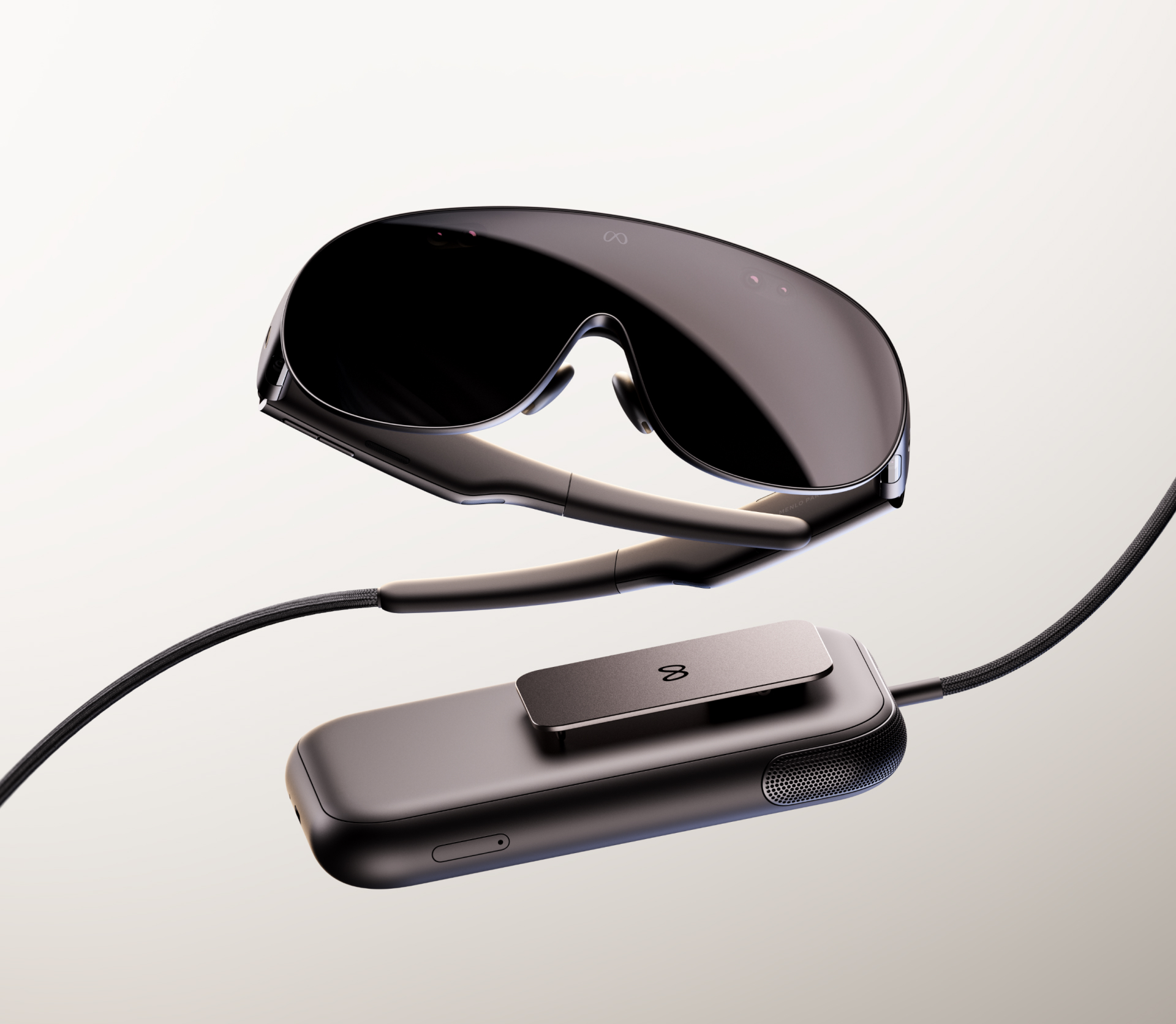
Key differences
- ASUS AirVision M1 costs $601 less than Meta VR Glasses.
- ASUS AirVision M1 is 20 g lighter than Meta VR Glasses.
- Meta VR Glasses (March 2027) is the more recent model; ASUS AirVision M1 came out in November 2024.
Specifications
| ASUS AirVision M1 | Meta VR Glasses | |
|---|---|---|
| Type | Display glasses | Display glasses |
| Status | On sale | Announced |
| Price | $699 | $1,300 |
| Release date | November 2024 | March 2027 |
| Weight | 80 g | 100 g |
| Display | Micro-OLED freeform | Dual micro-OLED Infinite Display |
| Resolution | 1920x1080 per eye | 2412 x 2288 per eye |
| Field of view | 38° | - |
| Brightness | 1,100 nits | - |
| Refresh rate | 72 Hz | 120 Hz |
| Camera | No | No |
| On-device AI | No | No |
| Connectivity | USB-C DisplayPort, 3DoF head tracking | Fiber-optic tether to compute puck |
| Speakers | Built-in speakers | Spatial audio with Dolby Atmos |
| Microphones | Mic array with noise cancelling | - |
| Needs a cable | Yes | Yes |
| Battery (glasses) | - | 3 h |
| AI assistant | - | Meta AI |
| Chip | - | Snapdragon Reality Elite in external puck |
Best for: ASUS AirVision M1
Users looking for a multi-monitor virtual workspace tethered to a USB-C DisplayPort device.
Best for: Meta VR Glasses
Best for buyers looking for a dedicated wearable display for high-resolution cinema, live sports, and productivity workspaces.