Guides · Sportconnect
Sportconnect's Smart-Glasses Play, Explained
Paris startup Sportconnect is taking on Ray-Ban Meta with €249 frames, Sony glass, and OpenAI brains. Here is why their optician-first strategy changes the European smart eyewear playbook.
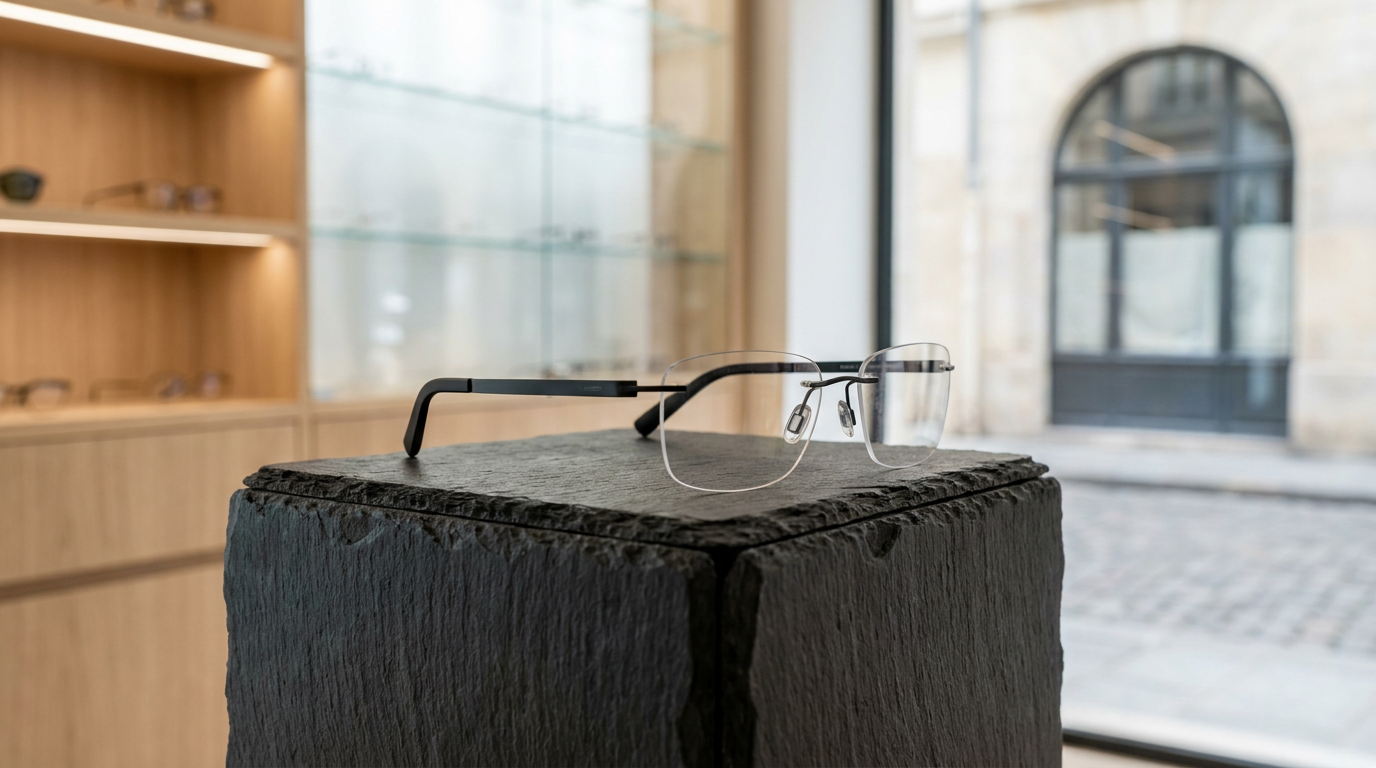
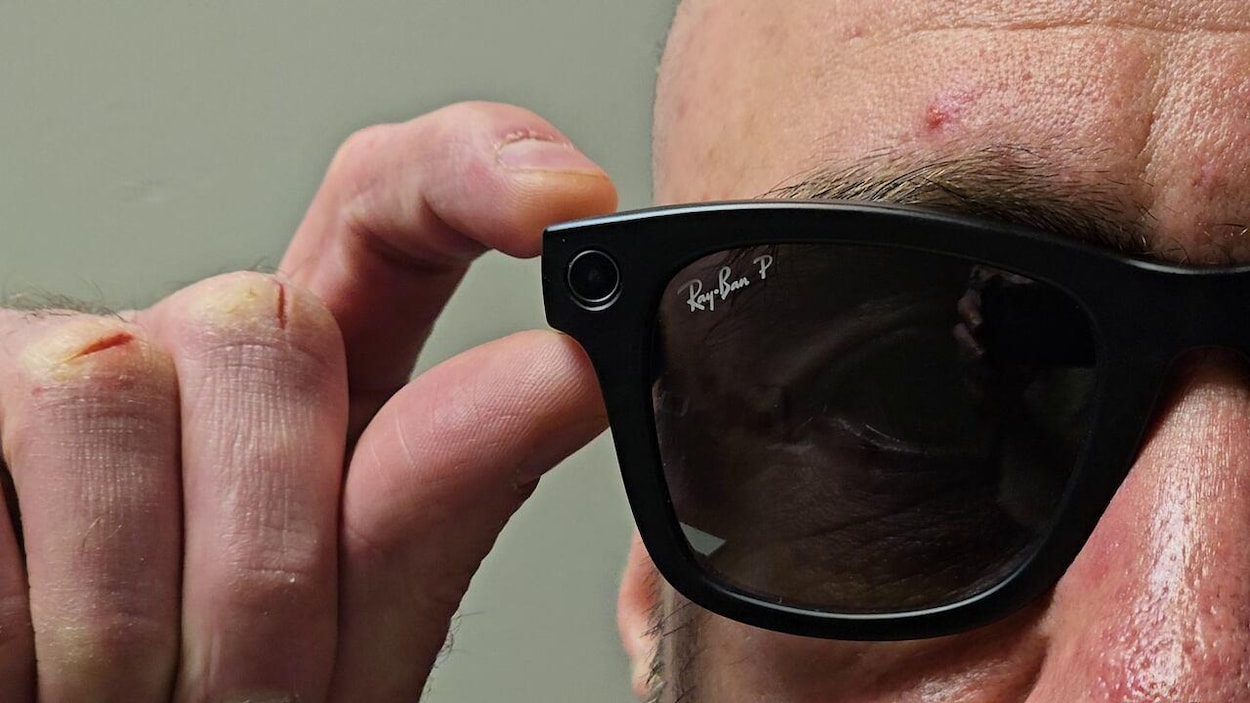
When Meta and EssilorLuxottica proved that everyday consumers actually want camera-equipped frames, they left a massive strategic vulnerability exposed: price and retail friction. While Silicon Valley continues to treat smart eyewear as consumer electronics sold through pop-ups and direct-to-consumer websites, real optical customers still buy their frames inside brick-and-mortar optical shops from licensed opticians.
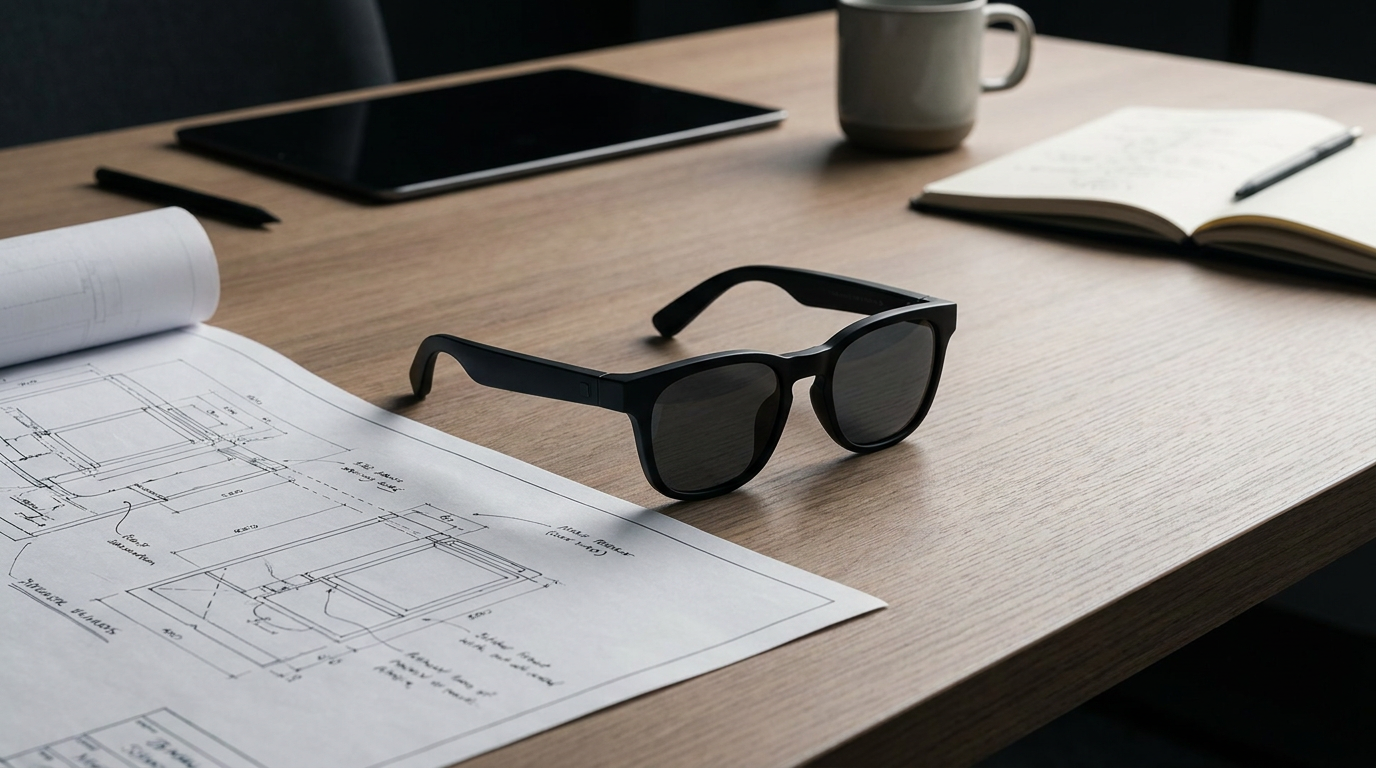
Enter Sportconnect. The Paris-based newcomer is mounting an audacious assault on the smart-glasses mainstream with a crisp, combative pitch: a lineup of camera frames featuring Sony imaging sensors and OpenAI integration, retailing at an aggressive €249 and distributed directly through independent French optical networks.
This is not a timid crowdfunding science project. Sportconnect is attempting an operational end-run around Big Tech's walled gardens, wagering that European buyers care less about Menlo Park logos and far more about accessible pricing, localized optical service, and open AI intelligence.
Sportconnect emerged from the French tech ecosystem with an athletic pedigree before pivoting hard into ambient consumer hardware. The startup recognized what dozens of failed audio-glasses makers missed over the last decade: people do not want to wear tech gadgets on their faces; they want to wear prescription-ready spectacles that happen to possess digital perception.
By targeting the traditional optical corridor, Sportconnect solves the category's most persistent Achilles' heel: prescription fulfillment and physical fit. Ray-Ban Meta may dominate the lifestyle conversation, but walking into a local optician, having frames adjusted to your temples, and walking out with custom corrective lenses remains the gold standard of eyewear commerce.
The timing could hardly be sharper. With European regulators scrutinizing Big Tech data collection and Meta's multimodal features facing rolling compliance delays across the EU, an agile domestic player leveraging third-party cloud intelligence has a rare, narrow window to capture regional market share.
What Sportconnect is shipping strips away the overengineered baggage that sunk early AR hardware. Rather than chasing waveguide microdisplays or thermal-choking spatial compute, the brand has locked in on the ambient capture-and-audio paradigm that currently defines the commercially viable smart-glasses sector.
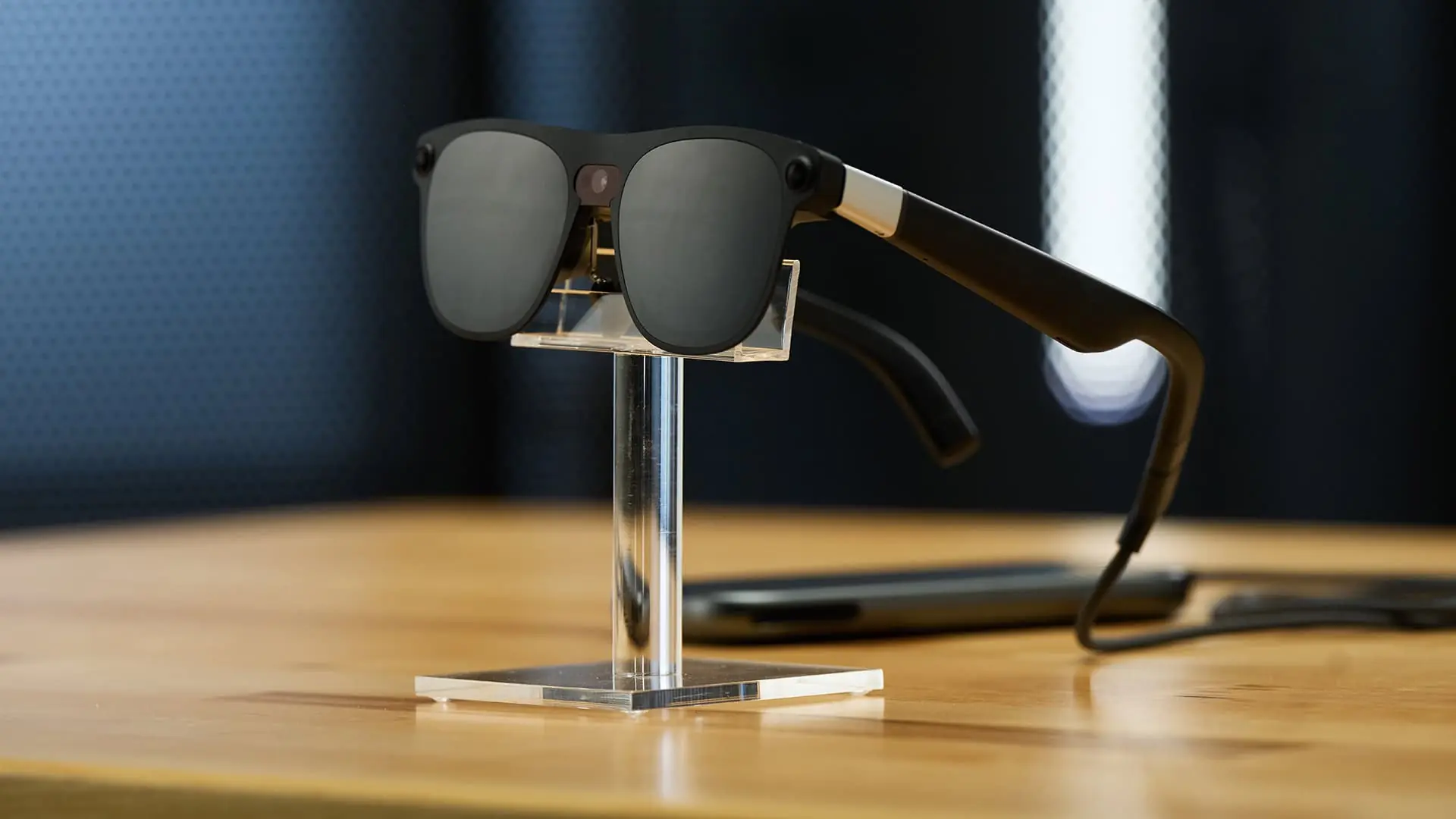
At the heart of the hardware is a Sony image sensor embedded discreetly in the frame front, designed for hands-free photo and video capture without protruding lenses or unsightly aesthetic compromises. Open-ear directional speakers and beamforming microphones handle the audio ledger, while on-board connectivity shuttles telemetry to a paired smartphone.
The software layer bypasses proprietary closed-loop assistants in favor of OpenAI-powered intelligence. Instead of talking to a stunted, first-party voice bot, wearers tap into conversational LLM queries and visual inference on demand. Full technical specifications—including exact battery capacities, weight distributions, and water-resistance ratings—remain close to the vest as retail rollouts accelerate, but the core formula is clear: lightweight daily wear with flagship-grade capture and conversational compute.
Positioned against the broader smart-eyewear ecosystem, Sportconnect occupies a distinct tactical lane. Look at Solos and its AirGo Vision frames: while Solos also leans heavily on OpenAI models and modular construction, it remains primarily a digital-native brand fighting for shelf space through direct web sales. Sportconnect matches that generative AI utility while anchoring itself firmly in physical European retail at a highly disruptive €249 price point.
Contrast Sportconnect with Mentra, the darling of the open-source community. Mentra is busy architecting extensible, developer-first glass platforms and runtime environments through initiatives like Mentra Live. Sportconnect has zero developer pretensions; it is building a turnkey, off-the-shelf consumer product meant for everyday commuters, tourists, and casual shooters who never want to inspect a line of code.
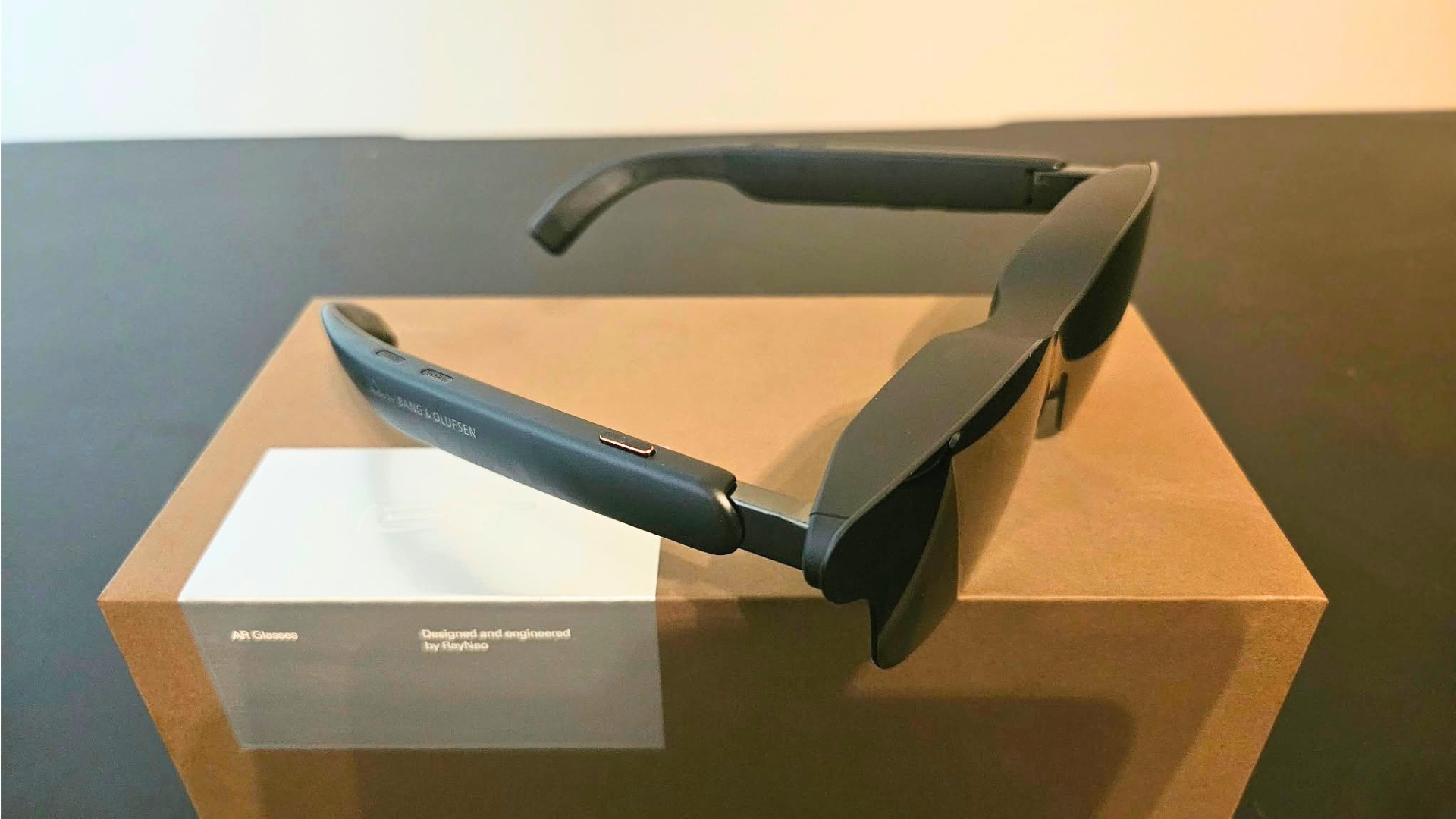
Then there are the heavyweight platforms like Samsung, whose upcoming Android XR hardware is chasing full spatial immersion, high-power compute, and complex display stacks. Sportconnect wisely refuses to play that game. By staying display-free, the French startup avoids Samsung's battery penalties and four-figure price tags, proving that utility on the face does not require rendering floating holographic pixels.
Sportconnect is designed for the pragmatic consumer: European buyers who want the hands-free capture and conversational AI of Ray-Ban Meta without paying a premium or locking themselves into Meta's social telemetry. Its greatest strength is its optical distribution model, which treats opticians as partners rather than afterthoughts.
The brand's primary vulnerability will be software sustainability and API economics. Relying on third-party AI infrastructure means recurring cloud query costs on hardware sold at a razor-thin €249 margin. Over the next 12 months, watch whether Sportconnect can expand its retail footprint beyond France into DACH and Southern Europe without watching its software backend buckle under real-world usage.
Interactive guide: prices, displays, cameras, battery.
Share this story