Reviews · RayNeo
RayNeo GT Review: Native 3DoF and Bright Micro-OLED Meet the 1080p Wall
A hands-on test reveals sharp optics, comfortable tracking, and solid brightness, but the standard 1080p resolution continues to limit virtual screen utility.
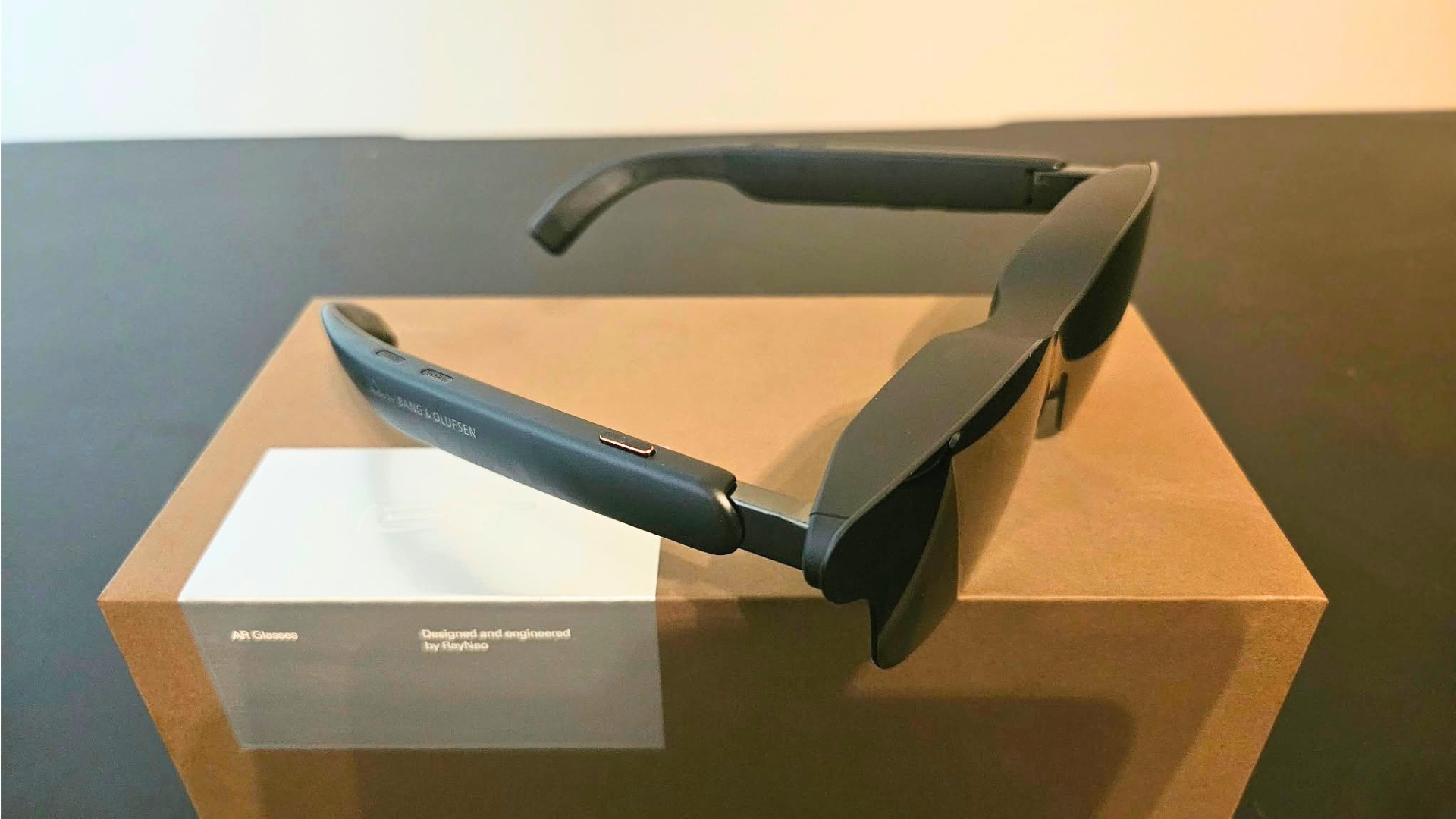
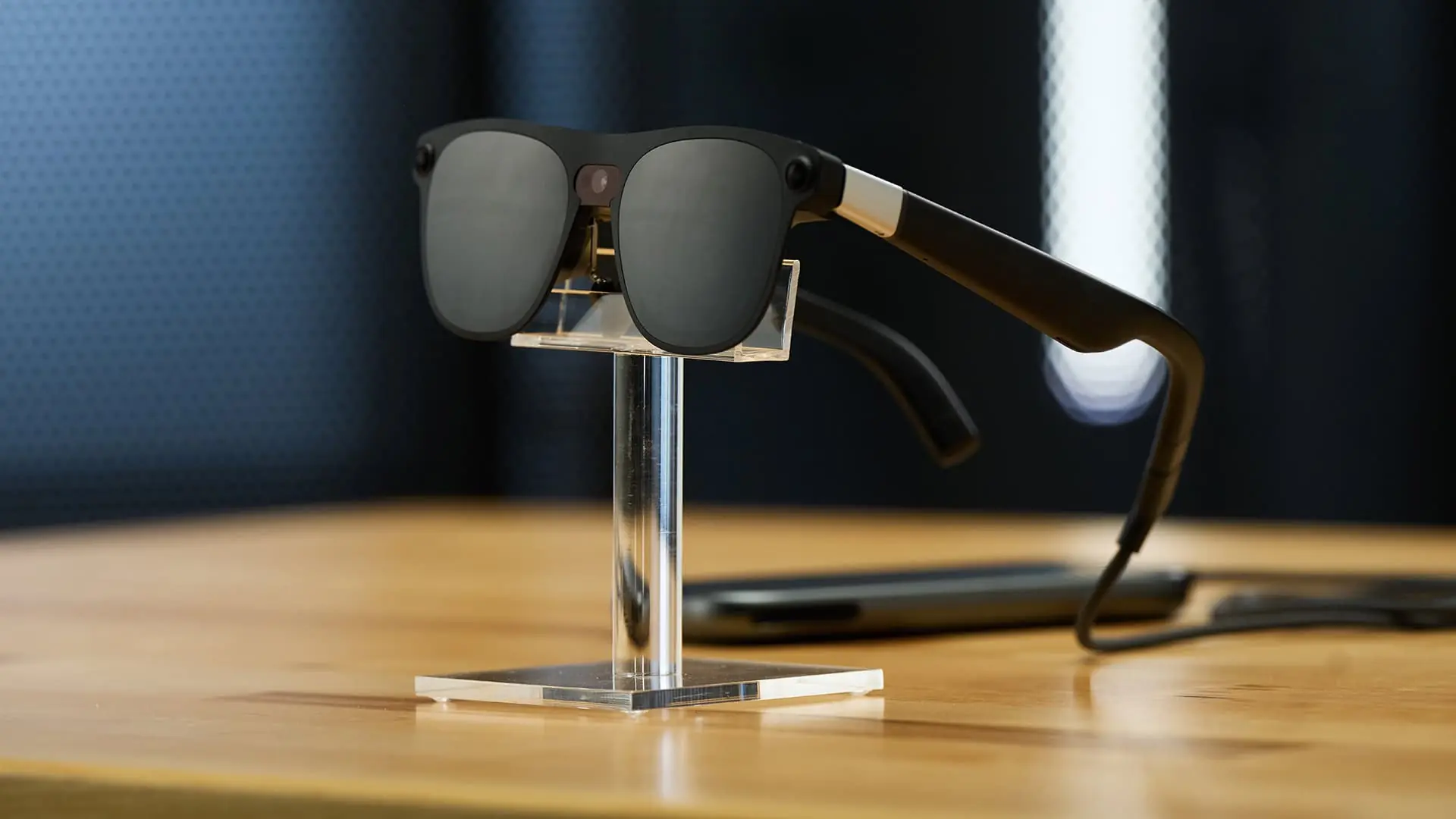
Portable displays have become an essential accessory for handheld gaming and mobile productivity, and RayNeo has expanded its lineup with the RayNeo GT. Introduced as the more accessible sibling in the GT line alongside the GT Max, the glasses project a floating display directly into the wearer's line of sight over a USB-C DisplayPort connection. The hardware sports twin Micro-OLED panels running at 1920 x 1080 per eye with up to a 120Hz refresh rate, a 46-degree field of view, and a lightweight 68-gram frame equipped with quad speakers co-tuned by Bang & Olufsen.
In a detailed review published on November 3, 2026, gamespace.com put the RayNeo GT through its paces across several source devices, including a Samsung smartphone, a workstation laptop, and RayNeo's companion Pocket TV Pro streaming module. According to gamespace.com, the GT makes an immediate mark with clean optical performance, avoiding the peripheral blurring and edge distortion that often plague birdbath optics in competing headsets. The outlet noted that the display was particularly effective for mobile gaming, reporting that running Warframe on a smartphone went from a cramped, unreadable interface to an approachable experience where interface HUD elements were clearly legible.
However, gamespace.com highlighted the inherent constraints that still define the current generation of wearable displays. Chief among them is the 1080p ceiling. While RayNeo markets the display at perceived sizes up to 231 inches, gamespace.com pointed out that projecting 1080p across such an expansive apparent area leaves users wishing for 1440p or 4K fidelity, as the larger canvas provides no extra desktop workspace. The publication also criticized the absence of integrated electrochromic dimming, noting that daylight easily bleeds through the lenses and distracts from the image unless users purchase an optional snap-on light shield.
On the tracking front, the onboard three-degrees-of-freedom (3DoF) processing proved to be a highlight. The glasses feature Follow, Steady, and Pinned viewing modes processed directly on the hardware rather than requiring companion software overhead. As gamespace.com observed during testing, both Follow and Steady modes delivered responsive head tracking without noticeable jitter, with Steady emerging as the most practical setting for reducing motion fatigue during extended sessions.
How it compares: The RayNeo GT lands directly in territory dominated by the Air 2 series from XREAL and the Max line from Rokid. While rivals have increasingly leaned on external processing pucks or proprietary apps to unlock stable 3DoF anchoring, RayNeo's decision to bake native rotational tracking directly into the GT gives it an edge in plug-and-play simplicity. However, competitors in this price tier increasingly offer electrochromic tint control out of the box, making RayNeo's reliance on a physical accessory clip feel dated.
Our take: The RayNeo GT represents another competent entry in the portable monitor category, but it also reflects an industry waiting on its next hardware leap. Until microdisplay yields drop enough to make 2.5K or 4K panels standard across consumer frames, glasses like the GT will remain specialized monitors for handhelds like the Steam Deck rather than true virtual workstation replacements. For mobile players looking to unburden their wrists and magnify dense user interfaces, the GT delivers bright, responsive glass, but manage your expectations when it comes to raw desktop real estate.
Interactive guide: prices, displays, cameras, battery.
Share this story