Guides · Android XR
Android XR Brand Guide: Google’s Operating System Play on Your Face
Meta has dominated smart frames, but Android XR is ready to turn connected eyewear into an open hardware war. Here is what Google's spatial platform means for the smart glasses ecosystem.
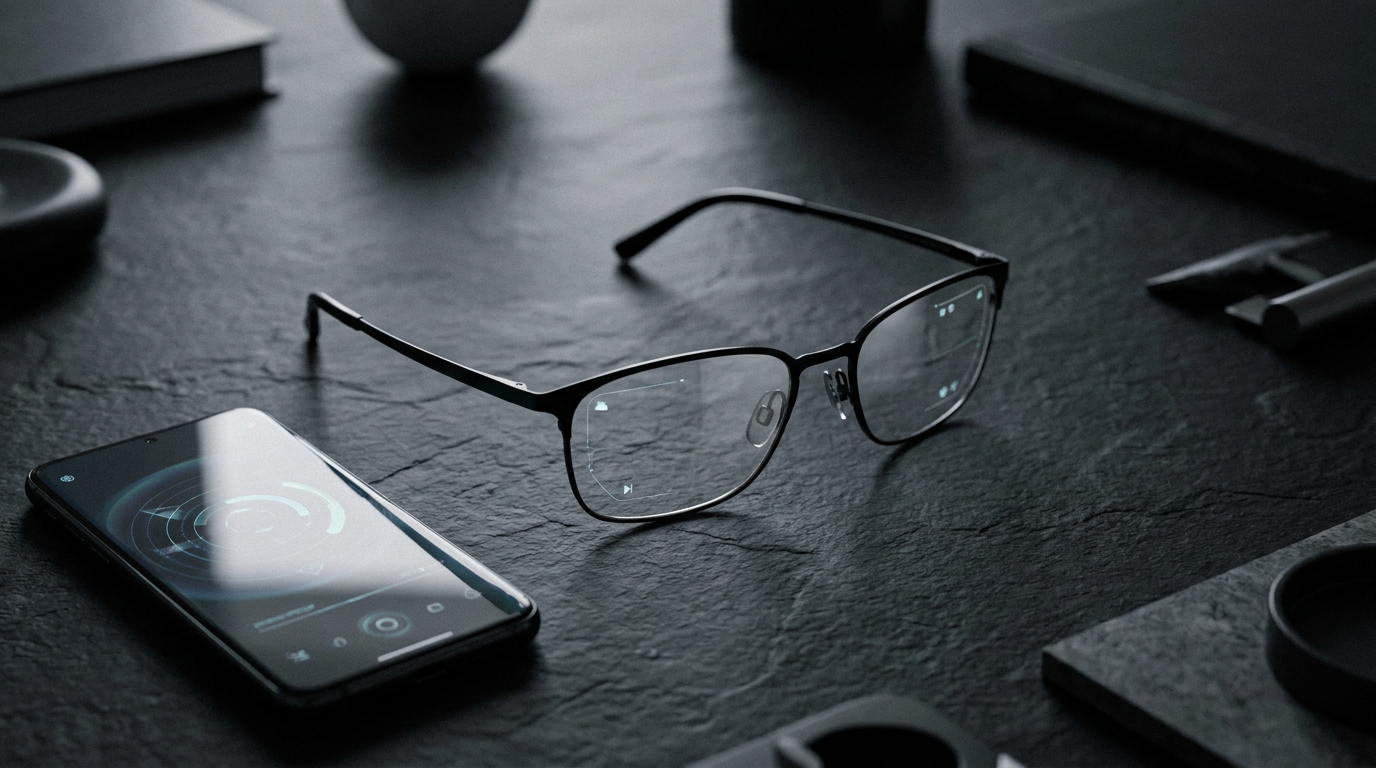
The smart-glasses market has spent the last two years living under Meta's thumb, but closed ecosystems always hit a ceiling. Enter Android XR. Google’s emergent spatial computing and smart-glasses software platform is positioned to upend connected eyewear in the exact same manner original Android disrupted early mobile: by turning a proprietary hardware monopoly into a multi-vendor playground.
The thesis is simple. The smart-glasses category will not be permanently won by a single vertically integrated camera-frame vendor. Eyewear is intensely personal; it demands stylistic diversity, prescription tailoring, regional distribution, and carrier buy-in. Android XR is the universal software spine designed to make that hardware fragmentation viable.
As we argued in our recent coverage of the impending eyewear reckoning, consumer patience with walled-garden social cameras is already showing friction. Android XR matters because it arrives not merely as another piece of novelty hardware, but as an open-ecosystem counterweight aimed directly at Meta’s head start.
So who is Android XR? It is not an eyewear brand in the traditional retail sense; it is Google’s dedicated spatial computing operating system, engineered specifically to scale across form factors from full-fidelity mixed-reality headsets down to ultra-lightweight smart frames and heads-up displays.
Its pedigree is both long and messy. The DNA traces through a decade of Google Glass experiments, Daydream platform pivots, and targeted acquisitions like microLED maker Raxium and smart-eyewear pioneer North (creators of Focals). After years of fragmented internal labs, Google consolidated its spatial efforts under the core Android umbrella, cementing partnerships with Qualcomm for custom Snapdragon XR silicon and Samsung as a flagship hardware co-developer.
The target market is deliberately stratified. In the immediate term, Android XR is built to power context-aware, multimodal AI glasses anchored by Google’s Gemini foundation models and Project Astra computer-vision pipelines. In the long term, it is the platform play for every traditional fashion house, sports-eyewear manufacturer, and third-party OEM that wants to ship intelligent eyewear without spending hundreds of millions of dollars building an operating system from scratch.
The timing is purely defensive and intensely opportunistic. The convergence of energy-efficient micro-displays, low-power spatial coprocessors, and real-time multimodal AI models has finally made lightweight smart glasses technically compelling. Google recognized that if it failed to establish the open standard for facial interfaces now, Meta and Apple would dictate developer terms for the next twenty years.
Because Android XR operates as an operating system and reference architecture rather than a solitary retail SKU, there is no single catalog spec sheet on store shelves today. What is publicly confirmed is the platform's dual-tier architecture: an immersive tier for headsets, and a micro-XR companion tier tailored specifically for glasses that offload heavy compute to smartphones or pocket pucks.
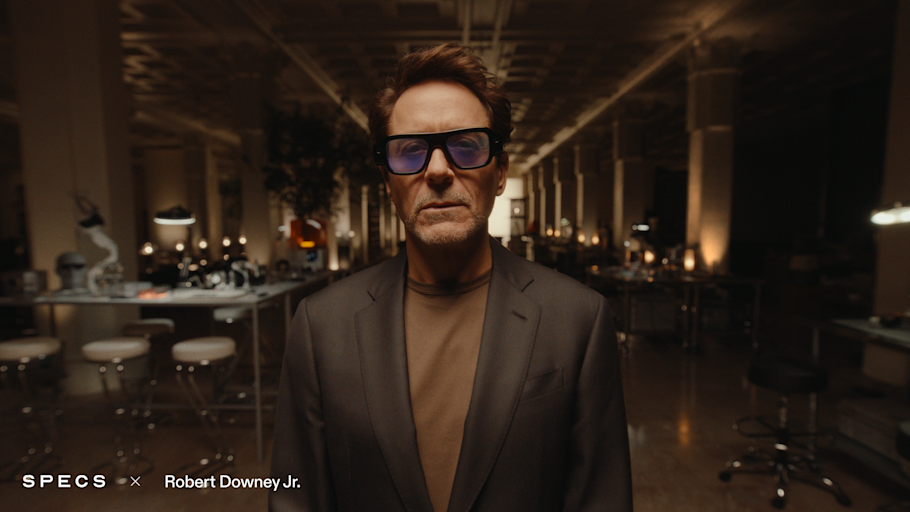
Public developer showcases and Google's Project Astra demonstrations offer the clearest blueprint of what Android XR frames look like in practice. The reference hardware features discreet, temple-mounted camera sensors, multi-microphone beamforming arrays, open-ear acoustic drivers, and direct neural-network grounding that parses real-time visual feeds through Gemini Live.
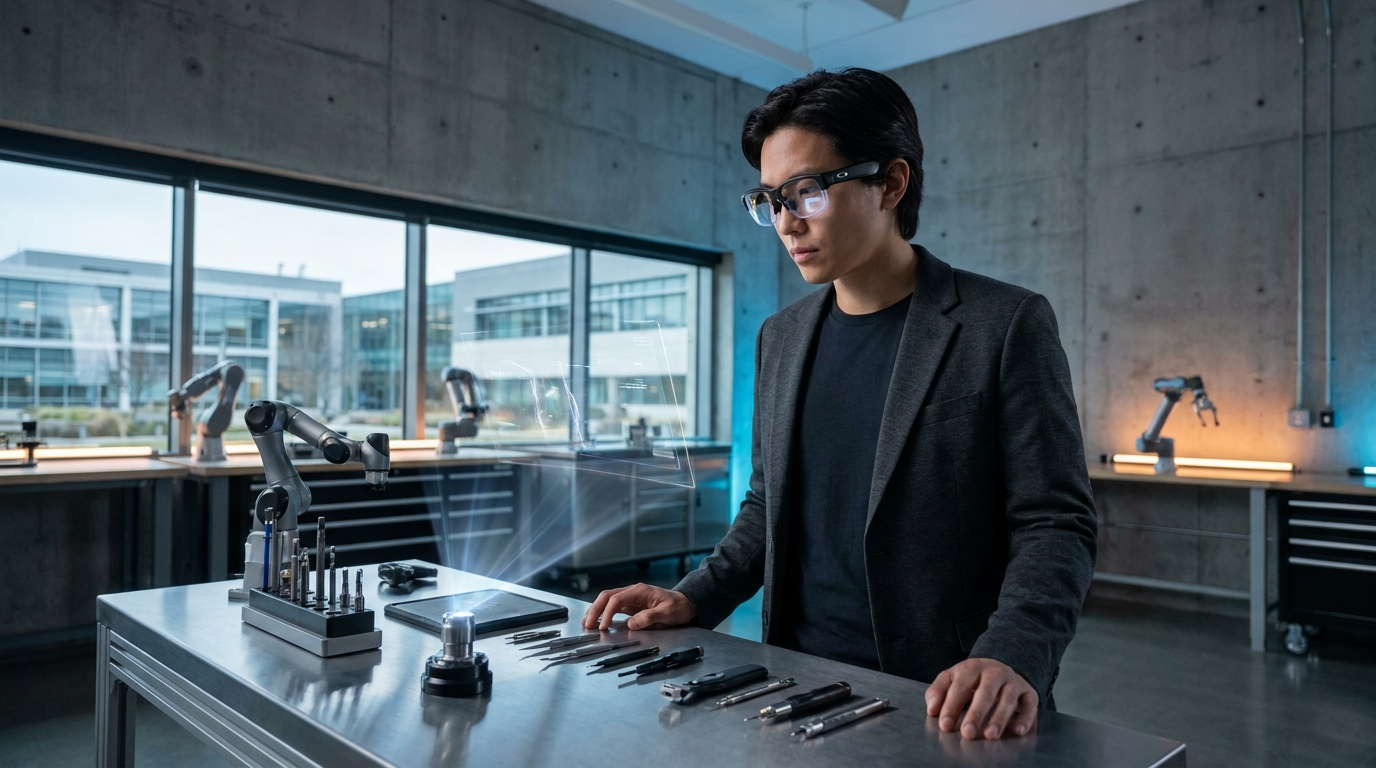
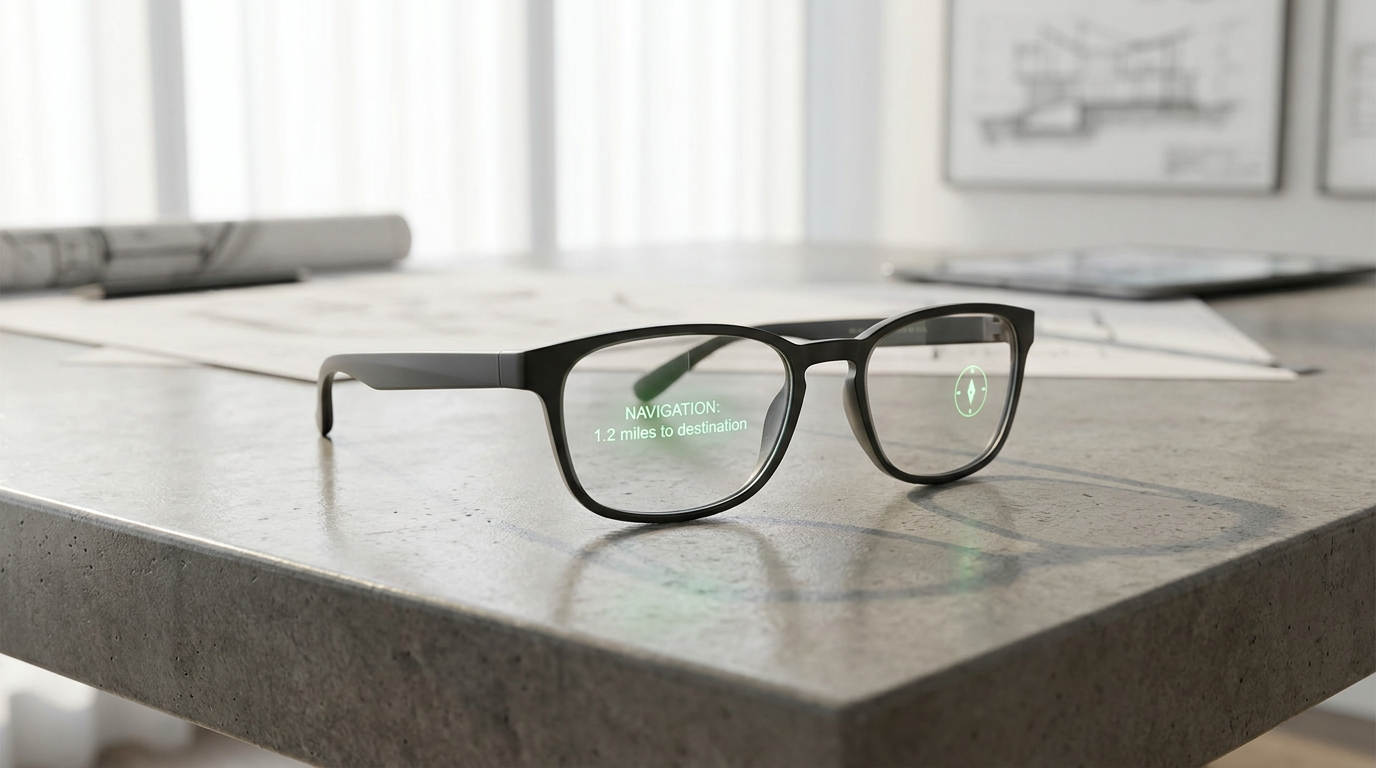
On the display front, Google and its hardware partners have prioritized monocular and binocular microLED projection engines that feed high-contrast, transparent heads-up displays rather than bulky, opaque video pass-through. Instead of locking users into synthetic 3D workspaces, smart glasses running Android XR are built for ambient utility: turn-by-turn navigation arrows overlaid on crosswalks, real-time translated conversational subtitles, and proactive visual AI prompts.
Until hardware partners like Samsung and licensed fashion manufacturers announce their commercial spec sheets, specific battery capacities, lumen outputs, and field-of-view angles remain under non-disclosure. Yet the architectural mandates are clear: all-day wearable weight profiles hovering under 70 grams, low-thermal sensor operation, and instant tethering into the broader Android mobile ecosystem.
When positioned against existing hardware makers, Android XR's platform strategy creates immediate friction. Consider outdoor camera specialists like BleeqUp, which ships the Rover and Ranger AI sports glasses equipped with precision Zeiss lenses. BleeqUp nails ruggedized capture, targeted athletic telemetry, and optical clarity for cyclists and runners, but it acts as a standalone appliance. Android XR enters with an existing planetary app store, enterprise device management, and multi-app multitasking, turning smart frames into general-purpose computing nodes rather than single-use action cameras.
In the enterprise HUD space, established pioneers like Vuzix face a different kind of squeeze. Vuzix has carved out dependable industrial footholds with the lightweight Z100 and waveguide-powered Shield, running custom enterprise Android forks tailored for logistics, inspection, and barcode scanning. However, Android XR threatens Vuzix’s proprietary software margins. If global hardware makers can license a standardized, Google-maintained OS with built-in Gemini intelligence and native Google Workspace integration, bespoke industrial software stacks become harder to defend.
Further up the hardware ladder sits Magic Leap, whose Magic Leap 2 enterprise headset represents optics-first, high-FOV spatial computing tethered to dedicated compute packs. Magic Leap provides extraordinary optical pass-through for surgical suites and defense simulations, but it remains an expensive, high-friction enterprise tool. Android XR bypasses this bulk entirely, betting that the mass market will embrace sleek, mobile-tethered frames long before consumers or frontline workers normalize wearing optical visors.
Android XR is the most important structural development in smart glasses since Ray-Ban Meta proved that regular consumers would tolerate cameras on their temples. For developers and eyewear designers exhausted by closed ecosystems, Google’s platform offers a viable path to scale. Its greatest strength is the gravity of the Android developer base and Google’s unmatched contextual AI; its greatest weakness is Google’s notorious corporate habit of losing interest in hardware revolutions before they mature.
Over the next 12 months, ignore the conceptual developer keynotes and watch the manufacturing rollouts. The true viability of Android XR will be proven by whether consumer eyewear brands actually sign licensing agreements and ship frames with believable industrial design and dependable battery life. If Samsung and independent eyewear partners deliver on the hardware, Android XR will decisively shatter Meta’s monopoly and kick off the genuine operating-system war smart glasses have been waiting for.
Interactive guide — prices, displays, cameras, battery.
Share this story