Manufacturer News · Xreal
Xreal Aura Opens Orders at $1,099 as Big Tech Confronts Soaring AI Capex
Xreal and Google have launched orders for the Android XR-powered Aura smart glasses, debuting a tethered spatial computing architecture amid massive industry spending.
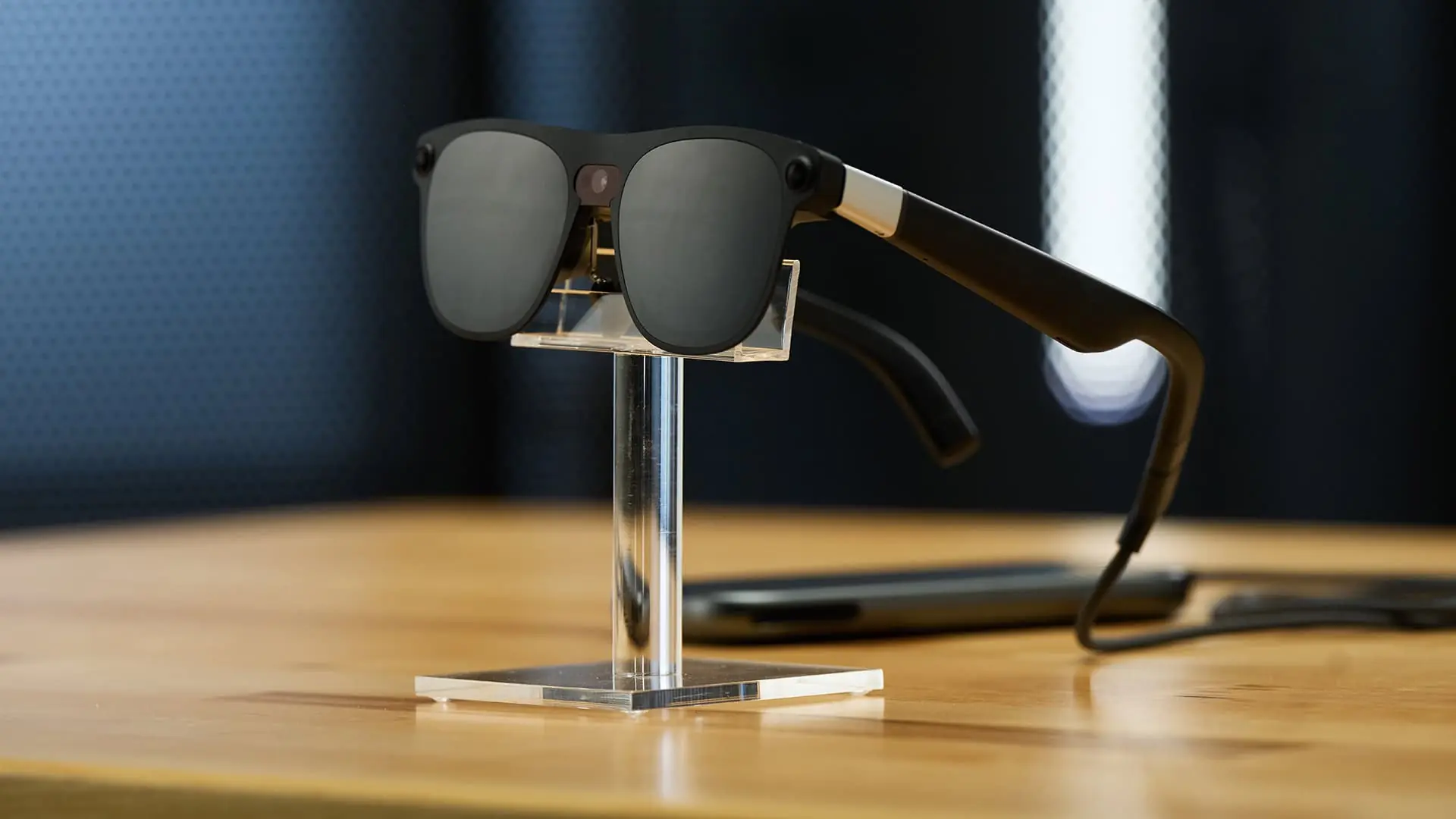
On October 30, 2026, industry reports highlighted a pivotal week for spatial computing: Xreal and Google opened pre-orders for the Xreal Aura, an Android XR headset scheduled to reach customers in November. The commercial rollout arrives right as quarterly financial disclosures from Big Tech demonstrate the sheer capital cost required to underpin generative AI and spatial computing infrastructure.
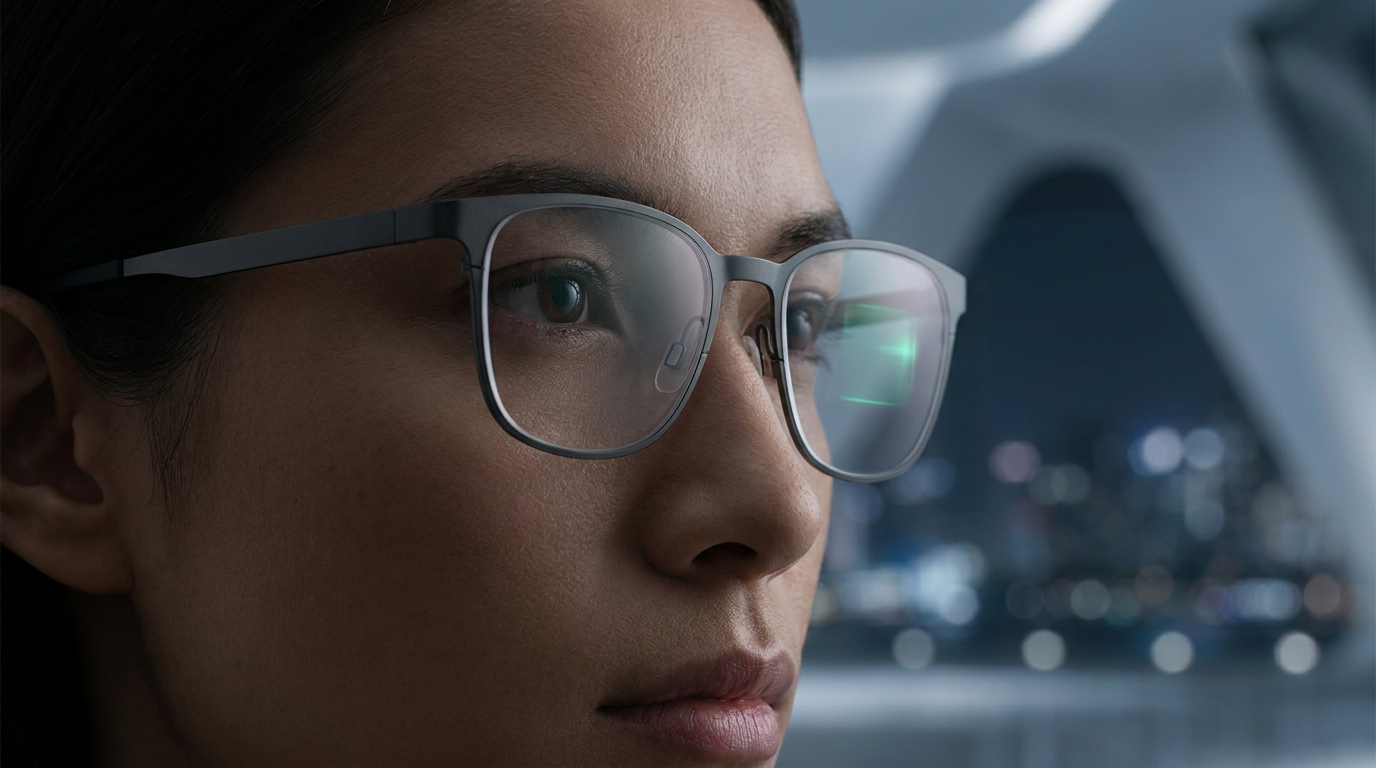
Hardware specifications detailed by CNET show that the Xreal Aura weighs 95 grams and delivers a 70-degree field of view with transparent optics. Rather than attempting an all-in-one standalone frame, Xreal relies on a cabled connection to a dedicated external compute pack. The device supports spatial hand tracking, virtual multi-window displays, and Google's Gemini multimodal assistant to parse real-time visual surroundings. Early buyers face an introductory price of $1,099 for the 256GB edition, with retail figures expected to climb once the promotional launch window concludes.
The hardware milestone unfolds against massive financial strain across the tech sector. As AR Insider reports, capital expenditures among platform giants have reached historic highs. Amazon projected $220 billion in annual capex, dragging free cash flow into negative territory, while Meta spent $34.9 billion in a single quarter on infrastructure. Workforce adjustments are trailing that spend: The Verge reported that Microsoft opened voluntary buyout packages to roughly 60,000 workers across AI and gaming units. Meanwhile, regulatory scrutiny is hardening, with The Associated Press noting that New York has enacted strict prohibitions against manipulative AI companions targeting minors.
How it compares: The Xreal Aura stakes out a distinct middle ground between featherweight audio-camera frames and hefty mixed-reality helmets. At 95 grams, the headset is too heavy to masquerade as standard eyewear, yet far more wearable for prolonged sessions than bulky visors. Offloading battery and silicon processing to a wired pocket puck eliminates thermal throttling on the face, giving Google's Android XR operating system and Gemini headroom to run complex spatial tracking without cooking the user's temples. However, tethered cables remain a friction point that mainstream consumers have historically resisted.
Our take: The Aura serves as an essential field test for Google's revitalized XR ambitions. By partnering with Xreal rather than building first-party glasses from scratch, Google secures an immediate reference vehicle for Android XR at a lower barrier to entry than premium enterprise headsets. Still, at $1,099, the device targets prosumers and developers rather than casual shoppers. For the wider smart glasses ecosystem, the real story is whether Android XR and tethered companion pucks can establish a durable software ecosystem before standalone, display-equipped smart frames catch up.
Interactive guide: prices, displays, cameras, battery.
Share this story