Analysis · Samsung
Can Samsung Fix the Smart Glasses Privacy Dilemma?
As Samsung prepares its Galaxy Glasses, bystander pushback and surreptitious filming highlight the industry's biggest hurdle.

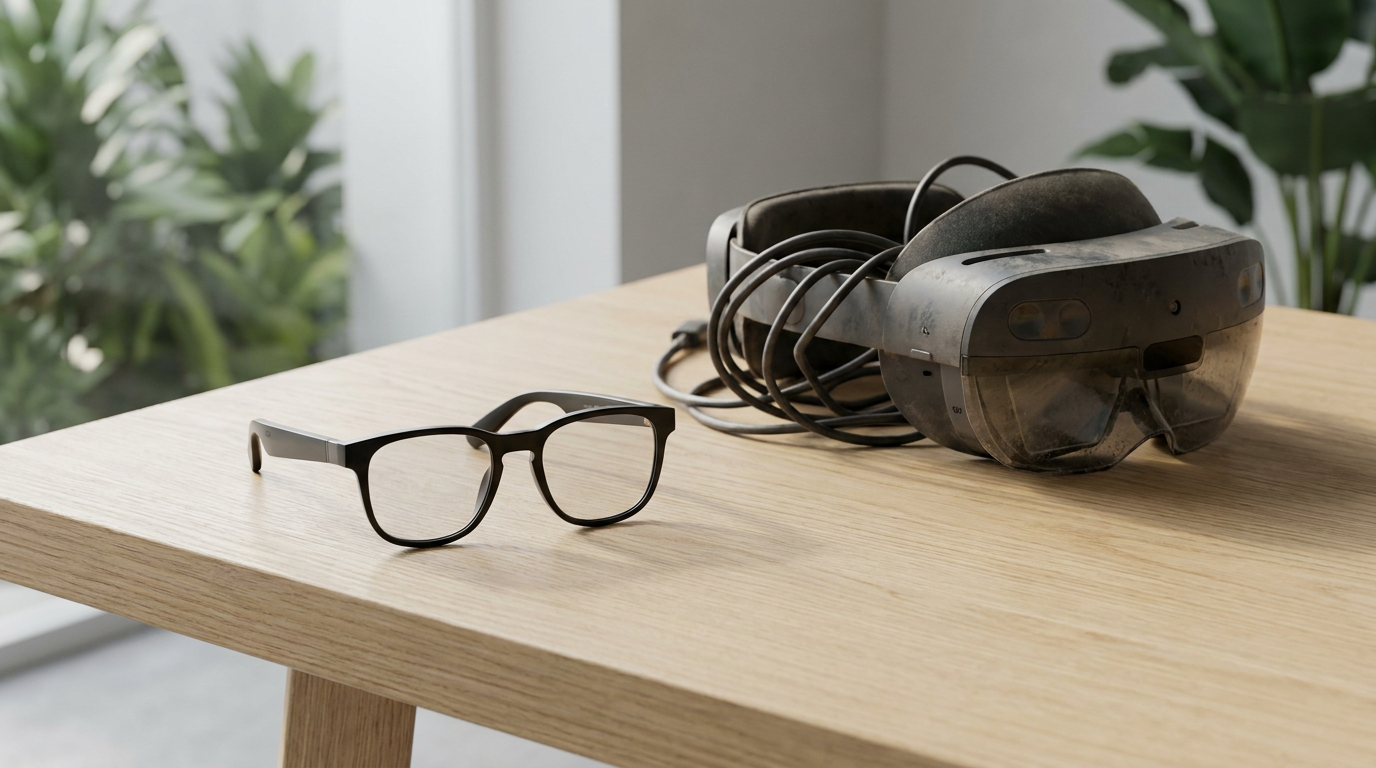
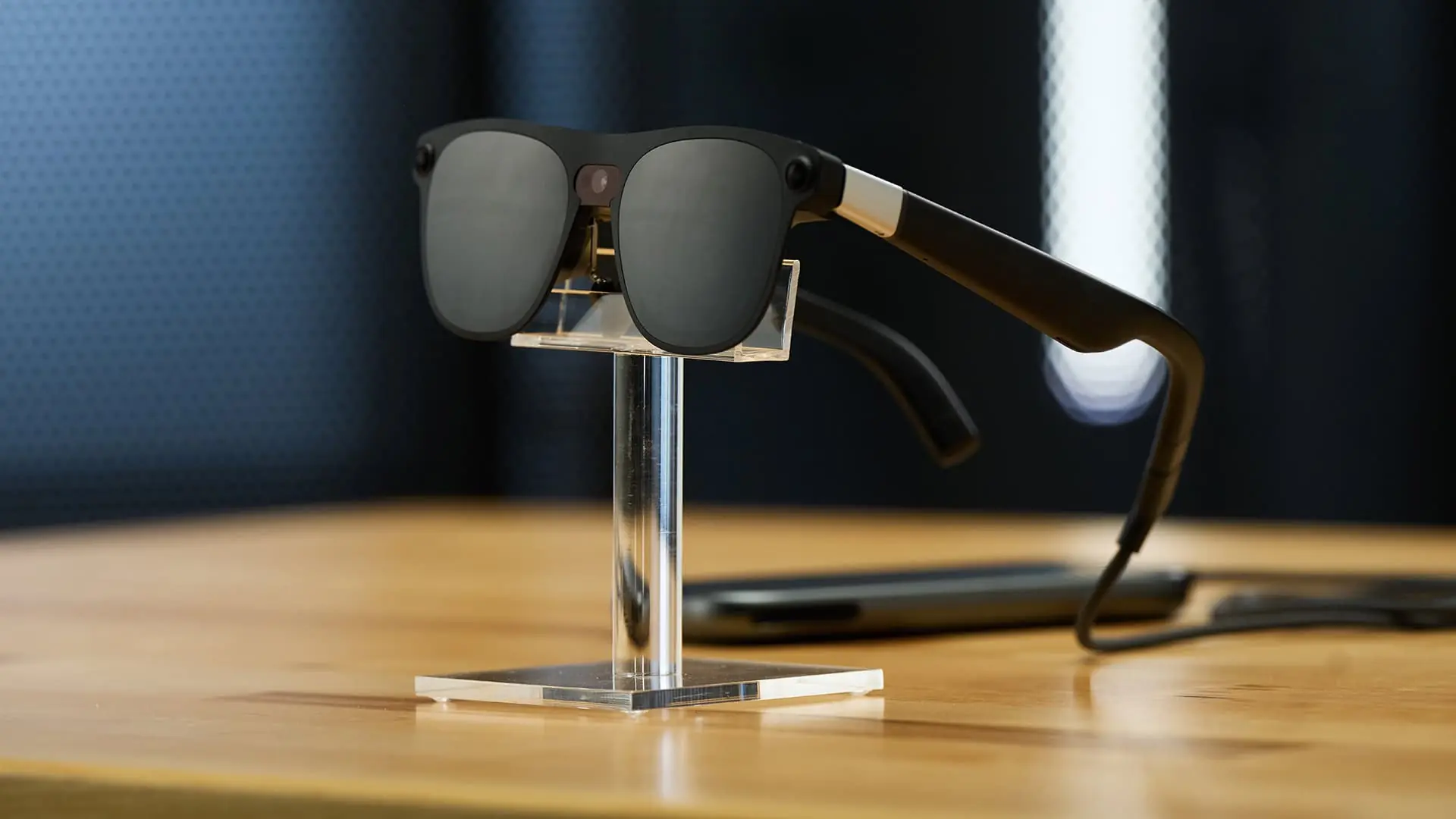
As Samsung readies its long-anticipated entry into smart eyewear this week, the tech giant faces an obstacle far more stubborn than battery density or thermal throttling: bystander trust. While early attempts at connected specs failed partly because of awkward, geeky aesthetics, modern smart frames look indistinguishable from conventional designer frames. That triumph of miniaturization has resurrected a decade-old cultural flashpoint. With Samsung reportedly prepping its own pair of smart glasses, the company must convince not only wearers to put them on, but also the general public that they are not being secretly filmed.
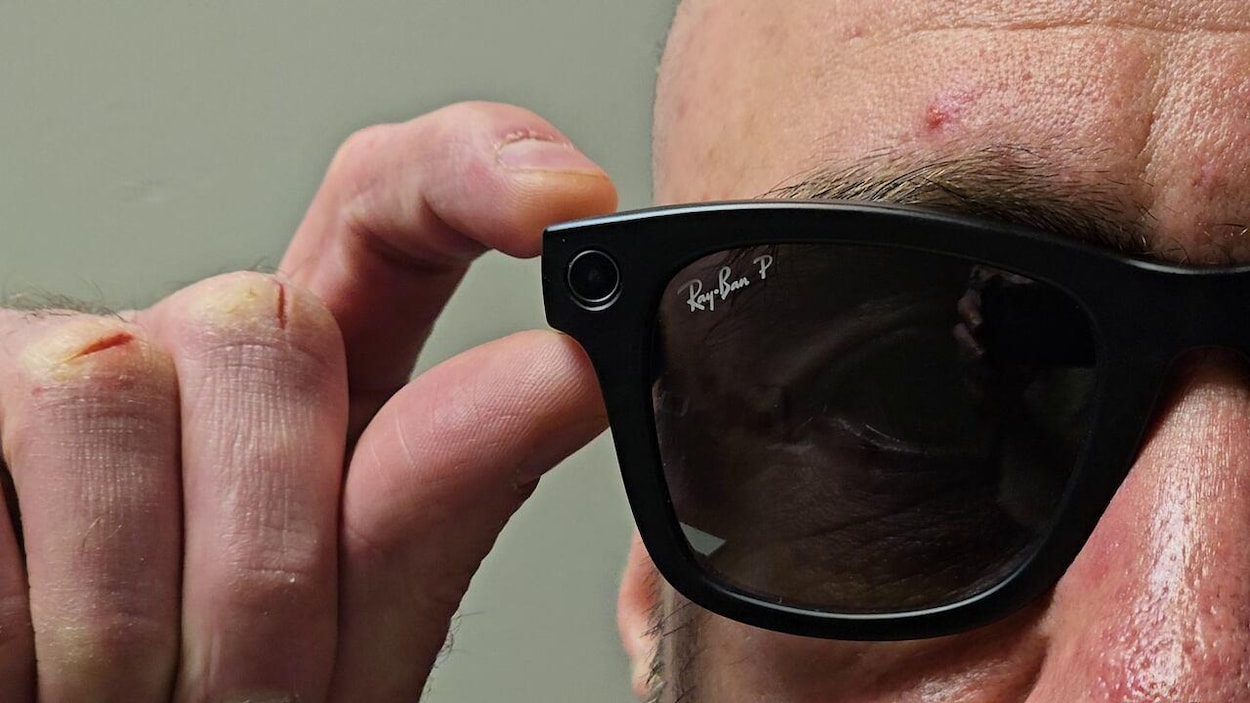
The friction is already playing out in the wild with Meta's current lineup. According to a report by CBS News, everyday bystanders have found themselves recorded without consent, including one woman who discovered a video of a casual conversation posted online with over 200,000 views. Unlike smartphones, which require an unnatural posture and an explicit visual gesture to record video, smart glasses eliminate social tells entirely. When a camera sits flush against an acetate frame, looking at someone and recording someone become the exact same physical act.
Hardware makers have attempted to engineer their way around this issue, but the fixes remain brittle. Meta implemented an illuminated capture LED on its Ray-Ban Meta glasses and engineered tamper controls intended to kill the camera feed if the diode is taped over. Yet as thegadgetflow.com notes, those defenses have not been bulletproof. Earlier tests conducted by CBS News revealed that obscuring the light after a recording had already begun failed to shut down capture immediately, prompting Meta to rush out software patches to close the loophole. Relying on an easily obscured, single-point LED remains a deeply imperfect reassurance for bystanders across a crowded room.
How it compares: Meta has leaned on the cultural cachet of Ray-Ban and a competitive $299 entry price to normalize face-worn cameras, effectively treating privacy friction as a manageable growing pain. Samsung, working in close partnership with Google and Qualcomm on Android XR hardware, will enter a market that is far more cynical than it was twelve months ago. If Samsung simply mirrors Meta's discreet pinhole LED approach, it will inherit all of Meta's public relations baggage without offering a safer alternative.
Our take: Software patches cannot solve an optical trust problem. If Samsung wants its upcoming Galaxy Glasses to achieve mainstream social acceptance rather than triggering public bans, it must deliver unmistakable, tamper-proof hardware indicators that cannot be bypassed or easily ignored. Bystander comfort will dictate the ceiling of the entire AI glasses category, and no amount of multimodal intelligence will save a device that makes everyone else in the room want to walk away.
Interactive guide: prices, displays, cameras, battery.
Share this story