Guides · Oakley
Oakley's smart-glasses play: performance, enterprise, and the Meta Vanguard
The iconic eyewear brand is stepping into smart glasses, leveraging its design prowess and a strategic partnership to carve out new territory. Is the Oakley Meta Vanguard a game-changer for active lifestyles and industrial applications?

Oakley has always been synonymous with performance eyewear, blending cutting-edge design with material science to protect and enhance vision. Now, the brand is making a decisive leap into smart glasses, a move that demands our immediate attention.
This isn't merely another fashion brand dipping its toes into tech; it's a heritage player with deep roots in optical innovation. Oakley's entry, particularly with the Meta Vanguard, signals a significant validation for the smart glasses category, promising to elevate both consumer appeal and critical enterprise functionality.
The thesis is clear: Oakley isn't chasing the consumer display market directly. Instead, they are leveraging their brand equity and a potent partnership with Meta to deliver highly specialized, AI-powered audio and camera glasses with a clear eye on specific high-value use cases, from the active individual to the industrial professional.
For decades, Oakley has defined eyewear for athletes, adventurers, and trendsetters. From their early motocross grips to their wrap-around sunglasses and Prizm lens technology, the brand has consistently pushed boundaries in optics, comfort, and durability. Their identity is forged in extreme environments and high-stakes performance, making their pivot into smart wearables a logical, albeit ambitious, extension.
Their historical commitment to ruggedness and user-centric design offers a powerful foundation. While many smart glasses struggle with form factor and robust build quality, Oakley enters the fray with an inherent advantage in crafting durable, ergonomic frames that users already trust for demanding activities.
The timing for Oakley is no accident. As AI becomes ubiquitous and the form factor of smart wearables continues to shrink, the opportunity to integrate advanced computational capabilities into a familiar, stylish frame is ripe. Oakley isn't just selling a gadget; they're selling an integrated experience built on decades of eyewear mastery.
The target segment appears dual-pronged: first, the tech-savvy active lifestyle consumer seeking discreet, powerful augmentation; second, the burgeoning industrial and enterprise market, where hands-free data capture and communication are becoming essential.
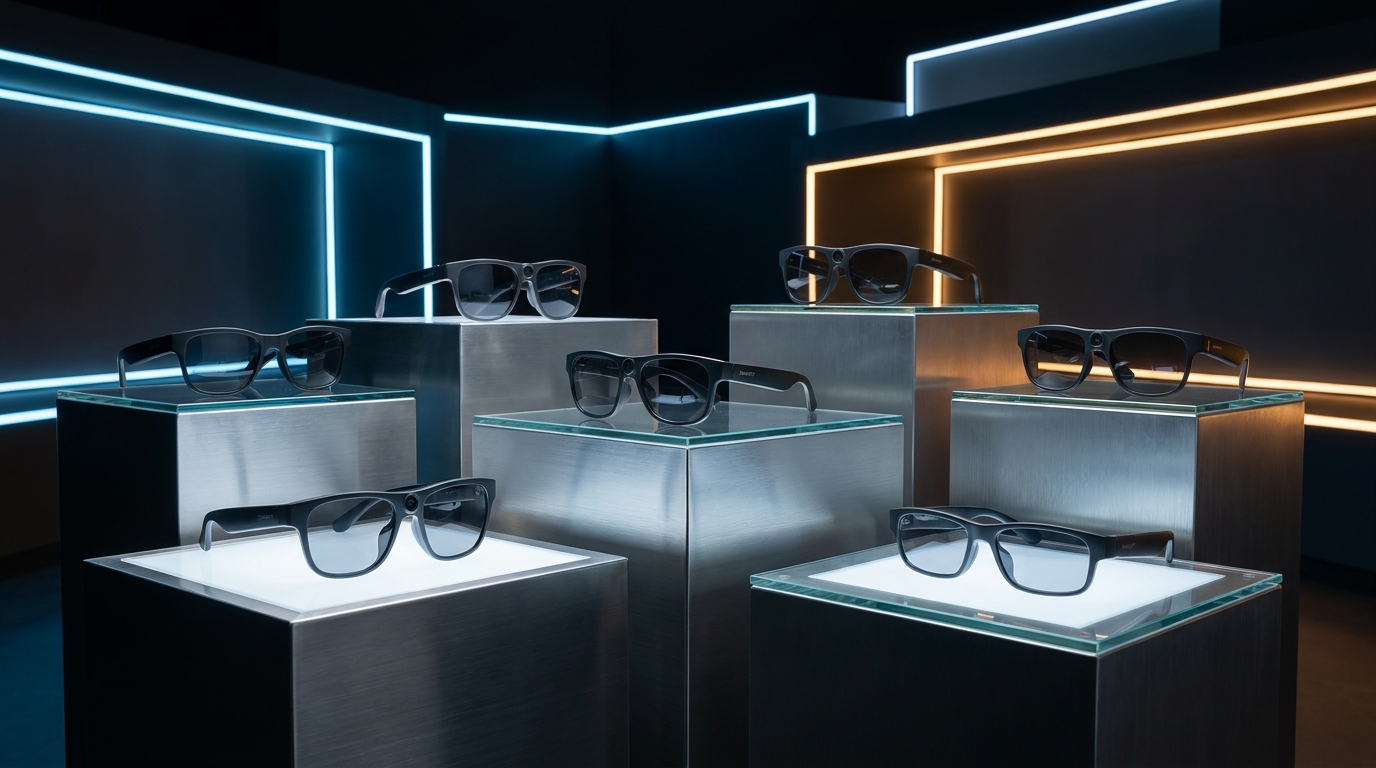
Central to Oakley’s initial smart glasses push is the Oakley Meta Vanguard. While full specifications remain under wraps, what’s publicly known paints a picture of a focused, high-utility device. As implied by its name, this is a collaborative effort, integrating Meta’s AI capabilities and foundational smart glasses technology into Oakley’s distinct aesthetic and durable frame.
Our recent coverage highlighted a key variant: the "Oakley Meta Vanguard Gets Clear Lens, Eyes Workplace." This particular model, distinct from the more consumer-oriented Meta Ray-Ban, signals Oakley's strategic intent to penetrate industrial and commercial environments. The clear lens suggests indoor use, potentially for manufacturing, logistics, or field service where safety glasses are mandatory and subtle tech integration is paramount.
Functionally, we can infer the Vanguard leverages Meta’s established platform, meaning integrated cameras for photo/video capture, discreet audio capabilities for calls and media, and AI features likely for real-time information processing, translation, or context awareness. The absence of a visible display screen positions it as an augmented audio/visual tool rather than an AR overlay device.
Crucially, the report also noted "Safety Claims Unconfirmed." This is a critical point for any enterprise adoption, especially in regulated environments where eyewear must meet specific safety standards (e.g., ANSI Z87.1). Oakley's strong reputation in safety glasses will need to be quickly validated for the Vanguard to achieve traction in industrial settings.
Positioning the Oakley Meta Vanguard against its smart glasses peers reveals a strategic divergence. Competitors like Viture (Pro XR, Luma Pro spatial display glasses) and Rokid (AR Spatial, AR Lite, Rokid Glasses) are primarily focused on immersive visual experiences, offering full spatial displays for entertainment, productivity, and gaming. Their value proposition centers on screen extension and mixed reality capabilities.
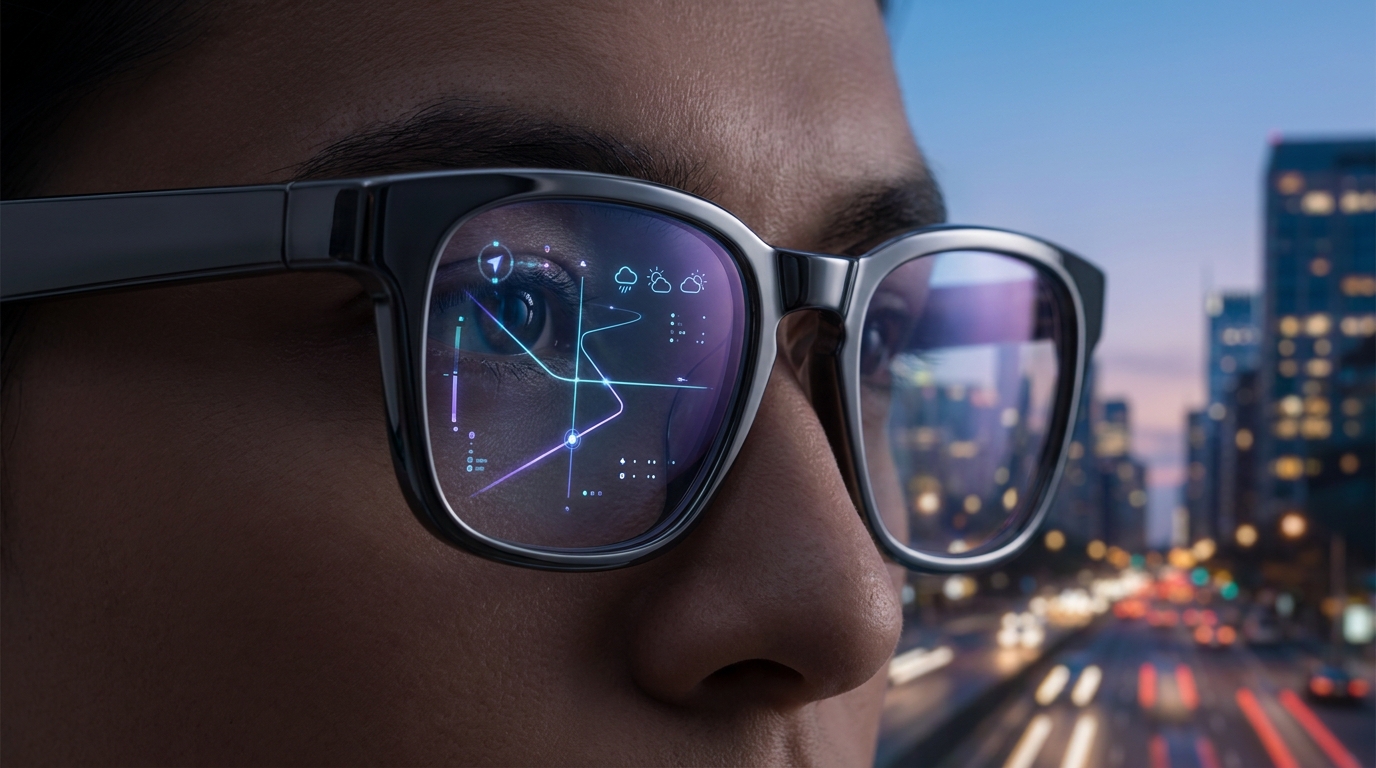
Oakley, by contrast, with the Meta Vanguard, currently offers no spatial display. Its strength lies in its iconic form factor, subtle integration of AI-powered audio and camera, and, notably with the clear lens, a direct play into regulated environments. It’s less about overlaying digital information and more about intelligent capture, communication, and discreet augmentation. Huawei's Eyewear line, while offering smart audio, lacks the integrated AI and camera sophistication that the Meta partnership brings to Oakley.
This makes Oakley's offering fundamentally different. Where Viture and Rokid are providing mobile displays, Oakley is delivering a smart assistant and recording device baked into a trusted, stylish frame, expanding into a B2B segment largely unaddressed by its display-centric rivals.
Smart Glasses Daily's verdict on Oakley's entry is cautiously optimistic. This isn't a shot in the dark; it's a calculated move. For the active consumer, the Oakley Meta Vanguard promises a seamless, stylish way to integrate AI into their daily lives without the overt tech aesthetic. For the enterprise, particularly with the clear-lens variant, it offers a compelling, hands-free solution for data capture and communication, potentially revolutionizing workflows.
The key strengths are Oakley's unparalleled brand, design, and distribution power, coupled with Meta's robust AI and software backend. The weakness lies in the unconfirmed safety ratings for industrial use and the current lack of an integrated display, which may limit appeal for users seeking true AR. Over the next 12 months, we'll be watching closely for official safety certifications, expansion into more Oakley-specific lens technologies beyond clear, and any signals of future display integration that could bridge the gap with its AR-focused competitors.
Interactive guide — prices, displays, cameras, battery.
Share this story