News · Meta
Backlash Mounts as Venues Ban Smart Glasses and Devs Build Detection Apps
Facing rising pushback over covert recording, businesses are moving to restrict smart eyewear while software tools emerge to spot active headsets nearby.
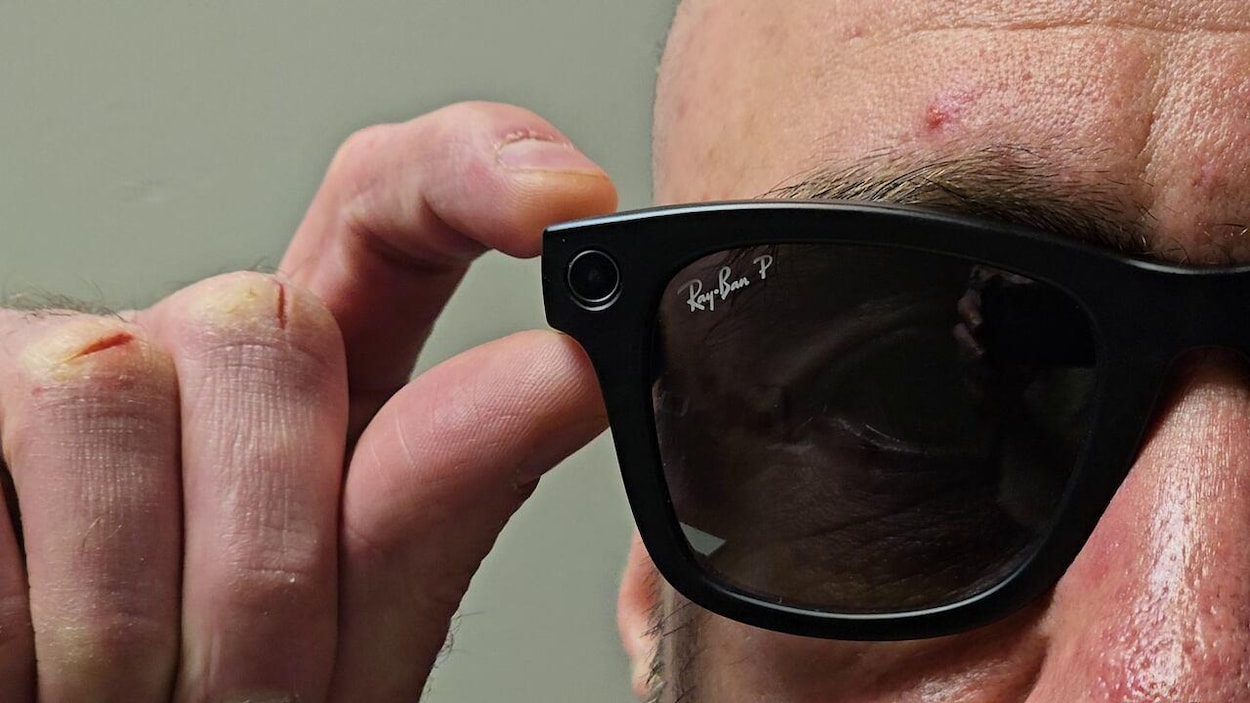
On November 3, 2026, ici.radio-canada.ca reported on a growing counter-movement targeting connected eyewear, highlighting how venue operators are moving to bar smart glasses while software developers build dedicated tools to detect them in the wild. The pushback reflects persistent public anxiety over face-mounted cameras that blend almost seamlessly into everyday optical frames. As smart frames from mainstream manufacturers become ubiquitous, everyday patrons and business owners are no longer taking hardware privacy promises at face value.
According to ici.radio-canada.ca, venues are taking proactive steps to ban the devices outright to protect customer privacy, while programmers are engineering detection applications capable of identifying active eyewear in a room. While the outlet notes that covert filming remains the central grievance, the response has shifted from passive discomfort to active surveillance countermeasures. Businesses ranging from gyms and spas to private dining spaces and cinemas are increasingly setting strict no-wear rules, treating modern camera-equipped frames not as ordinary vision correction, but as unauthorized recording equipment.
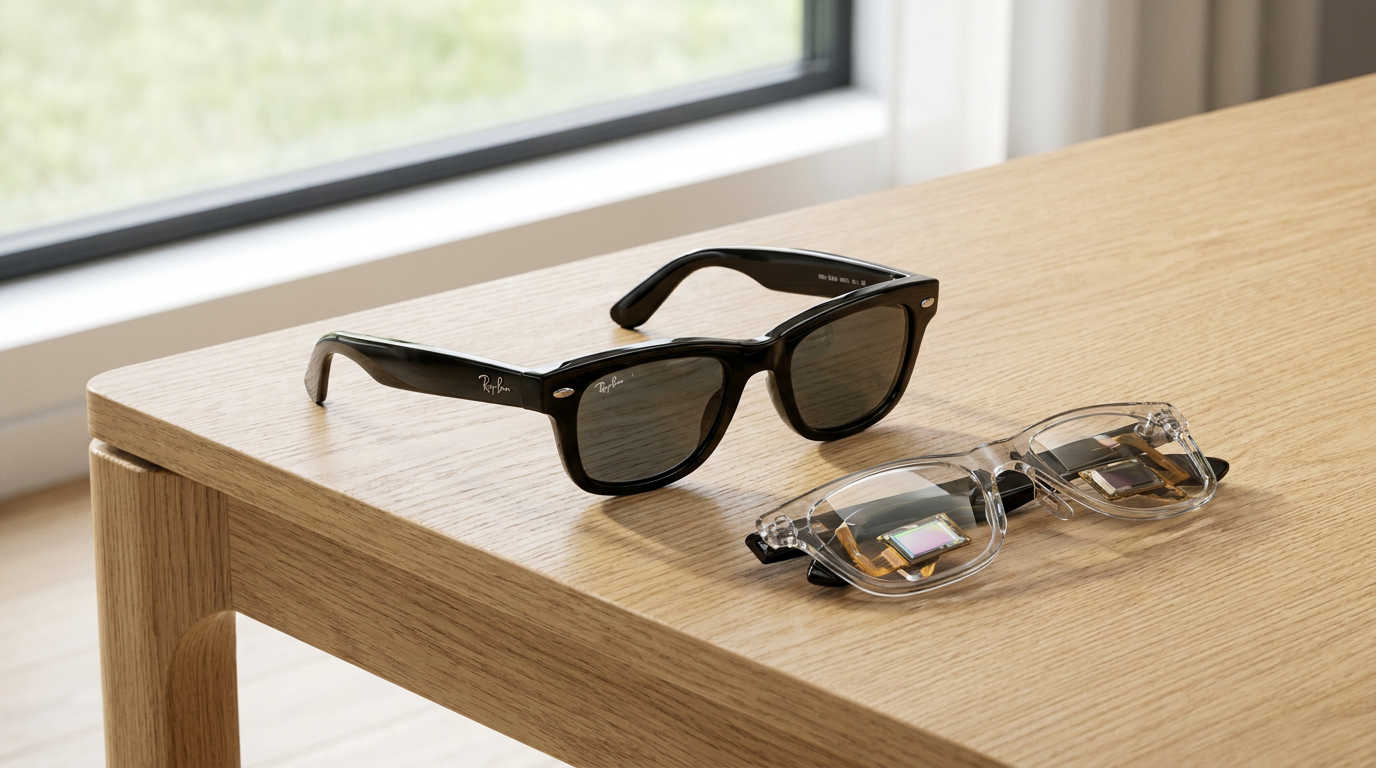
The core technical challenge driving this friction is how discreet modern hardware has become. When Google launched its early prototypes more than a decade ago, the futuristic prism and asymmetric design made wearers immediately identifiable. Today, camera glasses look nearly identical to standard designer frames. Although companies include capture LEDs that illuminate whenever video or audio recording is underway, critics and privacy advocates have repeatedly pointed out that tiny indicator lights are easily masked with a dot of tape or simply missed in brightly lit, bustling environments.
That visibility gap has prompted developers to explore wireless detection techniques. Most smart glasses rely on constant Bluetooth Low Energy beacons, Wi-Fi handshakes, and proprietary communication protocols to sync captured media back to a companion smartphone. By building scanning utilities that monitor local radio frequency traffic for signature MAC address prefixes and known device profiles, detection software can alert users when an active recording frame is operating in close proximity. While RF sniffing is far from foolproof in dense urban environments, it gives privacy-conscious venues a workable early-warning mechanism.
What this means: We have seen this dynamic unfold before, but the scale today is entirely different. Wearable hardware has crossed the threshold from geek novelty to everyday consumer fashion, and the industry can no longer pretend that a solitary LED light solves the social contract of recording in shared public spaces. If hardware makers want smart glasses to achieve true mass adoption, they must participate in standardized, broadcast-level privacy handshakes that venues can verify digitally, or accept being locked out of fitness centers, clubs, and intimate social spaces altogether.
Interactive guide: prices, displays, cameras, battery.
Share this story