Guides · Multi-brand
Multi-brand's Smart Glasses Play: A Unified Threat to Walled Gardens
A stealthy new entrant wants to crack face-worn computing through hardware distribution rather than single-device dogma. Here is everything we know about Multi-brand's play for your face.
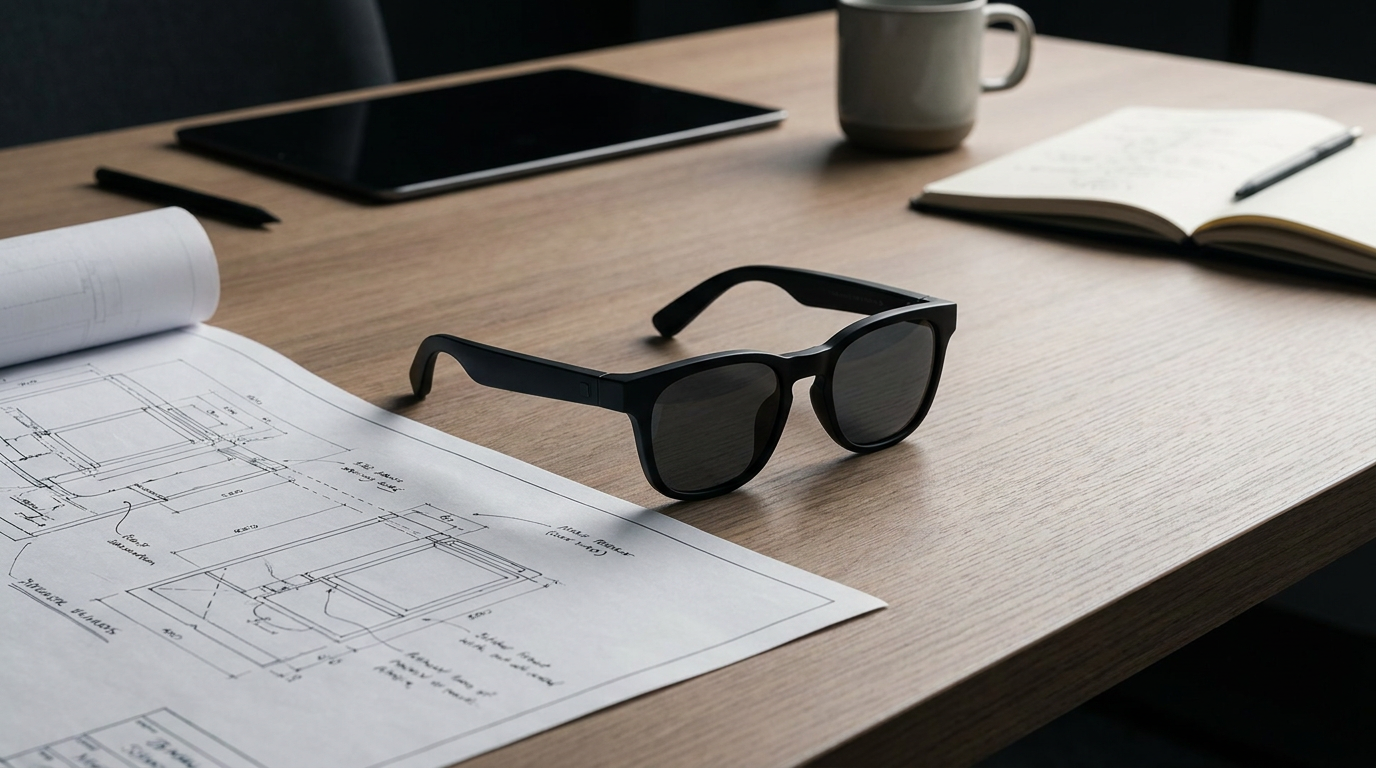
The smart glasses category suffers from a terminal lack of imagination. Silicon Valley remains trapped in a binary obsession: either build clunky, high-margin spatial computers that nobody wants to wear on a subway, or slap cameras and tinny speakers onto iconic acetate frames and hope consumer fashion instincts mask half-baked operating systems. Enter Multi-brand, a disruptive new entrant taking aim at that very stagnation.
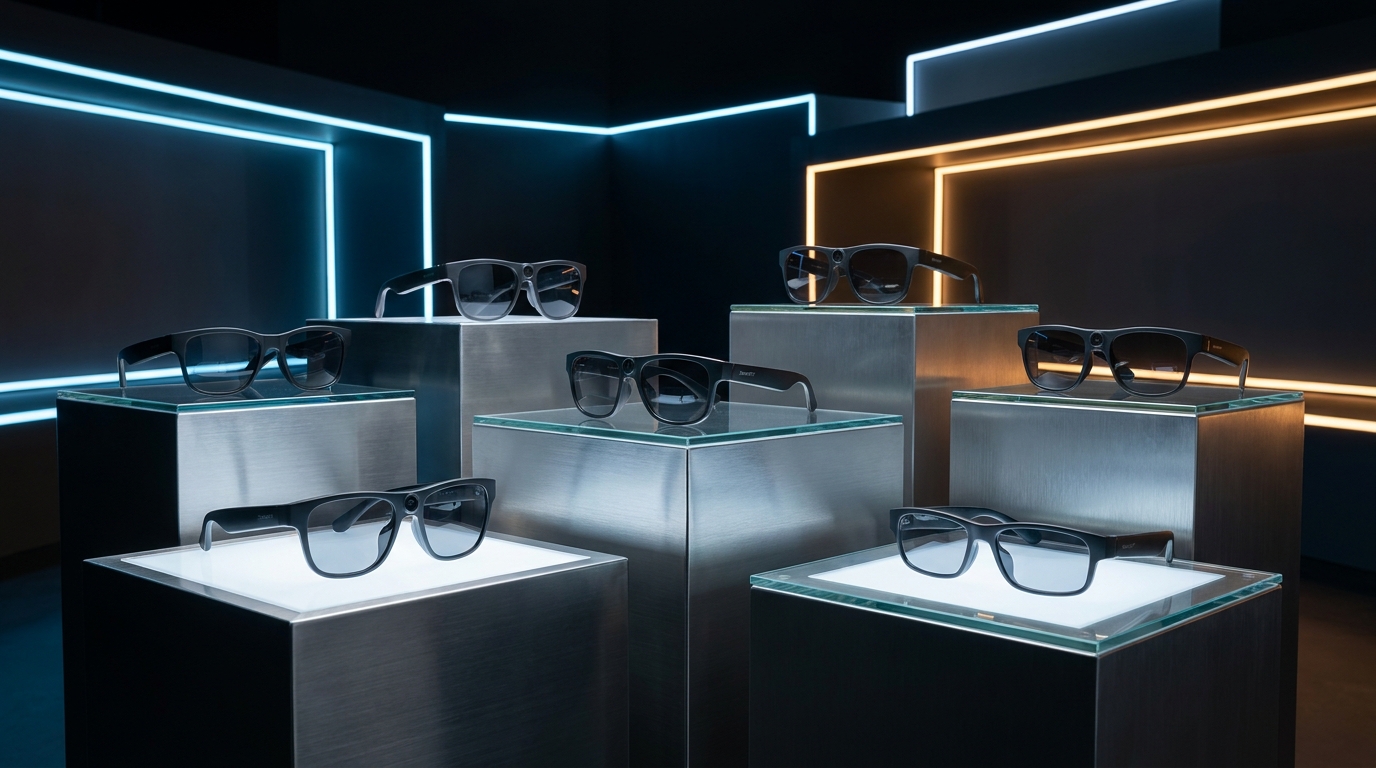
While incumbent tech giants treat face-worn computing as another closed ecosystem to lock down, Multi-brand is quietly assembling a strategy designed to bypass the single-device hardware trap. Rather than betting the house on one signature pair of frames, the outfit is positioning itself as an agile, multi-tier umbrella player capable of delivering smart eyewear across fragmented consumer aesthetics, price points, and utility curves.
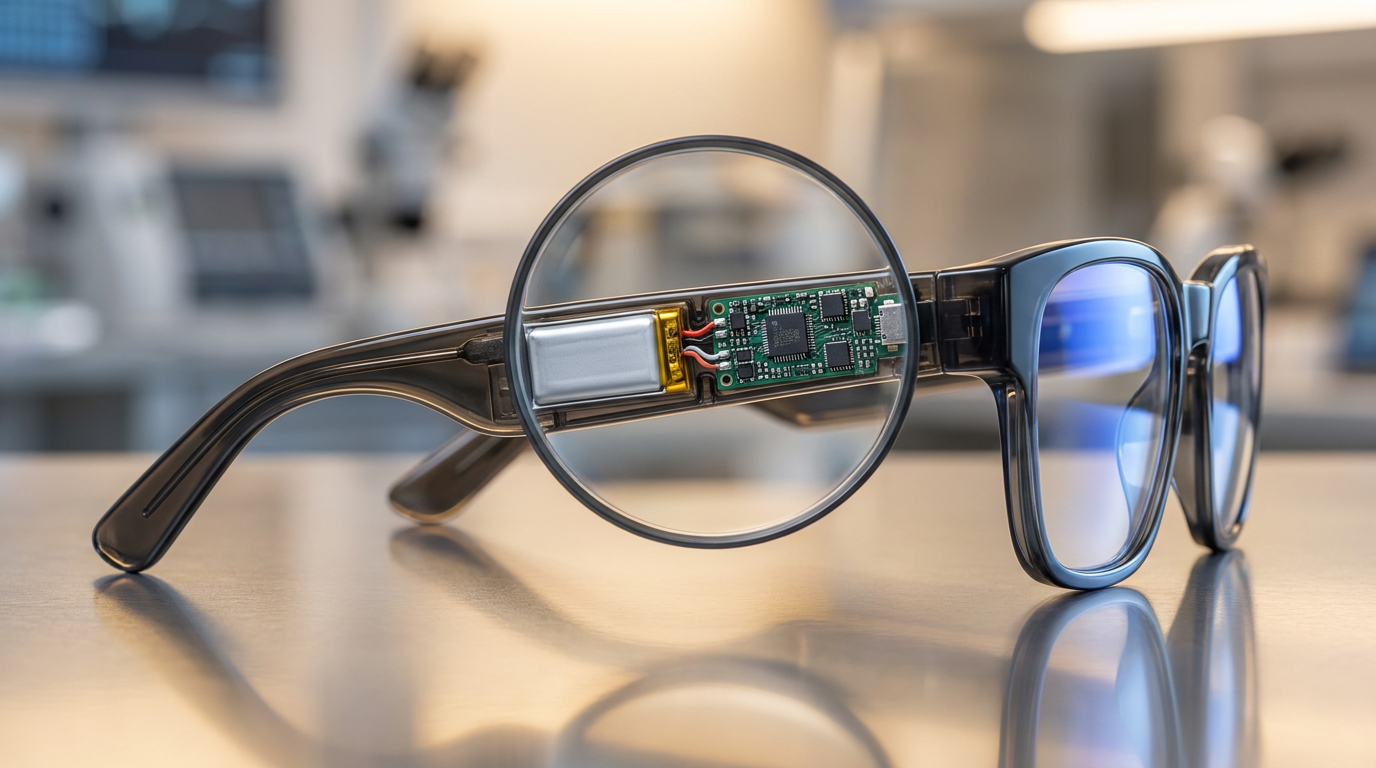
Their arrival could not be better timed. As we detailed in our recent investigation, "The Smart Eyewear Plateau: Why Nobody Is Solving the Battery Problem," the category is hitting hard thermodynamic and electrochemical walls. By diversifying its hardware footprint rather than cramming enterprise-grade silicon into a single bloated frame, Multi-brand represents a pragmatic detour around the industry's worst engineering bottlenecks.
To understand what Multi-brand is building, you have to look at the structural failures of traditional consumer tech hardware. Tech companies traditionally design from the silicon out, producing rigid, utilitarian frames that fail as daily prescription eyewear. Eyewear houses design from the bridge out, lacking the firmware competency to make ambient computing feel essential. Multi-brand sits squarely in the breach, leveraging modular manufacturing partnerships to ship connected hardware across discrete brand lines.
The outfit's DNA is rooted in hardware aggregation. Instead of burning venture capital to establish a proprietary luxury identity from scratch, Multi-brand's roadmap is built on cross-tier distribution, spanning lightweight audio-only frames up to visual HUD units intended for active and enterprise use cases.
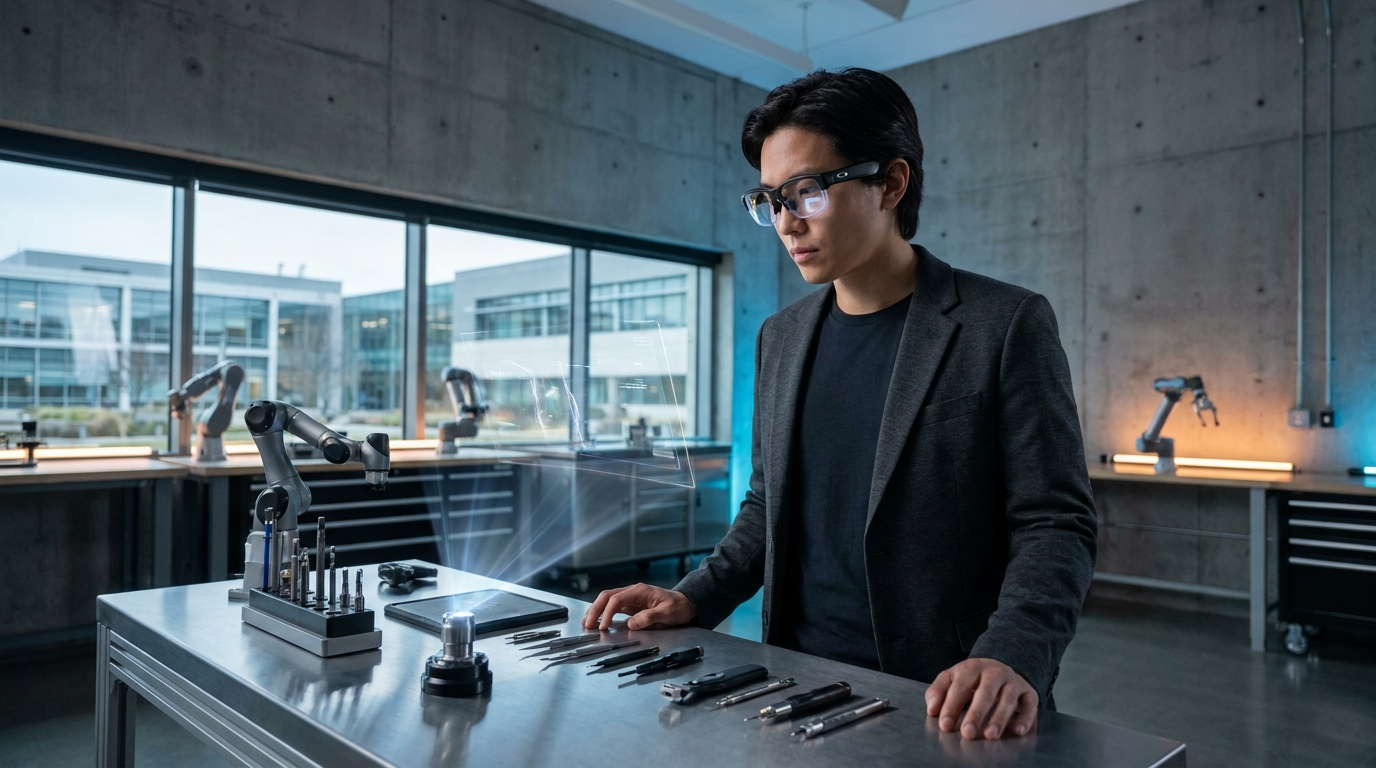
The target demographic is not early-adopter developers looking to debug spatial meshes on a commuter train. Multi-brand is aiming for the optical customer: the millions of daily wearers who demand proper weight balance, all-day ergonomics, and prescription compatibility before they even ask what neural model is running on the backend.
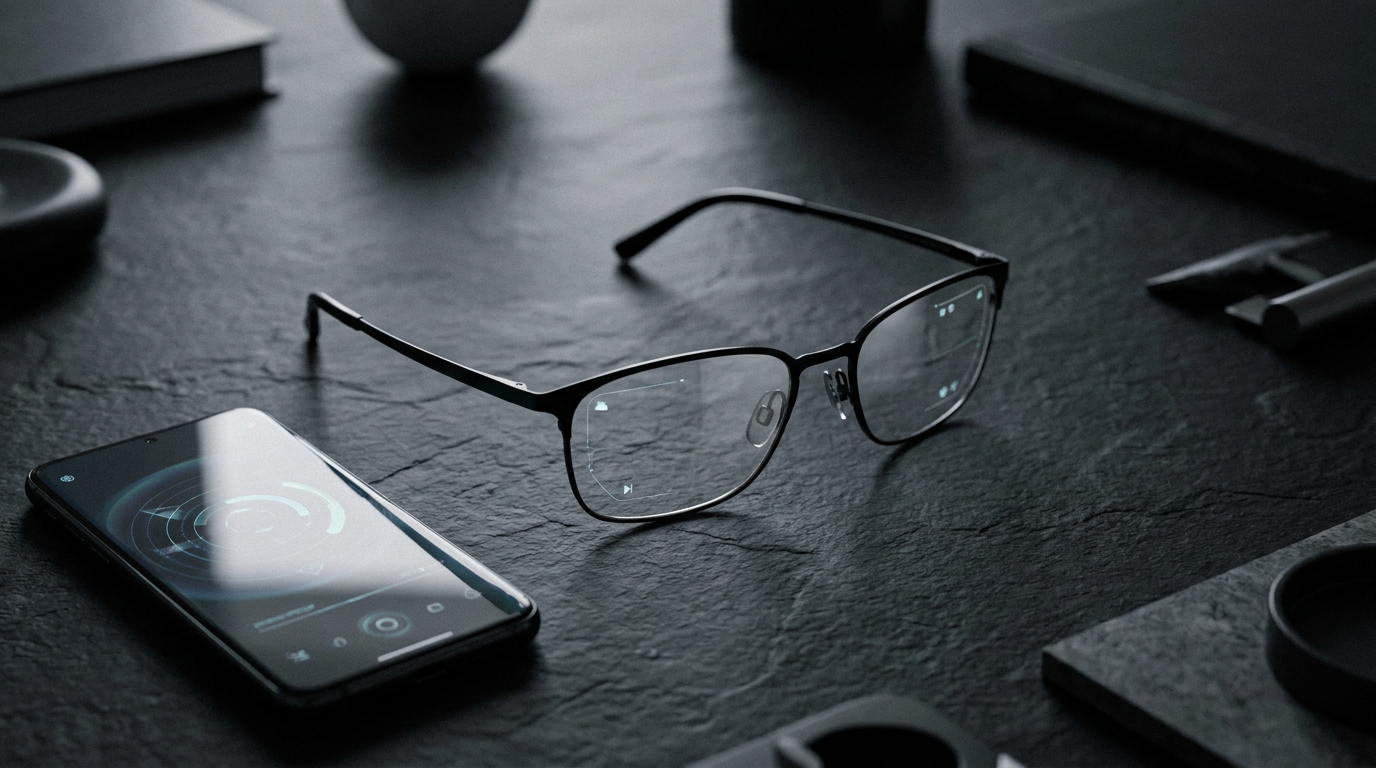
Why pull the trigger now? Because multimodal AI has finally turned ambient audio and glanceable HUDs from party tricks into functional assistants. If an OEM can deliver stable Bluetooth LE routing, responsive microphones, and decent battery endurance without turning the temples into feverish heatsinks, consumers will listen.
On the product front, Multi-brand is keeping its production spec sheets close to the vest. We do not yet have certified microLED nit measurements, wave-guide field-of-view angles, or battery milliamp-hour ratings in our catalog. The company has refused to engage in the premature spec-sheet theater that usually precedes consumer electronics launches.
What is publicly known points toward a segmented product architecture. Multi-brand appears to be engineering modular temple chassis that house core compute, battery, and transducer components, allowing disparate front-rim styles—from classic wayfarer profiles to streamlined titanium wireframes—to latch onto a standardized hardware platform.
Crucially, the public messaging signals an aversion to over-engineering. Rather than trying to render interactive 3D holograms on day one, Multi-brand's initial hardware pipeline focuses on directional audio, voice-first multimodal inputs, and discreet contextual alerts. We will withhold praise on runtime and optical clarity until production units reach our test bench, but the restraint is notable.
When positioned against the broader market, Multi-brand’s structural trade-offs become glaringly clear. Take Solos, whose AirGo Vision glasses have captured early mindshare by leaning heavily into swappable frames and GPT-powered ambient assistance. While Solos operates as an agile, direct-to-consumer pioneer with proven audio hardware, Multi-brand aims to beat them on retail scale and industrial design variety, betting that consumers want optical diversity over a singular brand banner.
Against Mentra, the contrast is ideological. Mentra is actively courting hackers and power users with its open-source smart glasses platform and Mentra Live infrastructure, prioritizing software transparency and dev autonomy. Multi-brand, by contrast, is pursuing mainstream consumer usability and supply-chain efficiency; if it seals off its software stack too tightly, it risks alienating the very power users who drive early hardware adoption.
Then there is Samsung. The South Korean titan is prepping its Galaxy XR ecosystem and forthcoming Android XR glasses, wielding bottomless capital, carrier subsidies, and bespoke silicon. Multi-brand cannot match Samsung's R&D muscle or custom display pipelines. Its sole competitive survival mechanism against Seoul lies in agility: shipping sleeker, lighter, lower-cost frames unburdened by bloated enterprise operating systems.
Our early verdict: Multi-brand is an entrant tailored for hardware realists. If you believe smart glasses should be high-powered spatial computers first and fashion items second, look elsewhere. But if you see ambient eyewear as an incremental upgrade to the prescription frames you already wear every waking hour, Multi-brand's diversified hardware philosophy is the sharpest counter-programming the market has seen all year.
Over the next 12 months, watch two critical milestones: independent optical laboratory validation of their temple weight distribution, and real-world battery endurance under sustained multimodal queries. If Multi-brand can conquer the thermal plateau while shipping multiple styles that optical shops actually want to stock, the established players will have a legitimate headache on their hands.
Interactive guide — prices, displays, cameras, battery.
Share this story