Manufacturer News · Snap
Snap Lays Out Its Developer Playbook for AR Spectacles
Snap CTO Bobby Murphy detailed major software upgrades, lower latency optics, and agentic coding tools designed to turn Spectacles into a serious AR platform.
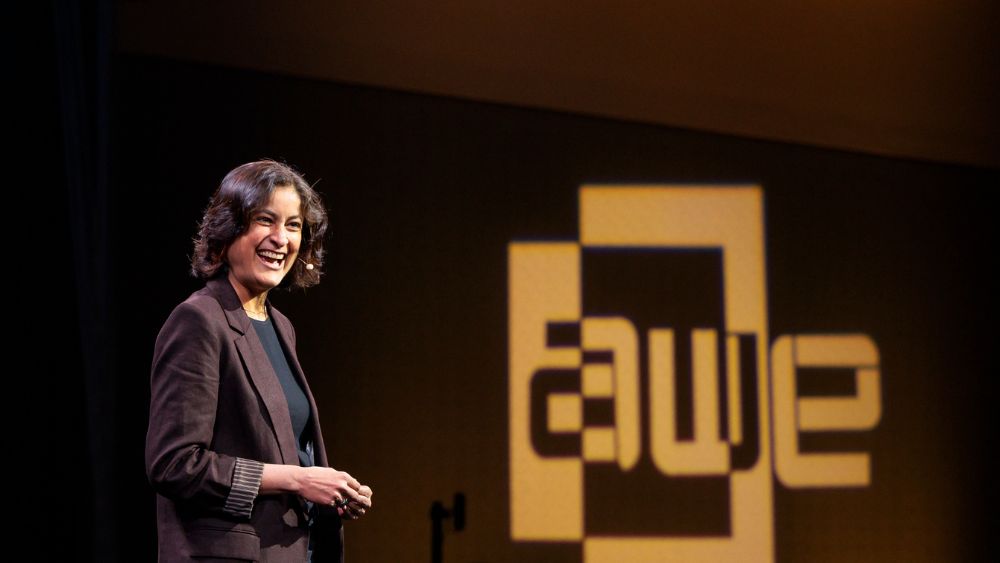
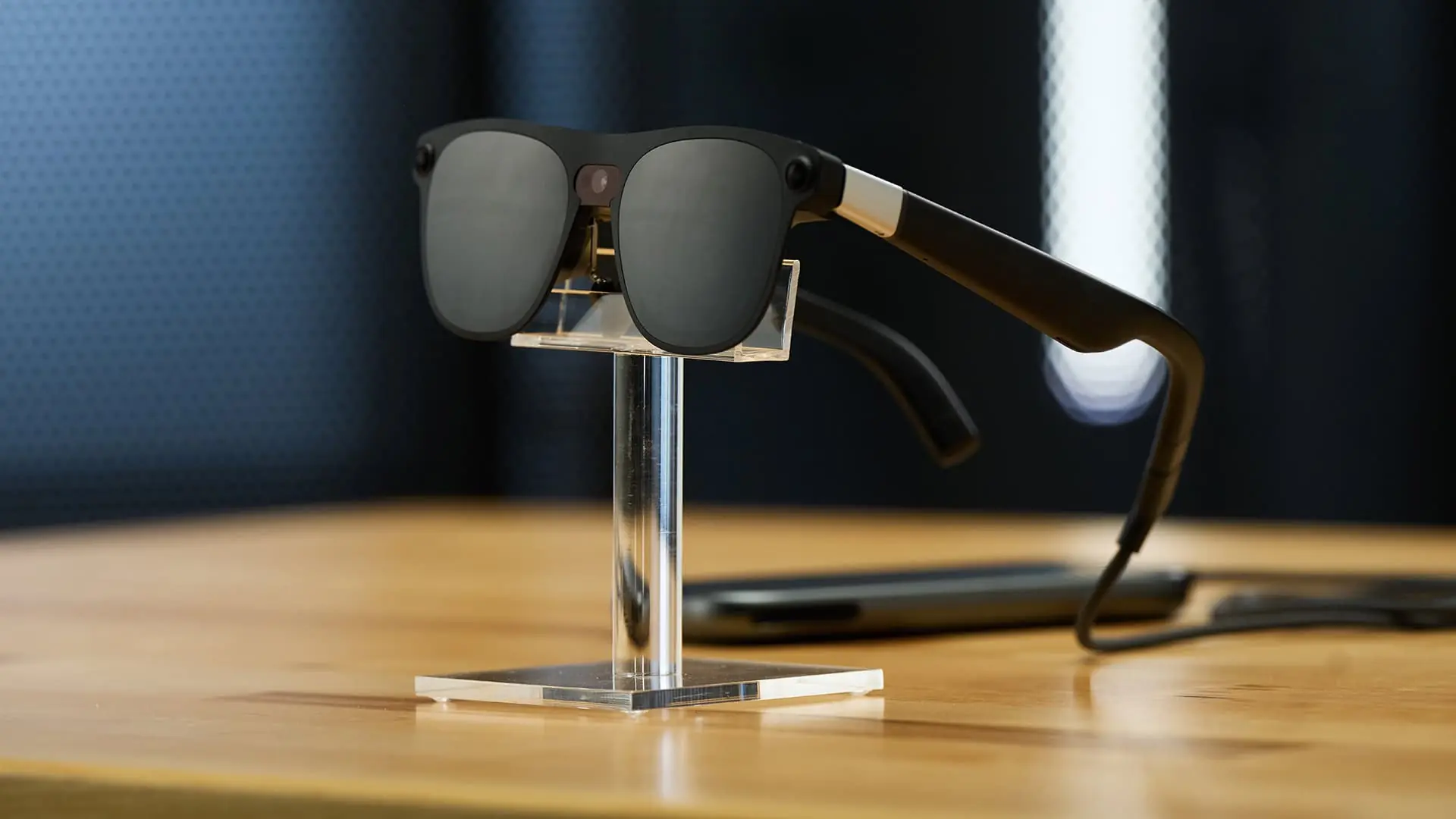
Snap highlighted a sweeping set of developer updates for its augmented reality Spectacles this week, shifting the focus away from bulky industrial prototypes and squarely onto software infrastructure. Speaking in a session recapped by AWE (Augmented World Expo) Blog, Snap co-founder and chief technology officer Bobby Murphy outlined how recent hardware refinements, native coding frameworks, and AI workflows are intended to accelerate real-world development on Snap OS.
On the hardware side, Murphy detailed noticeable improvements underpinning the current fifth-generation Spectacles hardware. According to AWE (Augmented World Expo) Blog, the device's redesigned optical engine is 35 percent more transparent to preserve eye contact, while the displays provide a 30 percent larger active viewing area in a frame assembly that is 40 percent lighter. Crucially for spatial computing comfort, Snap reported that motion-to-photon latency has been cut nearly in half, dropping down to just 7 milliseconds to firmly anchor digital graphics in physical space.
The meat of the presentation, however, focused on developer tooling. Murphy pointed out that Snap OS has received 10 major updates introducing 40 new APIs and features over the past 18 months. Powering creation on the desktop is Lens Studio 5.0, which features a rewritten modular engine and native TypeScript support alongside the Spectacles Interaction Kit for gesture and hand tracking. To handle shared experiences, Snap bundled native multiplayer networking and cloud backend support driven by Supabase.
A key obstacle for standalone AR headsets has always been migration friction. To lower that hurdle, Snap unveiled a Native Development Kit (NDK) that enables developers to compile existing C and C++ libraries directly for Spectacles. As an example of its speed, AWE (Augmented World Expo) Blog notes that mapping provider Mapbox ported its complete Navigation Engine to the eyewear in under two hours. Snap also introduced an automated Migration Agent to convert Unity project hierarchies directly into Lens Studio assets, as well as a native Commerce Kit for in-lens digital transactions.
Snap is also diving into automated software generation. The company demonstrated Closed Loop Agentic Development (CLAD), an agentic AI coding environment tuned specifically to Lens Studio best practices and Snap OS paradigms. The system is designed to let developers prompt, test, and iterate on spatial lenses with minimal manual boilerplate code.
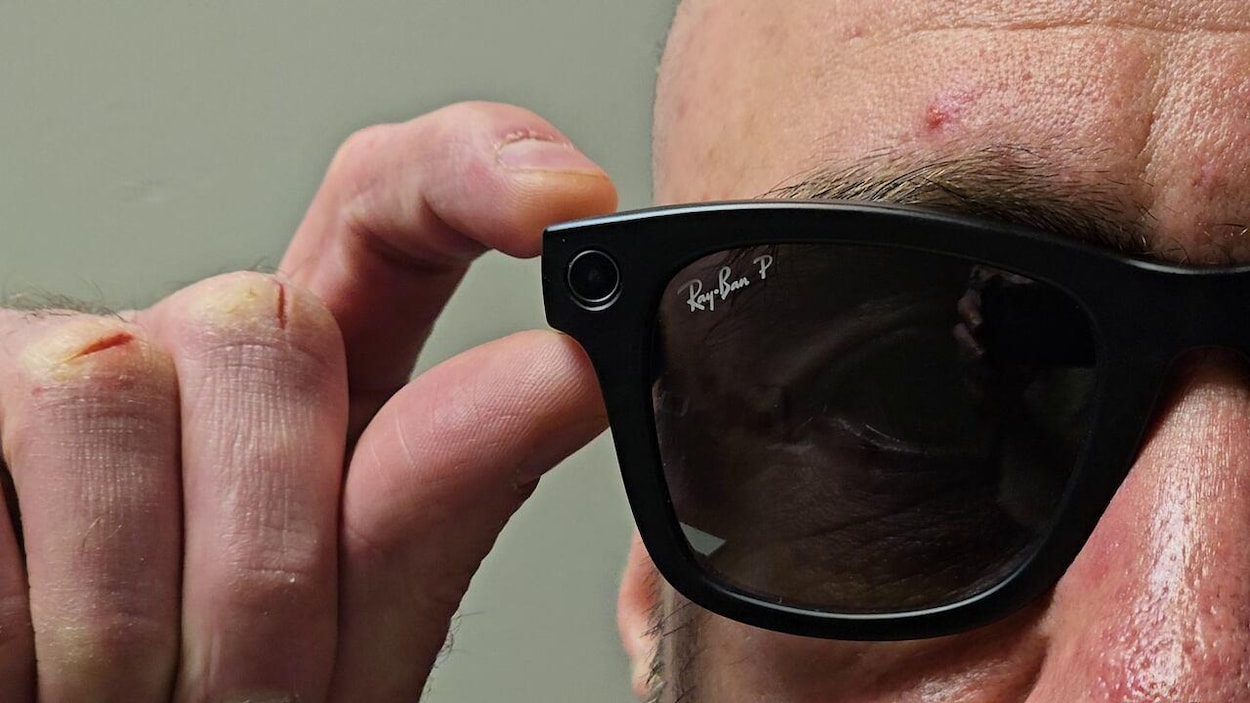
What this means: Snap understands that winning augmented reality will not happen on hardware specs alone. While competitors like Meta continue to capture consumer volume with display-free smart audio frames, Snap remains committed to full see-through waveguide AR. By drastically lowering the barrier to port Unity projects and offering native C++ compilation, Snap is giving engineers a practical on-ramp. If developers can bring existing mapping, gaming, and productivity codebases to Snap OS in hours instead of months, Snap stands a real chance of establishing a vibrant software moat long before full-color AR glasses achieve true consumer price points.
Interactive guide: prices, displays, cameras, battery.
Share this story