Manufacturer News · Snap
Snap Crosses 30 Million Paid Subscribers as AR and AI Services Surge
Snap announced its paid tiers have surpassed 30 million users, propelled by rapid growth in its AR-focused Lens+ service and generative AI tools.

Announced this week, Snap revealed that its direct consumer subscription offerings have officially crossed the 30 million subscriber threshold. The milestone spans a suite of paid tiers, including the flagship Snapchat+ service, the creator-centric Lens+ tier, the high-end Platinum bundle, and dedicated Memories Storage Plans. The company pointed to the expansion as a key validation of its direct-to-consumer monetization strategy outside its traditional digital advertising base.
According to Snap Newsroom, Snapchat+ remains the primary driver of overall volume across monthly, annual, and family tiers since its debut in 2022. However, the standout performer in percentage terms is Lens+, which Snap reports has expanded by nearly 600 percent since January 2026. The company attributes this steep climb to the rollout of specialized generative AI tools, such as AI Photoshoot, which helps users enhance flawed captures, alongside broader access to Imagine Lens, a text-to-image prompt engine tailored for social sharing.
Snap currently divides its paid software ecosystem into four clear buckets. Snapchat+ functions as the experimental tier, granting subscribers early previews of upcoming software updates, interface tweaks, and social personalization features. Lens+ focuses squarely on augmented reality and generative visual effects, unlocking exclusive creator instruments and uncapped prompt-based generation. The Platinum tier introduces an ad-free timeline alongside 5TB of cloud backup for media libraries, while standalone Memories Storage Plans provide tiered digital locker space for users who need additional backup capacity.
What this means for smart glasses and spatial computing: Snap's paid subscriber metrics are directly relevant to its long-term hardware ambitions with Spectacles and Snap OS. Monolithic hardware ecosystems often struggle to convince mainstream consumers to pay for software services. Snap is accomplishing the opposite: training tens of millions of mobile users to view spatial filters, computer vision overlays, and generative AI features as premium, paid utility. As Snap prepares broader consumer hardware releases beyond its developer-only Spectacles 5 program, this existing base of 30 million paying users provides an immediate, monetizable audience for wearable AR applications.
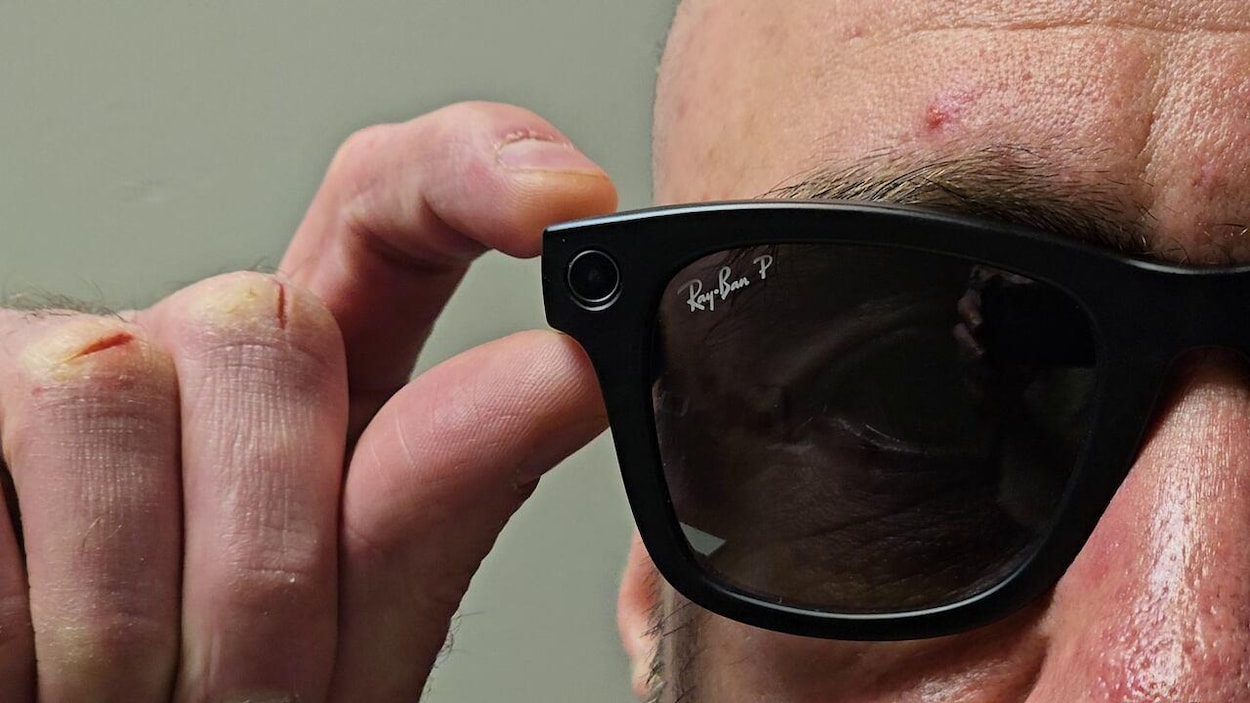
How it compares: Rivals like Meta have taken a hardware-subsidized approach with the Ray-Ban Meta smart glasses, packaging multimodal AI assistance into the glasses for free while hunting for enterprise and app-store models later. In contrast, Snap has built a substantial, recurring software revenue stream on smartphones before attempting to scale mass-market consumer glasses. That recurring cash gives Snap valuable breathing room to subsidize high-cost optical components, waveguide displays, and cloud compute for future Spectacles iterations without relying solely on ad impressions.
Looking forward, the health of Lens+ will serve as an early barometer for consumer appetite around spatial visual computing. If users continue paying for interactive camera lenses, prompt-driven overlays, and AI asset creation on handsets, that behavior will translate directly to optical displays on the face. Snap's challenge will be converting this mobile-first software loyalty into physical hardware adoption once standalone smart glasses hit consumer shelves.
Interactive guide: prices, displays, cameras, battery.
Share this story