Guides · Meta
Smart Glasses Buyer's Guide: Breaking Down Meta, XREAL, and the 2026 AR Field
From screenless camera frames to full Android XR spatial computers, the smart eyewear market has split into distinct tiers. Here is how the top contenders stack up.
The smart eyewear market has reached a critical inflection point this week, with hardware options fracturing into distinct tiers ranging from simple audio frames to standalone spatial computers. According to a new hardware guide from vr.org, consumer adoption is no longer limited to early adopters willing to strap bulky prototypes to their faces. Instead, shoppers face clear choices across camera-first AI frames, lightweight heads-up displays, plug-and-play wearable monitors, and emerging Android XR hardware.
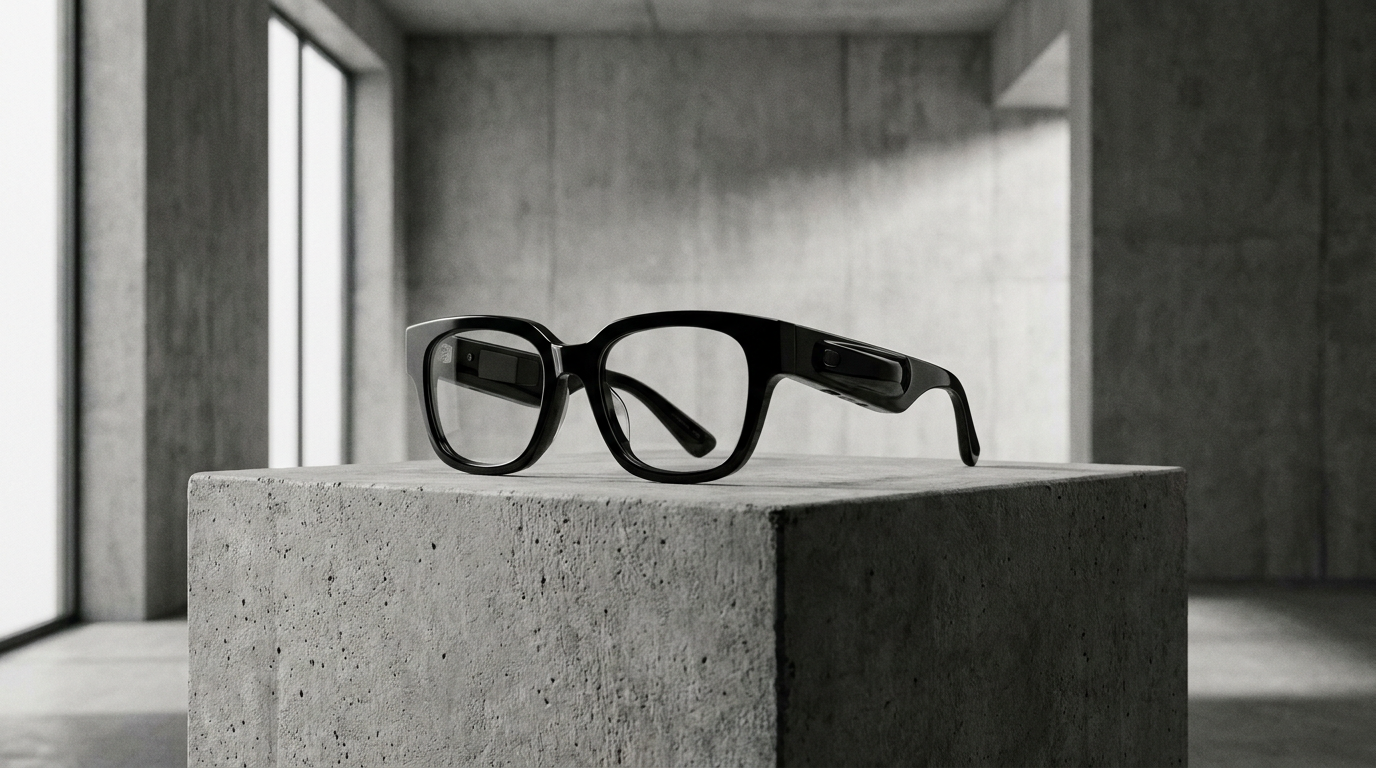
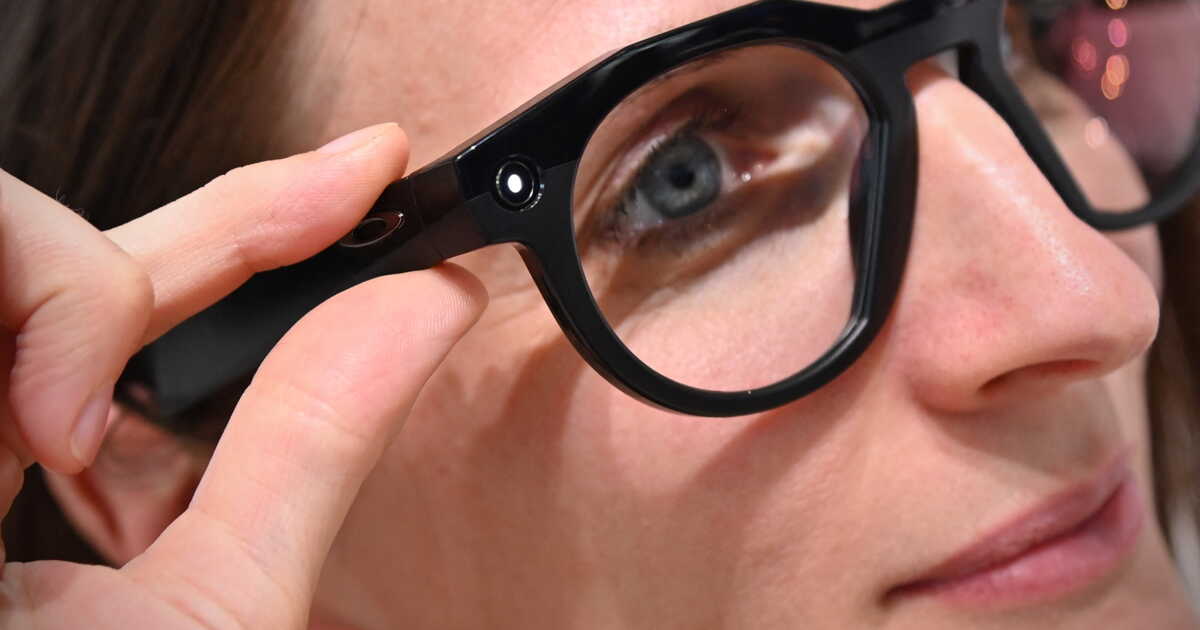
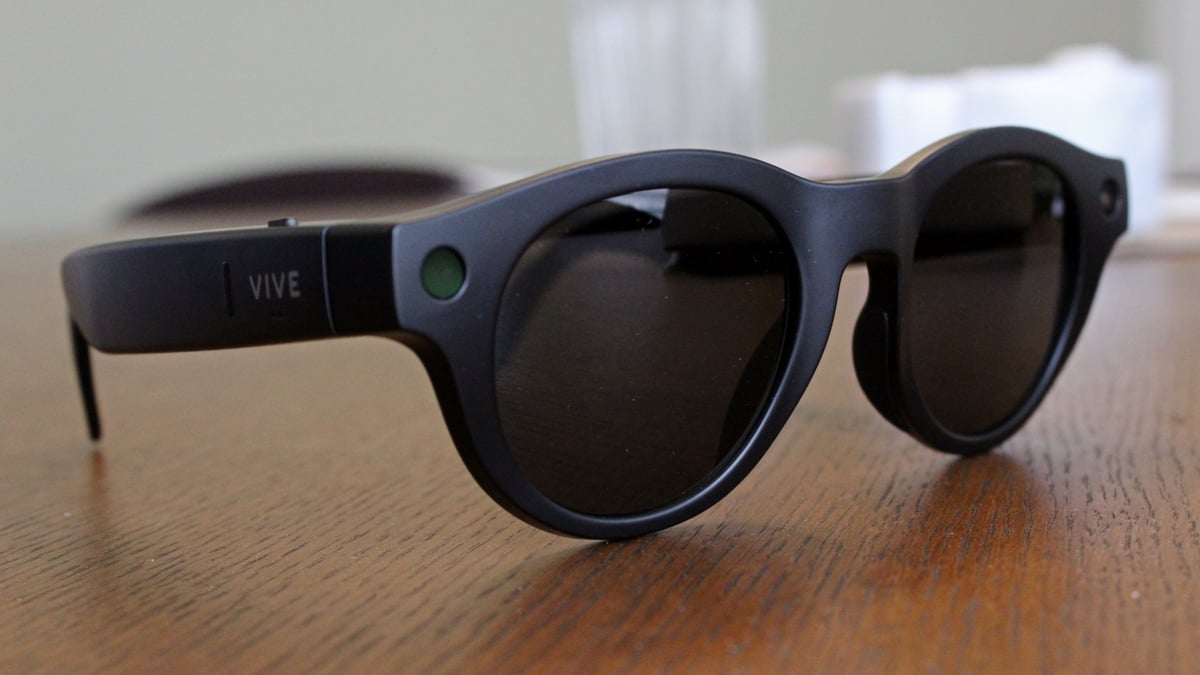
At the entry level, screenless AI eyewear remains the commercial anchor of the category. As vr.org notes, Ray-Ban Meta continues to serve as the benchmark for mainstream adoption. The third-generation Ray-Ban Meta frames, priced at $449, retain a 12MP camera with 3K video capture while introducing a six-microphone array that Meta claims eliminates over 90 percent of ambient noise. With battery life rated at up to nine hours and new frame options like the cat-eye Zena joining classic Wayfarers and Aviators, the product prioritizes conventional styling over visual augmentation. For buyers who want conversational AI and open-ear sound without photography hardware, Meta also introduced the camera-free Ray-Ban Meta Audio tier at $349, while HTC enters the space with its $499 Vive Eagle.
For users demanding an actual visual interface without wearing a helmet, the monocular display category is expanding rapidly. Leading the segment is the Meta Ray-Ban Display, selling for $799 bundled with the Meta Neural Band, which interprets subtle wrist and finger gestures for hands-free navigation. As UploadVR previously reported, Meta has pushed international availability for the display-equipped model into Canada, the UK, France, Italy, and Germany. Competitors like Rokid are attacking the same daily-wear niche from a different angle, offering 49-gram display glasses designed specifically for ambient AI assistance.
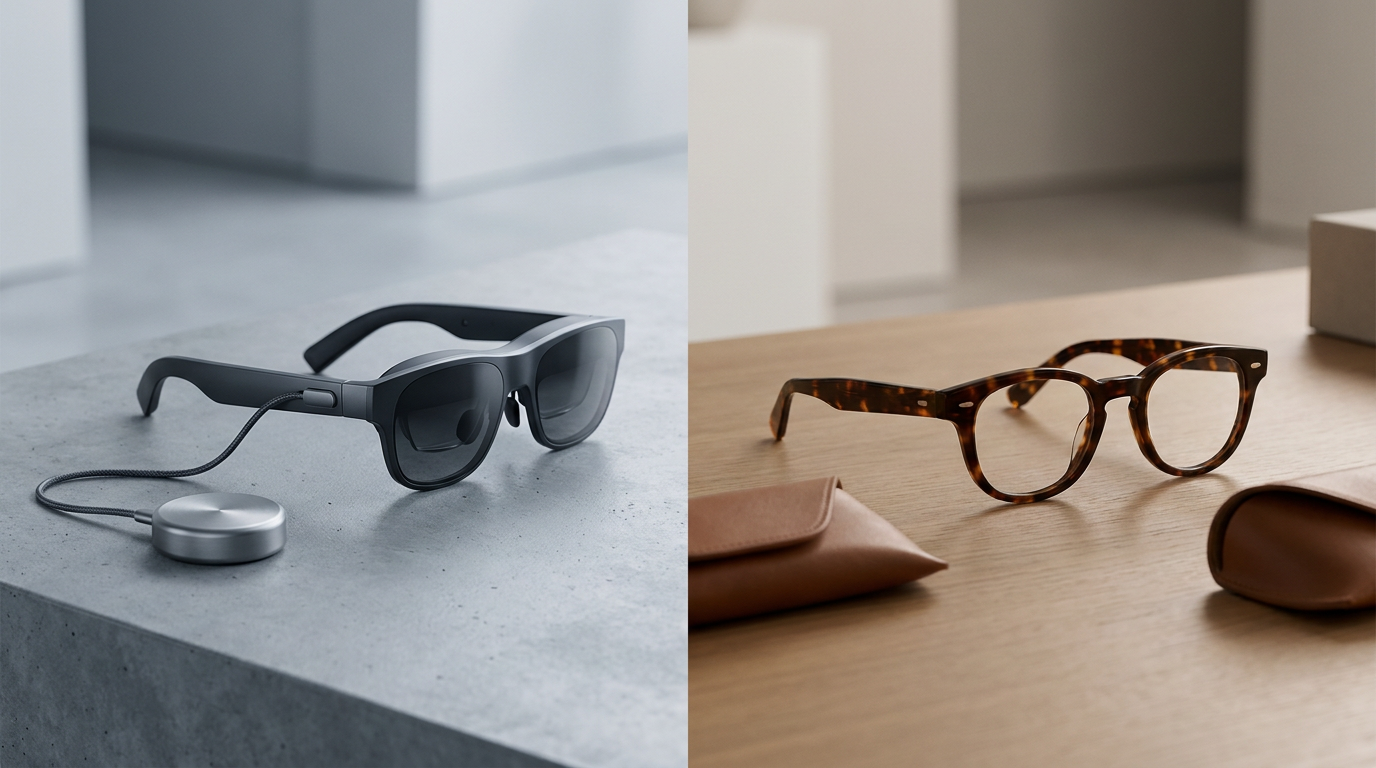
On the media and productivity side, tethered display glasses continue to capture steady demand. Wearable monitors like the $299 VITURE Pro 2 and the XREAL One Pro provide virtual external screens powered by a connected phone, tablet, or handheld console. Meanwhile, true spatial computing on glasses is beginning to materialize through Google's ecosystem: vr.org highlights the $1,099 XREAL AURA, which recently opened orders as the first commercial Android XR glasses on the market, with Samsung anticipated to follow shortly.
What this means: The smart glasses landscape is no longer a single product category, and treating it as one leads to bad buying decisions. If you want seamless, all-day utility that blends into public life, display-less audio and camera frames remain the most practical purchase. However, the premium price tags on products like the Meta Ray-Ban Display and XREAL AURA show that optical engines and advanced input systems still carry a steep early-adopter tax.
How it compares: We are watching a clear strategic divide play out between Meta and the broader Android ecosystem. Meta is betting that micro-displays and neural wristbands within classic Ray-Ban frames will win over everyday consumers through subtle convenience. In contrast, hardware makers leaning into Android XR are prioritizing multi-window spatial computing and heavier digital interaction. Until form factors shrink further and battery chemistry improves, buyers must decide whether they want subtle AI assistance or an immersive digital workspace on their face.
Interactive guide: prices, displays, cameras, battery.
Share this story