Analysis · Multi-brand
The Pacific Divide: Why China Is Winning the Smart Glasses Hardware War
Silicon Valley is retreating into screenless audio frames and luxury marketing illusions. Across the Pacific, Chinese hardware makers are shipping real spatial computing while American giants stall.
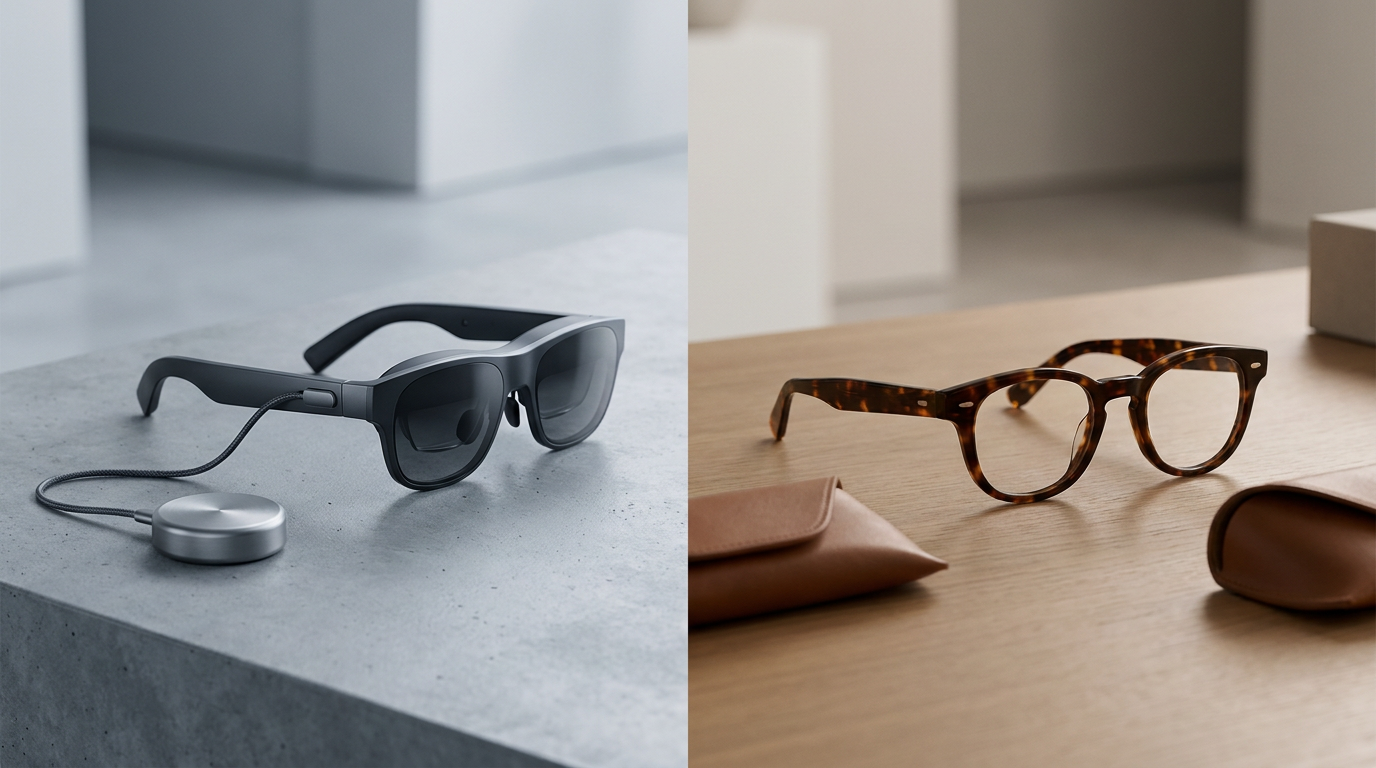
The geopolitical cold war over consumer tech has officially settled onto the bridge of your nose. On one flank stands Silicon Valley, peddling screenless lifestyle frames, conversational AI wrappers, and emotional marketing campaigns. On the other stands China's hardware vanguard, led by Xreal, weaponizing micro-OLED supply chains, modular tethered architectures, and breakneck manufacturing cycles to dominate actual spatial computing.
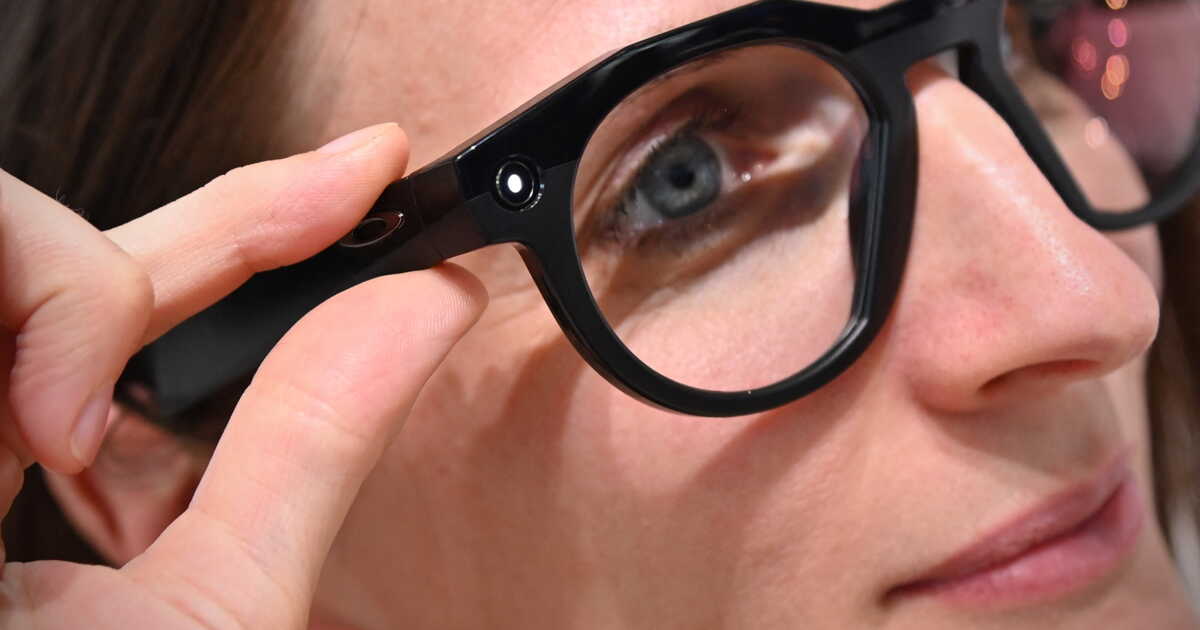
Look closely at the Western playbook over the past month. Meta has staged an aggressive luxury rollout in East Asia, pushing Ray-Ban Meta eyewear into Hong Kong and Macau boutiques while adding native Tagalog voice processing in the Philippines. It is a cultural charm offensive designed to make camera-equipped frames feel as ordinary and non-threatening as blue jeans. Even Meta's initiative outfitting visually impaired veterans on an Honor Flight to Washington monuments serves a dual purpose: it demonstrates real multimodal accessibility while quietly laundering the social stigma of surveillance eyewear.
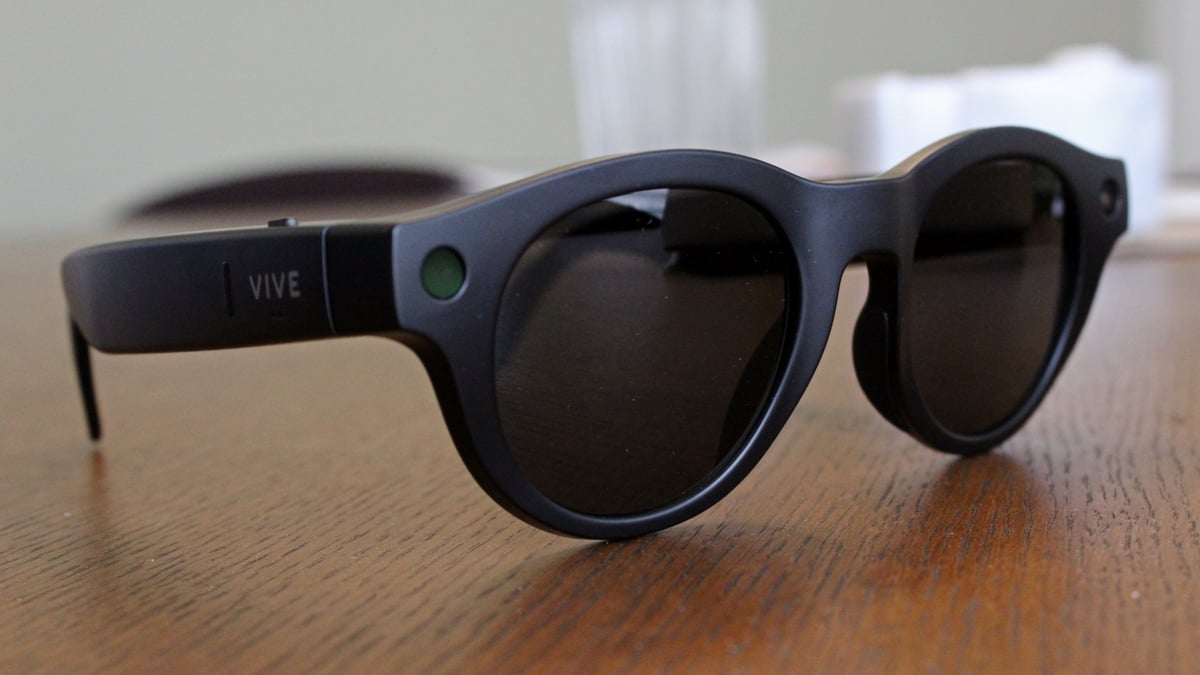
Yet beneath Menlo Park's polished public relations machine lies an architecture plagued by consumer skepticism and security rot. Just as Meta tries to establish its eyewear as a trusted ambient companion, security researcher Paula Pamoutaf showed how trivially fragile these systems remain. By intercepting over-the-air firmware updates between the companion app and the hardware, Pamoutaf bypassed signature checks, installed unauthorized code, and spawned an interactive shell directly on Ray-Ban Meta frames. When an attacker can convert designer sunglasses into a covert listening terminal without touching a soldering iron, the corporate narrative of bulletproof ambient privacy collapses.
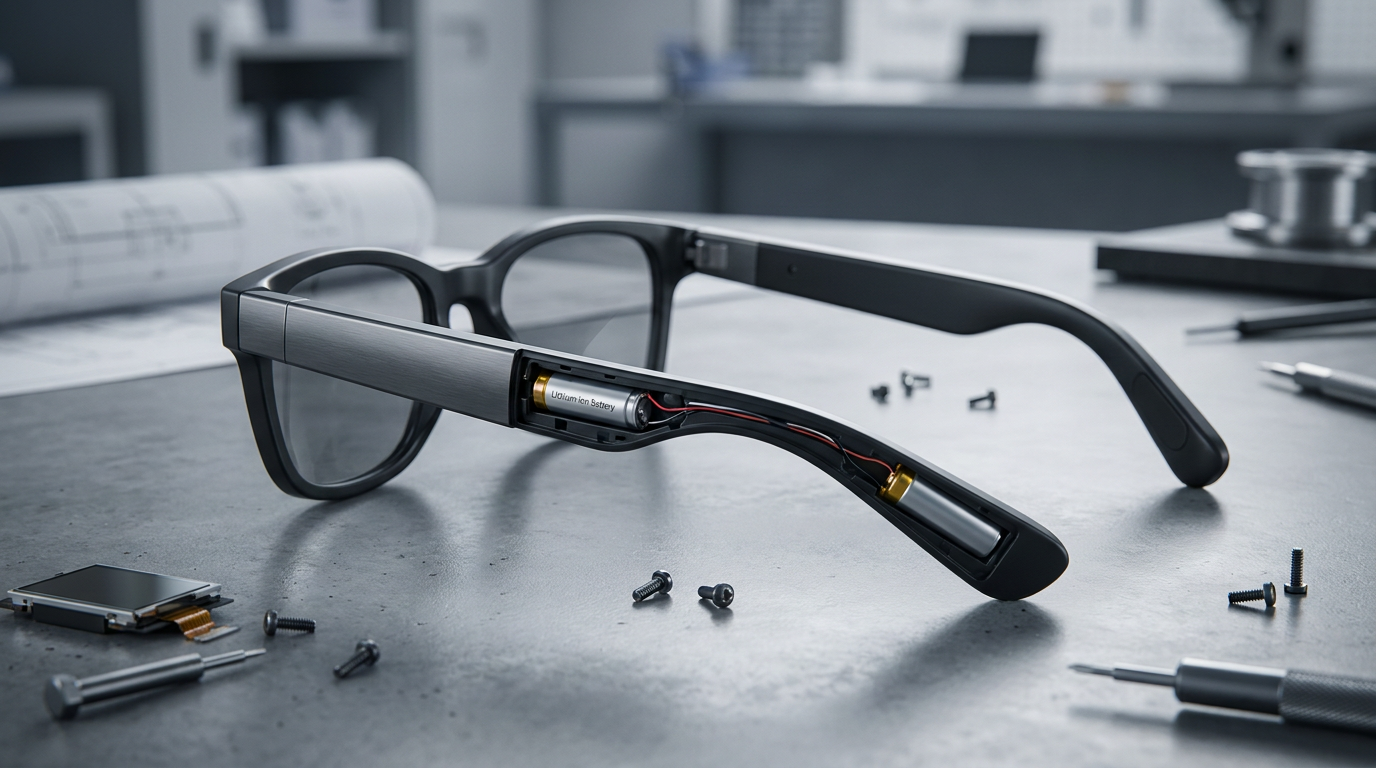
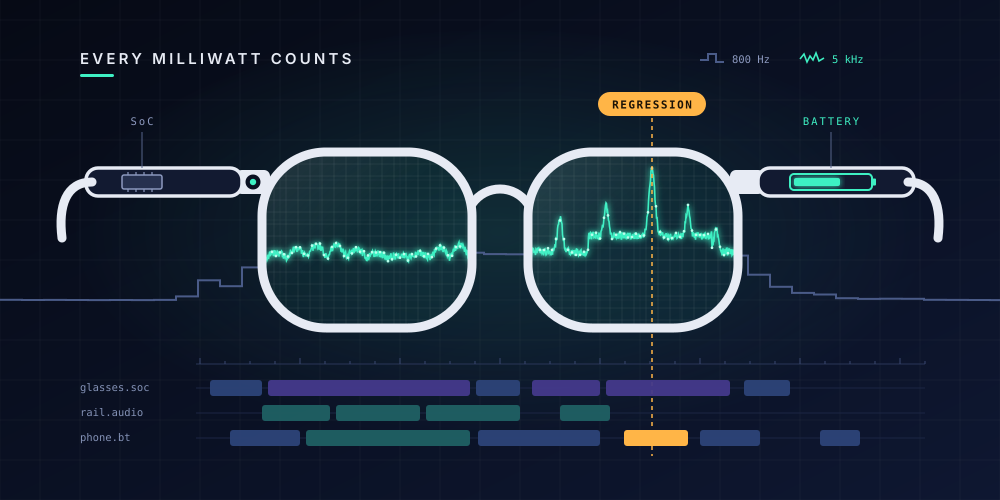
Worse still, Western platforms are running out of thermal runway. Inside Meta, engineers are waging an exhaustive war on milliwatts, maintaining automated hardware farms simply to catch background battery leaks before they fry a user's face. Hollow acetate temples cannot defeat basic physics. A smartphone shelters a massive battery behind slabs of glass and titanium, but smart glasses must cram tiny cells directly against human skin. Silicon Valley's ambient computing dream has collided with a thermodynamic wall that software optimization alone cannot breach.
This engineering bottleneck explains why the true hardware disruption of late 2026 is arriving from Beijing rather than California. While Western tech executives pretend everyday frames can operate as standalone supercomputers, Xreal has discarded the pretense with the launch of the Aura. By offloading compute and battery cells to a dedicated pocket puck, Xreal's $1,099 eyewear sidesteps facial overheating entirely, delivering high-density spatial graphics on Google's own Android XR platform.
It is a delicious irony that Google has effectively outsourced the commercial vanguard of Android XR to an aggressive Chinese hardware specialist. Rather than waiting for domestic hardware partners to master optical waveguides and micro-OLED panel integration, Mountain View hitched its spatial operating system to Xreal's Aura and Gentle Monster's avant-garde Samsung collaboration. While Gentle Monster enlists Joaquin Phoenix for surreal fashion films, Xreal is shipping real, high-resolution optical compute to North American and Asian consumers right now.
Even Meta's internal labs recognize that the tethered architecture is the only viable path to serious visual compute. Its recently leaked $1,300, 100-gram VR glasses validate Xreal's exact design philosophy by shifting the battery pack and Snapdragon silicon to an external belt unit. Yet Meta's execution remains hobbled by legacy liabilities. Saddled with a narrow 70-degree field of view and persistent data privacy baggage, Meta is offering an awkward middle ground that pleases neither luxury shoppers nor spatial computing purists.
Meanwhile, Cupertino is visibly unraveling. The reported impending exit of Mike Rockwell, the executive who spent years directing the Vision Pro before taking over Apple's overhauled Siri division, points to severe institutional fatigue. Apple spent billions over-engineering a solitary, two-pound spatial computer, only to watch consumer demand pivot toward featherweight modular frames and nimble AI utility. With Rockwell eyeing the exit door, Apple's ability to deliver a sub-100-gram consumer competitor in this product cycle has effectively vanished.
American tech giants are consequently retreating into audio-first minimalism out of necessity rather than vision. Google's newly confirmed partnership with Warby Parker, opening pre-orders for display-free, Gemini-powered frames, is a frank admission that Western brands cannot yet package optical displays into wearable form factors. Warby Parker and Meta can sell millions of microphones and stylish acetate rims, but they are abdicating the visual frontier to Asian hardware manufacturers who actually own the display fabs.
What we are witnessing is a strategic bifurcation across the Pacific. The United States is betting on ambient voice agents, closed software ecosystems, and high-fashion licensing deals with legacy optical gatekeepers like EssilorLuxottica. China and its regional manufacturing partners are capturing the physical hardware stack, iterating ruthlessly on waveguide optics, thermal modularity, and aggressive pricing tiers.
In 2026, the illusion of Silicon Valley's hardware supremacy is officially over. If you want a chic pair of sunglasses that whispers directions in Tagalog or snaps casual photos at a monument, buy an American lifestyle accessory. But if you want to see where wearable spatial computing actually gets built, look across the Pacific, where Chinese hardware manufacturers are shipping the future while American boardroom executives manage battery regressions and executive departures.
Interactive guide: prices, displays, cameras, battery.
Share this story