Apps & Use Cases · Meta
Meta Equips Visually Impaired Veterans with AI Glasses on D.C. Honor Flight
Six El Paso veterans are using Meta AI glasses to tour national monuments, highlighting how multimodal eyewear is quietly transforming real-world accessibility.

On November 8, 2026, local news outlet kvia.com reported that six visually impaired military veterans from El Paso, Texas, embarked on an Honor Flight to Washington, D.C., equipped with Meta AI smart glasses. The initiative, organized in collaboration with regional non-profits, aims to give veterans who served in the Korean and Vietnam Wars an innovative way to experience national monuments and memorials through conversational, multimodal artificial intelligence.
According to reporting by Mia Tricarico for kvia.com, Meta reached out directly to organizations across the Borderland region to identify eligible participants. For several of the veterans gathering at El Paso International Airport, the trip marked their first time boarding a commercial aircraft in decades. Their extensive military service across the Army, Navy, and Marine Corps ensured departure day brought comfort rather than anxiety. As participating Vietnam veteran Raymond Black told kvia.com, "Hey, I flew in everything that would fly in Vietnam. So, you know, nothing bothers me when it comes to flying." Tricarico noted that Black plans to explore the capital landmarks and pay his respects at the national cemetery where his uncle, a World War II veteran, is buried.
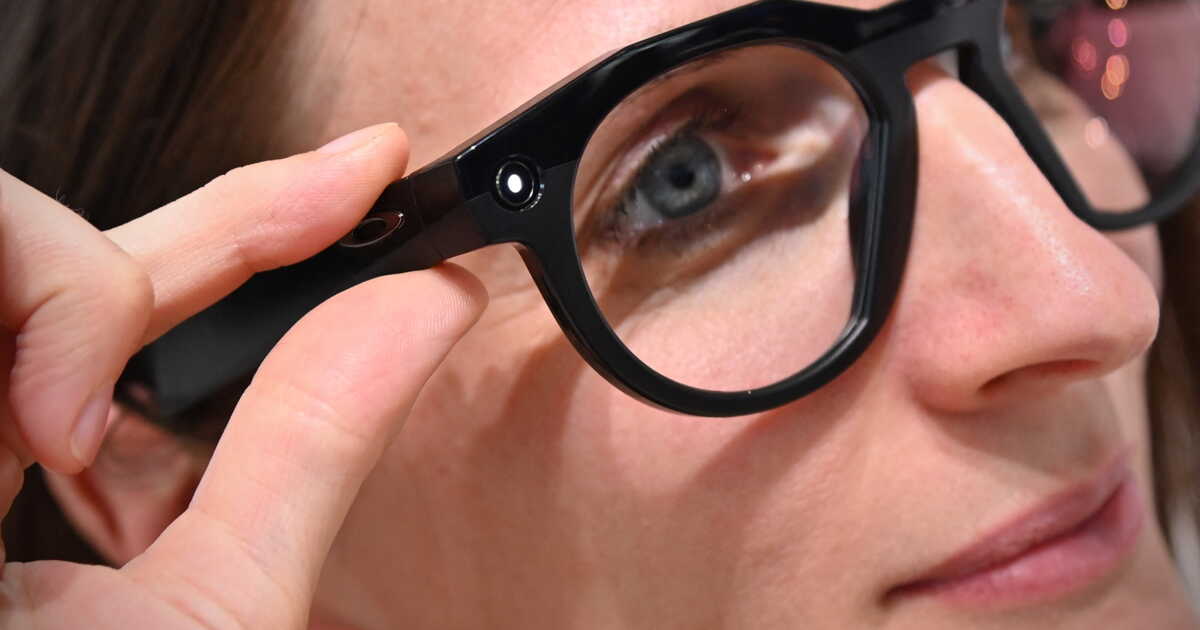
Assistive technology has rapidly emerged as one of the most compelling proving grounds for camera-equipped smart glasses. While general consumer marketing often emphasizes hands-free video capture, social media livestreaming, and casual voice queries, multimodal vision models provide immediate, tangible utility to blind and low-vision users. By aiming onboard cameras at historical plaques, directional signage, architecture, and pathways, wearers can query the system and receive discrete auditory descriptions through open-ear frame speakers. In an expansive outdoor setting like the National Mall, where reading engraved text or navigating monument steps poses real obstacles, wearable AI converts visual landmarks into an informative audio narrative.
This initiative reflects a broader movement across the ambient computing industry toward accessibility-first software features. Specialized services such as Be My Eyes have already integrated live volunteer assistance and automated vision tools into connected eyewear, while platform holders continue refining on-device machine vision to recognize everyday objects and describe scenes. Meta's effort to place its hardware directly into community programs illustrates how consumer-grade frames can substitute for costly, specialized accessibility gear by wrapping advanced computer vision into a standard, lightweight pair of glasses.
Our take: Real-world accessibility deployments like this showcase where smart glasses deliver genuine, irreplaceable value today. For years, critics questioned whether camera glasses without heads-up displays were anything more than niche gadgets for tech enthusiasts. Seeing visually impaired veterans rely on conversational computer vision to experience memorials honoring their own service proves otherwise. When smart eyewear can reliably interpret physical surroundings for someone who cannot see them, the hardware transitions from a lifestyle novelty into essential daily infrastructure.
Interactive guide: prices, displays, cameras, battery.
Share this story