News · Rokid
South Korea Targets AI Glasses Cheating Ahead of College Entrance Exams
South Korean education officials are cracking down on AI eyewear after tests showed smart frames solving complex calculus problems in seconds.

On November 9, 2026, reports surfaced highlighting South Korea's mounting crisis over AI-equipped smart eyewear infiltrating major standardized testing. With the high-stakes College Scholastic Ability Test (CSAT) approaching, education officials announced they are assigning dedicated inspectors across test centers nationwide. Authorities are also pursuing criminal charges and mandatory multi-year testing bans against any student caught wearing connected eyewear during the exam.
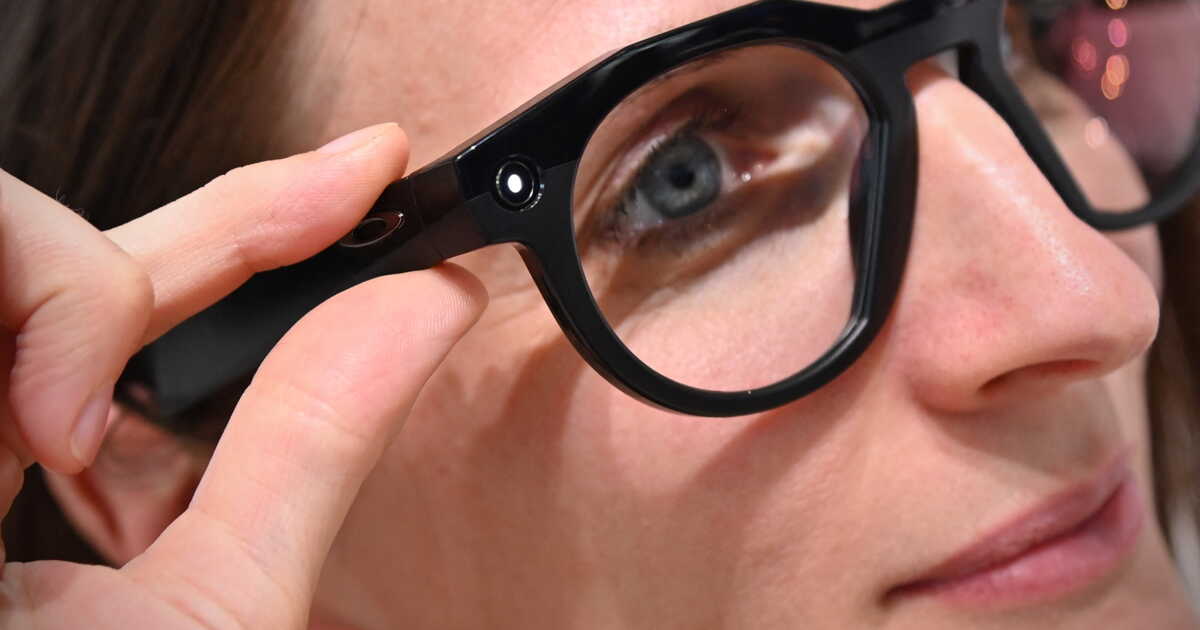
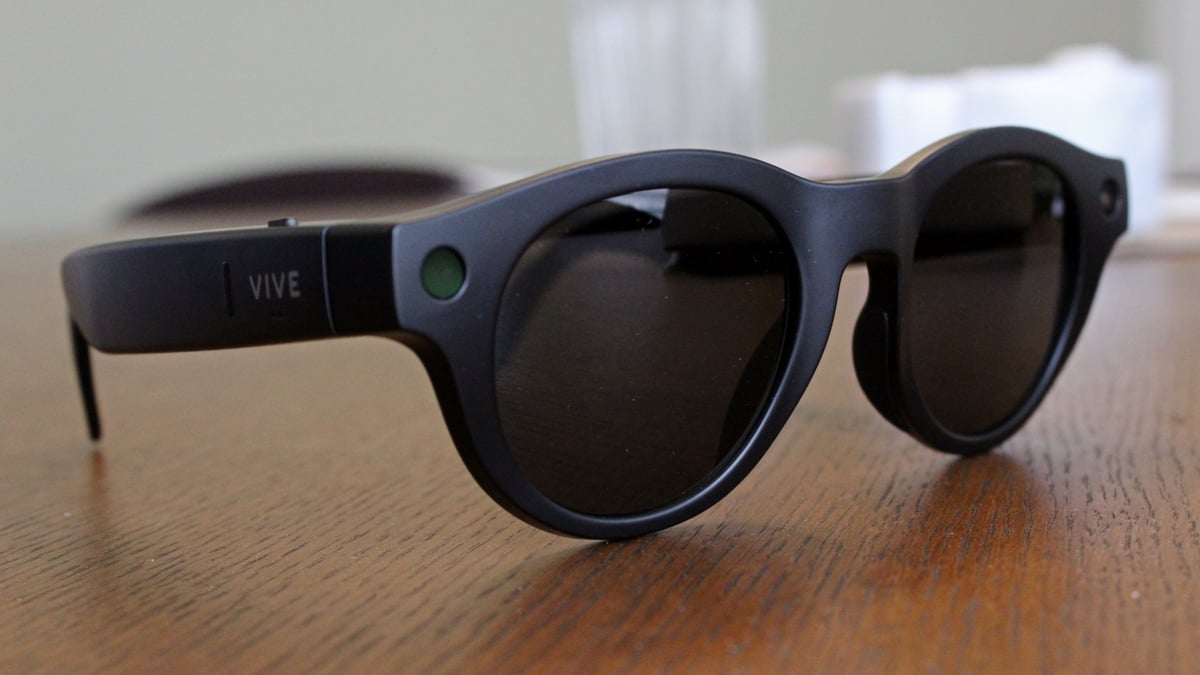
According to reporting from asiae.co.kr, citing an investigation by Yonhap News Agency, off-the-shelf smart frames proved capable of cracking the test's most challenging math sections. In a demonstration conducted at an optical shop in Seoul, testers utilized consumer smart glasses from Chinese manufacturer Rokid to tackle calculus problems from a previous CSAT. The glasses captured images of high-value four-point questions and displayed correct multiple-choice answers directly onto the lens display in under ten seconds. For Question 28 in the calculus section, the correct answer appeared on the glass screen almost immediately after the user captured the prompt.
As asiae.co.kr notes, the threat stems from the rapid multimodal capabilities of cloud-hosted AI rather than local frame compute. Choi Byeongho, a professor at Korea University's Human-Inspired AI Research Institute, explained that cloud-linked reasoning models allow users to theoretically achieve near-perfect scores on standardized examinations. The tests did expose current operational limitations: tiny text, complex graphs, and hand tremors occasionally required users to take multiple photos before the cloud solver could parse the equation.
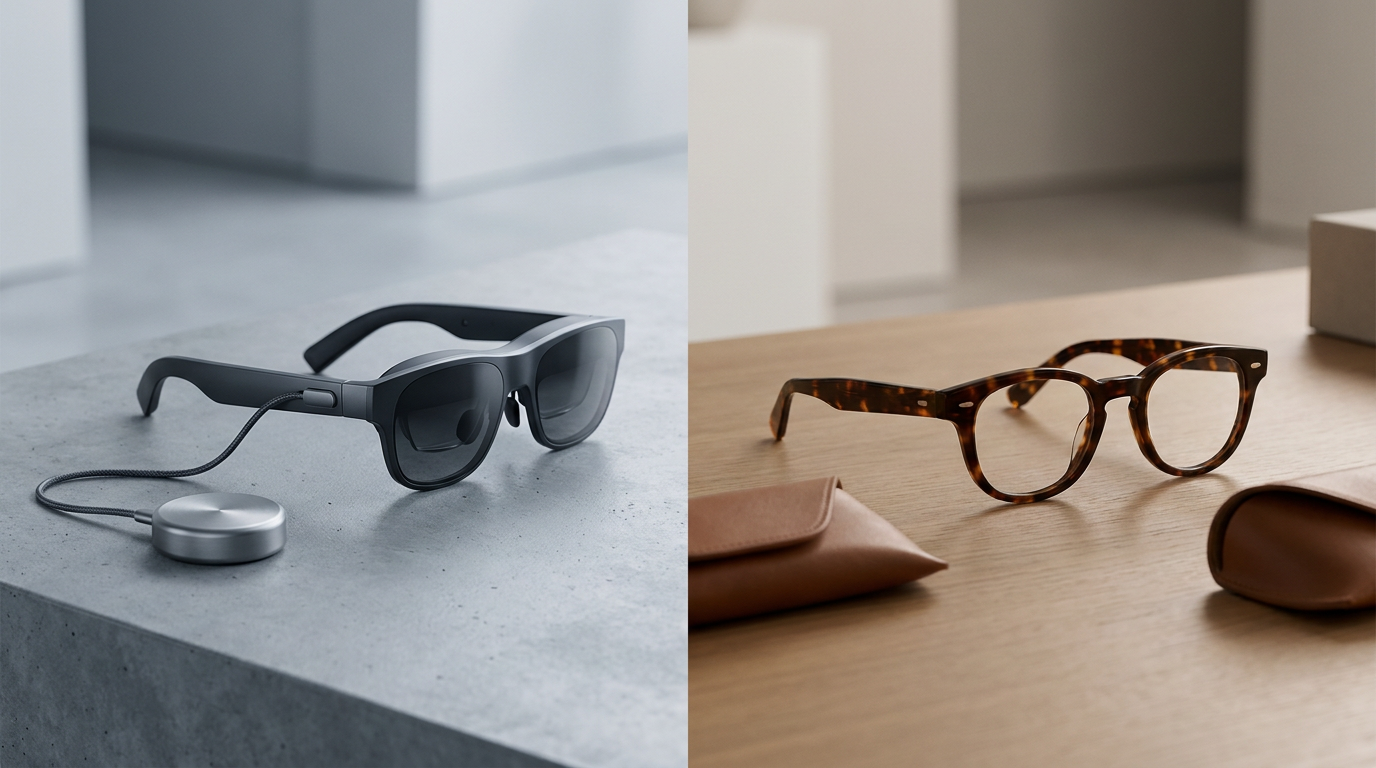
South Korea's Ministry of Education has warned that students caught with smart glasses will not only have their exams voided, but will also be barred from taking the CSAT the following year alongside facing police complaints. Proctors, however, face a massive enforcement challenge. As optical engineering advances and display components shrink into standard acetate and titanium silhouettes, differentiating connected frames from everyday prescription glasses has become practically impossible with casual visual checks alone.
Our take: Standardized education is reaching the exact friction point that smartphones triggered over a decade ago, but with far higher enforcement stakes. When micro-OLED displays and transparent waveguides project discreet text directly into a student's field of view, passive human invigilation breaks down completely. The reality is that visual proctoring cannot stop ambient computing. Testing centers will inevitably be forced to deploy radio-frequency detection sweeps, active cellular signal suppression, or mandatory proctor-issued eyewear for all students needing corrective lenses.
What this means: The smart glasses industry is rapidly running into serious institutional scrutiny. While hardware makers like Rokid, Meta, and Xreal market ambient camera glasses for hands-free productivity and instant visual search, academic bodies and secure facilities will view them strictly as covert capture tools. As multimodal reasoning latencies drop under five seconds, expect testing organizations worldwide to establish strict eyewear registries and mandatory inspection protocols before test-takers can set foot in examination halls.
Interactive guide: prices, displays, cameras, battery.
Share this story