Guides · Meta
Best Smart Glasses in 2026: Meta Leads the Pack as Rivals Push on Weight
A comprehensive ranking of current camera and audio glasses shows Meta dominating the mainstream, while contenders like Rokid carve out ultralight niches.

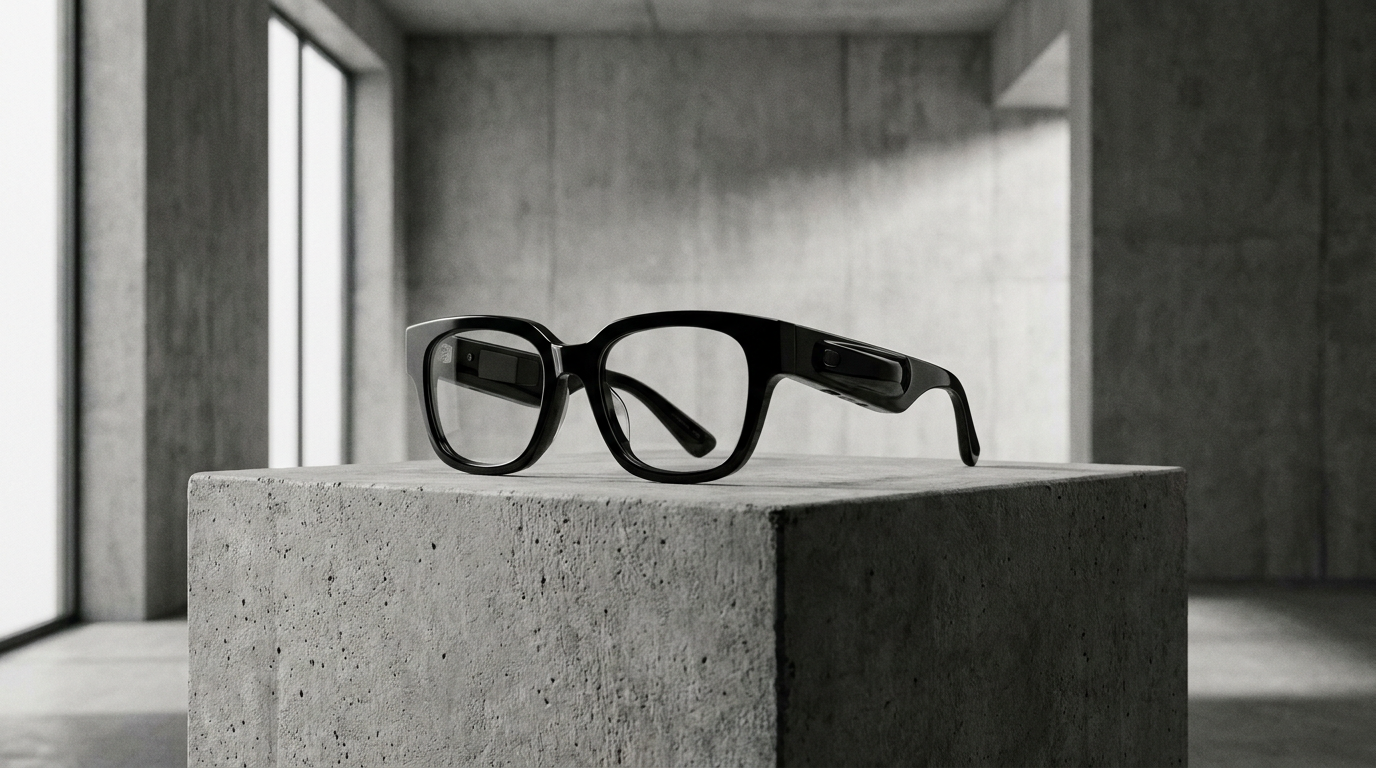
The camera and audio smart glasses market has settled into a fierce battle for everyday face time. In a comprehensive category ranking published this week, vr.org surveyed the top standalone frames available without built-in displays, concluding that Meta and EssilorLuxottica continue to set the industry pace. Sitting at the top of the recommendation list is the third-generation Ray-Ban Meta at $449, which vr.org designates as the overall benchmark for non-display AI eyewear.
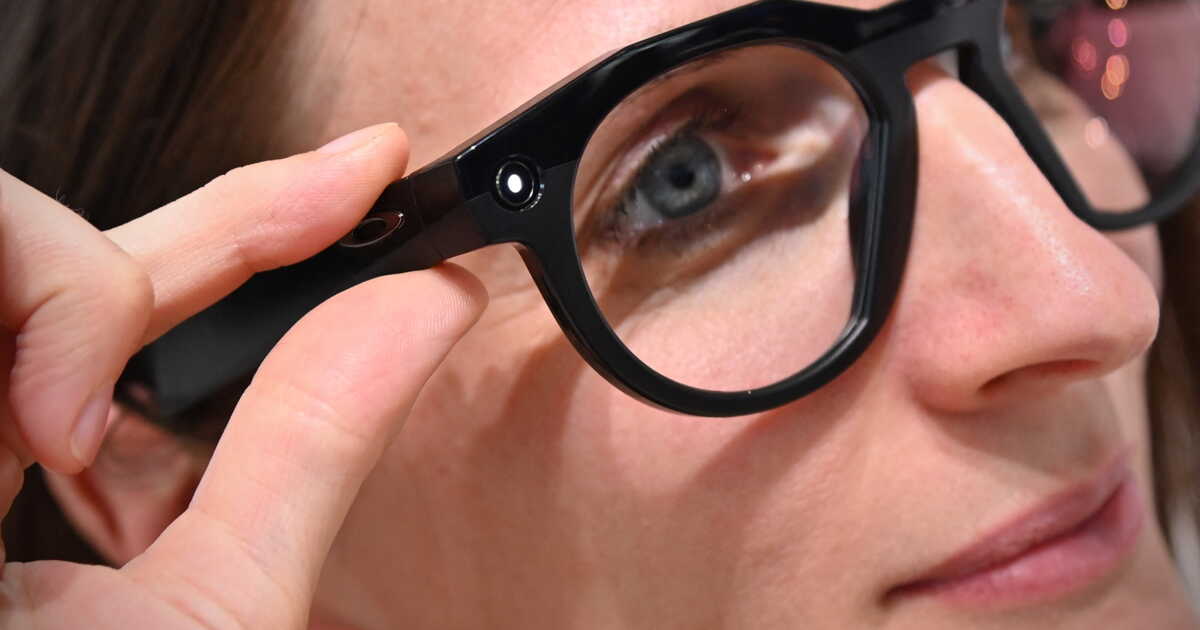
According to vr.org, the Ray-Ban Meta Gen 3 earns its top spot through practical hardware refinements rather than radical reinvention. It packs a 12MP ultra-wide camera capable of 3K video recording at 30 frames per second, an upgraded six-microphone array for voice isolation, an IPX4 water-resistance rating, and up to nine hours of battery life on a single charge. Meta pairs the frame with a charging case providing an additional 50 hours of reserve power. With 27 style combinations across Wayfarer, Aviator, and Zena frames, plus prescription support spanning -12.00 to +6.00, it covers mainstream consumer needs better than any competitor. The older Gen 2 model remains available at $379, though vr.org notes that the $70 savings rarely justifies giving up the extra microphone and added battery capacity.
Meta has also diversified its catalog into lower price tiers and specialized form factors. For budget-conscious buyers, vr.org highlights the Meta Adventurer, which delivers identical 12MP and 3K video capabilities starting at $249 with a plug-in cable, or $299 with a charging case. For fitness enthusiasts, the Oakley Meta Vanguard offers a ruggedized IP67 package at $499, while the Oakley Meta HSTN delivers a sportier casual profile at $399. For shoppers who want smart audio and Meta AI without visual recording sensors, vr.org points to the $349 Ray-Ban Meta Audio, an ultra-lean 43-gram frame offering 12 hours of listening.
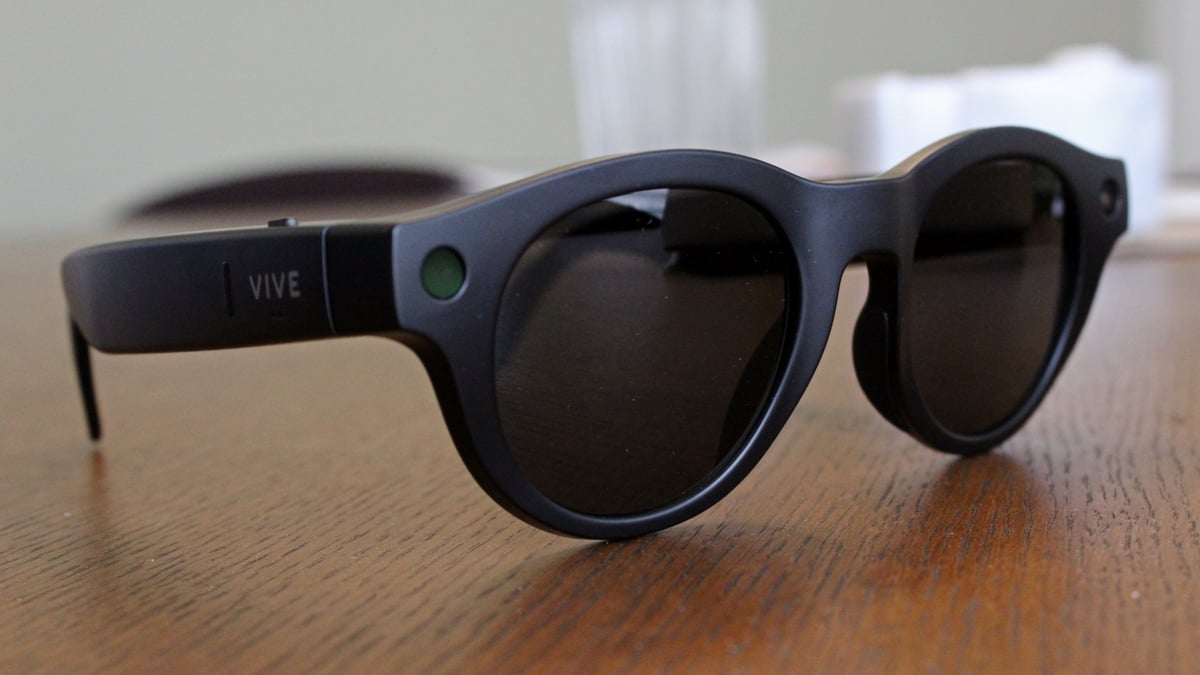
Hardware alternatives outside Meta's ecosystem are finding traction by targeting specific physical pain points. vr.org spotlights the Rokid AI Glasses Style, currently priced at $329 on sale down from $399. Rokid undercuts the entire field on mass, tipping the scales at just 38.5 grams while matching the 12MP sensor and 3K video capture, all while supporting an extreme prescription range from -15.00 to +15.00. Meanwhile, the HTC Vive Eagle enters at $499 with an IP54 build and Lucyd prescription fulfillment, though vr.org notes its 4.5 hours of audio playback leaves it lagging behind the competition in endurance.
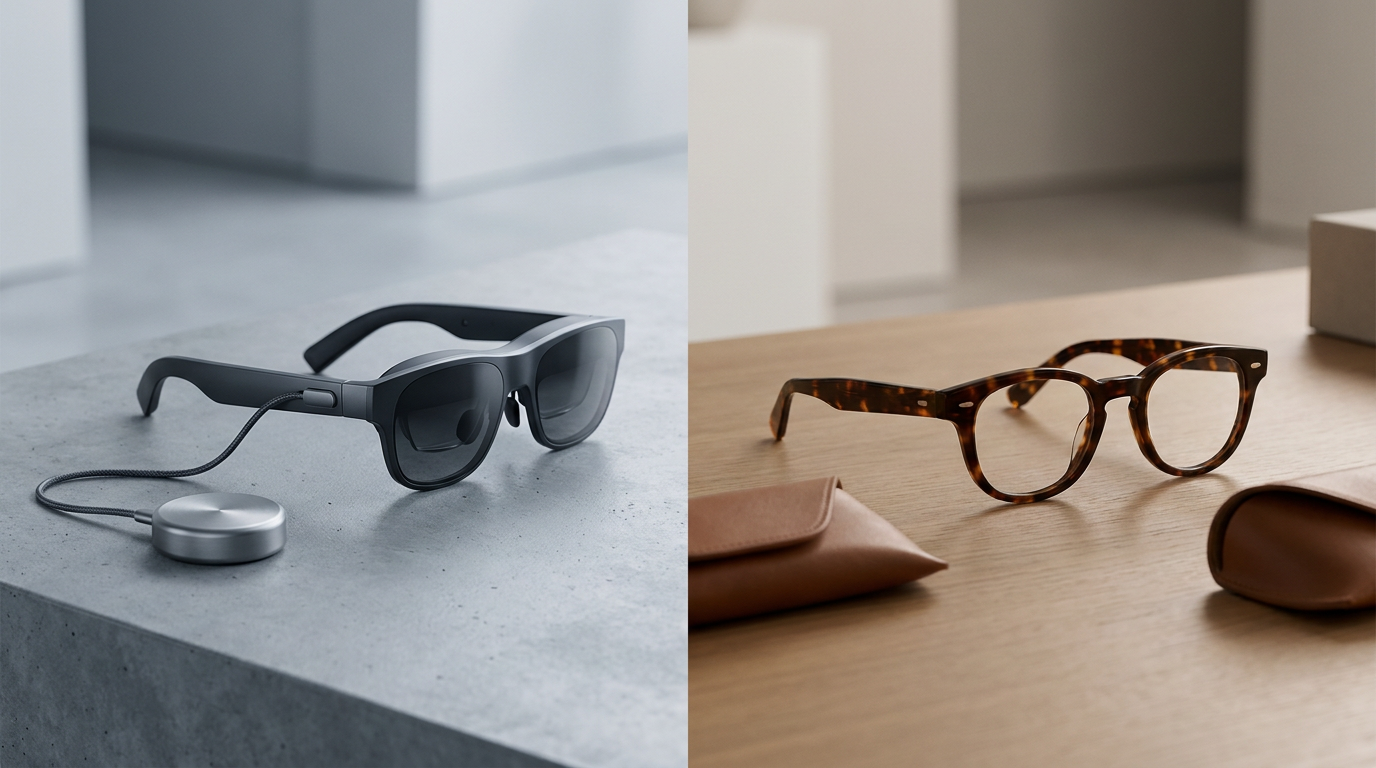
How it compares: The non-display smart glasses category is won or lost on acoustic engineering, weight balance, and conversational AI response times. While Rokid holds a clear technical advantage in chassis lightness and prescription tolerance, Meta retains a massive lead in software polish and brand credibility. Consumers want glasses that look like standard designer frames, and Luxottica's styling gives Meta an edge that pure hardware makers struggle to counter.
Our take: The 2026 smart eyewear market proves that screens are not required to make wearable computers compelling. By keeping display optics out of the equation, manufacturers can sell lightweight frames with full-day battery life at prices starting below $300. The immediate challenge going forward will not be cramming in more megapixels, but making on-device multimodal AI assistants responsive enough to justify wearing cameras on your nose all day.
Interactive guide: prices, displays, cameras, battery.
Share this story