Analysis · Meta
Smart Glasses Face an Office Backlash as Workplace Privacy Clashes Grow
As AI glasses flood the corporate world, HR departments face a tricky dilemma: how to protect corporate privacy when cameras are hidden in prescription lenses.
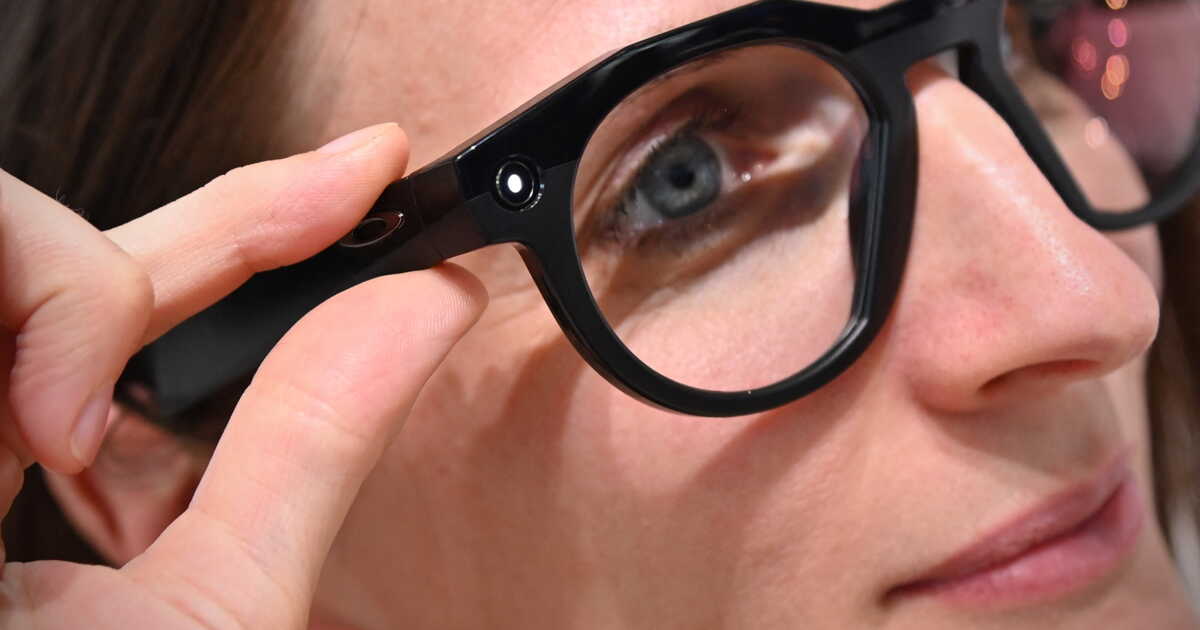
On November 10, 2026, French business outlet capital.fr spotlighted a brewing corporate conflict: the rapid arrival of AI-equipped smart glasses in white-collar workplaces. Powered by hardware like the Ray-Ban Meta line, smart frames are moving out of the early-adopter fringe and straight into open-plan offices, boardrooms, and water-cooler conversations. That sudden mainstream visibility is colliding head-on with workplace privacy expectations, leaving human resources departments and legal teams scrambling for clear ground rules.
The workplace friction is fueled by explosive hardware adoption. According to market data from Counterpoint Research cited by capital.fr, global shipments of AI-equipped smart glasses jumped 263 percent year over year during the first half of 2026. The category remains overwhelmingly dominated by Meta and its eyewear partnership with EssilorLuxottica. But as these devices proliferate, the public and professional reaction has grown increasingly anxious, echoing controversies in the UK where viral clips of people being recorded without consent led critics to brand them with derogatory nicknames.
Now, that unease has moved inside corporate walls. As reported by capital.fr, Mélina Bouroutsis, an employment lawyer at Capstan, observed that workers often walk into the office eager to showcase features like photo, video, and audio capture to their peers. Bouroutsis told capital.fr that employees show off these capabilities without realizing that those same colleagues will head to human resources hours later, terrified that they are being recorded without their consent.
The legal reaction could be severe. In an op-ed published in Le Monde, Jean-Emmanuel Ray, an emeritus law professor at Paris 1 Panthéon-Sorbonne, argued that smart glasses should be banned from enterprise premises altogether. Ray warned that ubiquitous recording hardware threatens fundamental employee protections, including personal image rights, European GDPR regulations, workplace privacy, and corporate trade secrets.
Yet outright prohibitions face steep practical and legal hurdles. Grégoire Loiseau, also a law professor at Paris 1, pointed out to capital.fr that a blanket ban becomes legally dubious if an employee relies on the frames for prescription corrective lenses, cautioning that an outright prohibition could infringe on individual liberties. Meanwhile, French privacy watchdog CNIL has urged collective vigilance, recommending that users always inform people nearby before recording, shut off capture features when not actively needed, and switch off glasses whenever mobile phones are barred.
Our take: This corporate friction was entirely predictable, but the speed of the 2026 hardware surge has caught enterprise management unprepared. Audio calls, calendar alerts, and notifications pose virtually zero corporate liability. The real flashpoint is passive optical sensors. Unlike smartphones, which must be lifted and pointed, smart glasses normalize ambient capture. When cameras sit at eye level, every confidential whiteboard, internal roadmap, sensitive customer spreadsheet, or off-the-record hallway chat becomes vulnerable to automated capture or inadvertent cloud processing by consumer AI assistants.
What this means: Expect businesses to draft explicit wearable policies before the year is out. The most likely outcome will mirror clean-desk and secure-facility protocols. Enterprise IT will likely tolerate audio-first frames or display-only glasses, while placing hard recording bans on sensitive areas like legal, financial, and executive meeting rooms. For eyewear makers, the takeaway is clear: until smart frames provide unmistakable, tamper-proof tally lights that reassure bystanders, the corporate sector will treat camera-equipped glasses as a compliance risk rather than a productivity tool.
Interactive guide: prices, displays, cameras, battery.
Share this story