Reviews · HTC
HTC Vive Eagle Review: Capable AI Specs Held Back by Design and Price
HTC's first smart glasses bring flexible AI choices and smart privacy controls, but awkward charging and high pricing keep them in Meta's shadow.
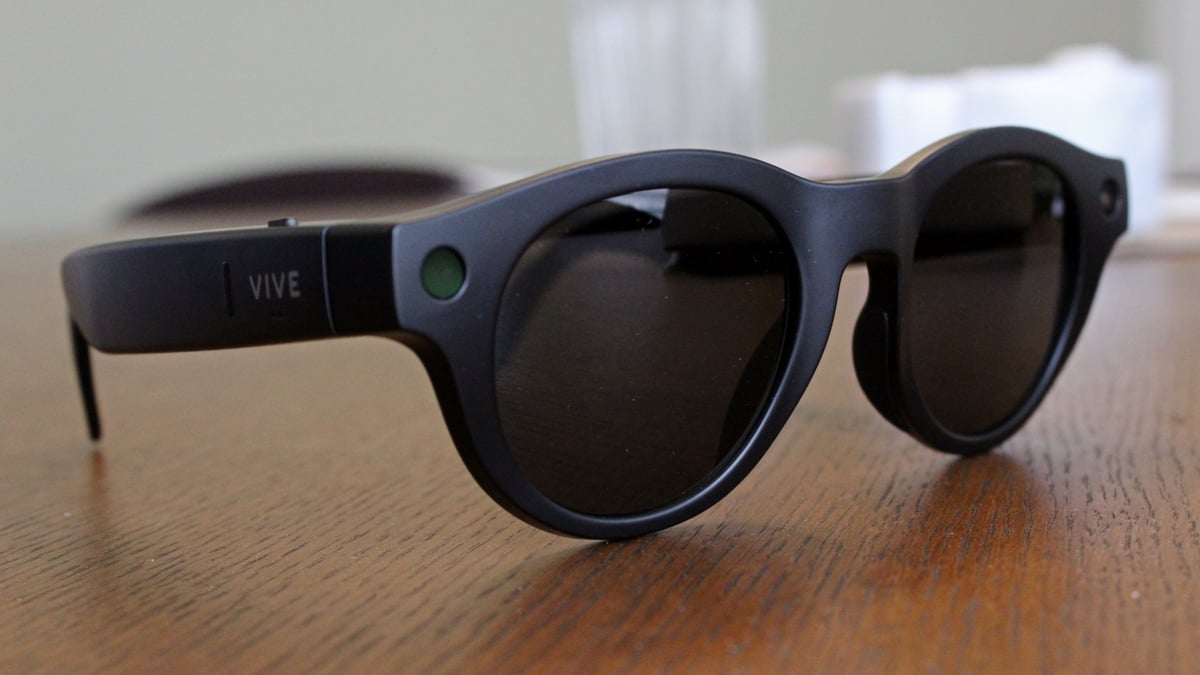
On November 6, 2026, HTC expanded availability of its first smart glasses, the Vive Eagle, across the United States, the United Kingdom, and Europe following an initial rollout in Taiwan. Entering a market dominated by Meta and EssilorLuxottica, the headset maker is pitching an open AI alternative to the reigning Ray-Ban hardware. Yet as wareable.com concludes in its hands-on testing, technical competence alone may not be enough to break the category leader's hold on consumer faces.
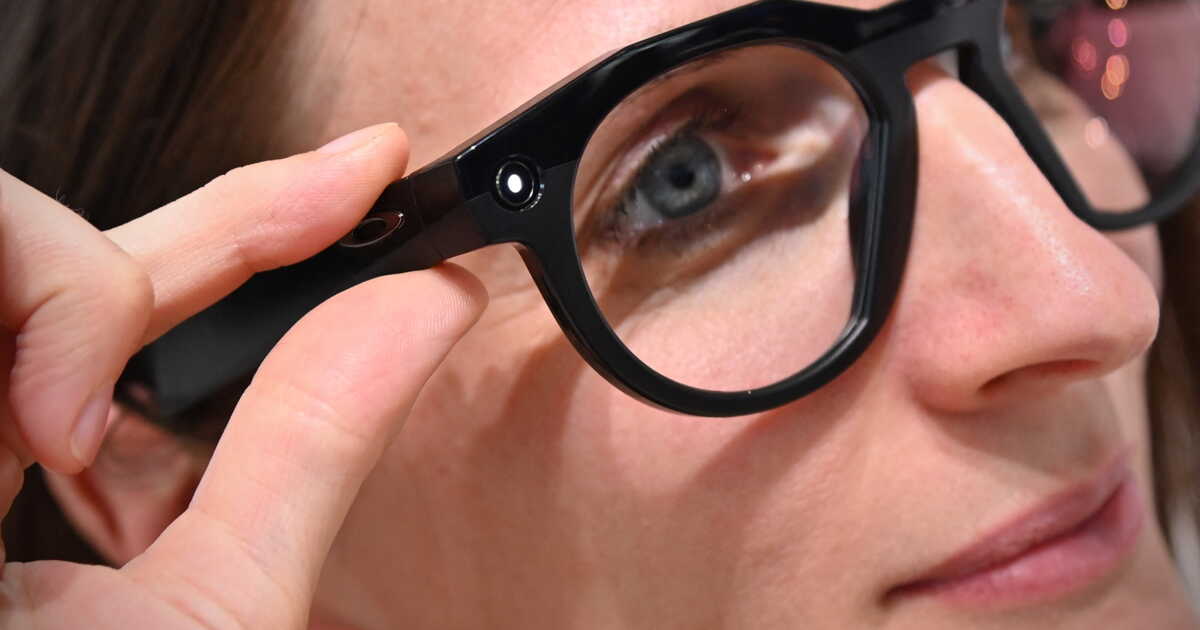
According to wareable.com reviewer Conor Allison, the Vive Eagle manages to deliver several legitimate hardware wins. HTC built thoughtful privacy safeguards directly into the frame, coupled with responsive touch controls and a lightweight chassis that remains comfortable during extended use. The biggest functional advantage noted by wareable.com is software flexibility: rather than locking buyers into a single proprietary ecosystem, HTC lets users toggle between Google Gemini and OpenAI's ChatGPT, offering significantly more conversational range than most off-the-shelf wearables.
However, wareable.com reports that the experience stumbles on several fundamentals that smart eyewear buyers prioritize. Video capture quality lags noticeably behind the market standard, producing footage that falls short of what Meta provides. The physical execution also draws criticism: Allison points out that the Vive Eagle relies on a clunky dedicated charging cable rather than an integrated battery charging case, adding friction to daily carry. Aesthetic appeal remains another hurdle, with wareable.com describing the frame styling as underwhelming compared to heritage eyewear brands.
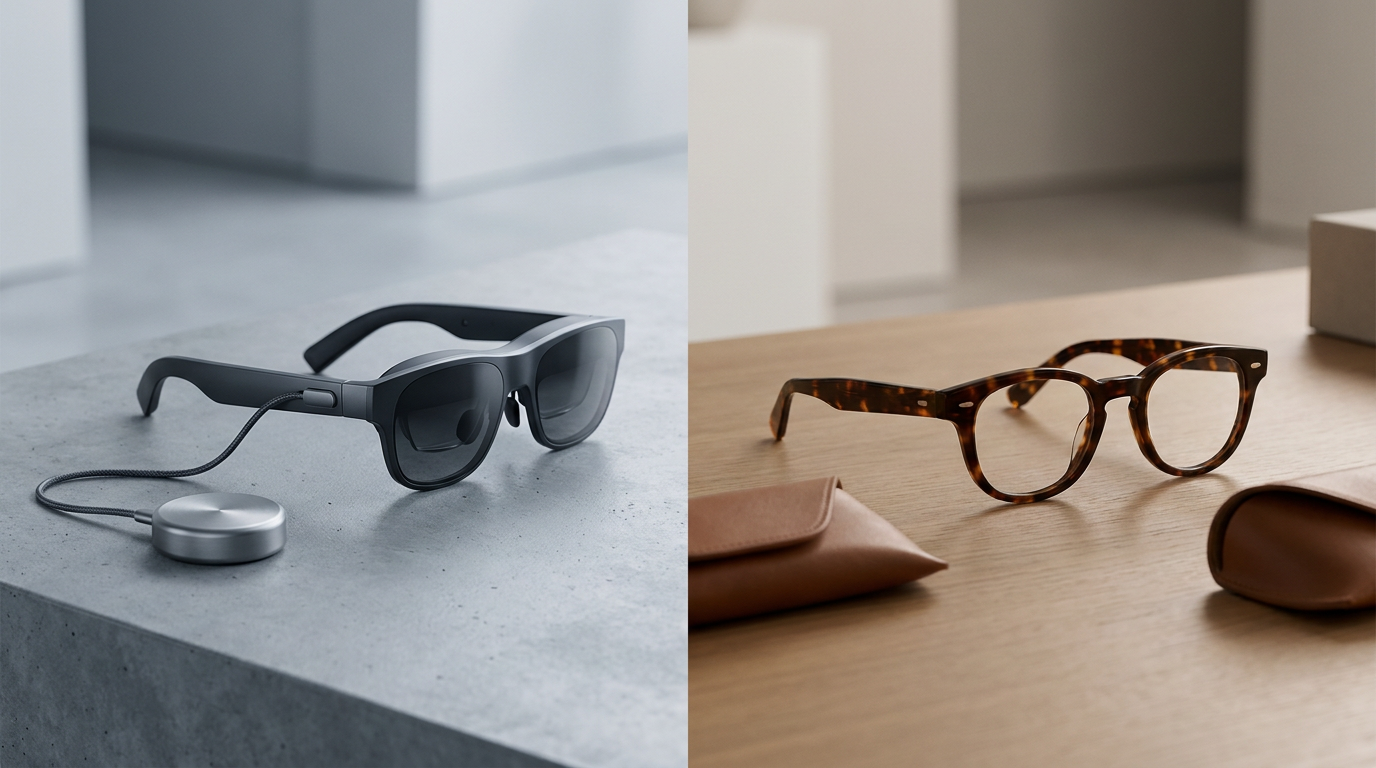
How it compares: Meta has set an aggressive benchmark for the everyday AI glasses category. Between Ray-Ban Meta styles and expanding audio-only frames, Meta pairs high-end acetate aesthetics with seamless pocket charging cases and top-tier computational video. By pricing the Vive Eagle higher than Meta's mainstream models without matching their industrial polish or visual styling, HTC places a heavy burden on its software appeal. Having access to Gemini and ChatGPT on your temples is an undeniable perk, but mainstream consumers historically choose eyewear based on appearance and battery convenience before looking at assistant backends.
Our take: The Vive Eagle is an admirable technical baseline that illustrates HTC's persistent engineering grit, but it exposes the central challenge facing consumer smart glasses. When a device sits on your face, design credibility and effortless lifestyle utility trump open-source sensibilities. Until hardware challengers can match the frame aesthetics and seamless case-charging routines of established fashion partnerships, premium smart glasses will remain a tough sell against the market leaders.
Interactive guide: prices, displays, cameras, battery.
Share this story